22 Textured Lob Haircuts for Casual Volume
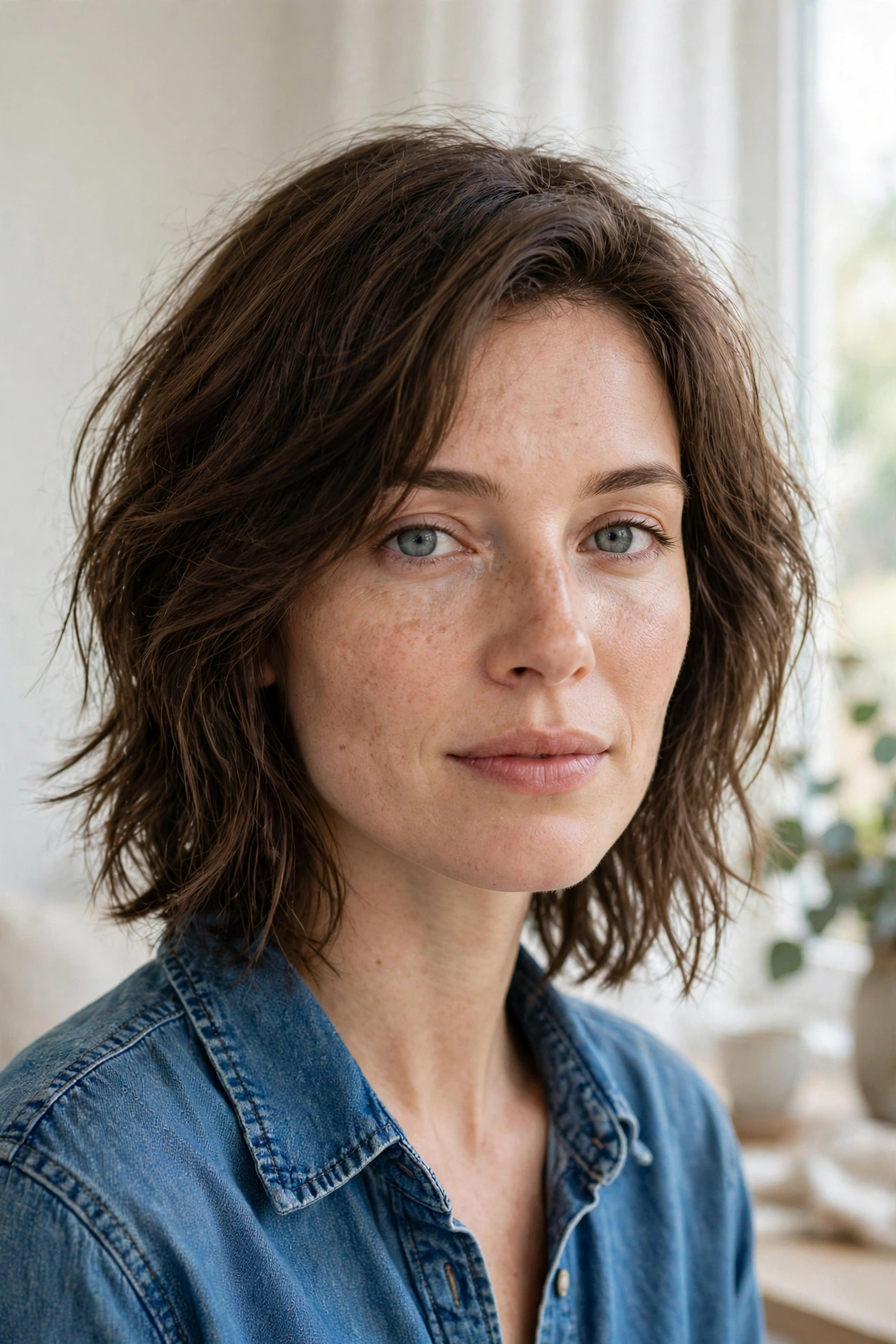
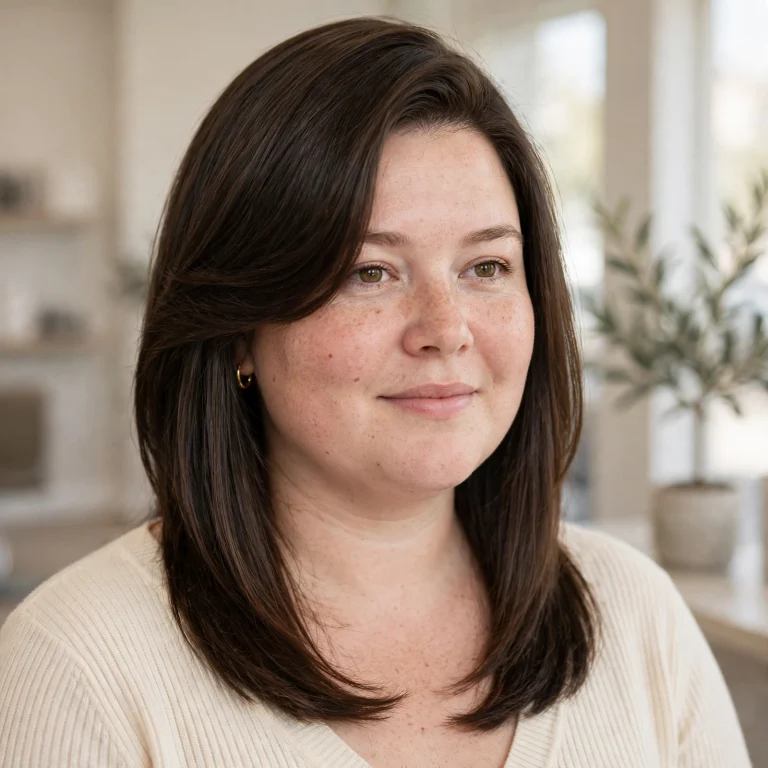
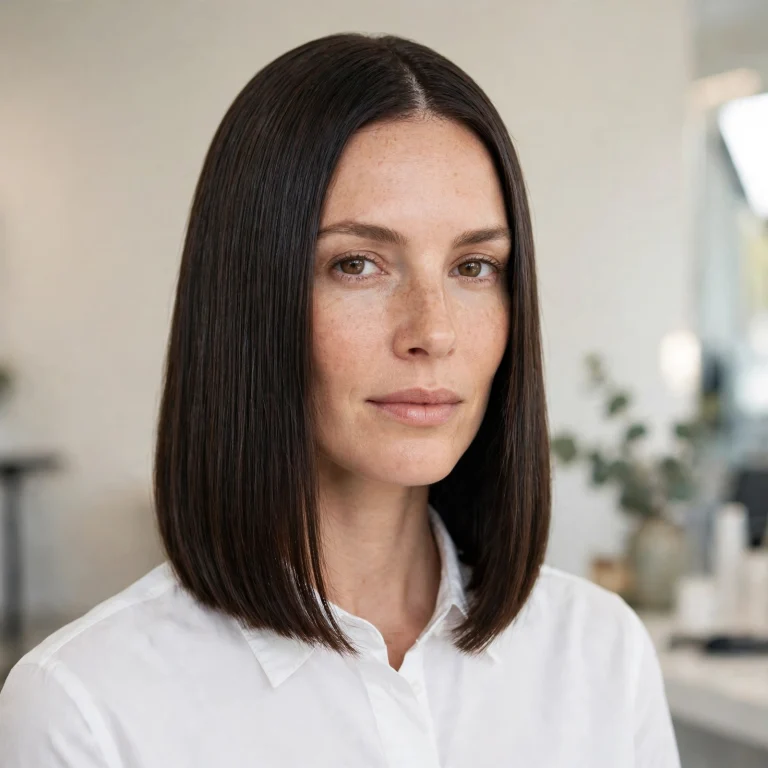
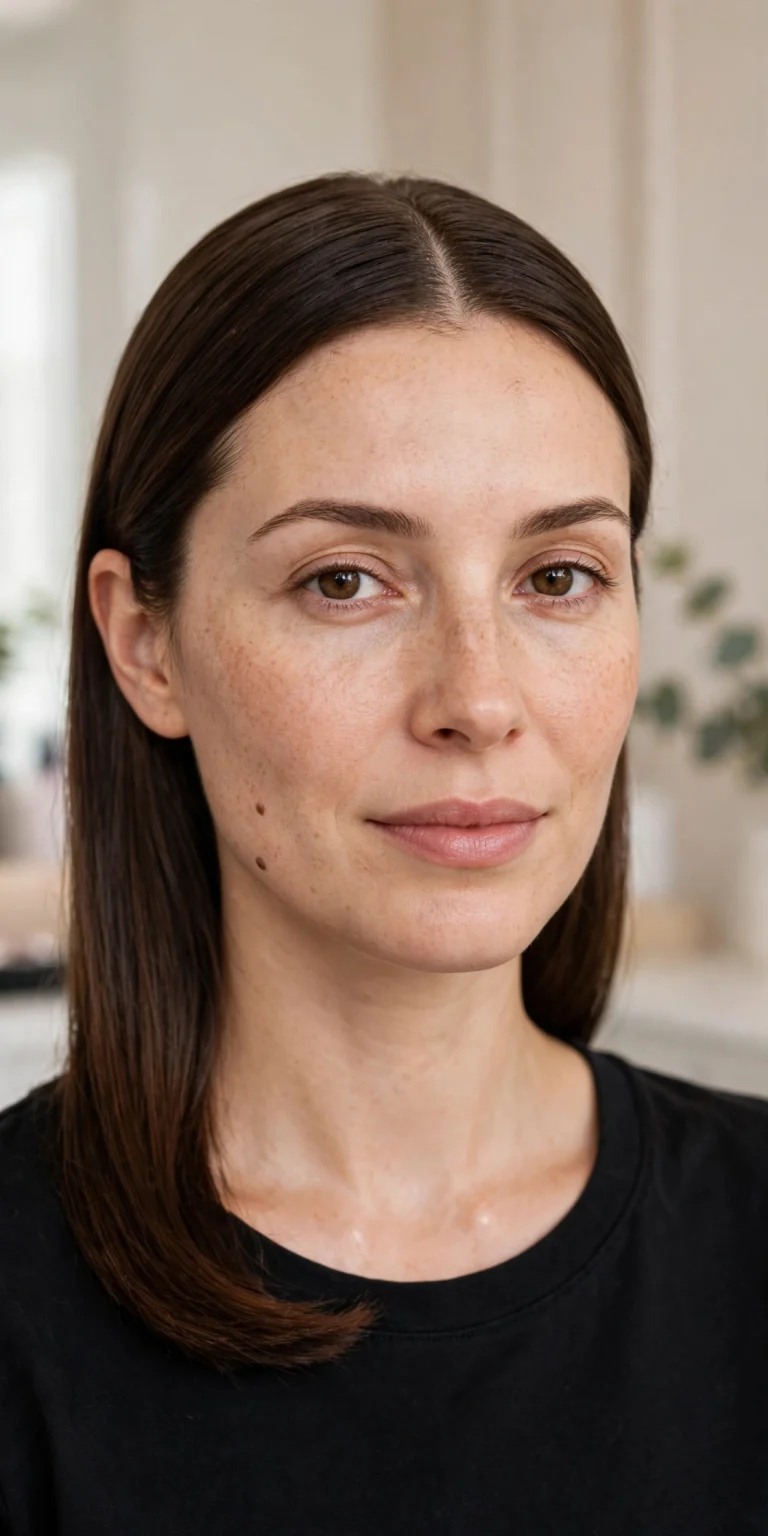
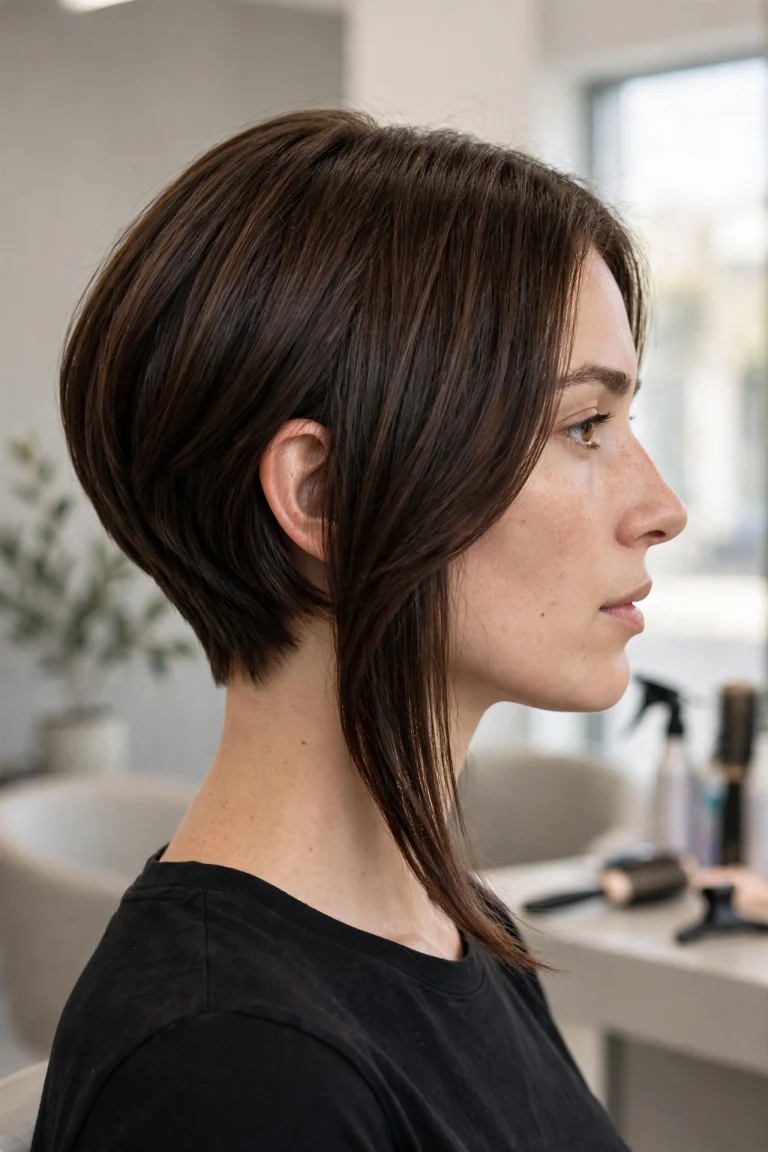
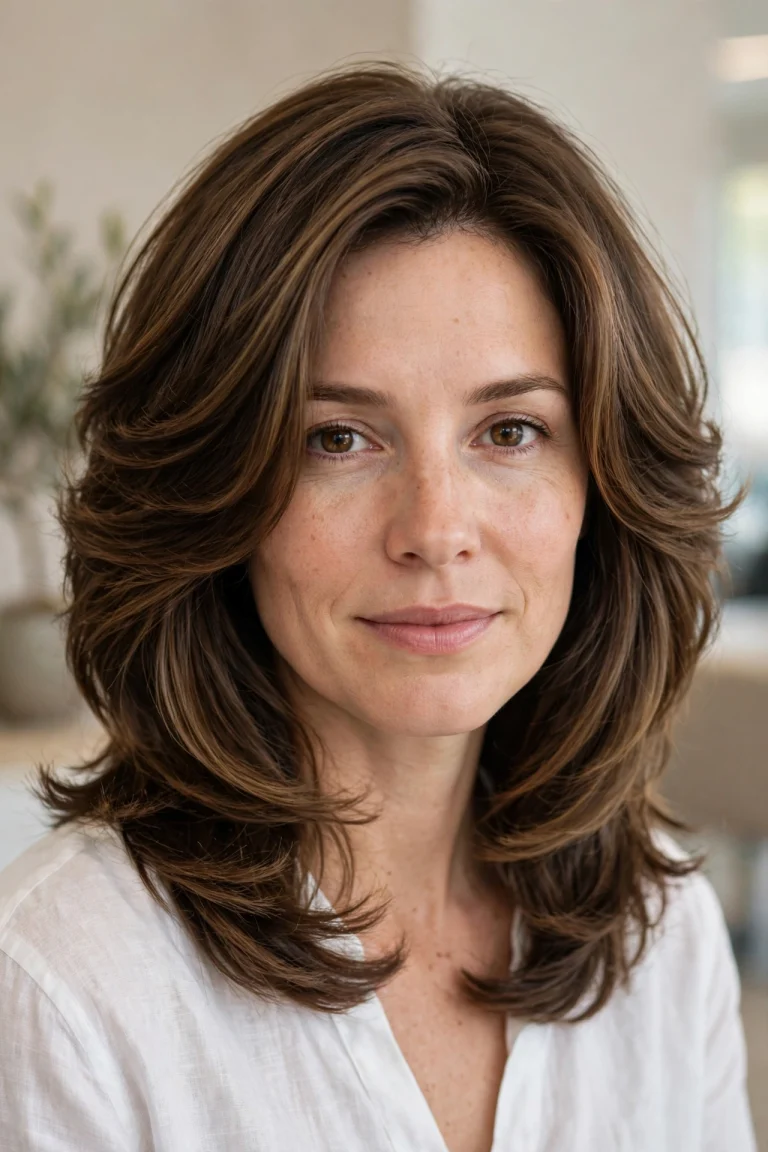
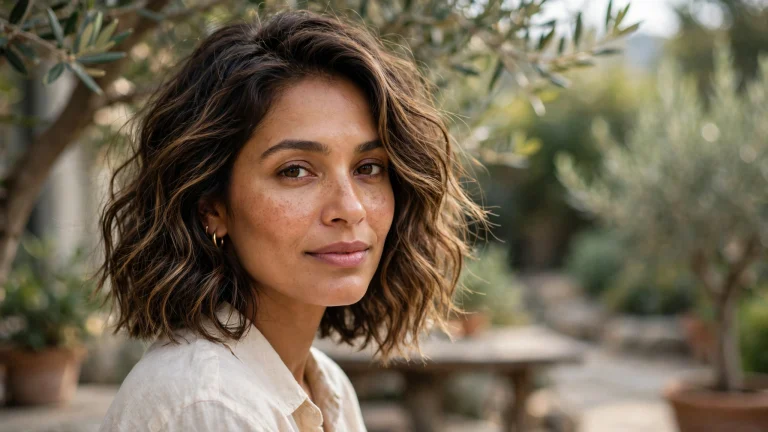
A textured lob is all about movement, with layers and soft, separated ends that give medium-length hair a relaxed, full feel. The texture keeps the cut from ever looking flat, so it is perfect for casual days when you want volume without a lot of styling. These textured lob ideas show how choppy layers, feathered ends, and piecey finishes can turn a simple lob into an effortlessly voluminous style.
1. Choppy Layered Textured Lob
Choppy layers cut through the lengths create instant movement and a relaxed, piecey silhouette. The uneven layer lengths keep the lob from looking heavy or blocky. Scrunch a little texturising cream through the ends to define the choppy pieces.
2. Feathered Textured Lob
Feathered layers around the face and through the ends give the lob a soft, airy texture. The feathering removes weight while keeping the overall length intact. Blow-dry with a round brush, flicking sections outward for a light, feathery finish.
3. Piecey Textured Lob
Deliberately separated pieces through the mid-lengths and ends give this lob a modern, undone texture. A matte paste worked through the ends keeps the pieces defined without stiffness. This finish suits straight to slightly wavy hair that needs help holding texture.
4. Razored Textured Lob
Razor-cut ends create wispy, separated texture with plenty of natural movement. The razor thins the ends just enough to stop the lob from looking blunt or heavy. This cut works best on medium-density hair that can handle the lighter ends.
5. Layered Textured Lob with Crown Volume
Layers concentrated at the crown build lift on top, while textured ends keep the lengths light. The combination gives the lob a full, rounded silhouette without teasing. Blow-dry the crown sections upward for extra height.
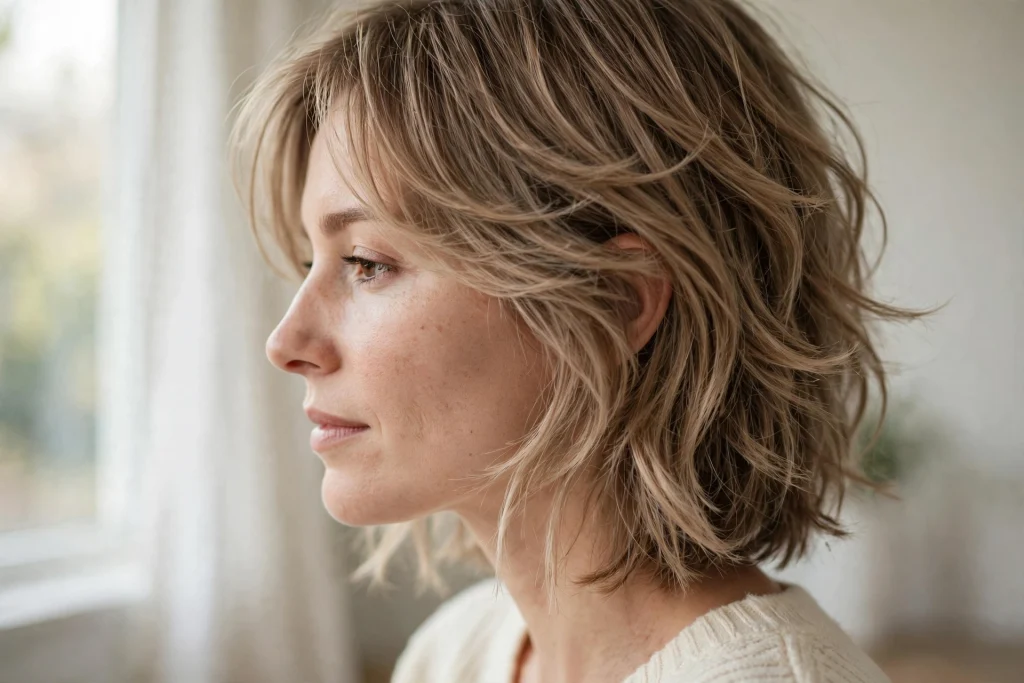
6. Textured Lob with Face-Framing Pieces
Short textured pieces around the face add softness and movement exactly where it frames your features. The face-framing texture keeps the lob from feeling flat at the front. Style the pieces with a slight outward flick for a breezy finish.
7. Textured Lob with a Tousled Finish
The hair is styled with a deliberately tousled, slept-in texture that looks casual and full. Finger-drying and a spritz of texture spray create the undone volume. This is the ultimate low-effort textured lob for busy mornings.
8. Textured Lob with Curled-Under Ends
The textured layers are finished with ends curled gently under, giving a soft, rounded shape. The curl-under finish stops textured ends from looking frizzy or flyaway. A large round brush during blow-drying creates the curve naturally.
9. Textured Lob with Flipped Ends
Ends flipped outward add playful movement and highlight the layered texture. The outward flick works especially well on the face-framing layers. A flat iron turned outward at the tips creates the flip in seconds.
10. Textured Lob with Hidden Layers
Layers cut underneath the top section remove weight invisibly, so the lob looks full on top with light, textured ends. This technique keeps the outline neat while the interior moves freely. It is a great option for thick hair that needs texture without visible choppiness.
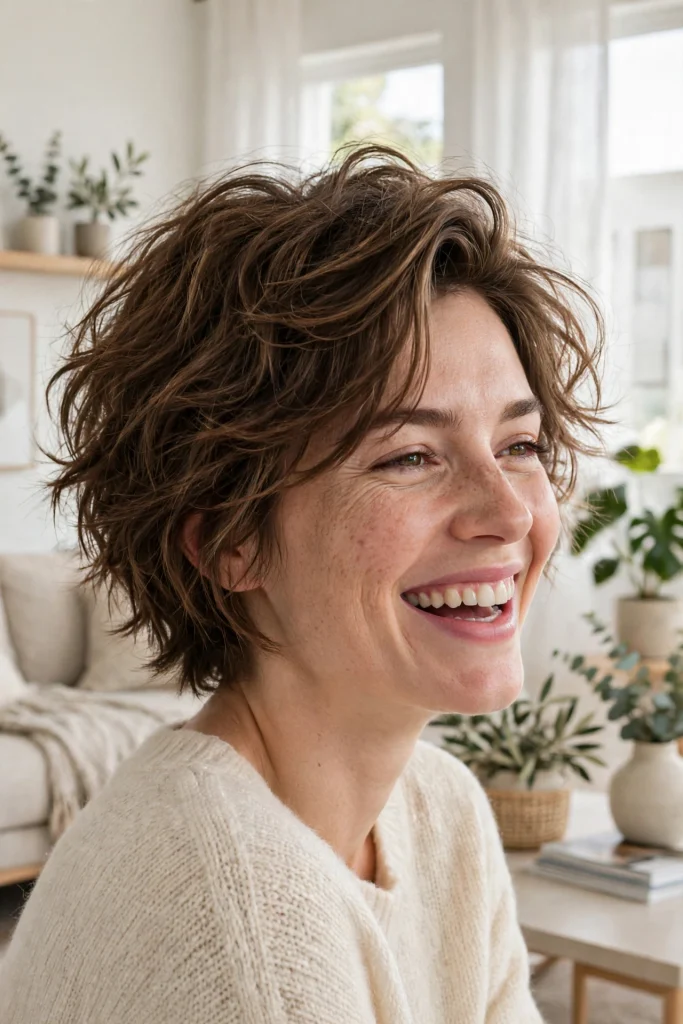
11. Textured Lob with a Side Part
A side part adds instant root volume and lets the textured layers fall asymmetrically for extra movement. The deeper side carries more texture and fullness. Sweep the heavier side loosely back for a relaxed, casual feel.
12. Textured Lob with a Middle Part
A centre part gives the textured lob a balanced, symmetrical shape with texture on both sides. The even fall suits oval and heart-shaped faces and keeps the volume distributed evenly. Finger-style the layers so they stay piecey rather than sleek.
13. Textured Lob with Wispy Ends
The ends are point-cut into soft, wispy points that move easily and never look heavy. Wispy ends suit fine hair, since they add the appearance of texture without removing much density. A light hold spray keeps the wisps in place.
14. Textured Lob with Blunt-Looking Ends
The perimeter is kept fairly even while interior layers supply the texture, so the lob reads polished from the outside. This is a good compromise if you love texture but prefer a neat outline. The interior layers give movement every time you turn your head.
15. Textured Lob with Long Layers
Long, subtle layers through the lengths add gentle movement without obvious choppiness. This version keeps the lob looking fairly classic while still giving it casual volume. It suits anyone new to textured cuts who wants a soft introduction.
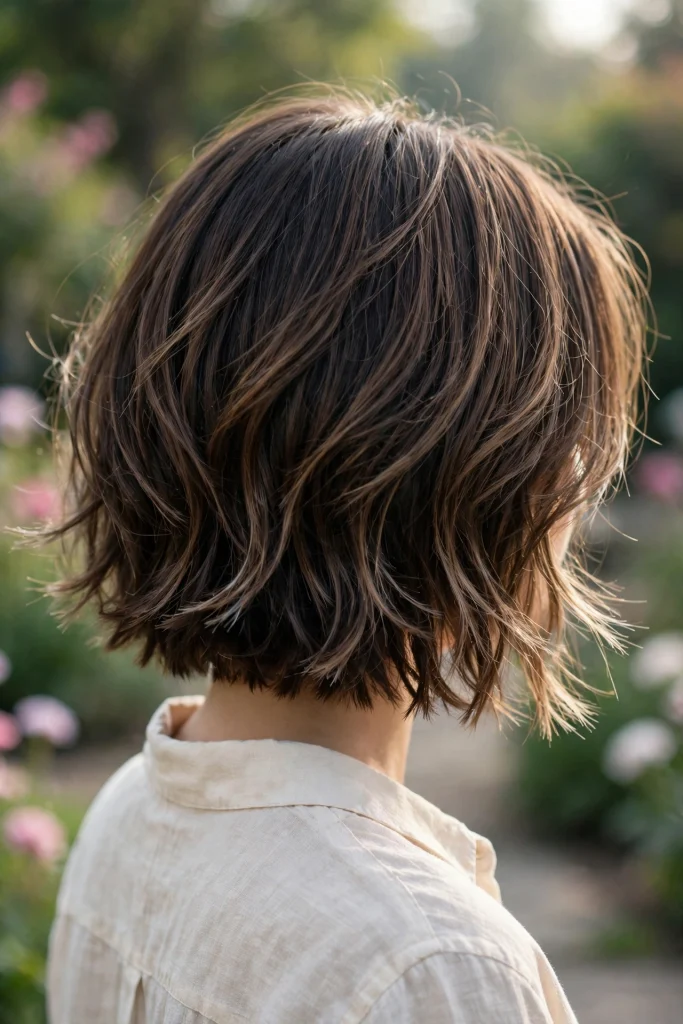
16. Textured Lob with Short Layers
Shorter layers throughout create a bolder, more obviously textured shape with lots of lift. The shorter pieces spring up and give the lob a full, airy silhouette. This version works best on hair with some natural body.
17. Textured Lob with a Fringe
A textured fringe blends into the layered lob for a cohesive, piecey finish around the face. The fringe adds softness and keeps the texture story consistent from front to back. Keep the fringe piecey rather than solid so it matches the lob’s texture.
18. Textured Lob for Fine Hair
Light, strategic layers give fine hair the illusion of volume without removing the density it needs. Texture is concentrated at the ends and around the face, where it creates the most visible fullness. A volumising mousse on damp hair boosts the effect.
19. Textured Lob for Thick Hair
Interior layers and thinned ends remove bulk from thick hair so the textured lob falls with movement instead of width. The texture stops thick hair from looking like a solid block. Blow-dry in sections to keep the layers defined.
20. Textured Lob with Air-Dried Volume
This version is designed to be scrunched and air-dried, with layers that fall into natural, voluminous texture on their own. A curl-enhancing or texturising cream on damp hair is usually all it needs. It is the lowest-maintenance way to wear a textured lob.
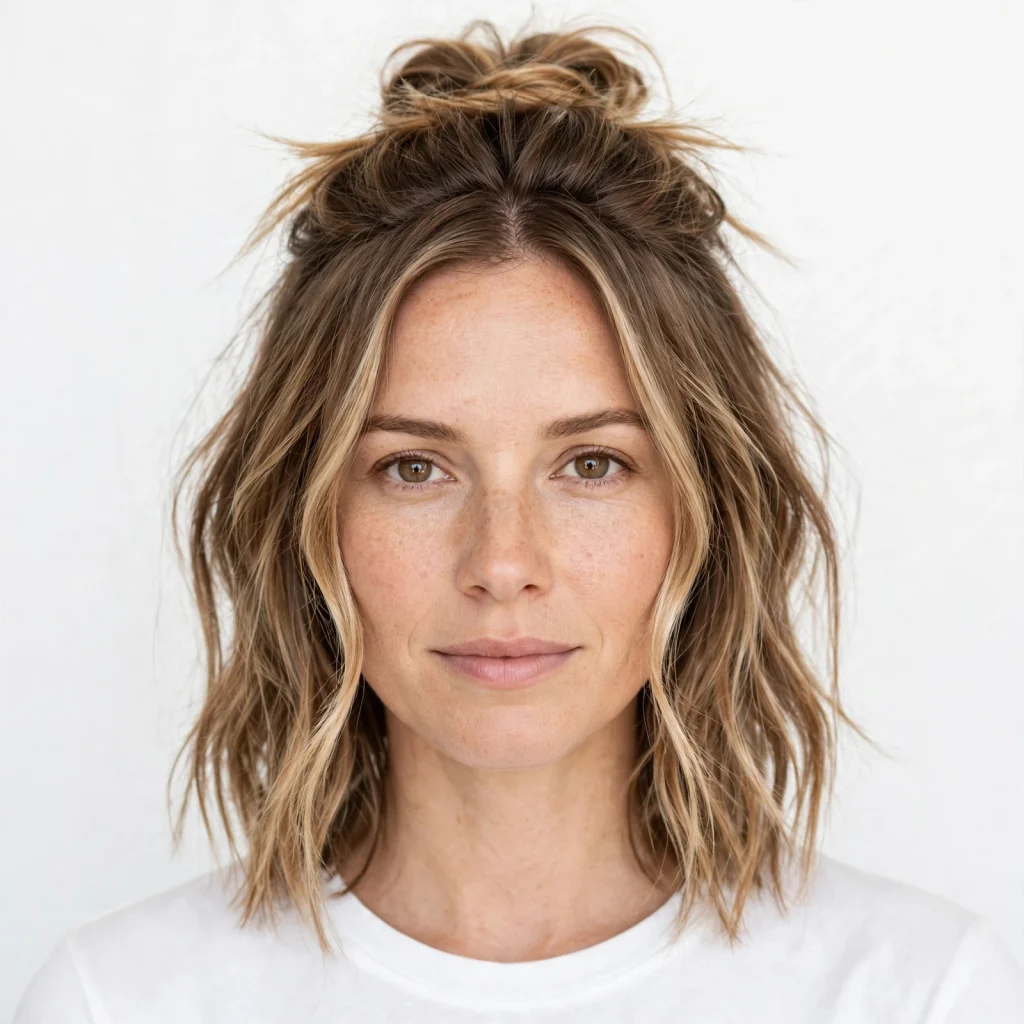
21. Textured Lob with Second-Day Texture
The cut is shaped to look even better on second-day hair, when natural oils and texture give the layers extra grip. A quick refresh with dry texture spray revives the volume without washing. This makes the textured lob a true everyday cut.
22. Textured Lob with a Half-Up Knot
The top textured layers gather into a loose half-up knot, leaving the piecey ends free below. The knot shows off the layering while keeping hair out of the face. Pull a few textured pieces loose around the face for a relaxed finish.
Styling Tips
Scrunch texturising cream or mousse into damp hair, then air-dry or diffuse for natural volume. Avoid over-brushing textured layers, since brushing separates them into frizz instead of piecey definition. Use a wide-tooth comb or your fingers to style, keeping the layers distinct. Refresh second-day texture with dry texture spray at the roots and mid-lengths. Ask for point-cut or razor-cut ends if you want soft, separated texture rather than a blunt edge. Keep heat styling light, since too much smoothing removes the texture the cut is designed to show. Trim every seven to nine weeks to keep the layers fresh without losing length.
FAQ
Will a textured lob make my hair look thinner? No, when cut correctly a textured lob makes hair look fuller, because layers create movement and lift. The key is strategic layering that adds volume rather than removing too much density, especially for fine hair.
How is a textured lob different from a layered lob? A textured lob focuses on the finish of the ends, using point-cutting or razor work to create separated, piecey texture. A layered lob may have smooth, blended layers without that deliberately textured edge.
Can I get a textured lob if my hair is very straight? Yes, straight hair takes texture well, though you may need a texturising product to make the layers visible. A texturising spray or matte paste helps straight hair hold the piecey finish.
Does a textured lob need a lot of styling? Not at all. The cut is designed to look good with minimal effort, often just scrunching in product and air-drying. That low-maintenance quality is one of its biggest appeals.
How often should I trim a textured lob? Every seven to nine weeks keeps the layers fresh and the ends from looking straggly. Textured cuts grow out more forgivingly than blunt cuts, so you have a little extra flexibility.