28 Face-Framing Layers Ideas for Thick Hair With Control
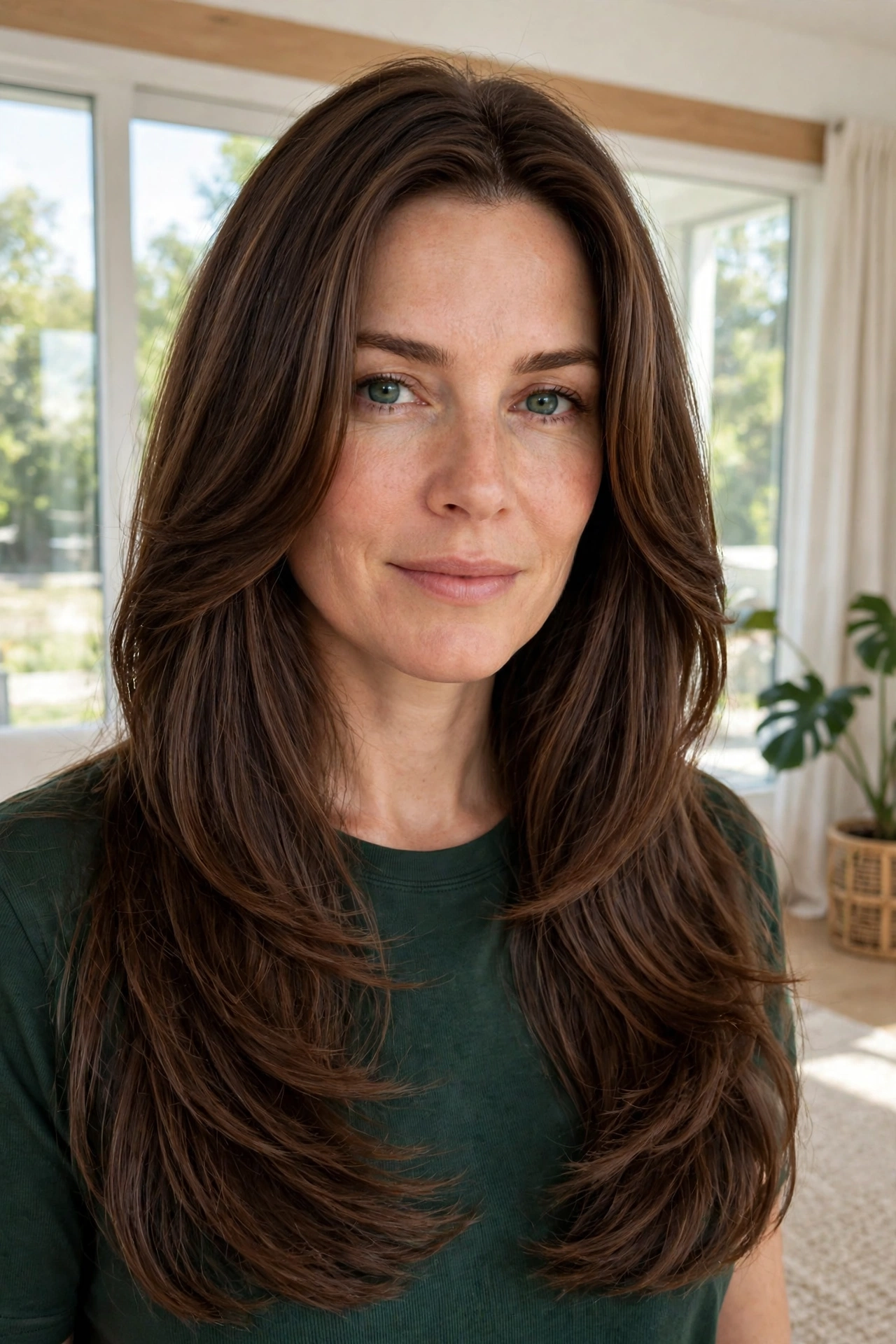
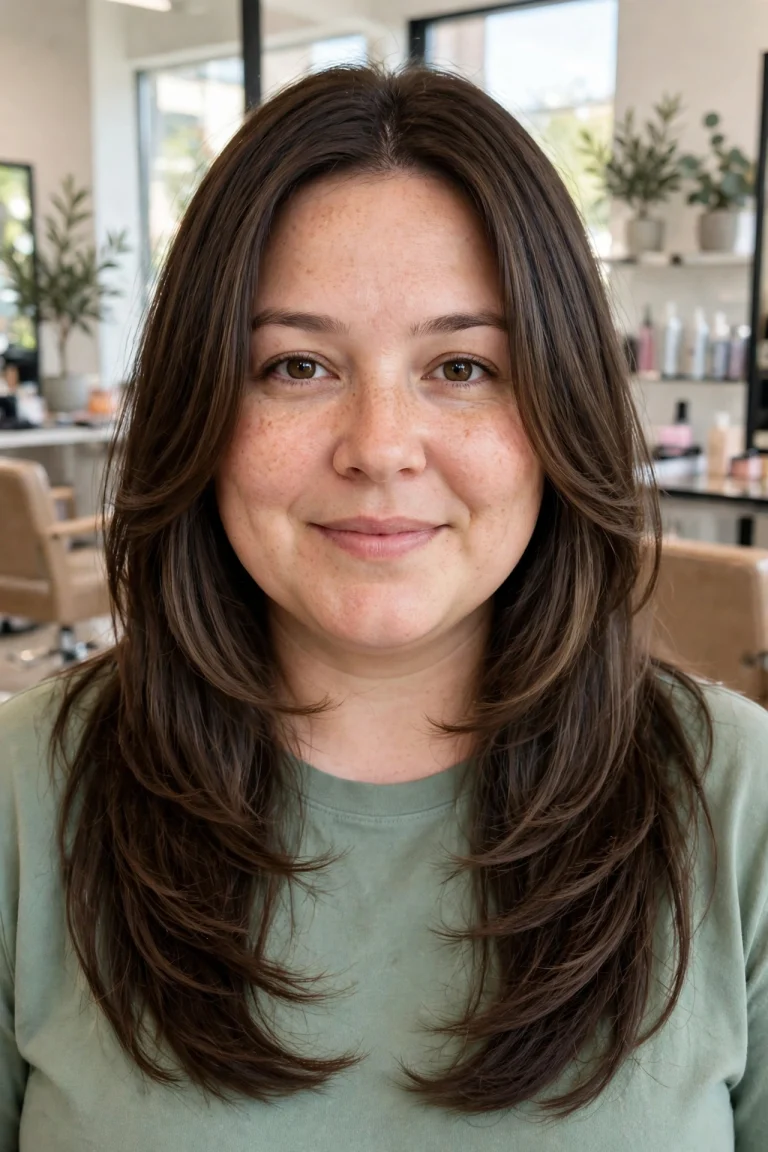
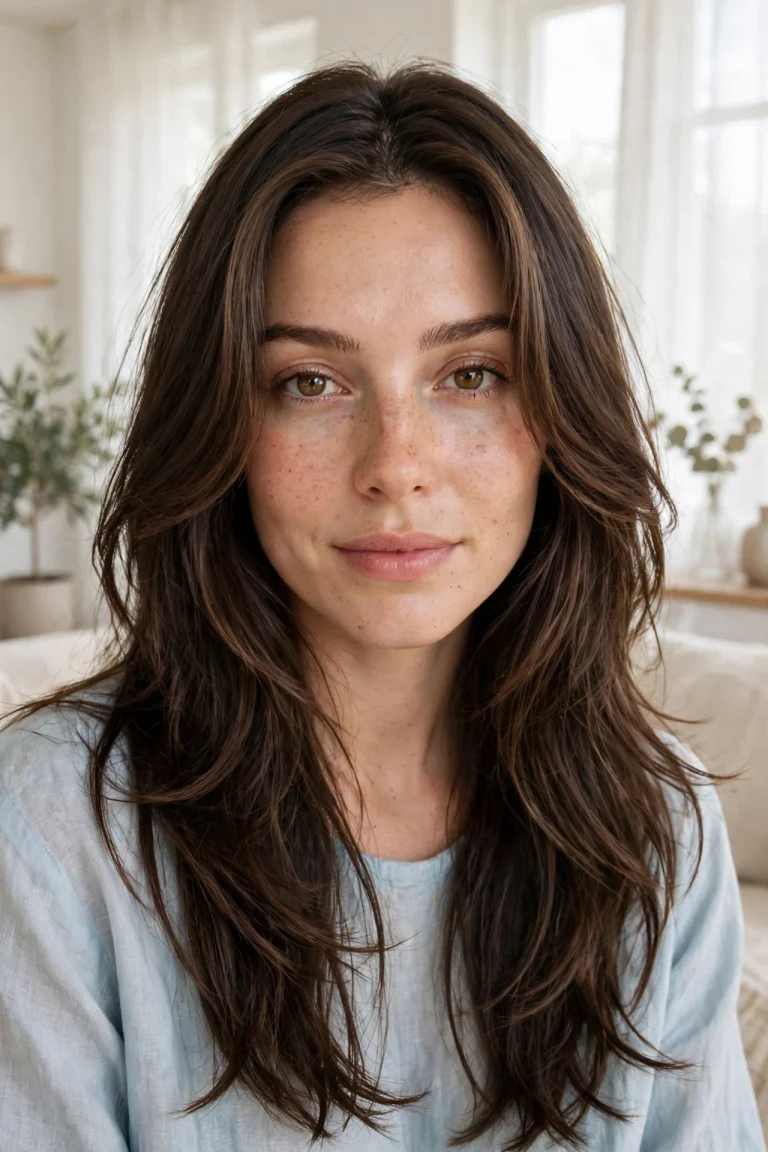
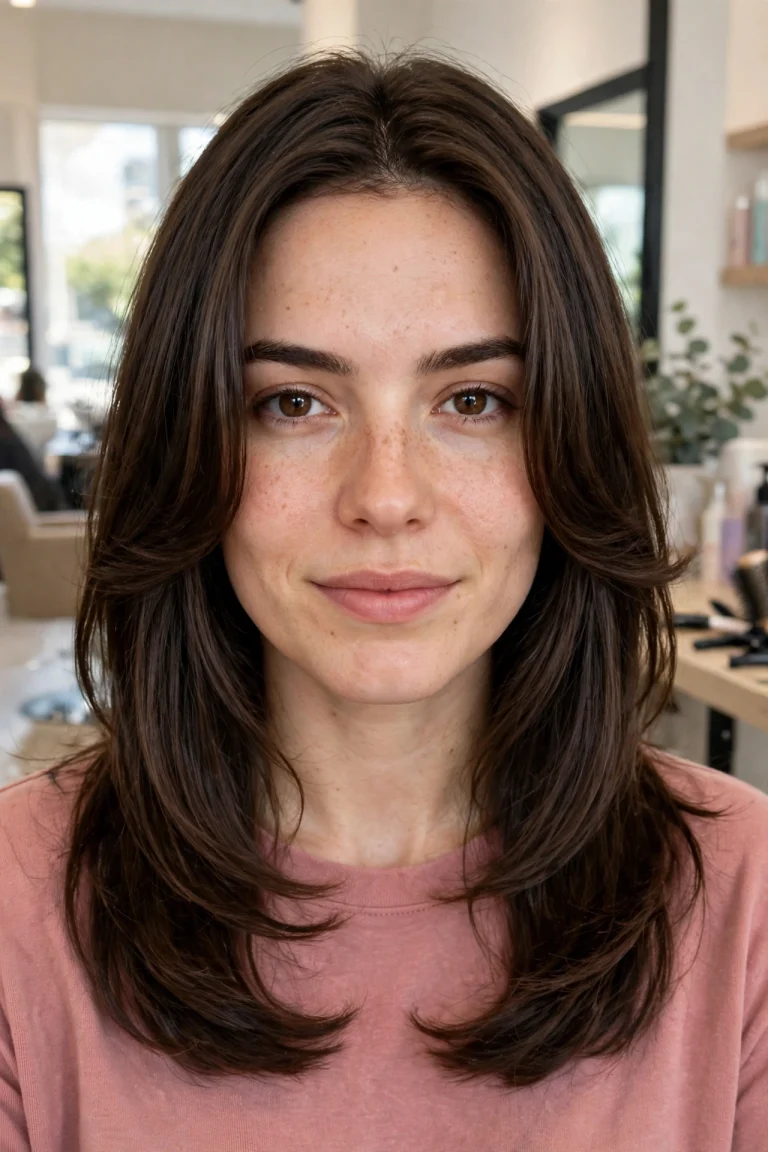
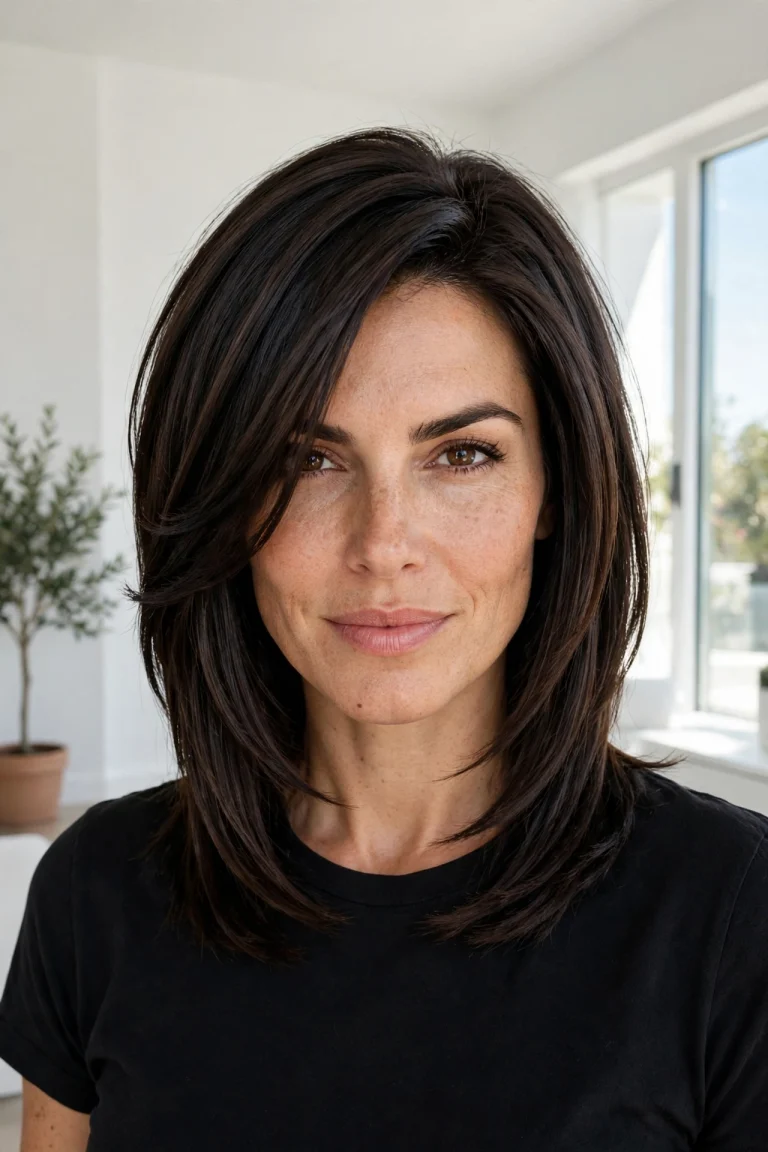
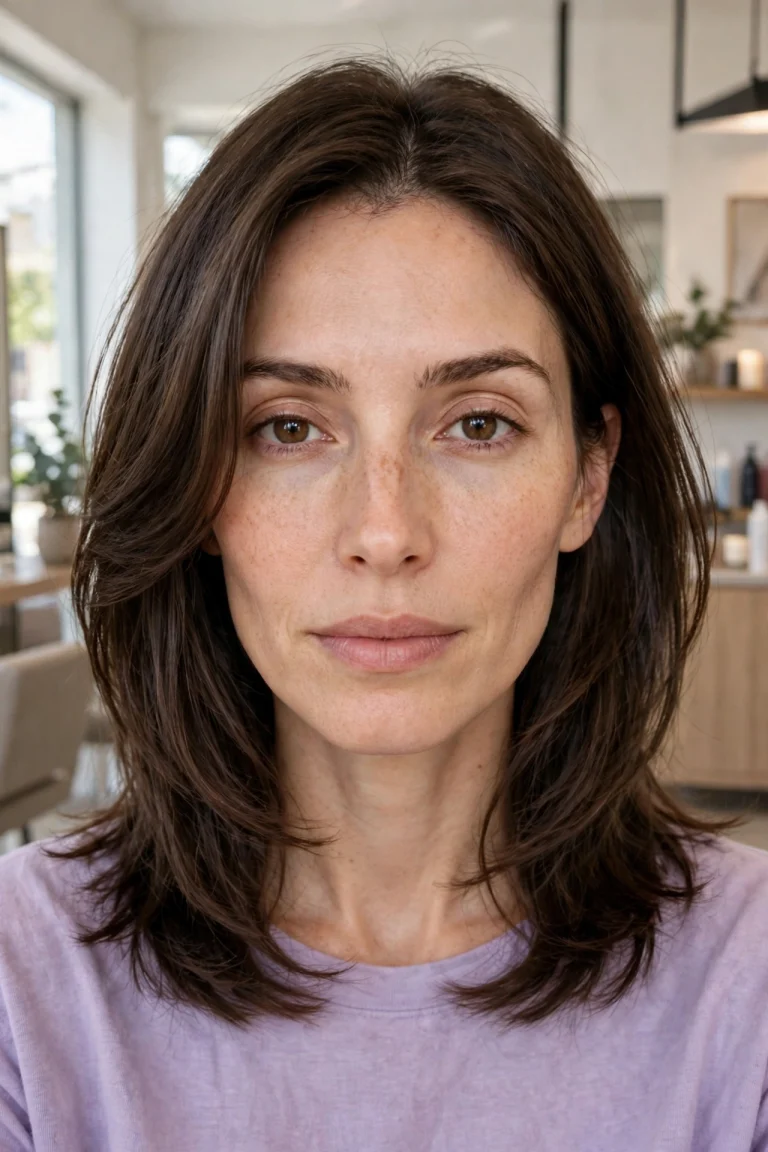
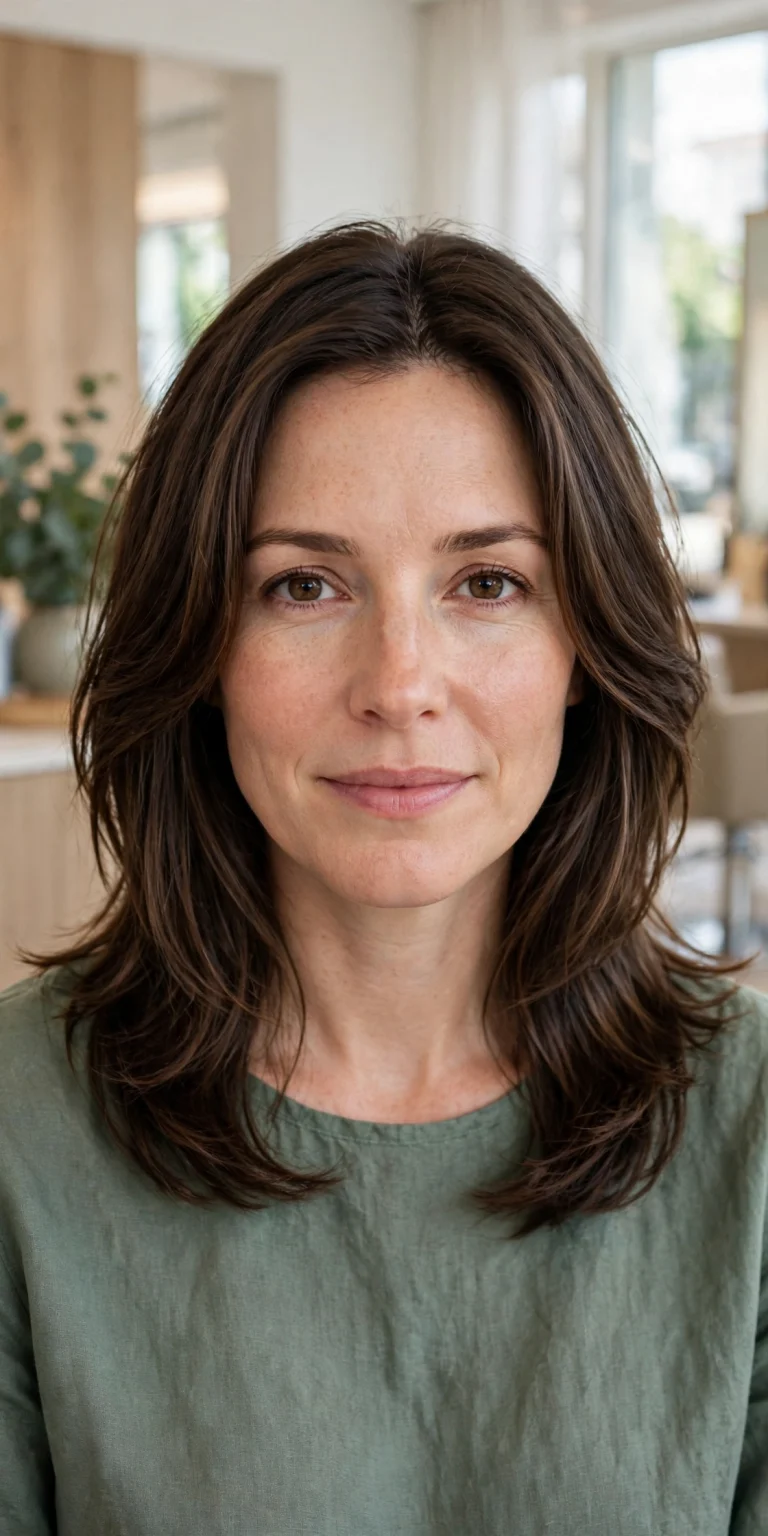
Thick hair has wonderful natural volume, but without layering it can feel heavy, wide, and hard to manage. Face-framing layers bring thick hair under control by releasing weight exactly where it is needed. These twenty-eight ideas show how layered cuts can tame bulk while keeping thick hair’s beautiful fullness.
1. Weight-Releasing Face Layers
Face layers that release weight from the front sections make thick hair feel instantly lighter around the face. The bulk is reduced without losing the hair’s natural body. This is the first step for thick hair that feels heavy and unmanageable.
2. Bulk-Softening Layered Cut
Layers throughout the cut soften the overall bulk, so thick hair falls in a smooth shape rather than a wide block. The softening is gradual, with no sudden steps between layers. It makes thick hair far easier to style and wear down.
3. Thick-Hair Layers with a Smooth Fall
These layers are blended so thick hair falls smoothly from the crown to the ends with no puffiness. The smooth fall looks polished and controlled even on humid days. A smoothing cream helps the layers lie flat where they should.
4. Controlled Volume Face Frame
This face frame keeps thick hair’s volume but directs it, so fullness sits where it flatters rather than where it overwhelms. The control comes from layer placement, not from thinning the hair aggressively. It is a balanced approach for thick hair lovers.
5. Thick-Hair Layers with Blended Ends
Blended ends prevent thick hair from forming a heavy, blunt shelf at the bottom. The blending lets the ends taper softly while keeping their density. This finish makes thick hair look intentional rather than overgrown.
6. Weight-Balancing Cheek Layers
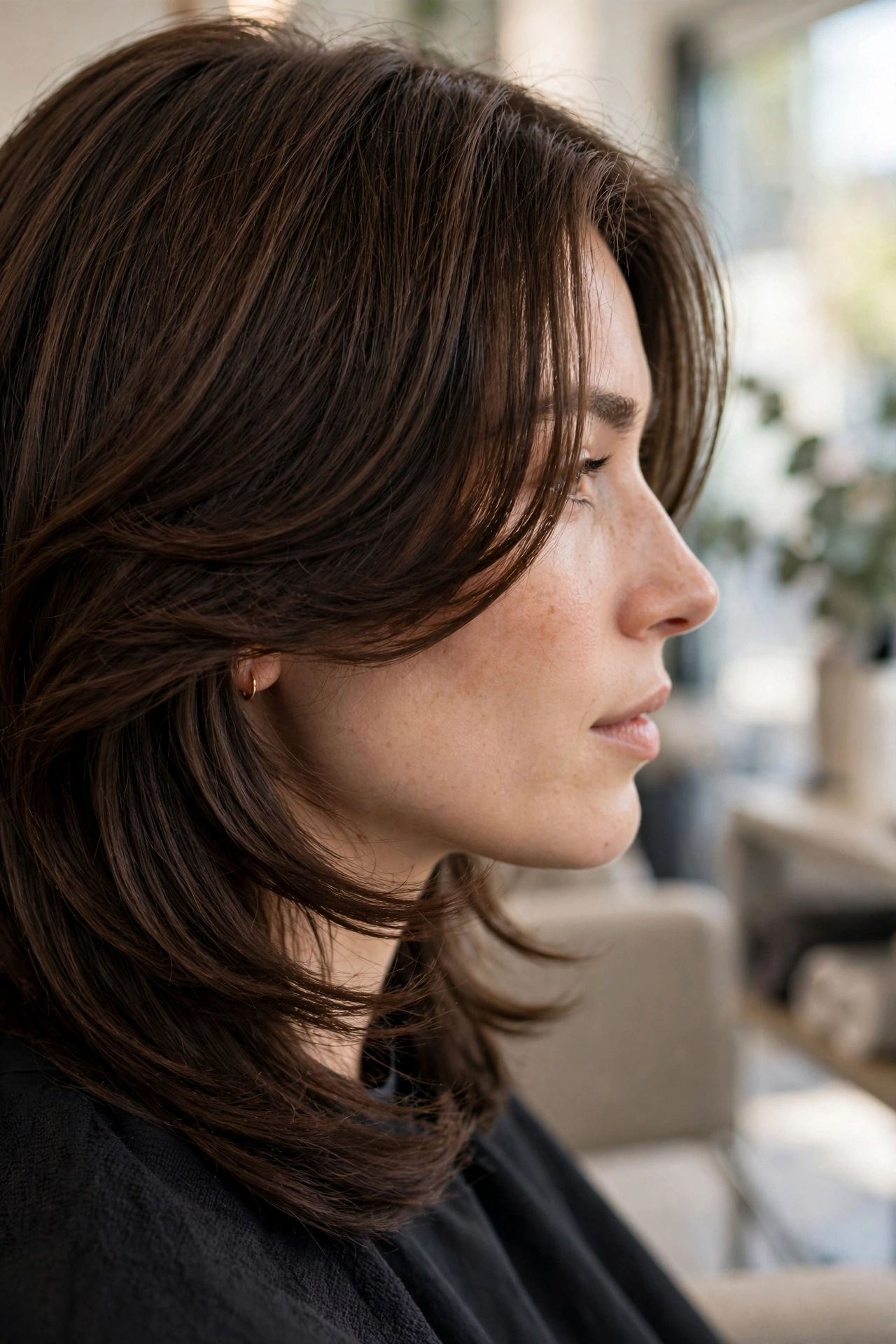
Cheek-length layers balance the weight of thick hair by removing bulk from the front while the back stays full. The balance stops the face from being hidden behind heavy hair. It also makes thick hair feel lighter when worn down.
7. Thick-Hair Layers with a Sleek Outline
A sleek outline gives thick hair a refined silhouette, with layers tucked neatly into a smooth shape. The sleekness comes from precise layering rather than heavy straightening. It suits thick hair that is naturally smooth or slightly wavy.
8. Softly Thinned Interior Layers
Interior layers hidden beneath the top section quietly remove bulk from thick hair without changing its outline. The top stays smooth while the inside feels much lighter. This technique is ideal if you love the look of thick hair but not its weight.
9. Thick-Hair Layers with a Side Part
A side part combined with face layers directs thick hair into a sweeping shape that feels controlled and elegant. The sweep distributes the volume to one side. It is a simple way to manage thick hair on busy mornings.
10. Controlled Layers for Long Thick Hair
Long thick hair needs controlled layering to stop it from becoming a heavy curtain. These layers release weight through the lengths while preserving the impressive length. The result is long hair that moves and feels manageable.
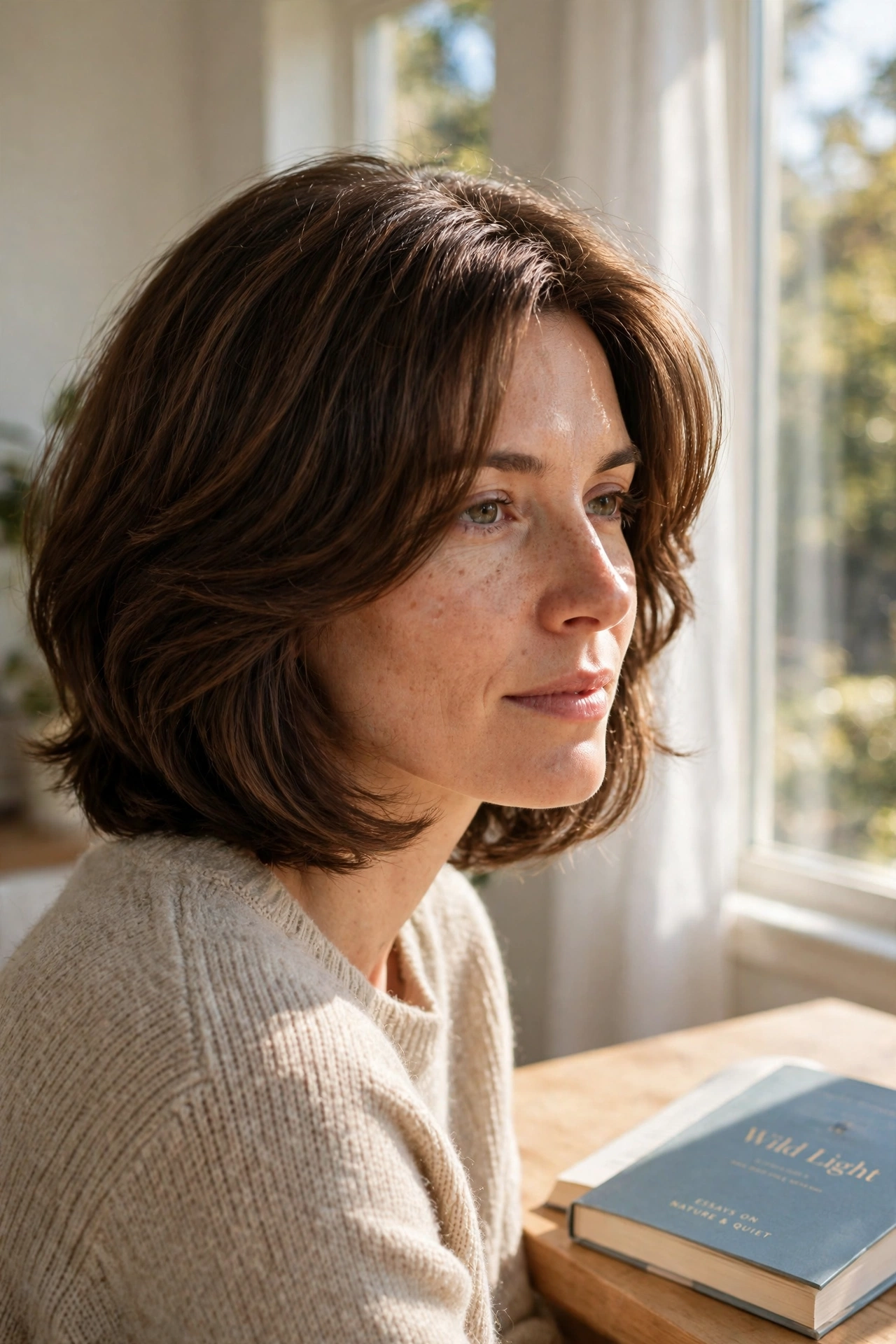
11. Thick-Hair Layers with a Rounded Shape
A rounded shape gives thick hair a soft, controlled outline with no corners sticking out. The rounding is achieved through graduated layering around the whole head. It looks polished from every angle.
12. Weight-Distributing Layered Cut
This cut distributes the weight of thick hair evenly, so no single section feels too heavy. The even distribution makes the hair sit better and style faster. It is particularly helpful for very dense hair.
13. Thick-Hair Layers with a Centre Part
A centre part with balanced layers on both sides gives thick hair a symmetrical, controlled frame. The symmetry prevents one side from looking heavier than the other. It suits thick hair that falls naturally in the middle.
14. Softly Shaped Layers for Dense Hair
Dense hair is shaped with soft, long layers that carve a gentle outline without harsh lines. The soft shaping keeps the hair’s natural fullness while making it wearable. This cut grows out gracefully between appointments.
15. Thick-Hair Layers with Gentle Movement
Gentle movement is built into thick hair through layers that let sections move independently. The movement stops thick hair from looking stiff or helmet-like. A light blow-dry brings out the gentle swing.
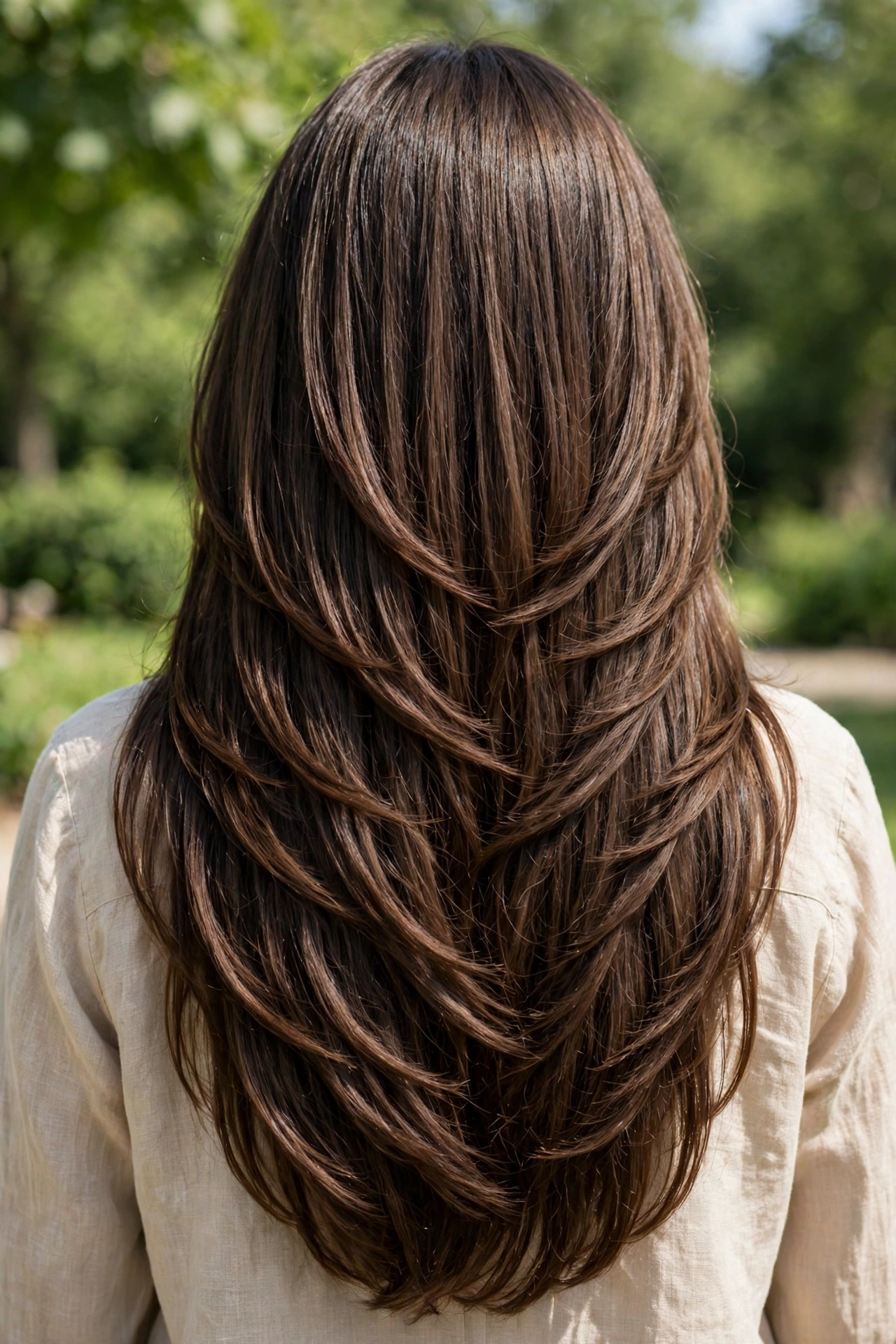
16. Controlled Layers for Shoulder-Length Thick Hair
Shoulder-length layers give thick hair a compact, controlled shape that is easy to manage daily. The length is short enough to reduce weight and long enough to style in many ways. It is a practical choice for thick hair.
17. Thick-Hair Layers with a Face-Softening Sweep
A soft sweep across the face softens the strong outline that thick hair can create. The sweep adds a gentle diagonal that flatters the features. It pairs well with both straight and wavy thick hair.
18. Bulk-Reducing Layers with a Polished Finish
These layers reduce bulk substantially while finishing with a polished, salon-smooth look. The polish comes from blended layering and a careful blow-dry. It is a great option for professional settings.
19. Thick-Hair Layers with Tapered Ends
Tapered ends narrow the outline of thick hair gradually, so the bottom feels lighter than the top. The taper is subtle and smooth, never wispy. It helps thick hair sit neatly on the shoulders.
20. Controlled Layers with a Flipped Finish
A flipped finish at the ends gives thick hair a lively, controlled shape with outward movement. The flip is kept gentle so it looks modern rather than retro. A flat iron used on just the ends creates the flip.
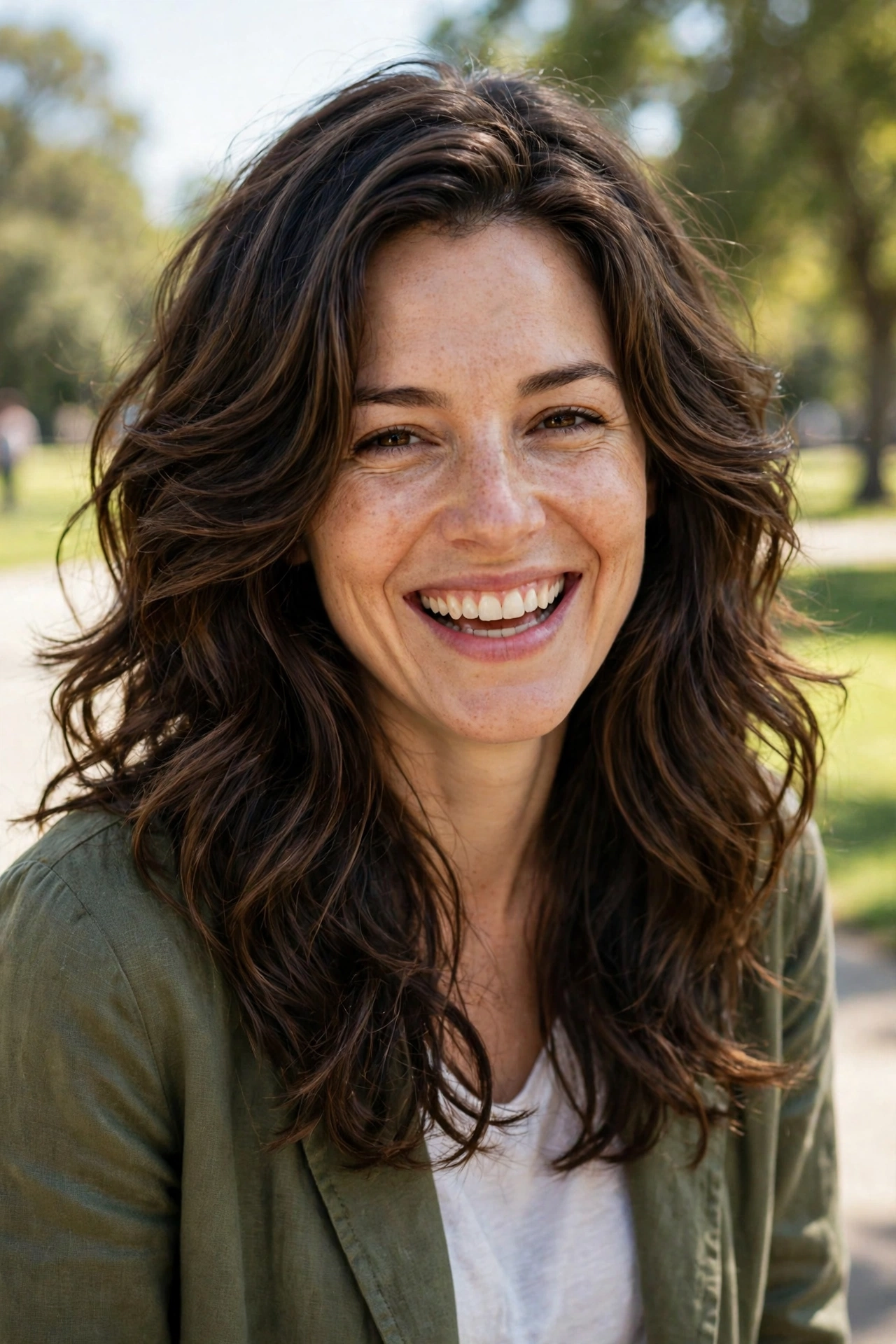
21. Thick-Hair Layers with a Smooth Blowout Shape
Layers cut for a smooth blowout make thick hair easy to style into a polished, bouncy finish. The layers are placed so a round brush can glide through them. This cut rewards a little styling effort with a salon-quality result.
22. Weight-Managed Layers for Wavy Thick Hair
Wavy thick hair gets weight-managed layers that control bulk while letting waves form freely. The waves add movement and the layers keep them from becoming overwhelming. Wave cream on damp hair enhances the balance.
23. Thick-Hair Layers with a Long Face Frame
A long face frame keeps the front sections of thick hair elegant and controlled without cutting them short. The long frame blends into the lengths for a seamless look. It suits thick hair worn long and loose.
24. Controlled Layers for Curly Thick Hair
Curly thick hair needs controlled layers to manage both volume and curl pattern. These layers shape the curls while reducing the weight that pulls them down. The result is defined curls with a manageable outline.
25. Thick-Hair Layers with a Streamlined Silhouette
A streamlined silhouette narrows thick hair into a sleek, elegant shape with no excess width. The streamlining is achieved through long, blended layers. It is a sophisticated option for thick hair.
26. Thick-Hair Layers with Face-Framing Lengths
Face-framing lengths of varying depth give thick hair a detailed, controlled front section. The varied lengths add interest while keeping bulk in check. This frame works with many partings and styles.
27. Controlled Layers with a Natural Fall
These layers let thick hair fall naturally in a controlled shape, with no need for heavy styling. The natural fall looks relaxed but never messy. It is ideal if you prefer a wash-and-go routine for thick hair.
28. Thick-Hair Layers with a Balanced Finish
The final idea balances everything: weight released, volume kept, and a smooth, even finish. The balanced cut feels light, looks full, and styles easily. It is a reliable all-rounder for thick hair with control as the priority.
Styling Tips
Ask your stylist for interior or blended layers rather than aggressive thinning, which can cause frizz in thick hair. Blow-dry thick layered hair in sections, starting at the nape, for a smooth, controlled finish. Use a smoothing cream or light serum on damp hair to help layers lie neatly. Avoid over-layering the top section, which can make thick hair puffy at the crown. Use a wide-tooth comb or fingers to detangle, and save brushes for styling. Trim thick layered hair every eight to ten weeks to keep the weight distribution even. Sleep with hair loosely braided to prevent tangles in thick layered lengths.
FAQ
Will layers make my thick hair easier to manage?
Yes, layers are the main tool for managing thick hair. They release weight and let sections move independently, which makes styling faster and the hair feel lighter. The key is blended layering rather than harsh, choppy cuts.
Should thick hair be thinned as well as layered?
Light interior layering usually achieves the control thick hair needs without separate thinning. Aggressive thinning can create frizz and uneven regrowth. Discuss with your stylist whether your density needs anything beyond layering.
Can I wear thick layered hair straight?
Absolutely, layers help thick hair lie smoothly when straightened because the bulk is already controlled. A section-by-section blow-dry or flat iron pass gives a sleek finish. Heat protectant is essential before any hot tool.
How do I stop layered thick hair from looking puffy?
Smoothing products on damp hair, sectioned blow-drying, and blended rather than choppy layers all prevent puffiness. Avoid brushing dry thick hair, which lifts the cuticle and adds volume you do not want.
How often should thick layered hair be cut?
Every eight to ten weeks keeps the layering balanced and the ends healthy. Thick hair grows out of shape more noticeably than fine hair, so regular trims protect the controlled silhouette. Longer gaps can let the weight build up again.