25 Medium-Length Cuts for Curly Hair With Shape
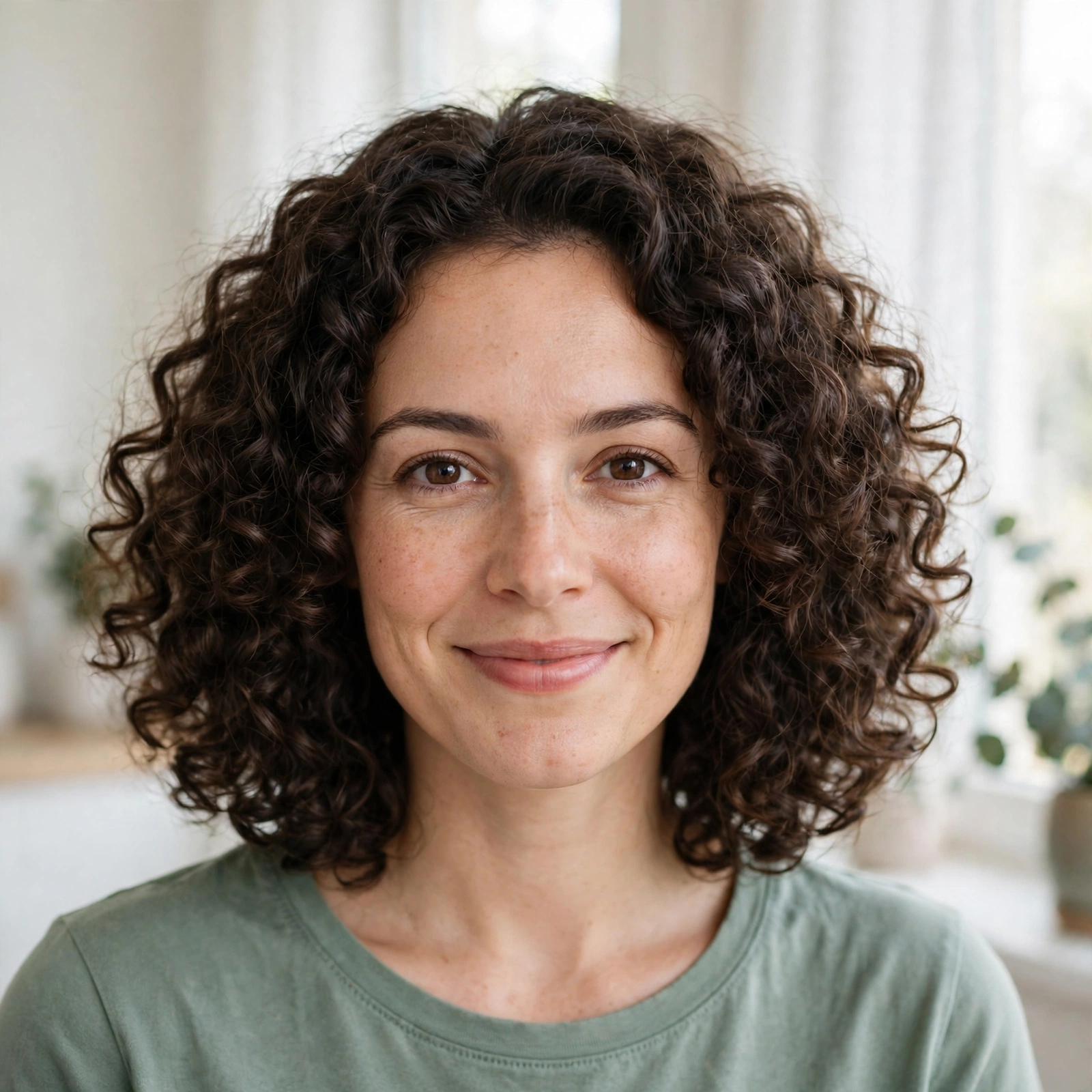
Medium length gives curls room to form their natural pattern without the weight that pulls them flat or the shortness that makes them spring too high. The right cut shapes the outline, balances the sides, and lets each curl sit where it belongs. These 25 cuts focus on shape first, so your curls look intentional, flattering, and easy to live with.
1. Rounded Curl-Shaping Layers
Layers are cut to follow the natural curve of the head, creating a soft, rounded outline rather than a flat or triangular shape. This keeps the sides full without making the bottom look heavy. It works especially well for curls that expand outward as they dry.
2. Shoulder-Skimming Spiral Cut
This cut lets spirals fall just to the shoulders, where they can coil freely and show their full pattern. The length is long enough to weigh the top down slightly, so the shape stays balanced. It is a lovely choice if you love visible, springy spirals.
3. Collarbone Curl Cascade
Curls are layered so they fall in a gentle cascade to the collarbone, with shorter pieces near the face and longer pieces behind. The result is movement without a harsh step between lengths. It suits looser curl patterns that need a little guidance to hold a shape.
4. Defined Coil Lob
A lob length gives coils a clear, compact shape that frames the face and neck beautifully. The ends are cut to encourage each coil to close neatly rather than frizz outward. This cut looks polished while still celebrating natural texture.
5. Soft Curl Framing Layers
Shorter layers around the face open up the features and stop curls from hiding the eyes and cheekbones. The back stays longer, so the overall shape remains medium rather than short. It is a gentle way to add structure without losing fullness.
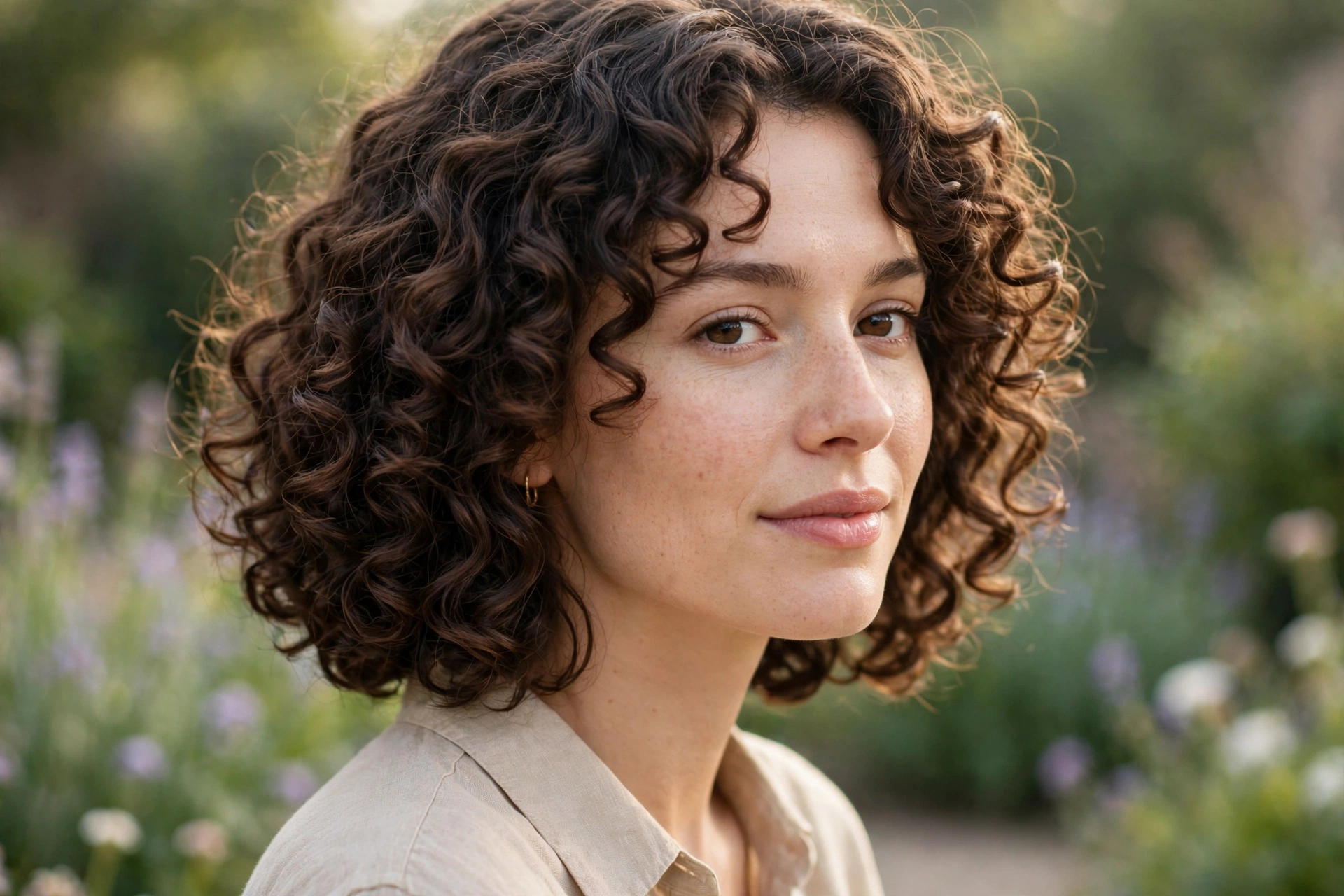
6. Bouncy Curl Shag at Medium Length
Choppy, well-placed layers through the mid-lengths give curls a playful, piecey outline. The shape is fuller through the middle and softer at the ends, which suits curls with lots of natural spring. Finger-styling keeps the shaggy texture looking deliberate rather than messy.
7. Tapered Curl Outline
The outline is tapered gradually from the crown to the ends, so the silhouette narrows softly instead of ending in a blunt block. This is helpful for very dense curls that can look boxy at medium length. The taper gives a lighter, more sculpted finish.
8. Long-Layered Curl Sculpt
Long layers are placed through the interior of the hair to shape the curl pattern without shortening the overall length. Each layer supports the one above it, so curls stack into a pleasing, even shape. It is ideal if you want shape but are not ready to lose length.
9. Face-Opening Curl Layers
Layers are concentrated at the front to lift curls away from the face and reveal the features. The sides and back keep their length, so the cut still reads as medium all around. This shape is flattering when curls tend to fall forward over the forehead.
10. Wispy Curl Ends
The ends are lightly textured so curls finish in soft, wispy points instead of a thick, squared-off edge. This softens the whole outline and helps curls move more freely. It works best on medium-density curls that do not need extra thinning.
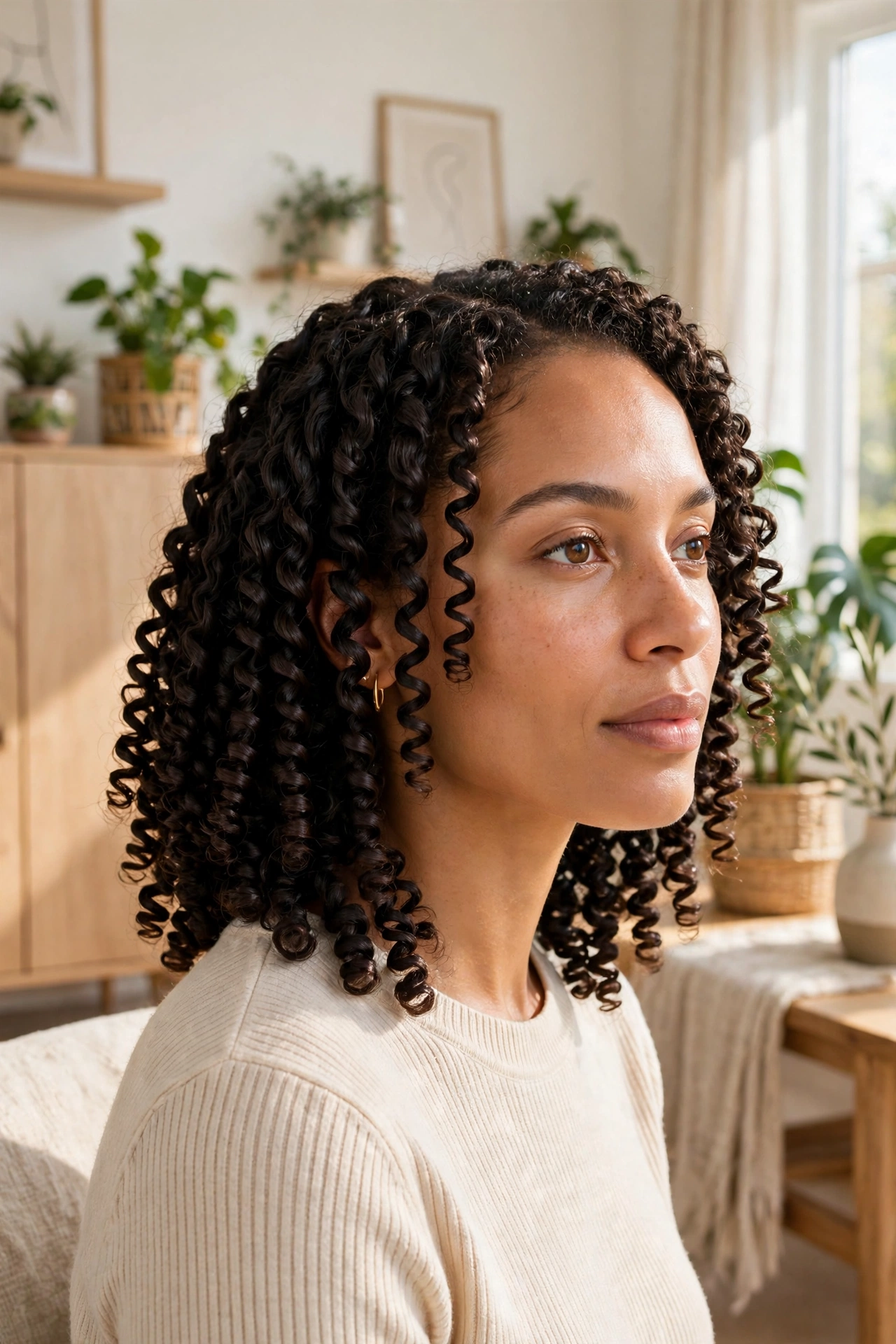
11. Curly Cut With a Curved Hemline
The hemline curves gently, sitting slightly longer at the back and shorter toward the front. This curve follows the natural fall of curls and prevents the back from looking flat. It gives a graceful shape from every angle, including the side profile.
12. Balanced Two-Tier Curls
Two soft tiers are created, with a shorter upper layer shaping the crown area and a longer lower layer providing length. The tiers blend rather than sitting as obvious steps, so the shape looks smooth. This balance stops the top from looking flat while the ends stay full.
13. Springy Mid-Length Ringlets
This cut is shaped specifically for ringlets, with layers that let each ringlet spring to its natural length. The outline stays even because the ringlets are cut dry or with shrinkage in mind. It is a joyful, bouncy shape that needs very little styling.
14. Curl-Defining Invisible Layers
Layers are hidden inside the hair so the surface looks smooth and continuous while the shape underneath is well supported. Curls clump more cleanly because the interior layers remove just enough bulk. From the outside, the cut looks simple, but the shape holds beautifully.
15. Side-Swept Curl Shape
Curls are shaped to fall to one side, creating an asymmetric outline that feels soft and romantic. The longer side frames the face while the shorter side keeps the shape from feeling heavy. It is a good option if you like a little drama without a dramatic cut.
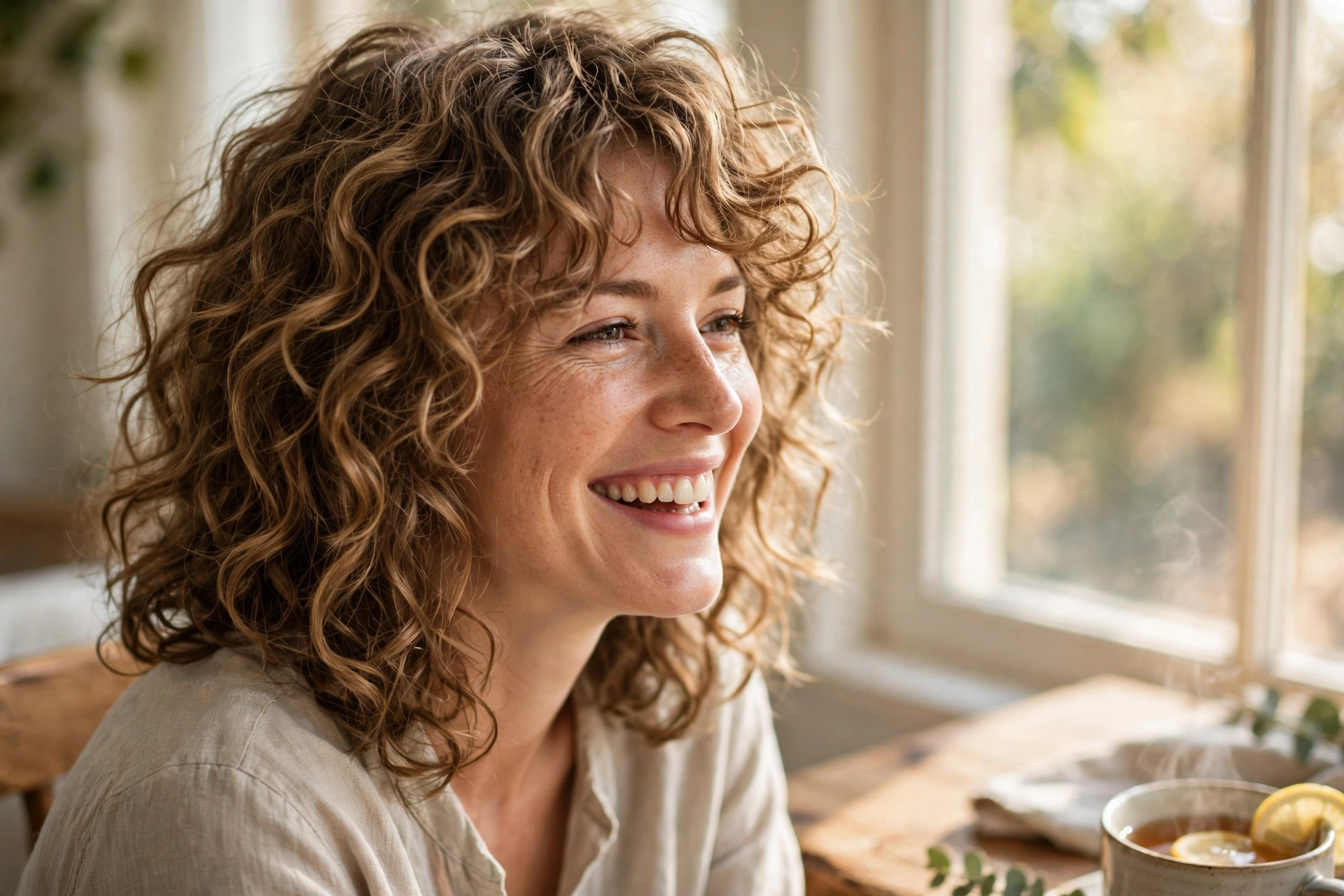
16. Rounded Top Curl Shape
The top section is shaped into a gentle dome so curls at the crown sit neatly instead of sticking out at odd angles. The lower lengths stay free and full, giving a balanced silhouette. This shape is especially helpful for curls that grow upward at the roots.
17. Loose Wave-to-Curl Blend
For hair that is wavy at the top and curly at the ends, layers blend the two textures into one smooth shape. The transition zone is softened so there is no sudden change from wave to curl. The result is a cohesive medium cut that honours mixed texture.
18. Chin-to-Shoulder Curl Graduation
Length graduates softly from chin-length pieces at the front to shoulder-length pieces at the back. This graduation frames the face while keeping the overall length in the medium range. It gives a shaped, intentional look that grows out gracefully.
19. Arched Curl Hemline
The ends are cut into a gentle arch, higher at the sides and lower at the centre back. This arch shape stops curls from forming a heavy, straight-across bottom edge. It is a subtle detail that makes the whole cut look more sculpted.
20. Piecey Curl Separation Cut
Layers are cut to encourage curls to separate into distinct, touchable pieces rather than one solid mass. The outline stays full, but the individual curls are easier to see. A light defining cream helps the pieces hold their separation.
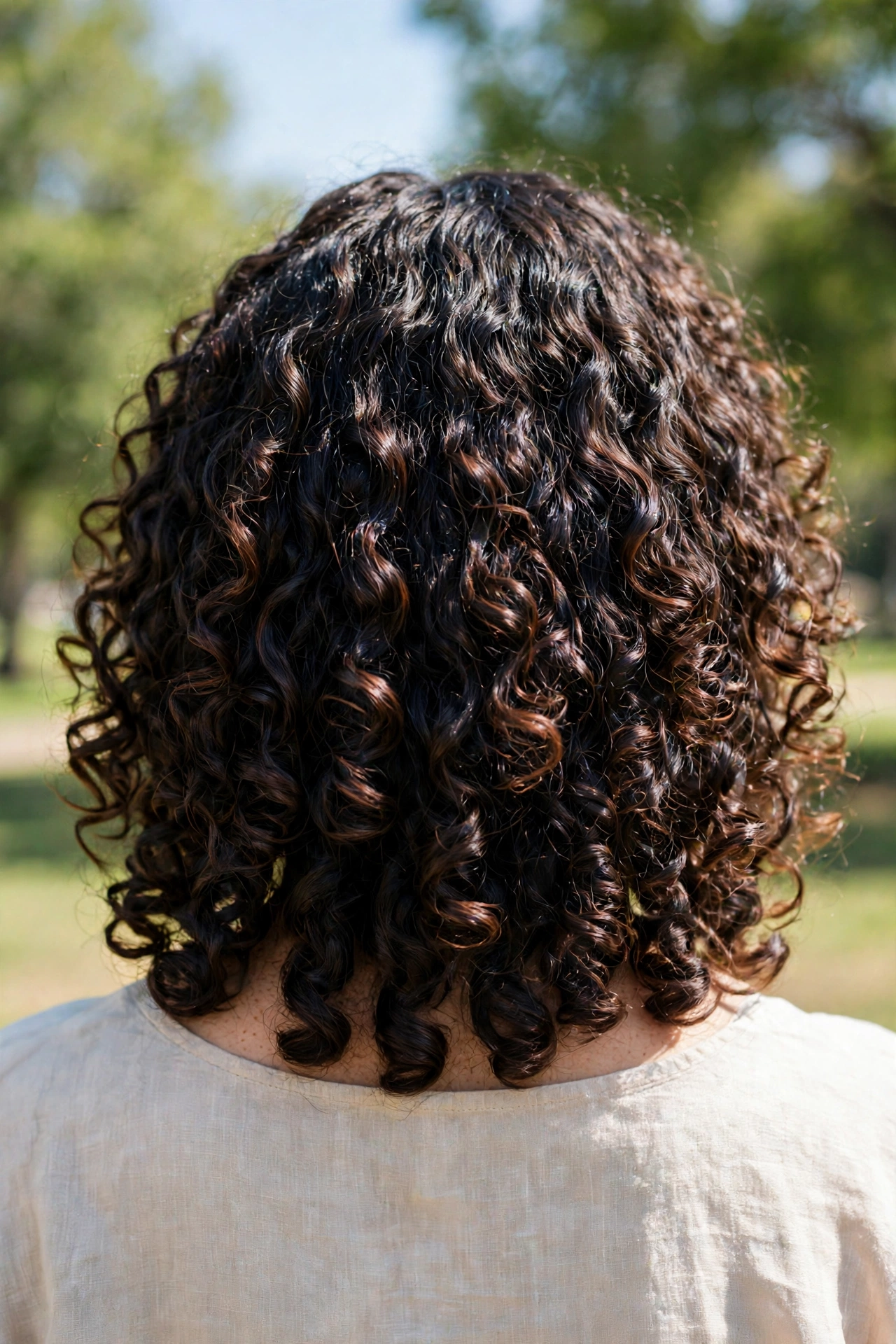
21. Clean Curl Baseline
A clean, even baseline gives curls a tidy foundation while interior layers provide the shape above it. The ends look healthy and intentional rather than straggly. This is a great starting point if you prefer a neat outline with natural texture on top.
22. Textured Curl Ends for Movement
The ends are textured just enough to let curls move and bounce independently. This movement keeps the shape from looking stiff or helmet-like. It suits curls that tend to clump into one heavy section.
23. Medium Curl Cut With a Soft Front Fringe
A soft, curly fringe is blended into the front layers so it becomes part of the overall shape. The fringe curls gently across the forehead instead of sitting as a separate block. It adds personality while keeping the medium length intact.
24. Sculpted Curl Bob-to-Lob Transition
This cut sits between a bob and a lob, giving curls a sculpted shape that is longer than a bob but shorter than a full medium cut. The outline is rounded and neat, with layers that support the curl pattern. It is perfect if you are growing out a shorter cut but want shape now.
25. Air-Dried Curl Shape Cut
Designed for air-drying, this cut is shaped so curls fall into place with minimal styling. Layers are placed to support the natural drying pattern, so the outline looks good straight from wash day. It is the lowest-effort way to get a consistently good curl shape.
Styling Tips
- Cut or trim curly hair when it is dry, or allow extra length for shrinkage, so the shape lands where you expect it.
- Apply curl cream or a light gel to soaking wet hair, then scrunch upward to encourage curl formation.
- Avoid brushing dry curls, as this breaks up clumps and blurs the shape the cut created.
- Diffuse on low heat and low speed, or air-dry, to protect the curl pattern while it sets.
- Refresh between washes with a light mist of water and a small amount of leave-in conditioner.
- Sleep on a satin pillowcase or with a satin scarf to help the shape hold overnight.
- Ask your stylist to show you how the layers fall when your hair is fully dry, not just when it is wet.
Frequently Asked Questions
Will a shaped cut make my curls look smaller?
No, a well-shaped cut usually makes curls look more defined and intentional, not smaller. By removing bulk in the right places and supporting the outline, the cut lets each curl form fully. The overall silhouette may be neater, but the curls themselves should spring more freely.
Should curly hair be cut wet or dry?
Dry cutting is often preferred for curls because it shows exactly how each curl will fall and how much it shrinks. Wet cutting can work well too if your stylist is experienced with curls and leaves extra length. Either way, ask how shrinkage has been accounted for before the cut begins.
How often should I trim a medium curly cut to keep its shape?
Most medium curly cuts hold their shape for about eight to twelve weeks. If your curls grow quickly or the outline starts to look boxy, a light shaping trim sooner can help. Small, regular trims maintain the shape better than waiting for a big cut.
Can I get a shaped curly cut if my curl pattern is uneven?
Yes, a good curly cut is designed around uneven patterns, with layers adjusted section by section. Your stylist can shape tighter sections slightly differently from looser ones so the overall outline looks even. This is one reason curly cuts take a little more time and attention.
Do I need special products to keep the shape?
You do not need a large collection, but a moisturising leave-in and a light defining cream or gel make a real difference. The cut provides the shape, while products help curls clump and hold it. Avoid heavy products that weigh curls down and flatten the outline.