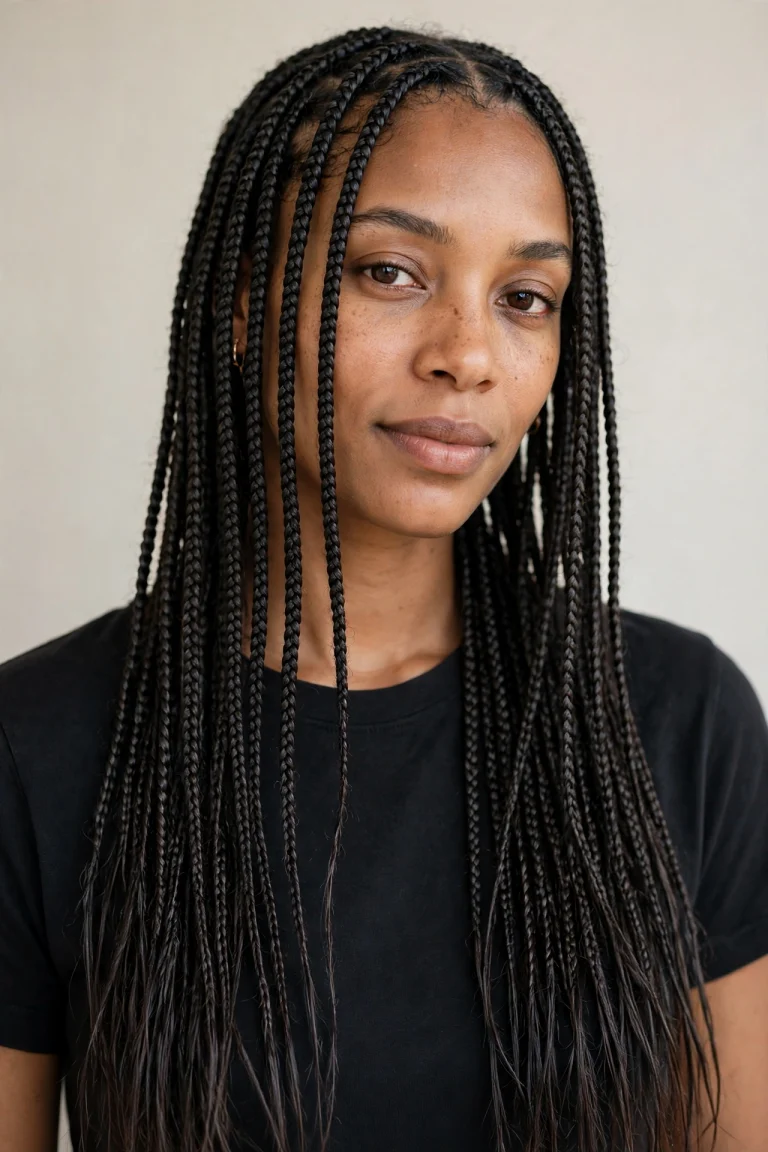
22 Box Braids Ideas for a Low-Tension Install

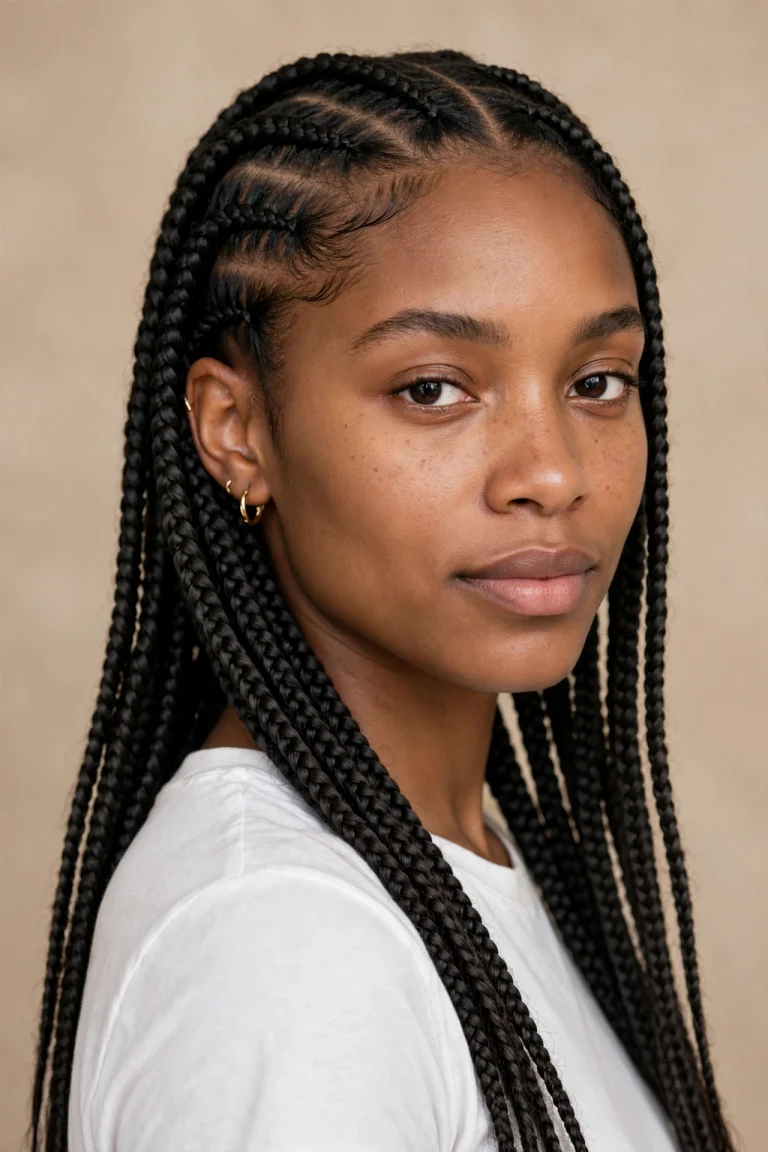
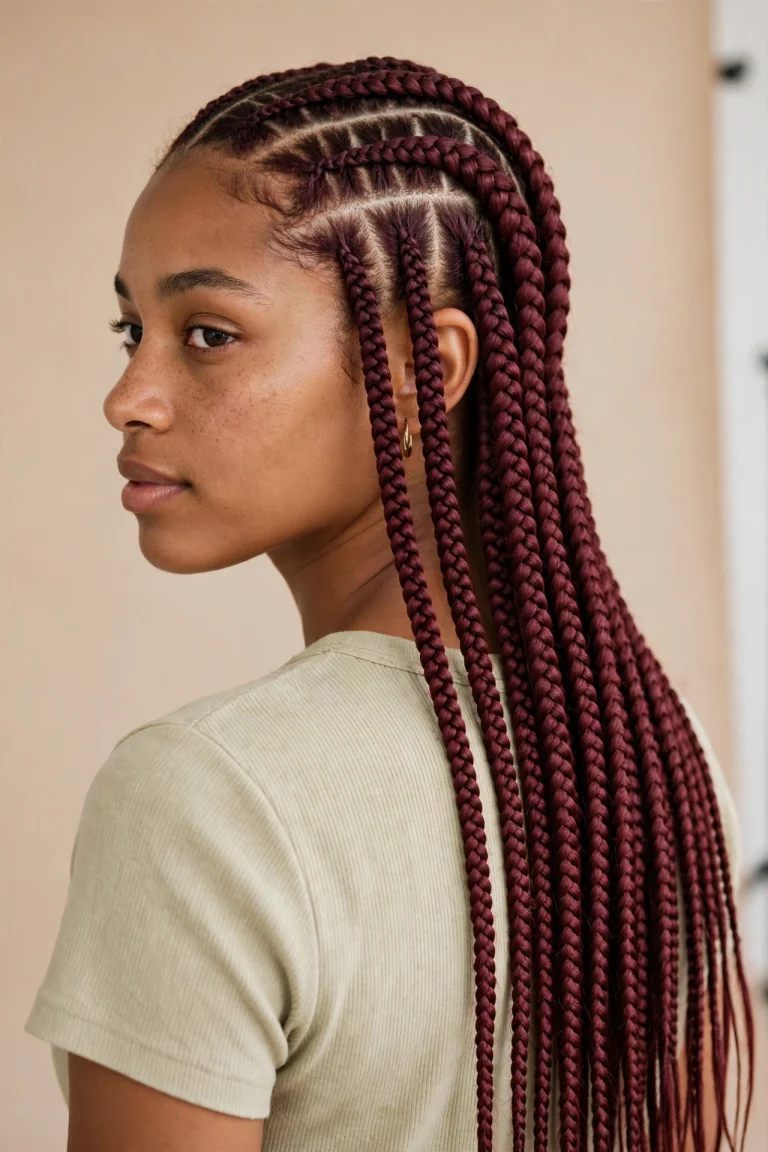
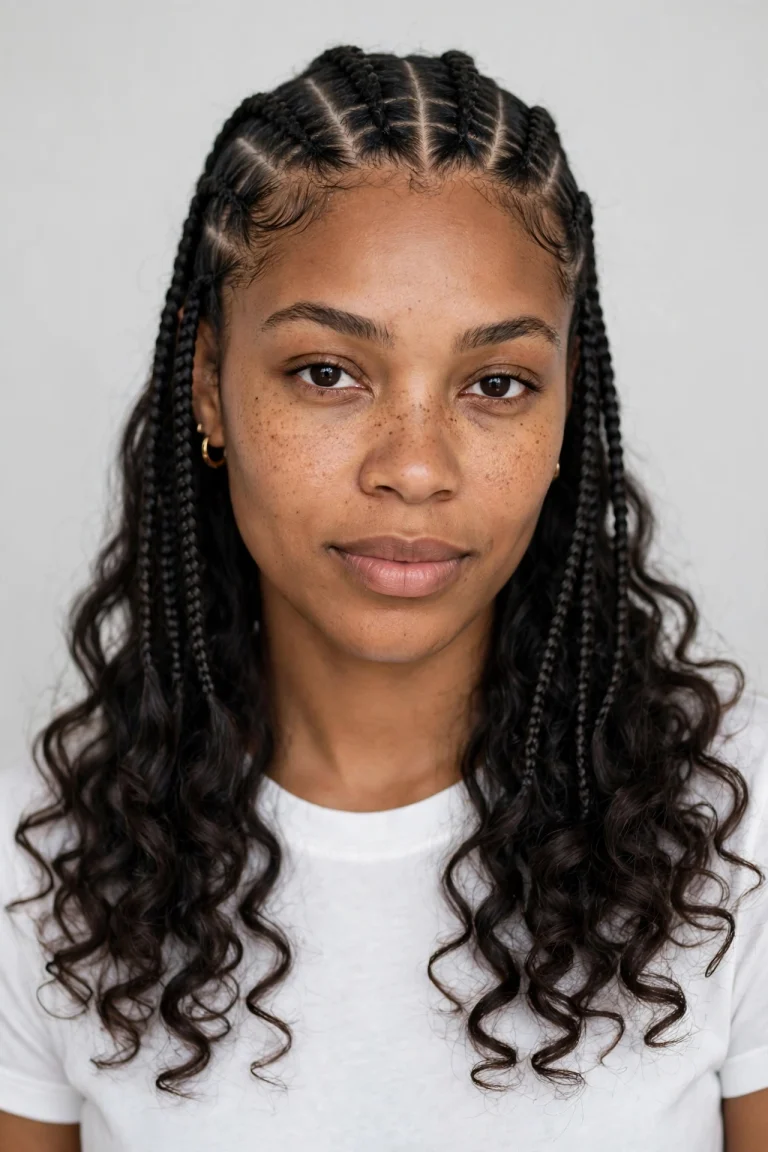
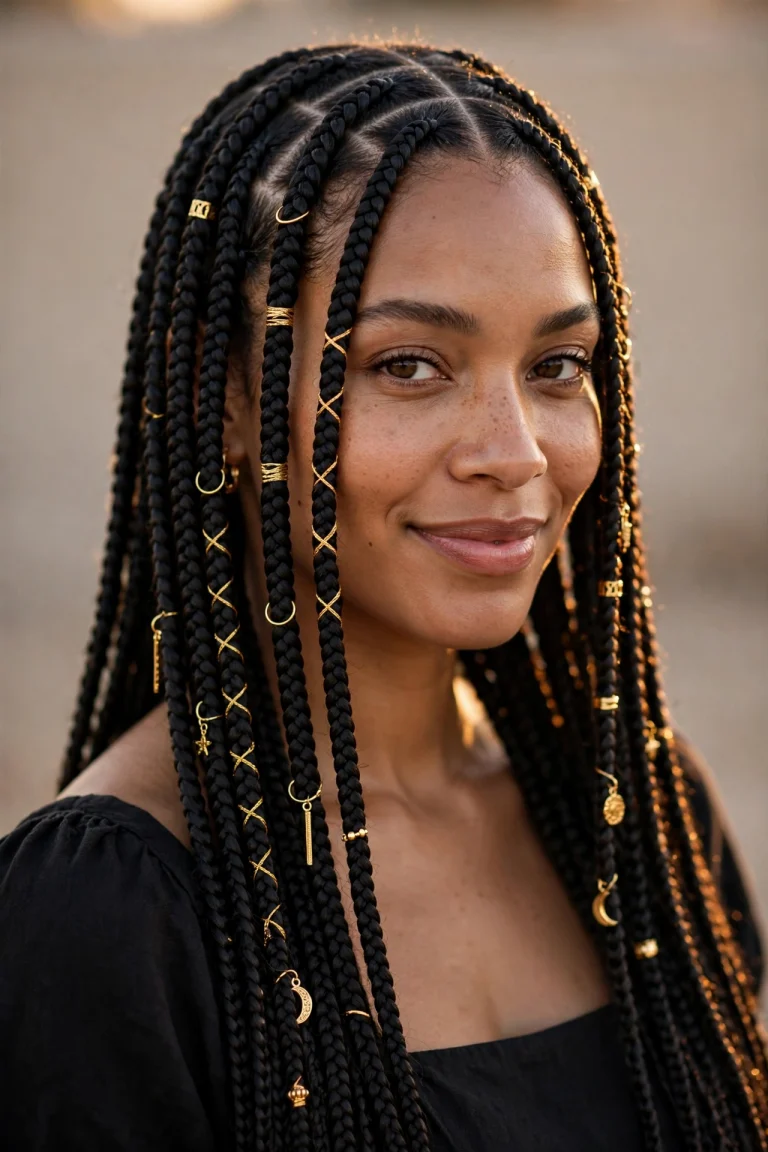
A low-tension box braid install proves that protective styling should never hurt. When braids are installed with a gentle hand, clean parts, and sensible sizing, you get all the beauty of box braids without soreness, bumps, or stressed edges. These ideas focus on comfort-first choices that still look neat, full, and stylish for weeks.
1. Gentle Medium Box Braids with a Relaxed Grip
Medium-sized braids installed with a relaxed grip at the root feel comfortable from the very first hour. The medium size balances fullness with manageable weight. This is the safest, most comfortable starting point for a low-tension set.
2. Low-Tension Box Braids with Wide, Clean Parts
Wider parts mean fewer braids pulling on the scalp, which immediately lowers overall tension. The clean part lines still keep the style looking tidy and intentional. This approach is ideal for anyone who finds dense braiding uncomfortable.
3. Soft-Root Box Braids Installed Without Pulling
The braider starts each braid by gently gathering the hair, rather than pulling it taut before braiding begins. The soft start prevents that tight, headache-inducing feeling. The roots still look neat because the braiding itself is even and controlled.
4. Low-Tension Box Braids with a Loose Hairline Row
The front row is braided noticeably looser than the rest, protecting the delicate hairline. The looser front still looks polished when the parts are straight. This is one of the most important low-tension choices for edge health.
5. Lightweight Extension Box Braids
Using lighter, less bulky extension hair reduces the weight each root must carry. The braids look full without feeling heavy on the scalp or neck. Ask your braider about lightweight fibre options for a comfort-first install.
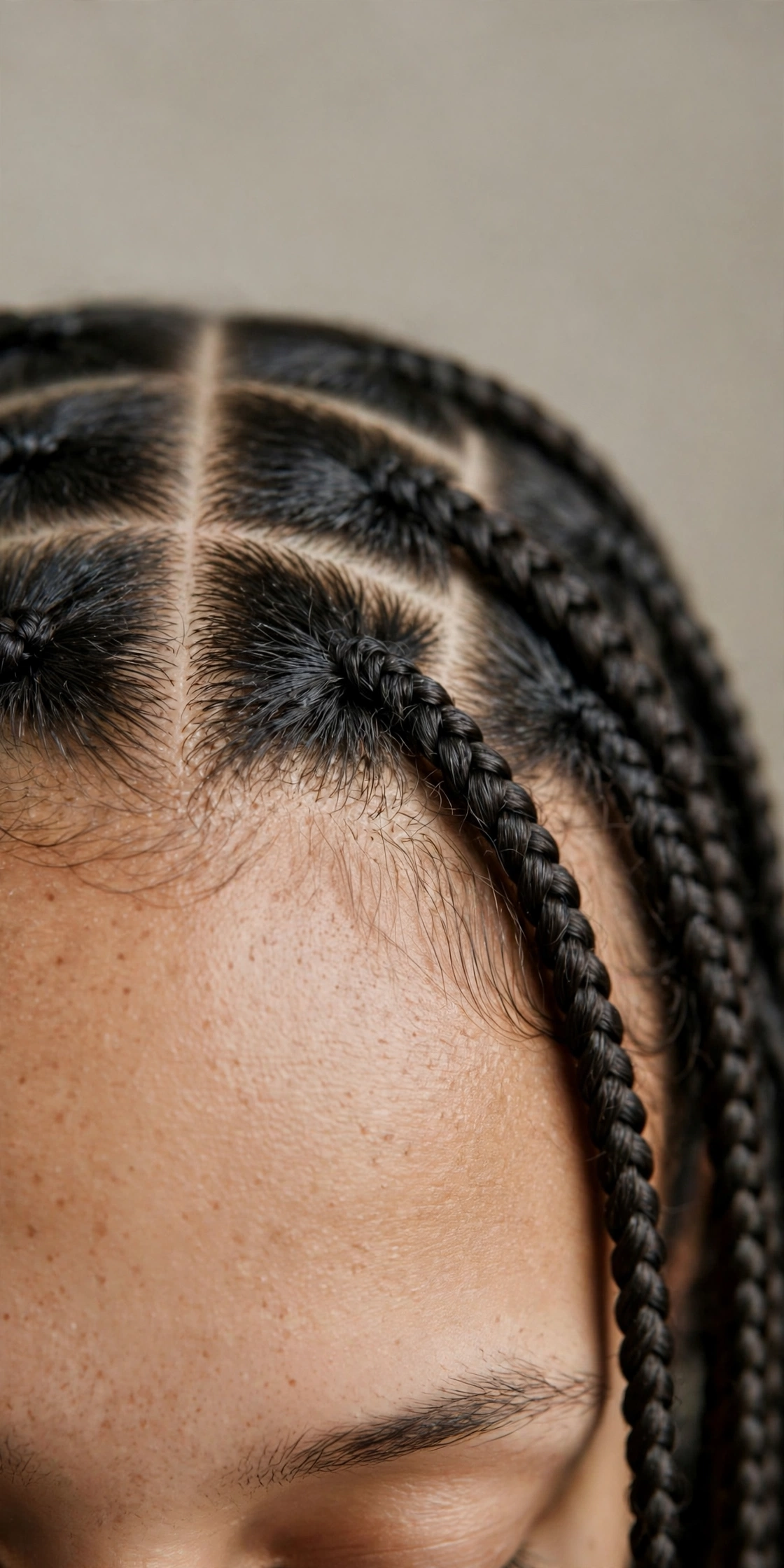
6. Low-Tension Box Braids at Mid-Back Length
Choosing mid-back rather than waist-length braids cuts weight significantly, which lowers tension at the roots. The length is still versatile and flattering for most occasions. It is a practical, comfortable length for everyday wear.
7. Low-Tension Box Braids with a Centre Part Rest
A centre part distributes weight evenly to both sides, so no area of the scalp carries an unfair share. The balanced fall also looks classic and neat. Resting the weight symmetrically is a simple comfort win.
8. Low-Tension Box Braids with Loose Crown Sections
Crown sections, where soreness is most common, are braided with extra gentleness. The rest of the head can be braided normally, so the style does not look uneven. Targeting the tender crown makes a big difference to overall comfort.
9. Low-Tension Box Braids with a Scalp-Friendly Braiding Speed
A slower, unhurried install allows the braider to check tension on each braid as they go. Rushing often leads to tighter, less consistent braiding. Booking a longer appointment for a slower install is worth it for comfort.
10. Low-Tension Box Braids with Minimal Gel at the Roots
Heavy gel can stiffen roots and add to a tight feeling, so a low-tension install uses only a light touch of product. The roots stay soft and flexible instead of rigid. This also makes the scalp easier to moisturise later.

11. Low-Tension Box Braids Worn Loose for Week One
Wearing braids loose, rather than pulled into high styles, during the first week lets the scalp settle. The loose fall avoids adding extra pulling to fresh roots. After a week, gathered styles feel much more comfortable.
12. Low-Tension Box Braids with a Side Part Balance
A side part can balance weight if the heavier side is kept slightly looser at the roots. The side sweep looks elegant while the scalp stays calm. Check in the mirror that neither side feels tighter than the other.
13. Low-Tension Box Braids with Chunkier Sections
Chunkier sections reduce the total number of braids and therefore the total pulling points on the scalp. The bold, chunky braids look confident and modern. This is a faster, more comfortable install for many wearers.
14. Low-Tension Box Braids with a Pre-Wash and Detangle
Hair that is freshly washed, conditioned, and gently detangled before braiding is easier to section without pulling. The smooth starting point means the braider does not need to tug to separate strands. Preparation is a hidden key to low tension.
15. Low-Tension Box Braids with a Break Schedule
Planning regular breaks during a long install prevents the scalp from becoming sore from hours of continuous handling. A short pause, a drink, and a gentle scalp stretch help enormously. Do not be shy about asking for breaks.
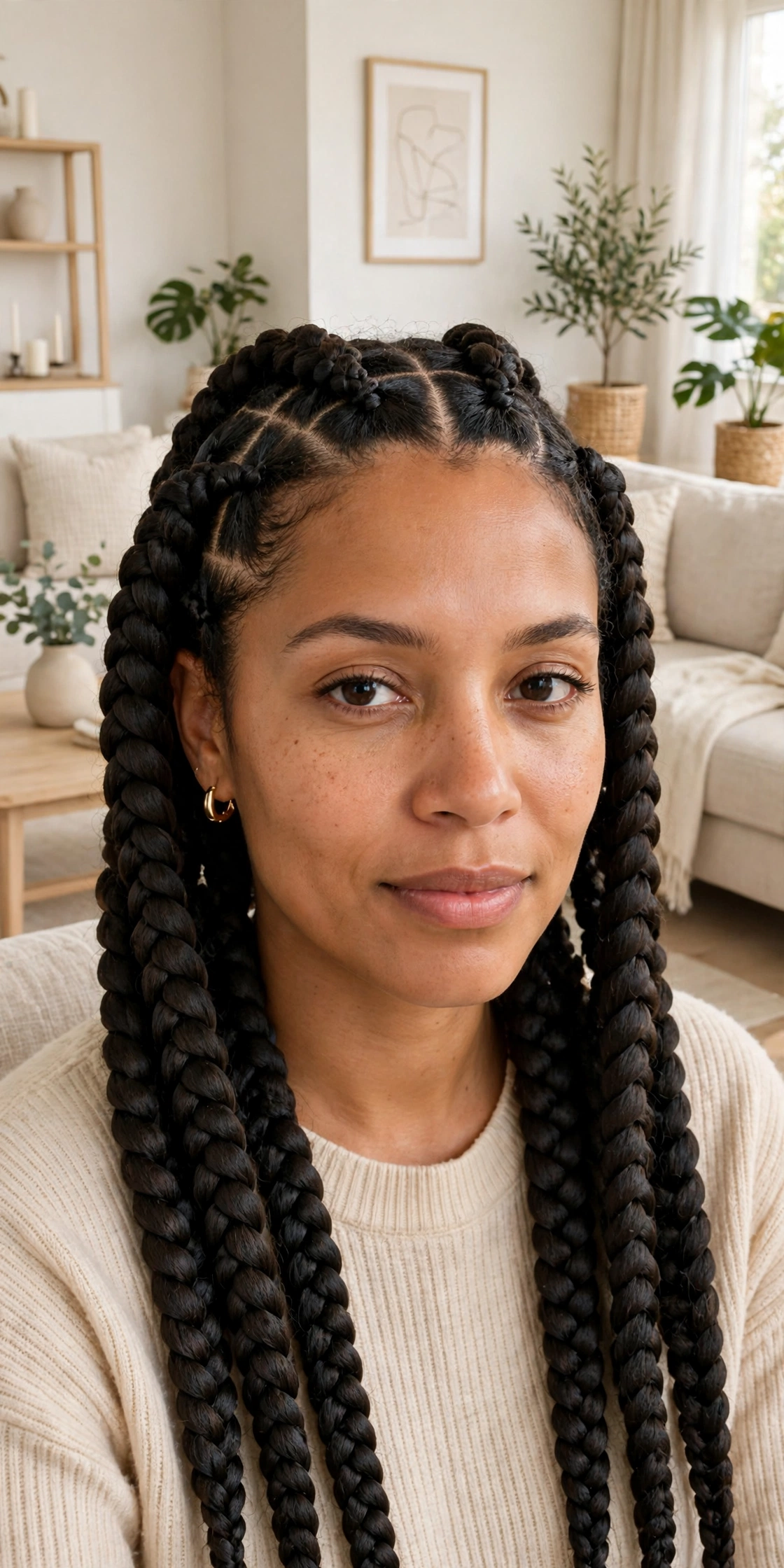
16. Low-Tension Box Braids with a Loose Nape Row
The nape row, often braided tightly because it is harder to reach, is given special attention for a looser finish. A comfortable nape makes wearing braids up or down far more pleasant. It also prevents the itchy, tight feeling at the back of the neck.
17. Low-Tension Box Braids with a Soft Temple Finish
Temple braids are kept gentle, as tight temples can trigger headaches. The soft temple finish still frames the face neatly. This detail matters most for people prone to tension headaches.
18. Low-Tension Box Braids with a Two-Week Check-In
After two weeks, a quick check-in with your braider can catch any braids that have tightened or loosened unevenly. Early adjustment prevents prolonged discomfort. It is a small habit that protects both comfort and hair health.
19. Low-Tension Box Braids with a Satin-Lined Start
Sleeping in satin from night one prevents friction from tightening or frizzing fresh, low-tension roots. The satin keeps the gentle install looking neat for longer. A bonnet or scarf is essential, not optional, for this style.
20. Low-Tension Box Braids with a Gentle Take-Down Plan
A low-tension story does not end at installation, as a gentle take-down with conditioner and patience prevents breakage. Cutting extension ends carefully and unravelling slowly protects natural hair. Plan take-down time just as carefully as install time.
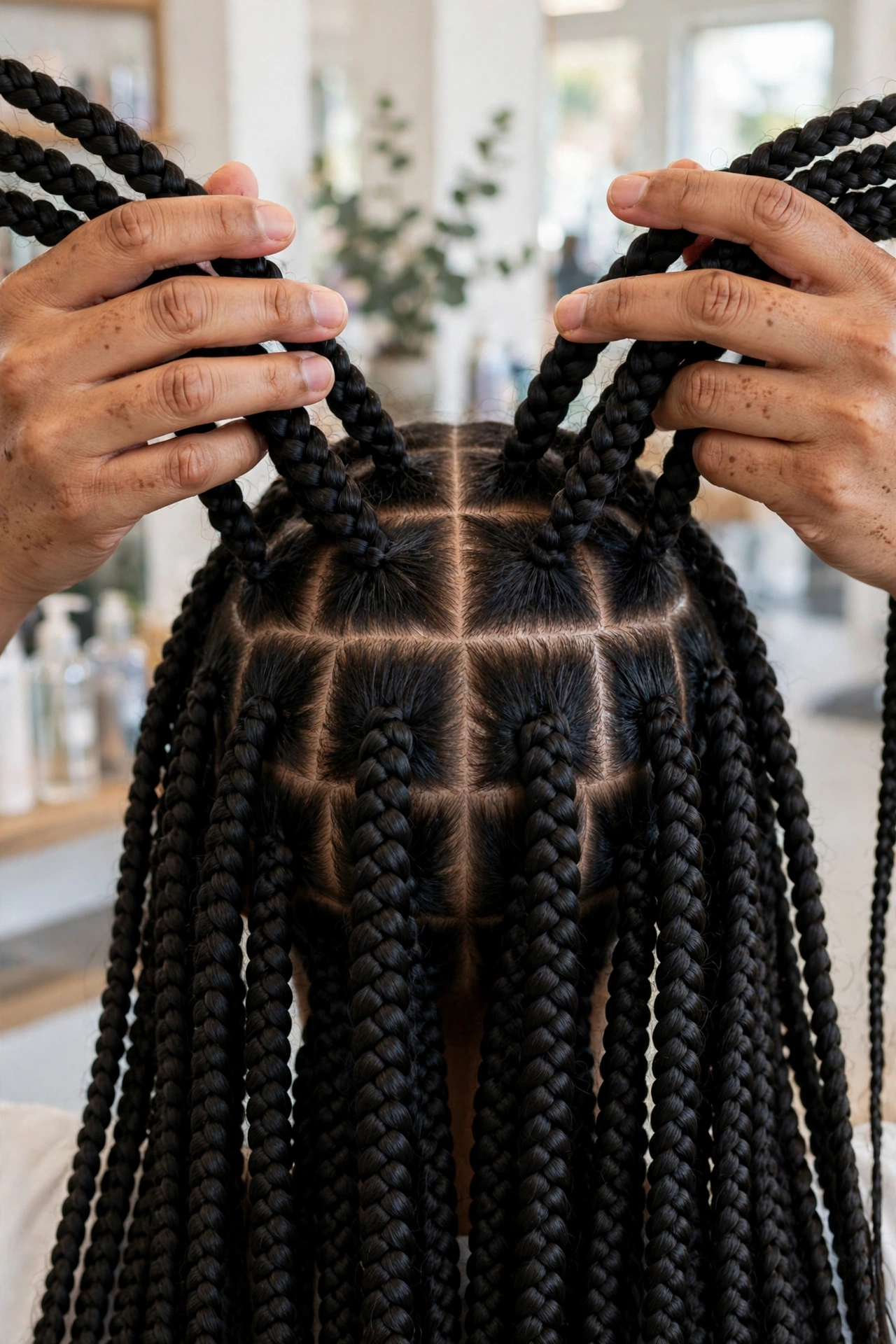
21. Low-Tension Box Braids for Children and Teens
Younger wearers benefit most from low-tension installs, with medium sections and a loose hairline. The comfortable finish means children actually enjoy wearing braids. Always prioritise comfort over neatness for younger heads.
22. Low-Tension Box Braids with a Comfort-First Consultation
Before braiding begins, a short consultation covers scalp sensitivity, past soreness, and preferred tightness. The braider can then tailor section size and grip to your needs. This conversation is the foundation of every truly low-tension install.
Styling Tips
- Tell your braider clearly that you want a low-tension install, and agree on a signal for when a braid feels too tight.
- Ask for the hairline, temples, crown, and nape to be braided looser than the rest.
- Choose medium or chunkier sections and a mid-back length to reduce weight and pulling points.
- Avoid high, tight styles in the first week, and wear braids loose while the scalp settles.
- Moisturise your scalp lightly and regularly, without disturbing the roots.
- Sleep in a satin bonnet or scarf every night to protect the gentle install.
- Take braids down promptly if soreness, bumps, or redness appear and do not improve.
- Rest your hair for at least two weeks between installs to let the scalp fully recover.
Frequently Asked Questions
How do I know if my box braids are too tight? If braids hurt, throb, or make it hard to move your eyebrows or smile, they are too tight. Bumps, redness, or small pimples along the hairline are also warning signs. A comfortable install may feel snug at first, but it should never be painful.
Can a braider redo braids that are too tight? Yes, a good braider will happily redo any braids that feel too tight, especially around the hairline. Speak up during the appointment rather than enduring discomfort for weeks. It is far better to fix a few braids early than to risk edge damage.
Do low-tension braids last as long as tight braids? Low-tension braids may loosen slightly sooner, but they usually still last five to seven weeks with good care. The small trade-off in longevity is well worth protecting your scalp and edges. Satin protection and gentle washing help them last longer.
Are low-tension braids suitable for all hair types? Yes, low-tension braiding suits every hair type, from fine to thick, and is especially important for fine or fragile hair. The braider simply adjusts section size and grip to suit your hair. No hair type needs painful braiding to look neat.
What should I do if my scalp is sore after braiding? Apply a light, soothing oil, avoid tight styles, and do not scratch the sore areas. If soreness lasts more than a few days, or you notice bumps or hair loss, take the braids down and let your scalp recover. See a professional if irritation persists or worsens.