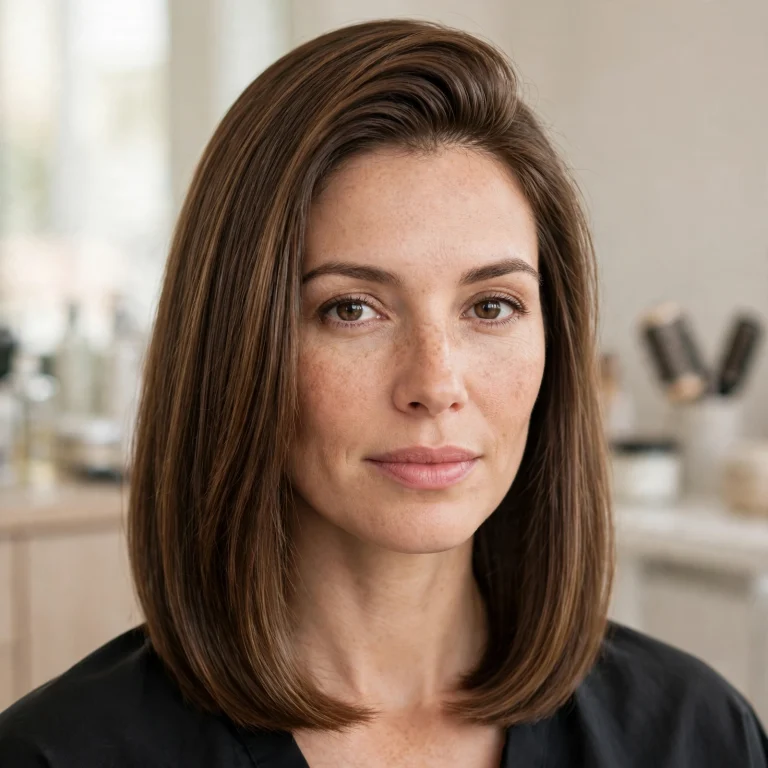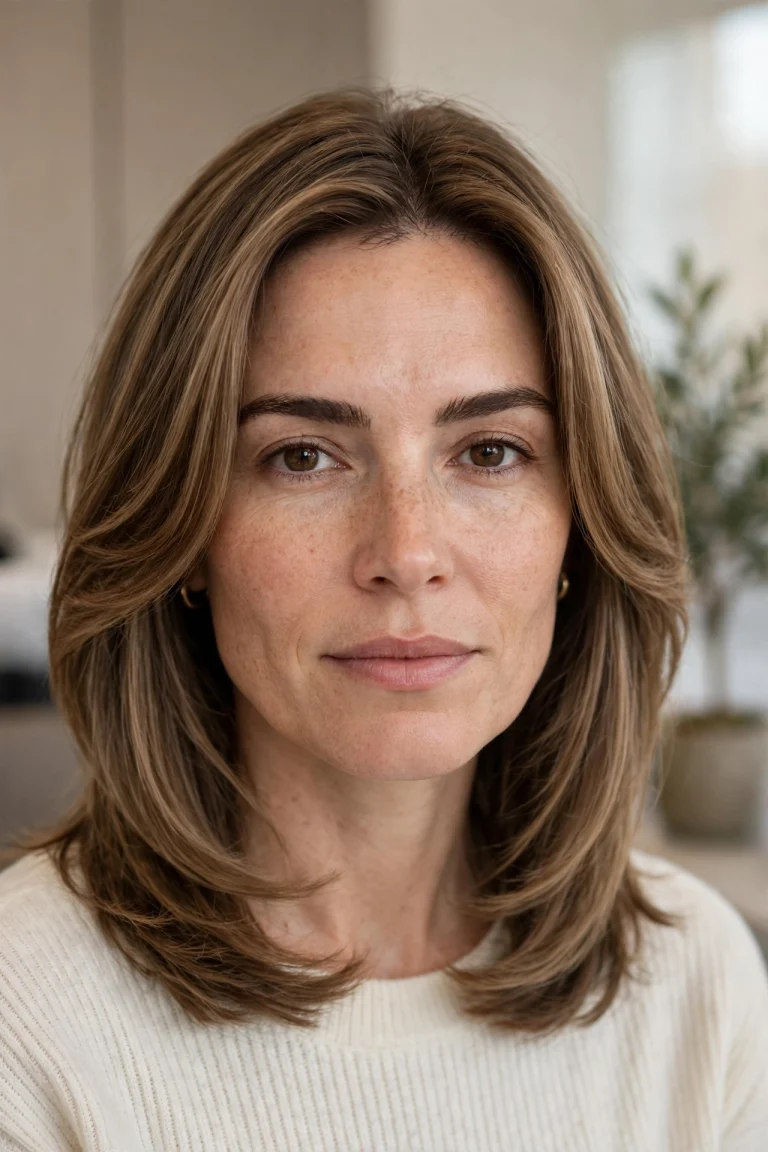
25 Lob Haircuts for Thick Hair With Shape
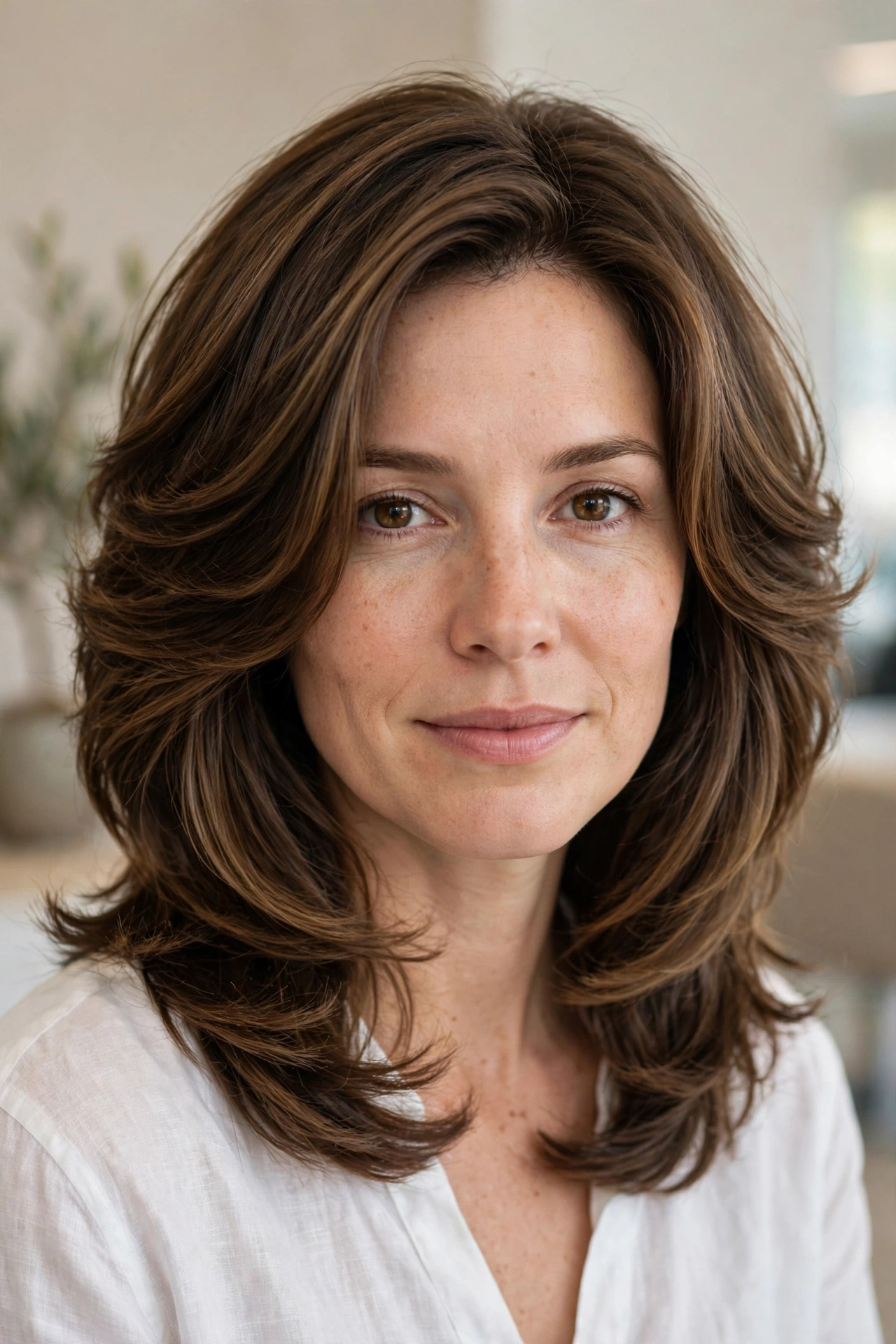
Thick hair has natural volume to spare, so the challenge with a lob is giving it shape rather than letting it grow wide. The right layering, weight removal, and perimeter keep thick hair controlled, sculpted, and full of movement. These lob ideas show how to turn thickness into an advantage with structure that flatters.
1. Internally Layered Lob for Thick Hair
Hidden layers inside the cut remove bulk while the outer lengths stay long and smooth. The interior layering stops thick hair from puffing out and gives the lob a sleek, controlled shape. Blow-dry in sections for the smoothest finish.
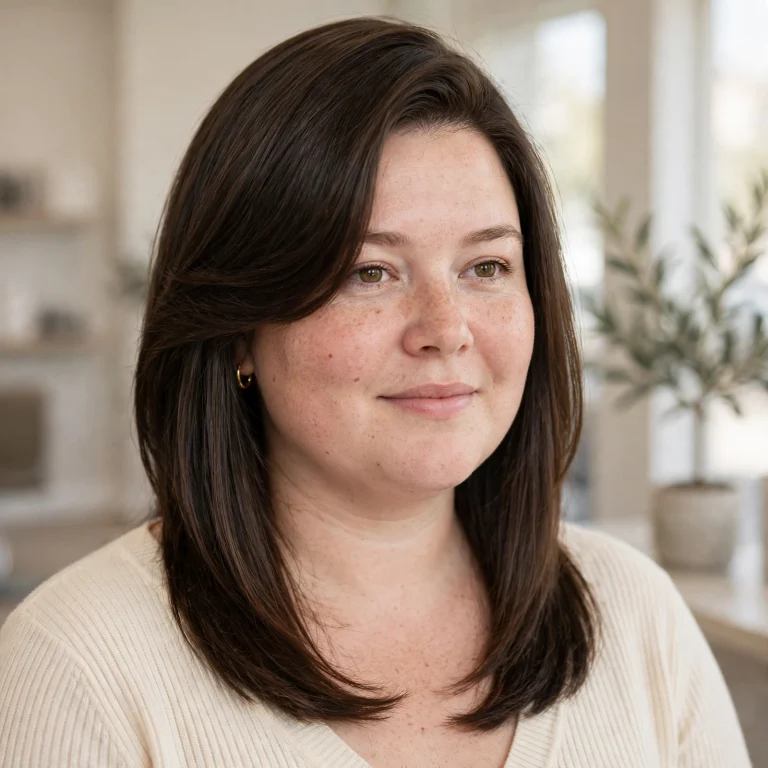
2. Long-Layered Lob for Thick Hair
Long layers starting below the chin break up the weight of thick hair and let it fall in soft, separated sections. The layers add movement without sacrificing length. This is the most versatile shaped lob for thick hair.
3. Lob with Thinned Ends for Thick Hair
The ends are lightly thinned so thick hair tapers gently instead of ending in a heavy, blunt block. Thinned ends make the lob swing more naturally and feel lighter. Keep the thinning subtle so the perimeter still looks healthy.
4. Lob with a Tapered Nape for Thick Hair
The nape is tapered shorter underneath, removing the bulk that makes thick lobs kick outward at the back. The taper stays hidden under the top layers, so the lob still looks full from the front. This detail makes a big difference for very dense hair.
5. Lob with Face-Framing Layers for Thick Hair
Layers around the face break up the density of thick hair exactly where it frames your features. The face-framing pieces add softness and prevent the cut from looking like a solid curtain. Style them with a slight bend for a natural finish.
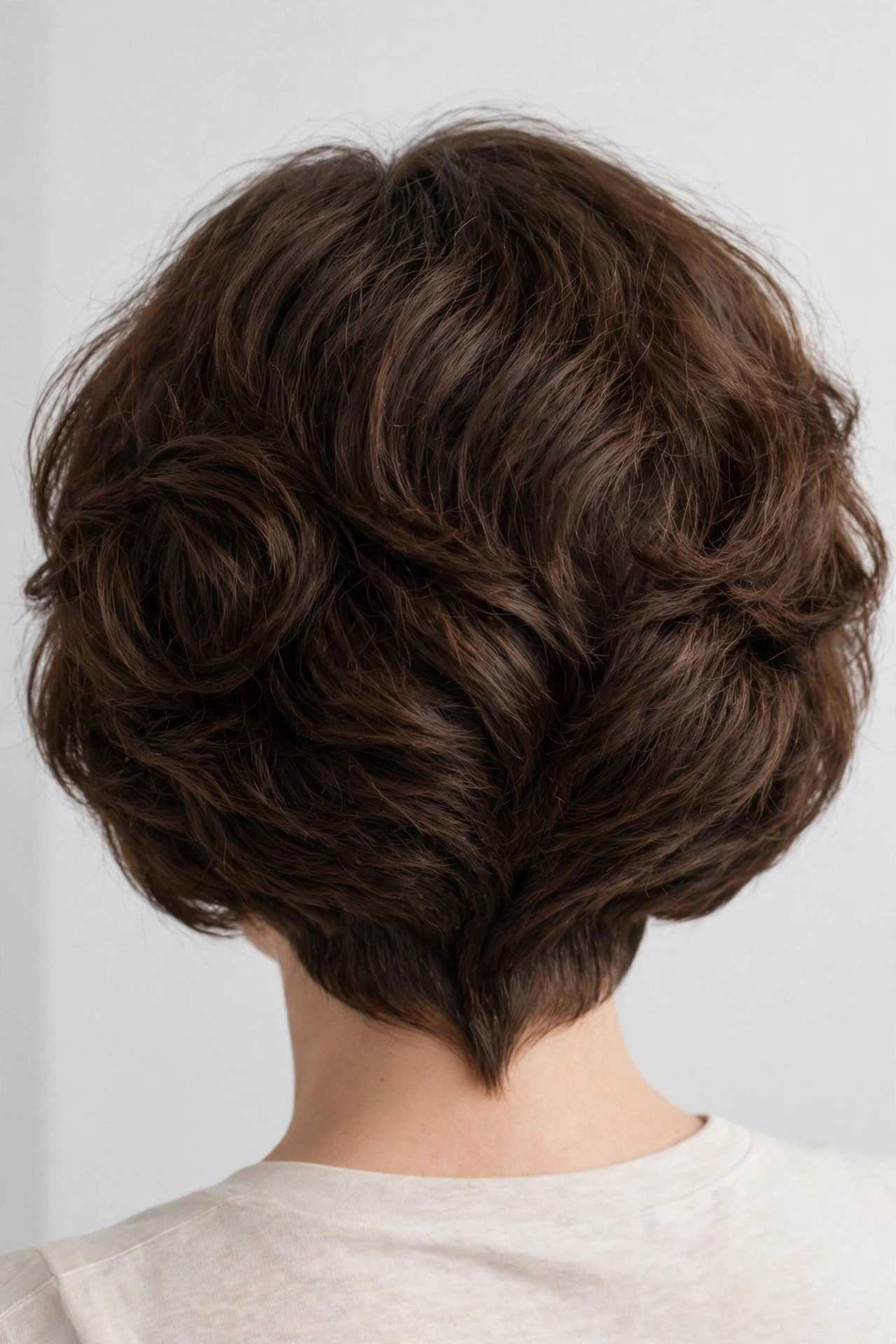
6. Lob with Crown Layers for Thick Hair
Layers at the crown redistribute the weight of thick hair, giving it a rounded, sculpted shape instead of a flat, heavy top. The crown layers create lift and balance. Blow-dry the crown sections upward for a polished silhouette.
7. Lob with a Deep Side Part for Thick Hair
A deep side part shifts the weight of thick hair to one side, creating a dramatic, voluminous sweep. The heavier side looks glamorous and full, while the lighter side stays neat. This parting change alone can reshape a thick lob.
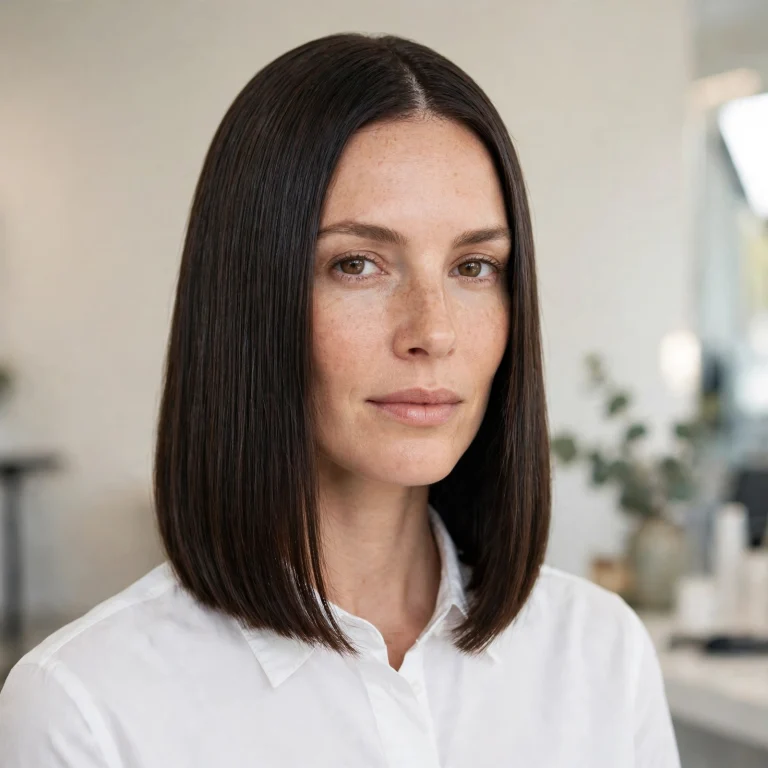
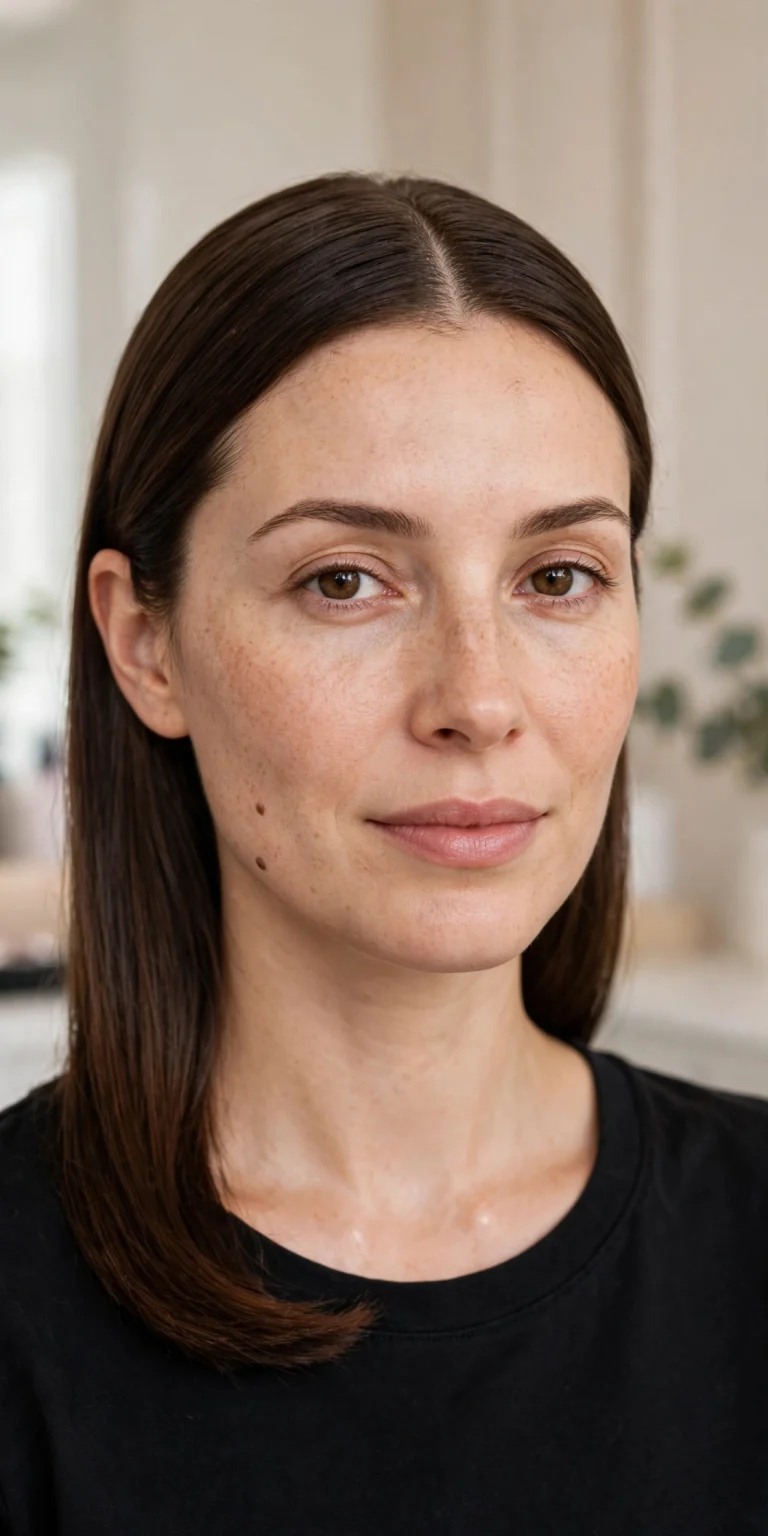
8. Lob with a Center Part for Thick Hair
A middle part gives thick hair a balanced, symmetrical shape that distributes volume evenly on both sides. The even fall keeps the lob from looking lopsided or overly wide. This version suits oval and heart-shaped faces well.
9. Lob with Rounded Ends for Thick Hair
The ends are shaped into a gentle rounded curve that contains thick hair in a neat, sculpted silhouette. The rounded finish stops the lob from flaring outward. A large round brush during blow-drying creates the curve.
10. Lob with Beveled Ends for Thick Hair
A slight inward bevel at the ends encourages thick hair to tuck under rather than flip out. The bevel gives the lob a tidy, salon-finished edge. It is especially helpful for thick hair that naturally kicks outward.

11. Lob with a Stacked Back for Thick Hair
Stacked layers at the back build a rounded, voluminous shape while the front stays long. The stacking organises thick hair into a sculpted silhouette instead of letting it spread wide. This version looks polished and intentional.
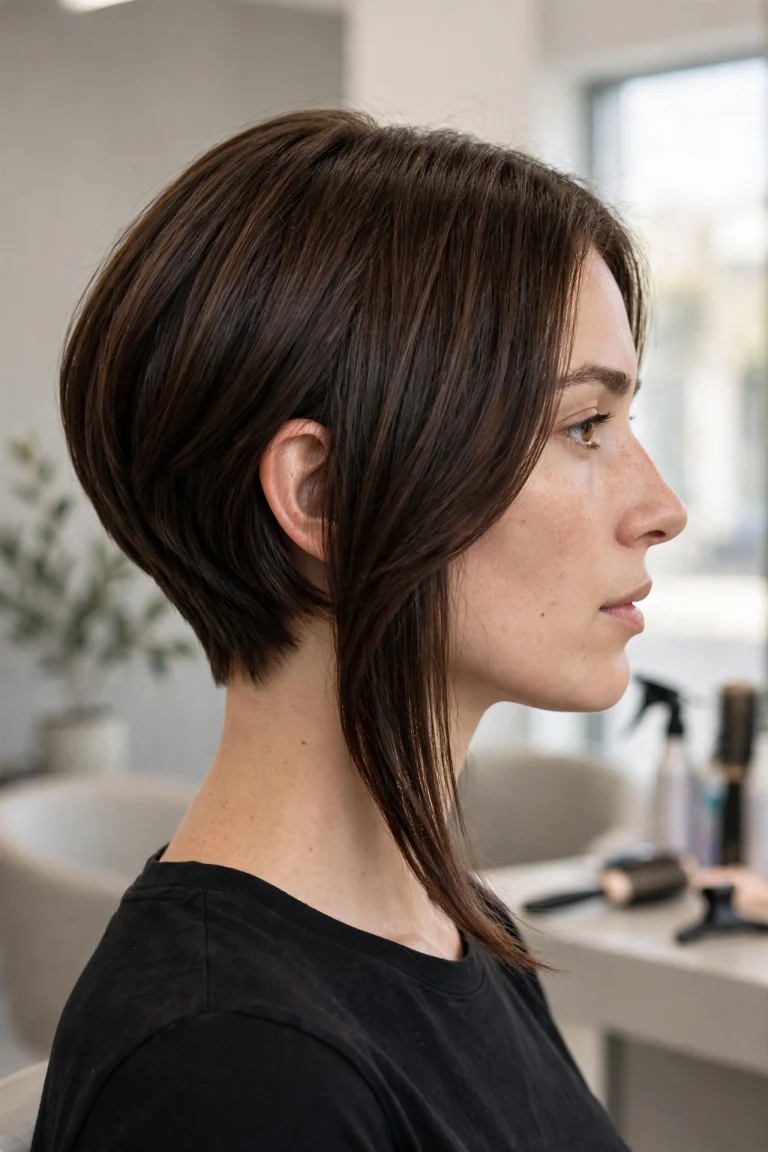
12. Lob with an Angled Shape for Thick Hair
A shorter back and longer front pieces give thick hair a structured, modern frame. The angle removes weight from the back while keeping face-framing length. Style it sleek so the angled shape stays visible.
13. Lob with Textured Layers for Thick Hair
Textured layers throughout break thick hair into lighter, more mobile sections. The texture stops the lob from looking like one solid mass and adds casual movement. A texturising cream defines the layers without stiffness.
14. Lob with Feathered Layers for Thick Hair
Feathered layers soften the edges of thick hair and give the lob a light, airy finish. The feathering removes weight at the perimeter while keeping the overall shape full. Blow-dry sections outward for a feathery effect.
15. Lob with a Side-Swept Fringe for Thick Hair
A long side-swept fringe blends into the thick lob’s layers and adds a diagonal line that breaks up the density. The fringe draws attention to the eyes and softens the front. Style it smooth so it sits neatly against the face.
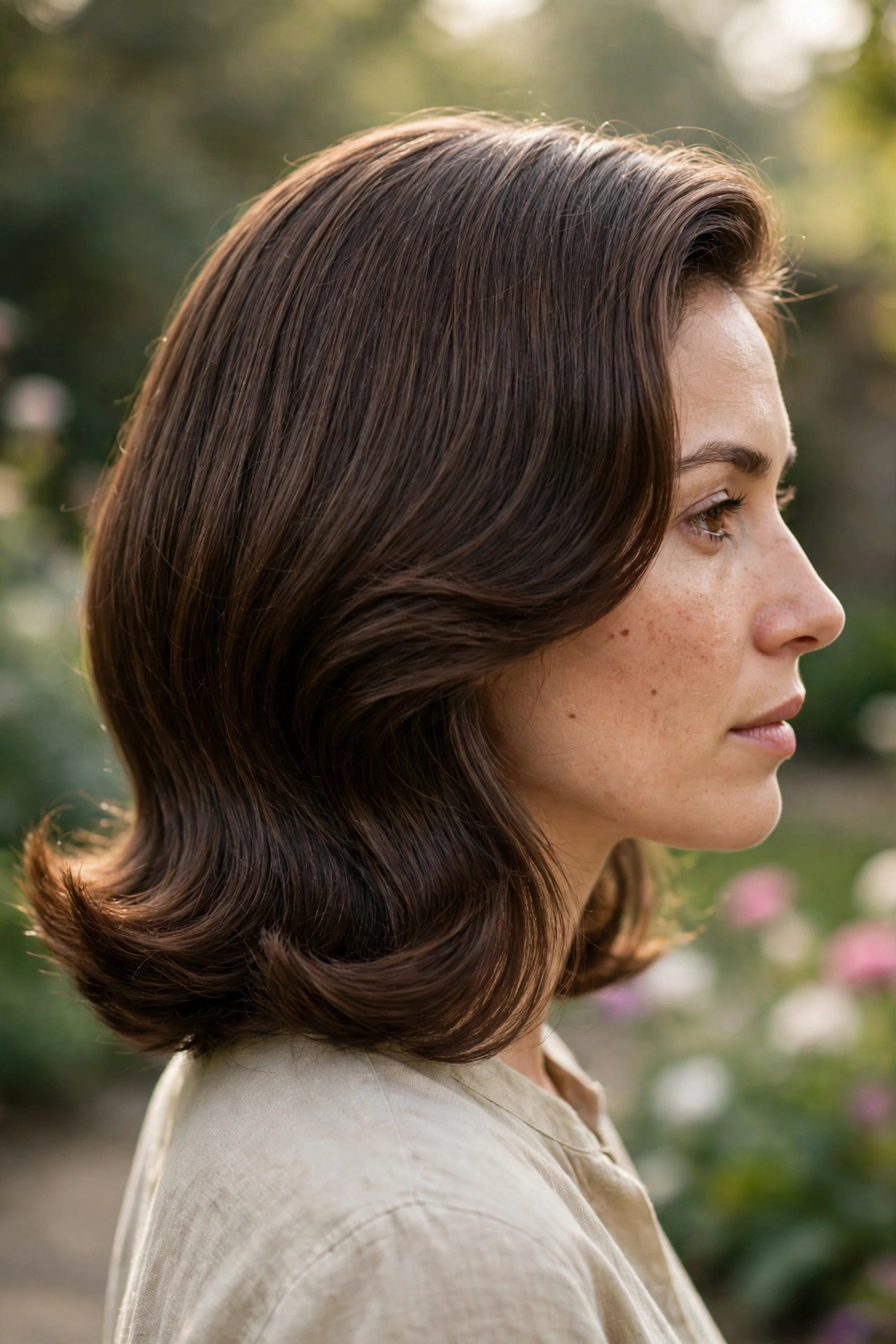
16. Lob with Curtain Pieces for Thick Hair
Curtain pieces part in the middle and frame the face in soft, separated sections. The pieces lighten the front of thick hair and add movement around the cheekbones. Blow-dry them outward for a feathered finish.
17. Lob with a Full Fringe for Thick Hair
A full fringe pairs with thick hair naturally, since there is plenty of density to create a substantial fringe. The combination looks bold and fashion-forward. Keep the fringe at brow level and trim it regularly.
18. Collarbone Lob for Thick Hair
The collarbone length gives thick hair enough weight to fall smoothly without becoming unmanageable. This length is long enough to tie back and short enough to keep its shape. It is a reliable everyday length for thick hair.
19. Chin-Length Lob for Thick Hair
A shorter lob ending at the chin makes thick hair easier to control and gives it a compact, bouncy shape. The shorter length reduces styling time significantly. This version shows off the jawline beautifully.
20. Lob with a Sleek Blowout for Thick Hair
A smooth blowout with a round brush and concentrator nozzle turns thick hair into a polished, sculpted lob. The blowout tames volume into a sleek silhouette with soft curves. Use a smoothing serum to control flyaways.
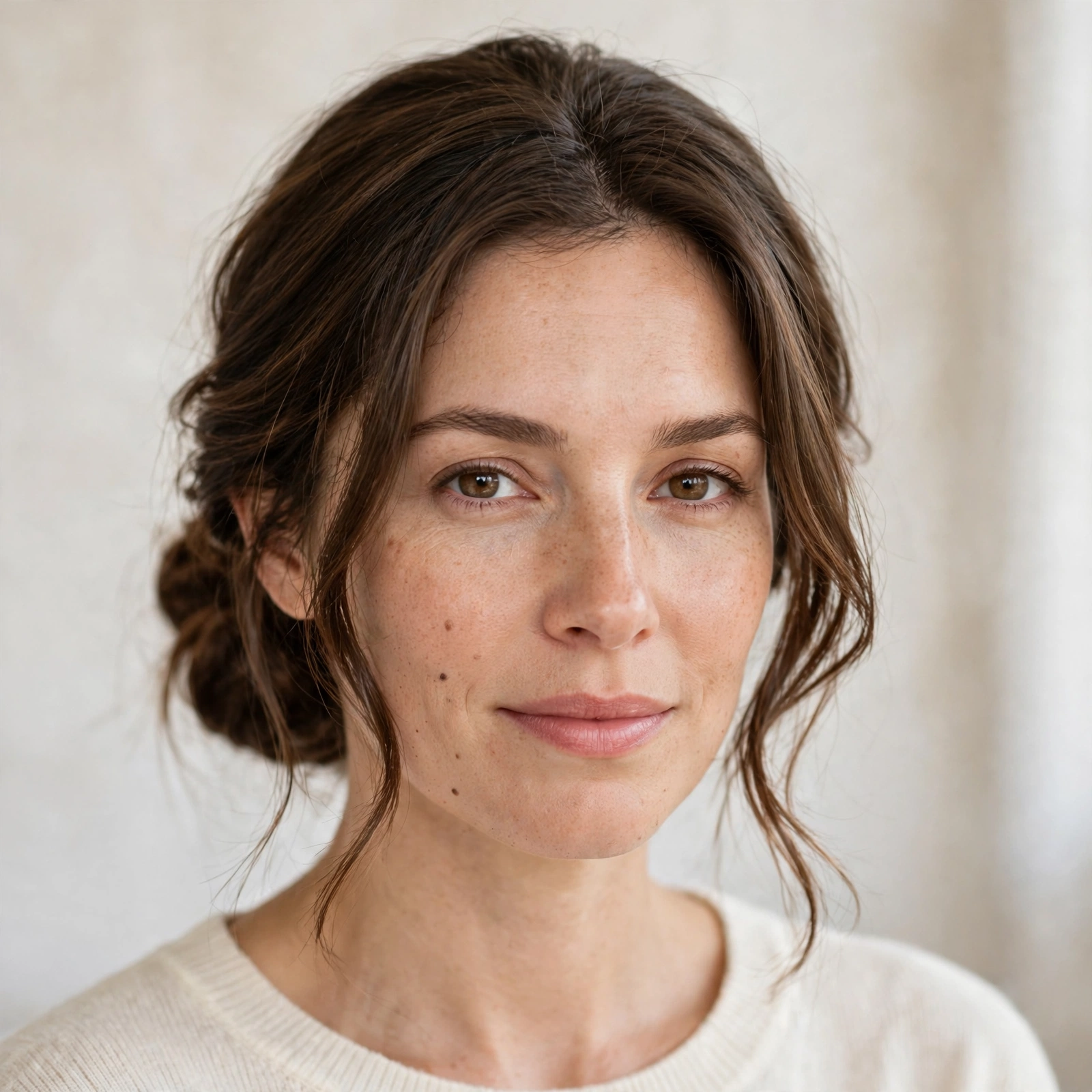
21. Lob with Natural Air-Dried Shape for Thick Hair
The cut is shaped to dry naturally into a controlled, full shape, with a smoothing cream on damp hair to limit frizz. Air-drying suits thick hair that has a slight natural bend. This is the lowest-effort shaped lob for thick hair.
22. Lob with a Half-Up Style for Thick Hair
The top section is gathered into a half-up style, removing weight from the crown while the lengths fall free. The half-up shape shows off the lob’s layers and keeps hair out of the face. It works for casual days and evenings alike.
23. Lob with a Low Bun for Thick Hair
Thick hair gathers into a substantial, elegant low bun that holds its shape well. The lob length makes a bun that is full without being heavy. A few face-framing pieces left loose soften the style.
24. Lob with a Low Ponytail for Thick Hair
A low ponytail contains thick hair neatly and looks full and polished thanks to the hair’s natural density. Wrapping a section around the elastic adds a refined finish. This is a practical everyday style for thick lobs.
25. Lob with Braided Crown Accents for Thick Hair
Small braids around the crown add structure and interest while containing thick hair’s volume. The braids create a polished detail that works with the lob’s length. A loose crown braid pairs beautifully with free-flowing lengths.
Styling Tips
Ask your stylist for internal layering or thinning, since surface thinning alone rarely controls thick hair. Blow-dry in sections, starting at the nape, for a smooth, shaped result. Use a smoothing cream on damp hair to reduce frizz and help thick hair fall neatly. Avoid over-layering the top section, which can make thick hair look frizzy instead of shaped. Trim every seven to eight weeks to keep the shape controlled as thick hair grows quickly. Sleep on a silk pillowcase to reduce overnight frizz and tangling in thick hair. Use a wide-tooth comb on wet hair to detangle without breaking thick strands.
FAQ
Will a lob make my thick hair look even bigger?
Not if it is cut with shape. Internal layers, a tapered nape, and a well-chosen perimeter control thick hair’s volume and turn it into a sculpted silhouette rather than width.
Should thick hair be thinned in a lob?
Light thinning or internal layering usually helps thick hair fall better and feel lighter. The key is removing weight from inside the cut, not from the perimeter, so the ends still look healthy.
What is the best lob length for thick hair?
Chin to collarbone length works well, since it is short enough to control but long enough to carry thick hair’s weight gracefully. Collarbone length is the most versatile choice.
Can I air-dry a thick-haired lob?
Yes, especially if the cut includes layers that encourage a natural fall. A smoothing cream on damp hair helps control frizz while the hair dries into its shaped silhouette.
How often should I trim a thick-haired lob?
Every seven to eight weeks keeps the shape intentional and prevents the ends from growing heavy and shapeless. Thick hair grows quickly, so regular trims matter.