28 Medium Shag Haircuts for Balanced Texture

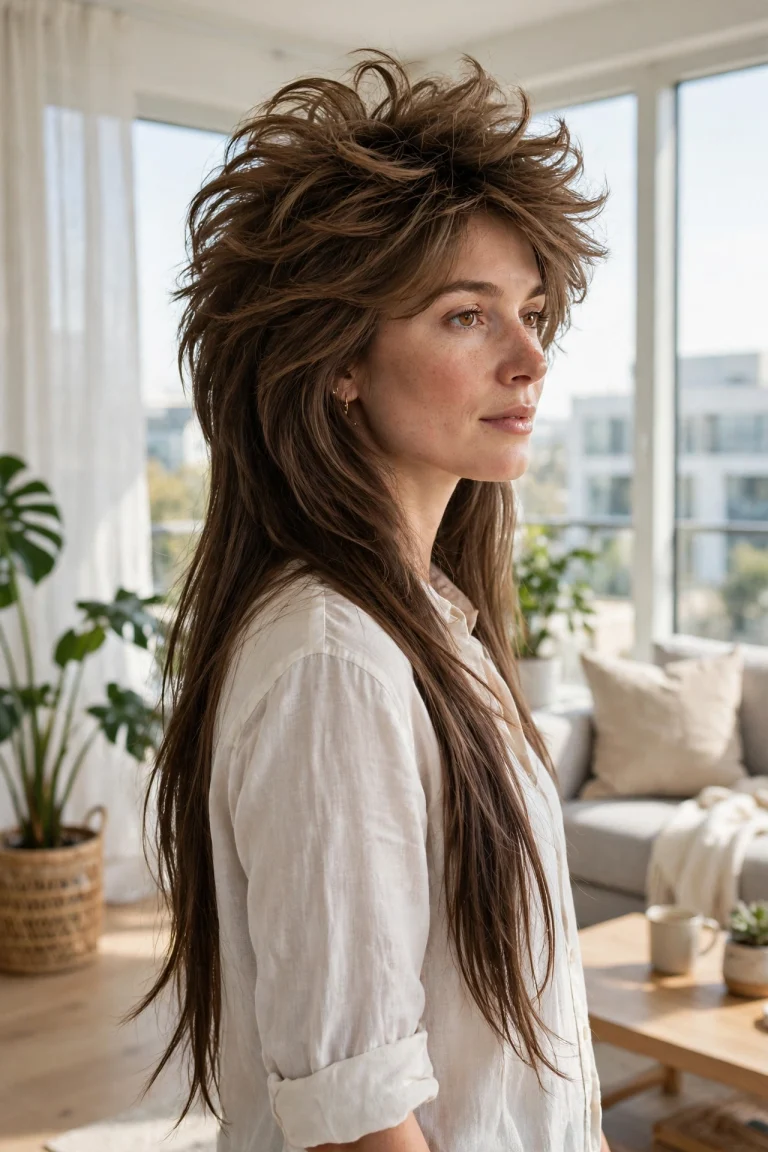
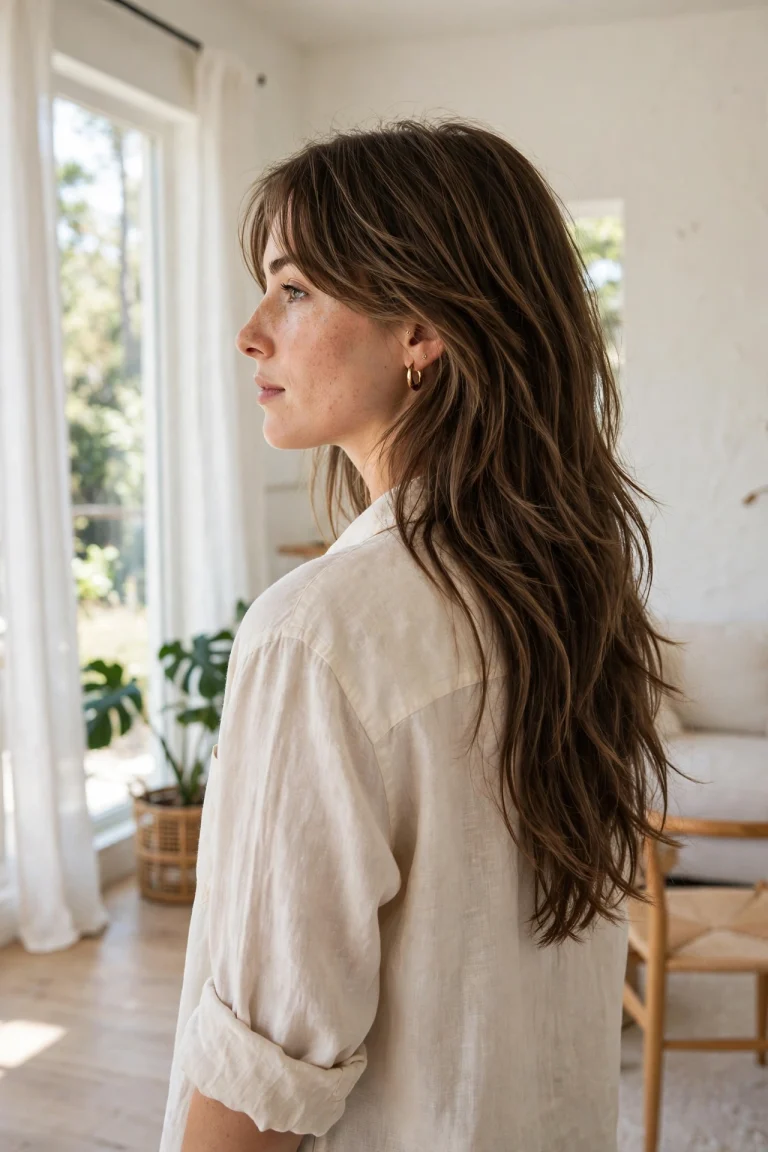
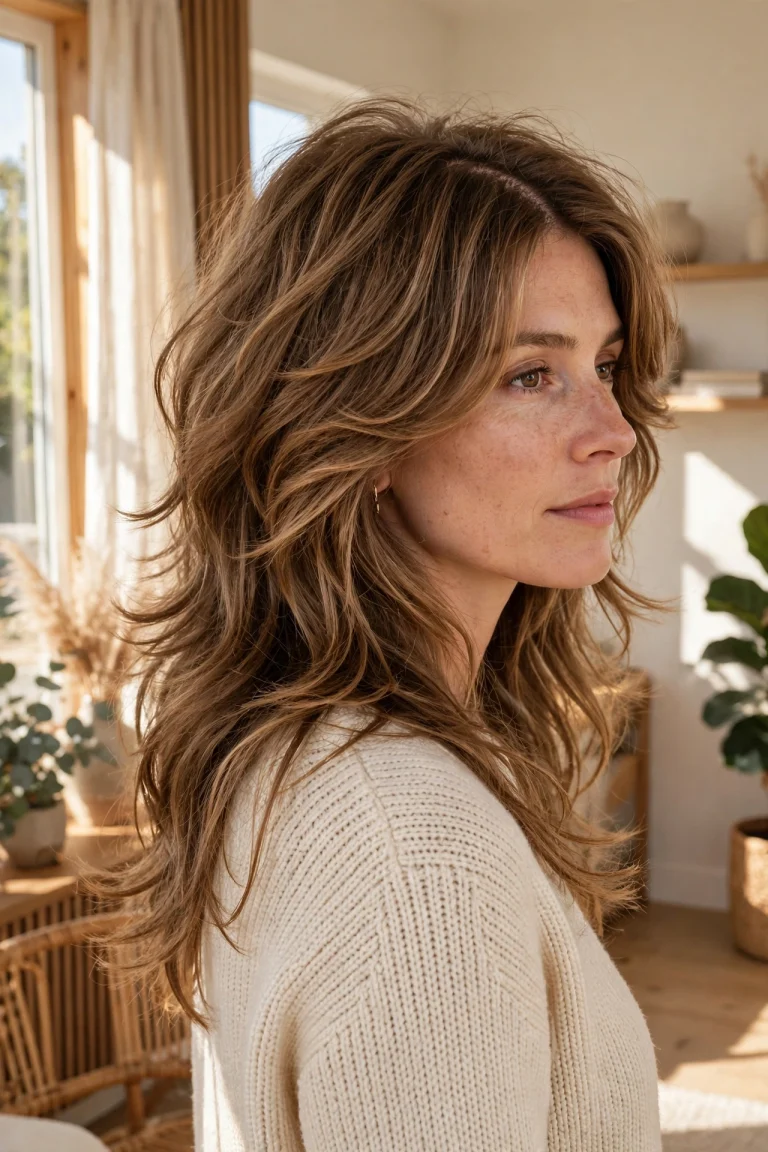
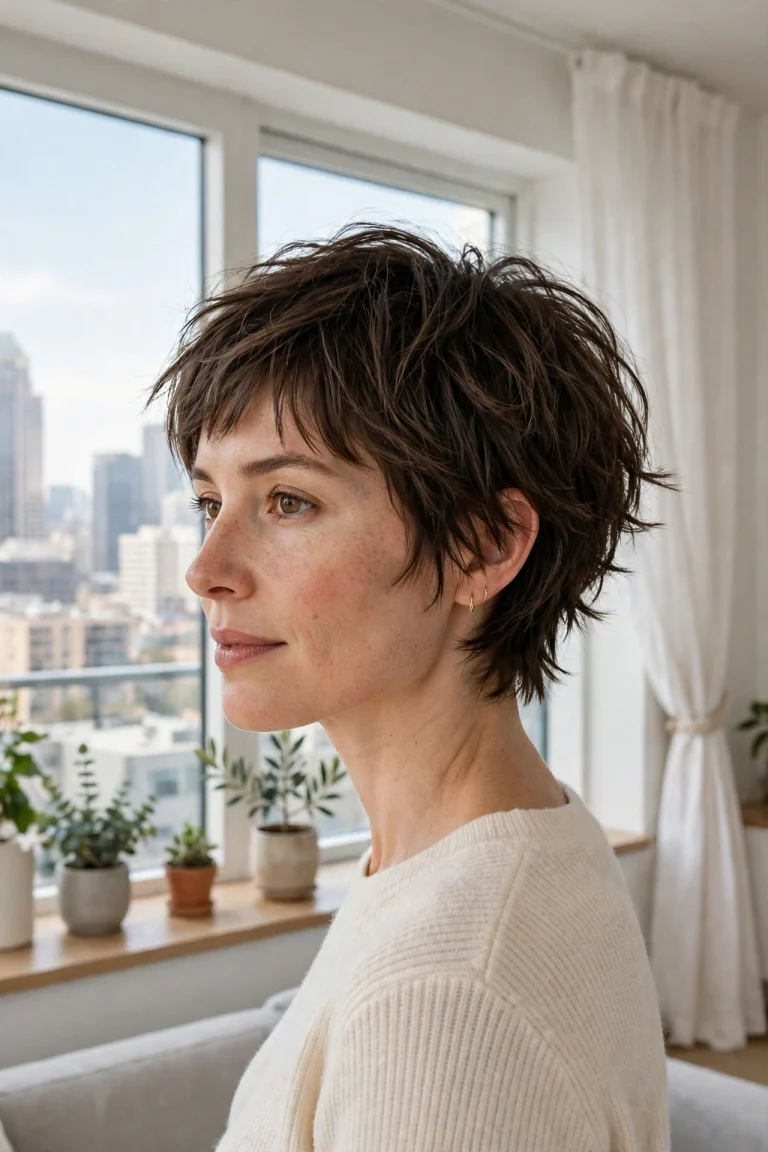
A medium shag sits in the sweet spot: long enough to feel versatile, short enough to keep its shape without constant styling. The layers add texture through the middle lengths while the overall length stays balanced and wearable. These ideas show how a medium shag can feel full, light, and put-together all at once.
1. Shoulder-Grazing Shag with Blended Step Layers
Step layers blend gradually down to shoulder level, so texture builds without harsh jumps in length; the result looks layered from every angle but still falls smoothly. Excellent starting point if you want noticeable texture that stays easy to manage.
2. Medium Shag with Collarbone-Skimming Ends
Ends that skim the collarbone give a flattering, mid-length finish working for most face shapes; layers above keep the shape light, while collarbone length keeps it feeling substantial. Versatile for everyday wear and special occasions.
3. Medium Shag with Internal Weight Removal
Internal layers remove bulk from inside the cut without shortening the outer shape, so medium hair feels lighter and moves more freely; especially helpful for thick hair that otherwise sits heavily at shoulder level. The outside still looks full, but the hair is far easier to style.
4. Medium Shag with Swinging Side Layers
Side layers cut to swing as you move give a lively, in-motion quality; each step or turn of the head sets the layers in motion, keeping the cut from ever looking static. Dynamic choice for hair with a little natural wave.
5. Medium Shag with a Rounded Perimeter
A rounded outer shape softens this medium shag, curving gently around the shoulders instead of ending in a straight line; roundness makes the cut look full and intentional, even on days when styling is minimal. Pairs well with layers adding movement inside the shape.

6. Medium Shag with a Smooth Crown and Broken Ends
A smooth, controlled top contrasts with broken, textured ends in this balanced medium shag; the smooth crown keeps the style polished, while broken ends stop it feeling too formal. Great day-to-night cut needing little restyling.
7. Medium Shag with Layered Curtain Pieces
Curtain pieces around the face blend into the medium layers, creating a soft frame opening up the features; pieces are longer than a fringe, so they grow out gracefully and can be styled in several ways. Gentle, modern, very wearable.
8. Medium Shag with a Deep U-Shaped Outline
A deep U shape at the back gives a longer centre and shorter sides, creating a beautiful curved silhouette; the U outline adds movement to the back view, often the part of a cut that gets overlooked. Looks especially good worn down and straight.
9. Medium Shag with Hollowed Interior Layers
Hollowed interior layers thin the inside just enough to let outer layers fall with more air and separation; the technique keeps medium length intact while making hair feel noticeably lighter. Ideal for dense hair needing breathing room.
10. Medium Shag with Outward-Turned Bottom Layers
The lowest layers turn outward, giving the ends a lively, open finish; the outward turn adds width at the shoulders in a controlled, flattering way. A round brush makes the turn easy to recreate at home.
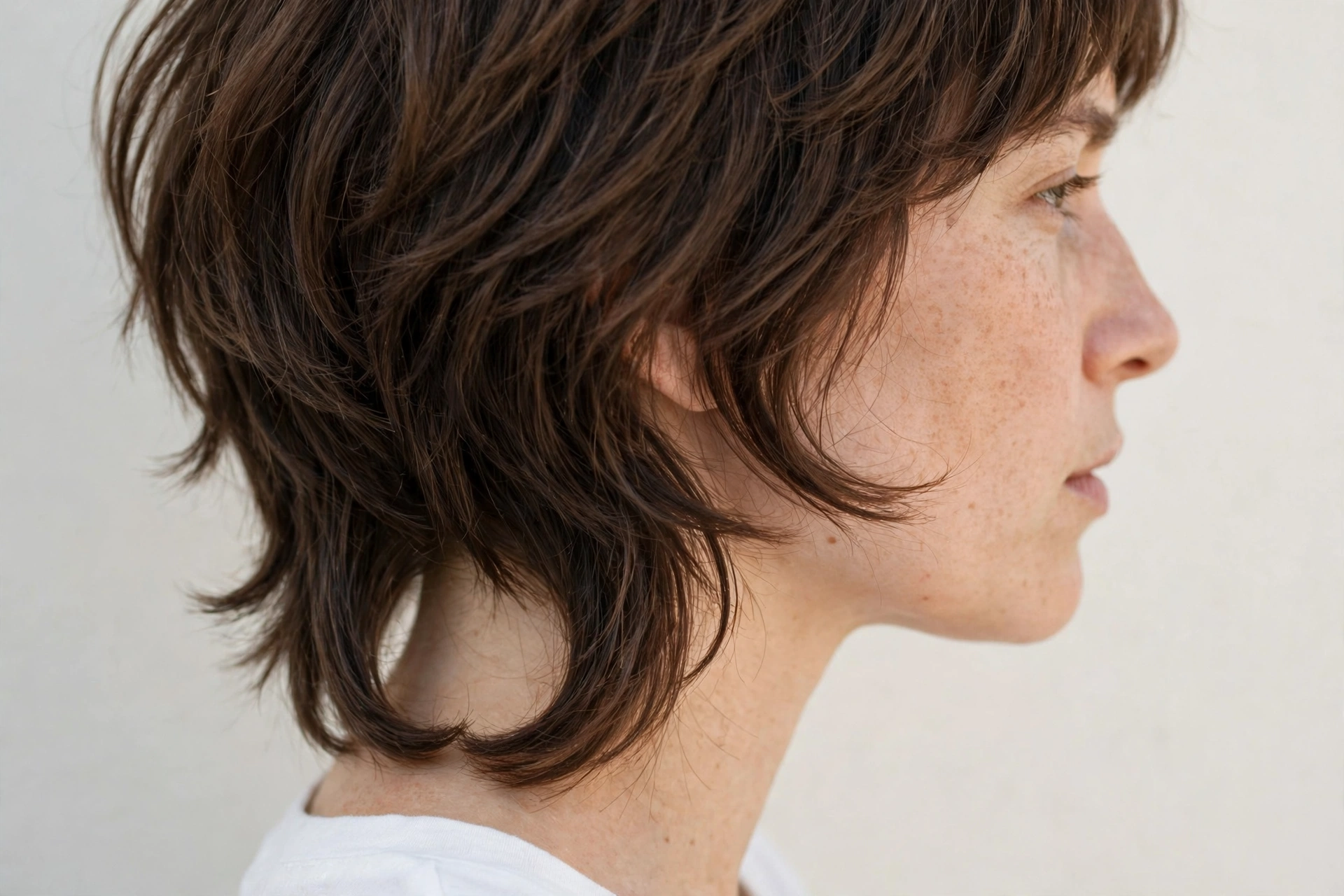
11. Medium Shag with Inward-Turned Bottom Layers
Inward-turned bottom layers tuck neatly under at the ends, giving a tidy, rounded finish; the inward curve keeps the shape compact and polished without losing layered texture. Refined option for work or formal settings.
12. Medium Shag with a V-Shaped Back
A V shape at the back creates a pointed, elegant outline making medium hair look longer than it is; the V keeps sides a little shorter, so layers frame the shoulders beautifully. Classic medium-length silhouette with a shag twist.
13. Medium Shag with Chunky Section Layers
Chunky, clearly visible sections give bold, graphic texture rather than a fine, blended finish; each chunk adds depth and makes layering easy to see. Suits confident styling and hair that can hold a defined shape.
14. Medium Shag with a Soft Shattered Perimeter
A softly shattered perimeter breaks the bottom edge into gentle, uneven points instead of a solid line; softness keeps the cut from looking harsh, while the broken edge adds texture. Balanced finish for medium hair that falls flat easily.
15. Medium Shag with Long Front Layers and Short Back Layers
Longer layers at the front and shorter layers at the back create a forward-leaning shape that feels modern and dynamic; front length frames the face, while the shorter back keeps the cut light. This contrast gives the style its balanced energy.

16. Medium Shag with a Lifted Centre Section
A lifted centre section adds height through the middle, balancing the layers on either side; the lift stops the top sitting flat against the head, a common issue at medium lengths. A little root spray helps the lift last through the day.
17. Medium Shag with Diagonal Side Layers
Diagonal layers slice across the sides, creating movement travelling from front to back; the diagonal direction makes the cut look longer and more fluid than horizontal layers would. Smart choice for straight hair needing directional interest.
18. Medium Shag with a Tucked Collarbone Length
Cut so it tucks neatly behind the shoulders at collarbone level, giving a clean, tucked-in silhouette; the tuck-friendly length makes it easy to wear with scarves, coats, and high necklines. Layers inside keep it from looking bulky when tucked.
19. Medium Shag with Hand-Dried Texture
Cut to be dried by hand rather than with a brush, developing natural, touchable texture as it dries; scrunching and finger-combing bring out layers without creating a stiff, salon-only shape. Perfect for a relaxed, low-effort routine.
20. Medium Shag with a Sculpted Hourglass Shape
An hourglass outline, narrower at the top and bottom and fuller in the middle, sculpts this medium shag into a distinctive shape; sculpting makes the cut look deliberate and balanced from front and side. Works best on hair with enough density to hold the middle fullness.
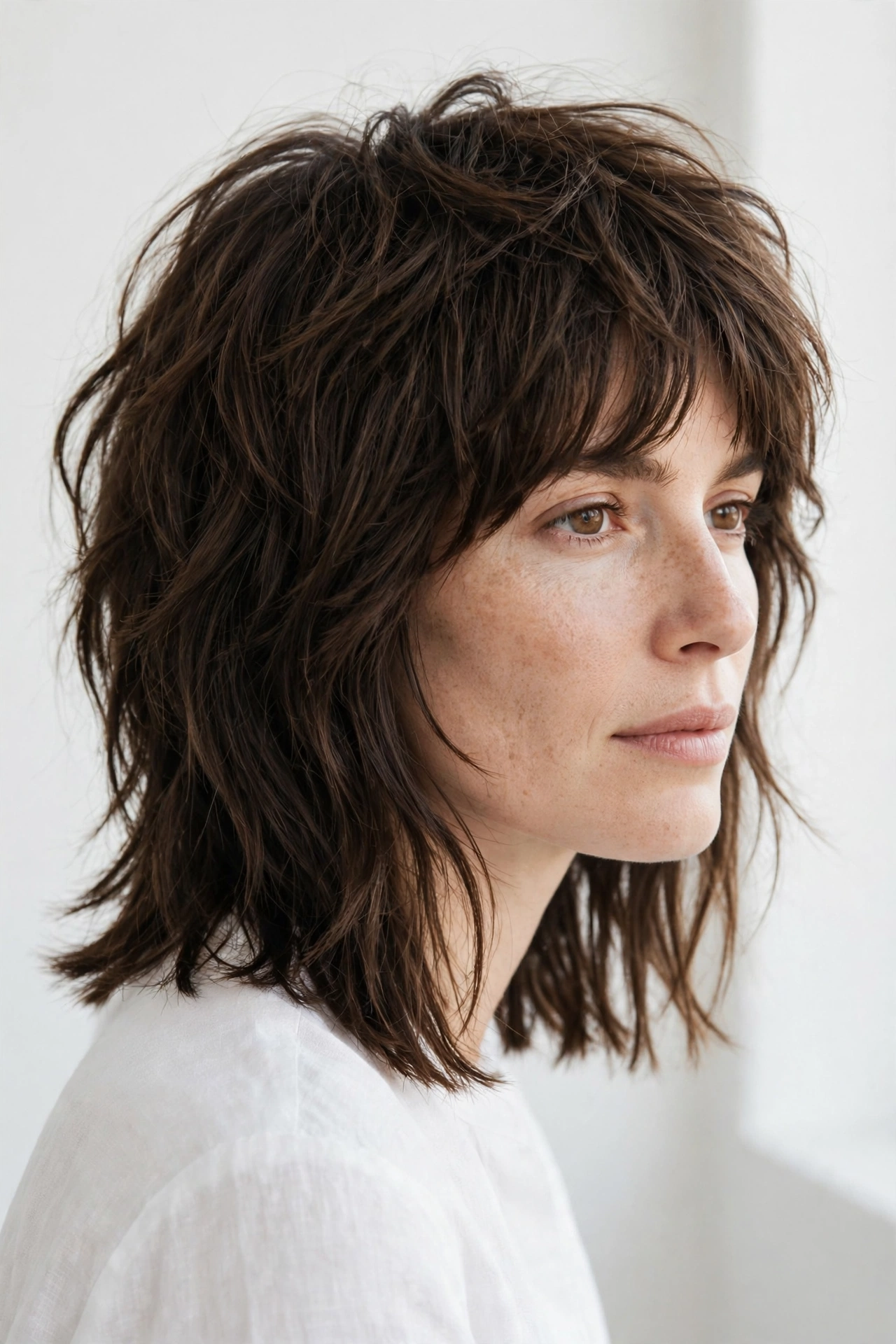
21. Medium Shag with Graduated Side Sections
Graduated sections on the sides stack gently from shorter to longer, building a structured yet soft medium shag; graduation gives sides shape without making them look blunt or heavy. Tidy, modern way to add texture at shoulder level.
22. Medium Shag with a Blunt Collarbone Baseline
A blunt baseline at the collarbone anchors this medium shag, while layers above add all the movement; the strong baseline stops the cut looking wispy, which is helpful for fine hair. The combination of blunt and layered is both modern and balanced.
23. Medium Shag with Peekaboo Shorter Layers
Shorter layers peek out from beneath longer ones, creating hidden texture revealing itself as hair moves; the peekaboo effect adds depth without changing overall length. Subtle, interesting detail for anyone who loves layered cuts.
24. Medium Shag with a Flowing A-Line Outline
An A-line outline, slightly longer at the front than the back, gives a flowing, forward-moving shape; the A-line keeps front length flattering while the back stays light and layered. Elegant, wearable, easy to style.
25. Medium Shag with Broken-Up Crown Sections
Broken-up sections at the top add texture right where medium hair often goes flat, without shortening overall length; broken sections create separation and lift lasting through the day. A light texture spray helps each section stay distinct.
26. Medium Shag with a Low Ponytail-Friendly Length
Cut with a low ponytail in mind, keeping enough length to gather neatly while layers add texture when worn down; layers are placed so they do not stick out awkwardly when hair is tied back. Practical choice for active days.
27. Medium Shag with a Half-Up Ready Shape
Shaped to look great half-up, with layers framing the face even when the top section is pinned back; remaining down layers keep their texture and movement, so the half-up style never looks flat. Ideal for anyone who often switches between up and down styles.
28. Medium Shag with a Balanced Two-Tier Outline
Two distinct tiers, one at cheek-to-shoulder level and one at the ends, give a balanced, structured texture; tiers are blended just enough to look connected, yet distinct enough to add depth. Clear, wearable example of balanced medium layering.
Styling Tips
- Dry medium layers with a round brush on the bottom sections only, so the ends turn in or out without over-smoothing the texture.
- Apply texture cream from the mid-lengths down, keeping product off the roots to preserve lift.
- Flip the hair upside down for a few seconds while drying to add volume through the middle layers.
- Use a wide-tooth comb on damp hair to keep layered sections separated and tangle-free.
- Refresh medium shags on day two with dry shampoo at the roots and a quick scrunch through the ends.
- Keep the collarbone baseline tidy with trims every seven to nine weeks.
- Try tucking one side behind the ear for an instant change that still shows off the layered shape.
Frequently Asked Questions
Is a medium shag good for someone growing out a short cut?
Yes, a medium shag is an ideal grow-out stage because its layers keep the shape intentional as length increases. The mid-length layers prevent the awkward in-between phase from looking shapeless, and trims can reshape the tiers as the hair grows.
Does a medium shag work for thick hair?
Yes, especially with internal weight removal or hollowed interior layers that reduce bulk without losing length. These techniques let thick medium hair move freely instead of sitting heavily on the shoulders.
Can a medium shag be worn straight and sleek?
Yes, a medium shag can be blow-dried smooth, and the layers will still add subtle movement at the ends. Use a smoothing cream and a paddle brush for a sleek finish, then flick the very ends for a touch of texture.
Will a medium shag suit fine hair?
Yes, if the layers are kept compact and the baseline stays fairly blunt, which preserves the appearance of density. Chunky sections and a rounded perimeter also help fine medium hair look fuller.
How do I keep a medium shag balanced as it grows?
Trim every seven to nine weeks and ask for the tiers to be rebalanced rather than just the ends trimmed. This keeps the upper layers from growing heavy while the lower layers catch up.