25 Long Shag Haircuts for Flowing Layers

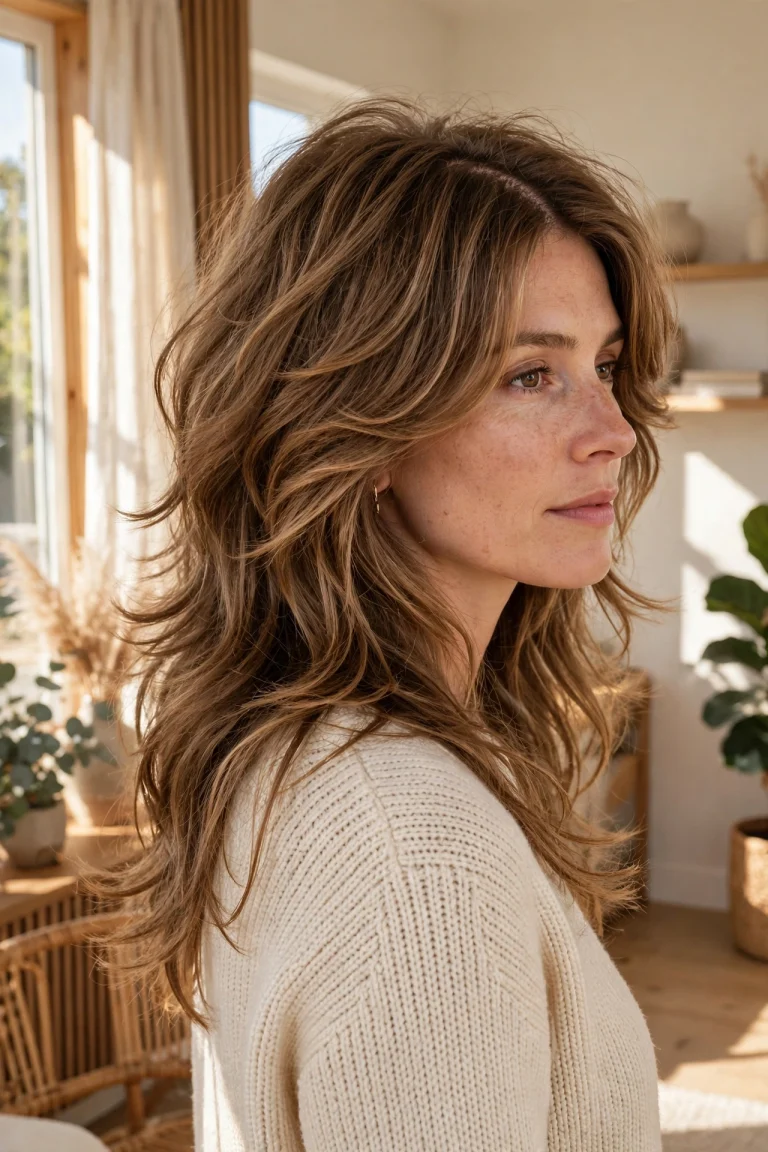
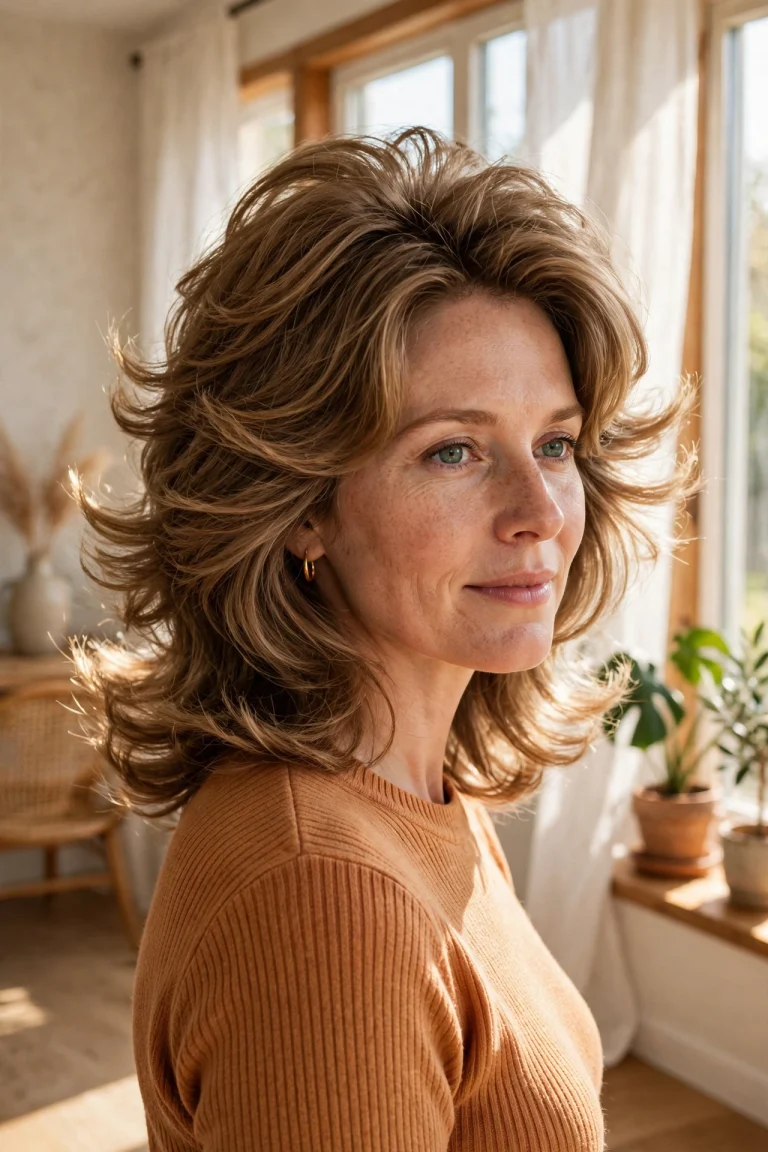
A long shag proves that long hair does not have to mean heavy, shapeless hair. Layers run through the lengths to create flow, lightness, and movement that keeps long hair looking alive. These ideas focus on length that moves, not length that just hangs.
1. Long Shag with Cascading Side Layers
Cascading layers fall down the sides like a waterfall, giving a flowing, continuous shape; each layer blends into the next, so the hair moves as one fluid sheet rather than separate chunks. Beautiful for hair falling well past the shoulders.
2. Long Shag with Waist-Skimming Flowing Ends
Ends that skim the waist keep maximum length while layers above ensure the hair still flows freely; flowing ends prevent waist-length hair looking like a heavy curtain. Ideal if you love very long hair but want real movement.
3. Long Shag with Feathered-Through Lengths
Layers feathered through the full lengths thin the hair gradually, so long hair feels airy from top to bottom; feathering is subtle and blended, keeping the flowing character intact. Works well for thick long hair needing lightness without losing length.
4. Long Shag with Long Curtain Layers
Long curtain layers start near the face and continue down the sides, creating a flowing frame that blends into the rest of the length; the curtain effect opens the face while keeping the long shape intact. Elegant, soft, easy for every day.
5. Long Shag with a Flowing V-Shaped Back
A flowing V at the back gives a pointed, graceful outline enhancing length; the V lets layers cascade toward a central point, adding drama to the back view. Especially striking when worn straight down the back.
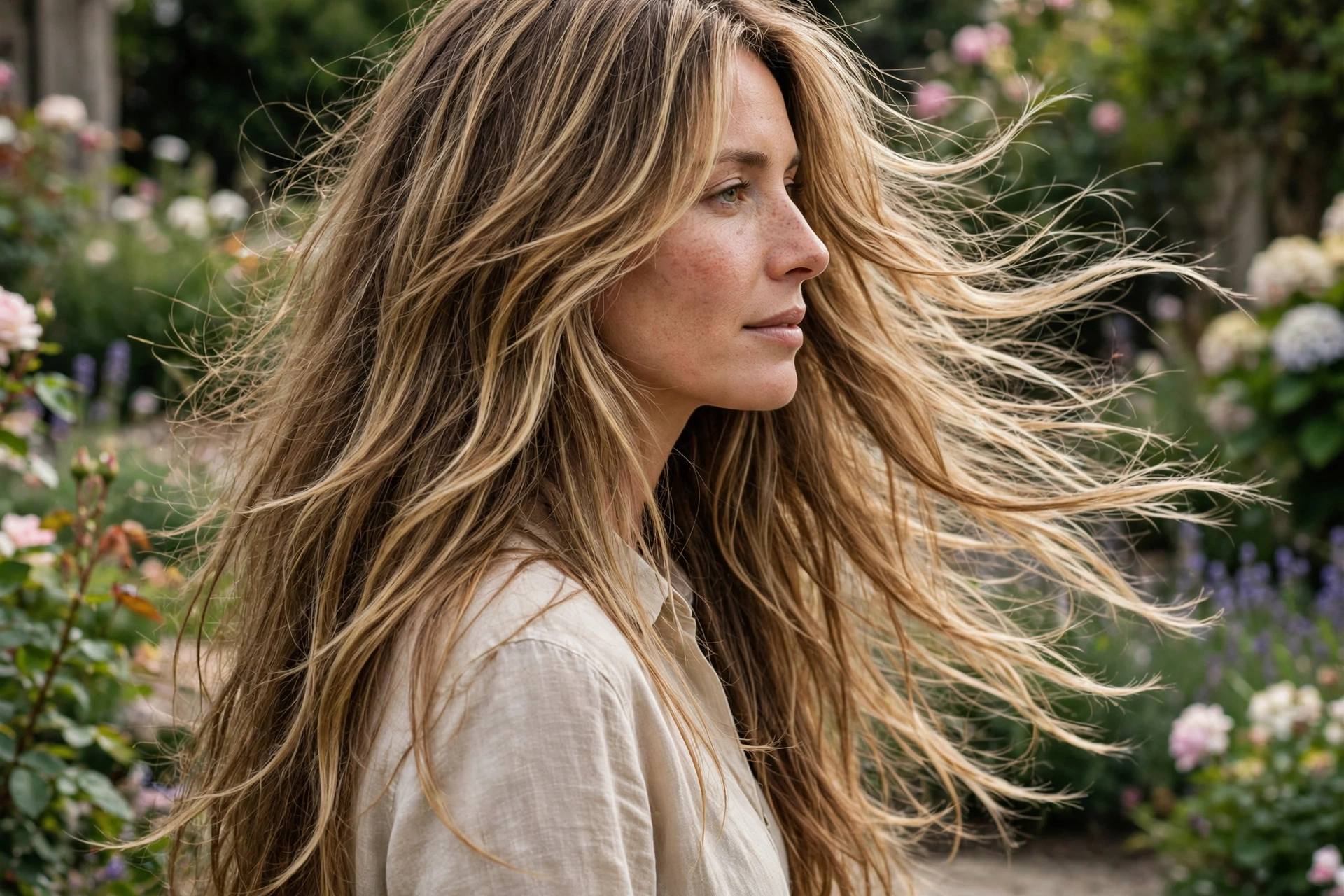
6. Long Shag with Rippling Mid-Length Layers
Rippling layers through the mid-lengths create gentle, wave-like movement even on straight hair; ripples catch the light as hair moves, giving long hair a sense of life. A light texture spray helps ripples hold their shape.
7. Long Shag with a Flowing Centre Cascade
A centre cascade of layers runs down the middle of the back, creating a flowing focal point; the cascade adds depth and dimension a single-length cut cannot offer. Flowing, romantic take on the long shag.
8. Long Shag with Swooping Side Sections
Swooping side sections curve gently across the shoulders, giving a soft, sweeping outline; the swoop adds direction and elegance to the sides, which often get ignored in long cuts. Pairs beautifully with layers keeping ends light.
9. Long Shag with Layered Flowing Fringe Pieces
Flowing fringe pieces blend from the forehead down into the long layers, so there is no harsh break between fringe and length; flowing pieces soften the face and add movement at the top. They grow out gracefully, making this version low-maintenance.
10. Long Shag with a Waterfall Back Outline
A waterfall outline layers the back so hair falls in tiers, like water over steps, while still reading as one flowing length; tiers add structure to very long hair without making it look choppy. Flowing, eye-catching back view.

11. Long Shag with Flowing Layers for Thick Hair
For thick long hair, flowing layers are spaced widely to remove weight gradually while keeping hair full; wide spacing prevents the cut looking over-layered, which can thin out thick hair. Result is long hair that flows instead of puffing out.
12. Long Shag with Flowing Layers for Fine Hair
Fine long hair benefits from fewer, longer flowing layers that preserve density while adding movement; layers are kept long and blended, so fine hair does not look sparse at the ends. A volumizing mousse at the roots helps the flowing shape hold.
13. Long Shag with a Flowing Side Part Shape
A side-swept top shape gives a flowing diagonal line from the part down through the lengths; the diagonal adds asymmetry and movement to otherwise even long hair. Simple styling choice that changes the whole flow of the cut.
14. Long Shag with Flowing Ends and a Smooth Top
A smooth, controlled top contrasts with flowing, layered ends, balancing polish with movement; the smooth top keeps the style neat, while ends provide all the flow. Transitions easily from work to evening wear.
15. Long Shag with Flowing Layers and a Braid-Ready Length
Cut to keep enough length for braids, yet layered so it flows beautifully when worn down; layers are placed to avoid sticking out of braids awkwardly. Practical flowing cut for anyone who often braids long hair.

16. Long Shag with Flowing Layers and Soft Bends
Soft bends styled into the flowing layers give gentle curves without tight curls; bends add dimension and make layers more visible as they catch the light. A large-barrel tool on the mid-lengths only creates this effect easily.
17. Long Shag with a Flowing U-Shaped Perimeter
A U-shaped perimeter gives a curved, flowing bottom edge, longer in the centre and shorter at the sides; the U shape enhances the flowing character and flatters the shoulders. Graceful, classic long-shag outline.
18. Long Shag with Flowing Layers Through the Back Only
Layers concentrated through the back leave the front longer and simpler, creating flow where long hair needs it most; back layers add movement visible from behind and in profile. Ideal if you prefer a simpler front shape.
19. Long Shag with Flowing Layers and a Deep Side Sweep
A deep side sweep at the top flows into the long layers below, creating one continuous diagonal movement; the sweep adds volume at the front and direction through the lengths. Flowing, glamorous take on the long shag.
20. Long Shag with Flowing Layers for Wavy Hair
Wavy hair and flowing long layers are a natural match, since each wave is shaped by a layer; layers prevent waves merging into one heavy mass, so hair flows in defined, loose waves. Air-drying with a little cream brings out this flow beautifully.
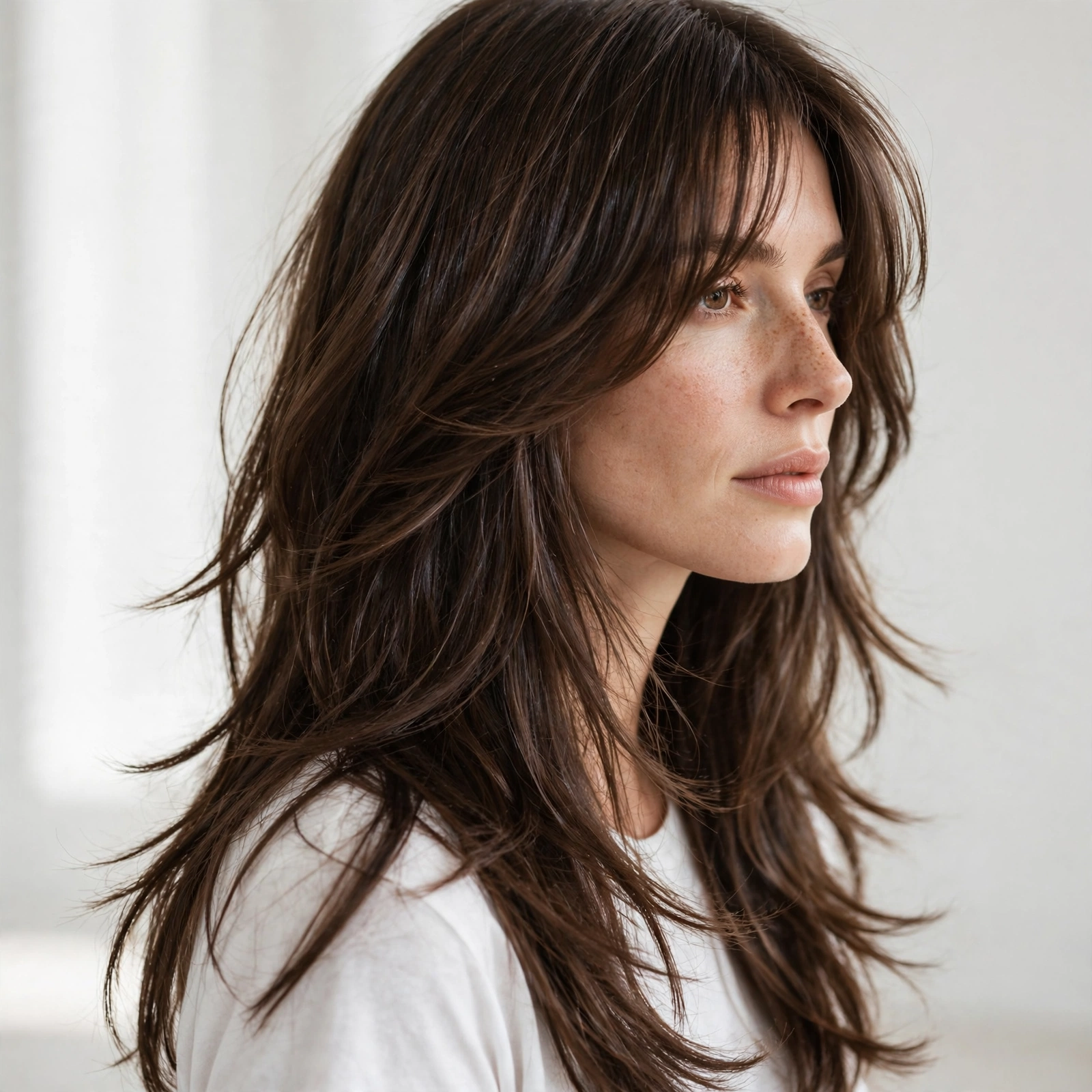
21. Long Shag with Flowing Layers for Straight Hair
Straight long hair gains flow from carefully graduated layers letting each section move independently; without wave or curl to create movement, the layering itself does the work. A light serum on the ends keeps flowing layers smooth and shiny.
22. Long Shag with a Flowing Layered Ponytail Shape
Shaped so a high ponytail still shows flowing layers around the face, while the down style keeps its full flow; front layers are long enough to frame the face in a ponytail without falling out completely. Versatile flowing cut for long-hair lovers.
23. Long Shag with Flowing Layers and a Centre-Swept Fringe
A centre-swept fringe flows into the long layers on both sides, creating a symmetrical, flowing frame; the fringe is long and soft, so it blends rather than sitting as a separate block. Gentle, face-opening addition to a long shag.
24. Long Shag with Flowing Layers and Tapered Sides
Tapered sides slim the silhouette, so flowing layers fall in a narrower, more elegant shape; the taper prevents long hair widening too much at the shoulders. Refined flowing cut for thicker hair types.
25. Long Shag with Flowing Layers and a Glossy Finish
A glossy finish elevates flowing long layers with shine and smoothness, making each layer catch the light; gloss is achieved with a smoothing serum and a careful blow-dry, not heavy product. Result is long, flowing hair that looks healthy and polished.
Styling Tips
- Blow-dry long layers in sections from the bottom up, so the flowing shape builds gradually rather than flattening.
- Use a light serum only on the ends to keep long flowing layers shiny without weighing the top down.
- Brush long shags with a paddle brush from the ends upward to avoid pulling out the layered flow.
- Try a loose braid overnight for gentle bends that enhance the flowing layers the next morning.
- Trim every eight to ten weeks to keep long layers flowing and prevent split ends dulling the shape.
- Avoid heavy masks at the roots, which can flatten the top layers of a long shag.
- Refresh long hair between washes with a light dry shampoo at the roots and a finger-comb through the lengths.
Frequently Asked Questions
Will a long shag make my long hair look thinner?
Not if the layers are spaced correctly for your density. Wide, blended layers preserve fullness while adding flow, whereas very short, numerous layers can thin out fine long hair, so the spacing matters.
Can a long shag be tied up easily?
Yes, most long shags tie up well because the length is preserved. Front layers may fall loose around the face in a ponytail, which many people find flattering rather than messy.
Does a long shag need a lot of styling?
No, the layers create flow on their own, especially on wavy hair. Straight hair may need a quick blow-dry or a few soft bends, but the cut itself provides most of the movement.
Is a long shag suitable for very thick hair?
Yes, flowing layers are one of the best ways to manage thick long hair, since they remove weight gradually. The key is spacing the layers widely so the hair stays full but moves freely.
How often should a long shag be trimmed?
Every eight to ten weeks keeps the flowing layers fresh and the ends healthy. Longer gaps are possible, but the flow can start to look heavy as the layers grow out unevenly.