25 Wolf Cut Ideas for Bold Texture
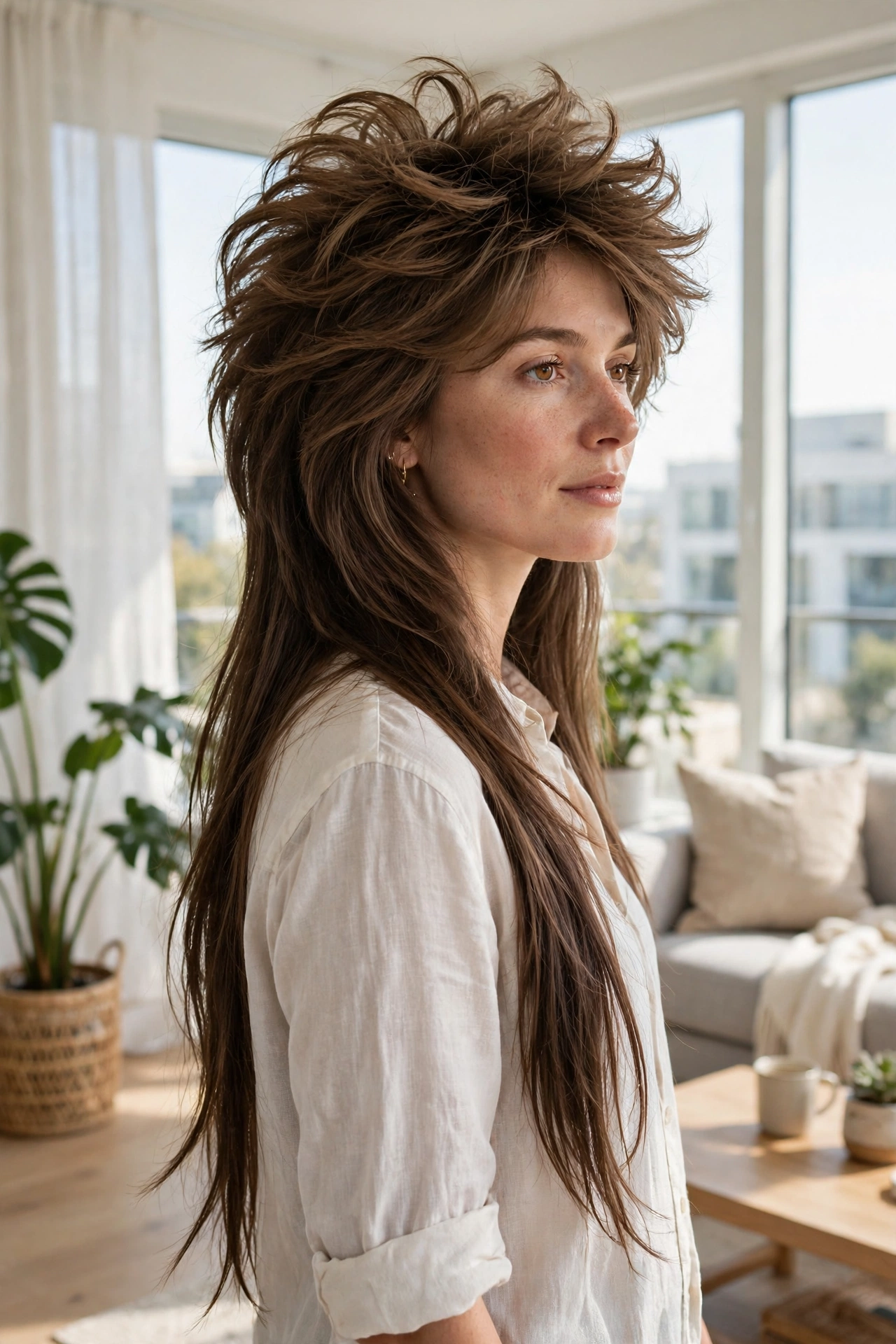
The wolf cut is a bold, high-energy haircut that mixes short, voluminous layers on top with longer, tapered lengths below. It is made for texture, movement, and a little bit of edge, and it looks different on everyone depending on their hair type. If you want a cut with real personality, the wolf cut is a fun place to start.
1. Classic Wolf Cut
The classic wolf cut balances a full, layered crown with long, wispy lengths for a wild but wearable shape. The top layers create volume, while the tapered ends keep the cut from feeling heavy. It is the version to try first if you are new to the wolf cut.
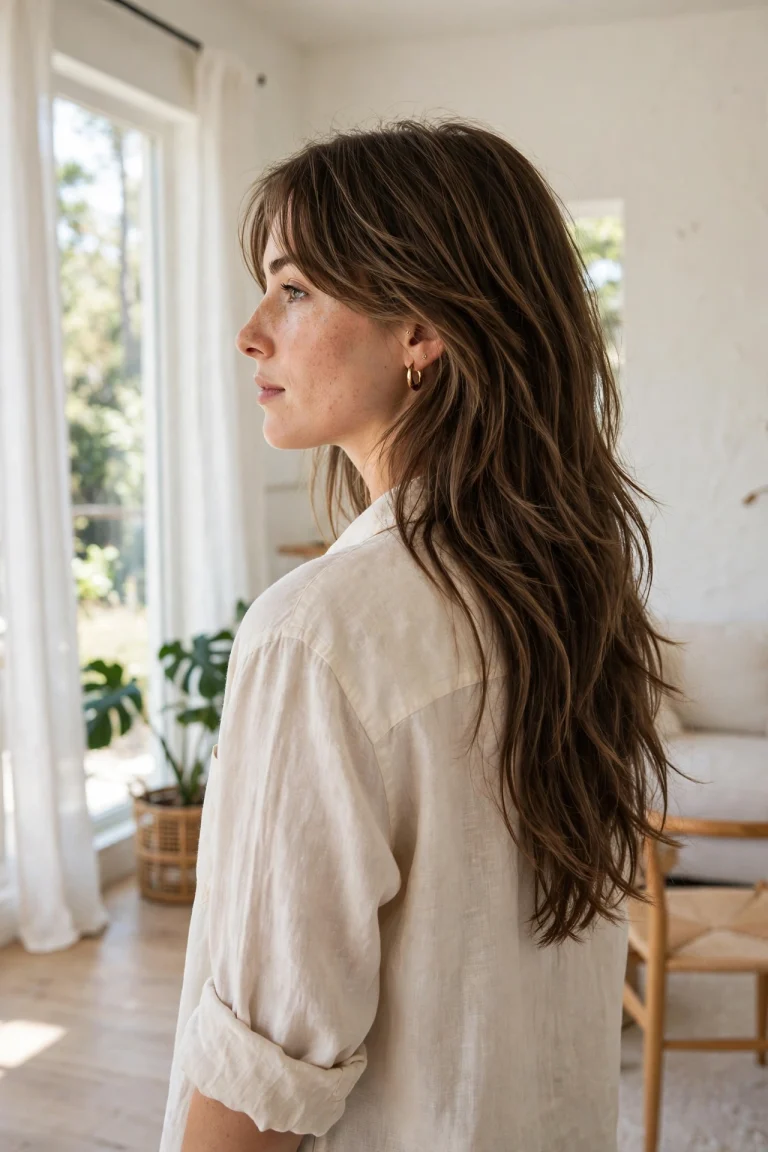
2. Long Wolf Cut
A long wolf cut keeps plenty of length while adding dramatic layers through the top and sides. The contrast between the full crown and the long, textured ends gives the cut its signature silhouette. It is ideal if you want bold texture without giving up long hair.
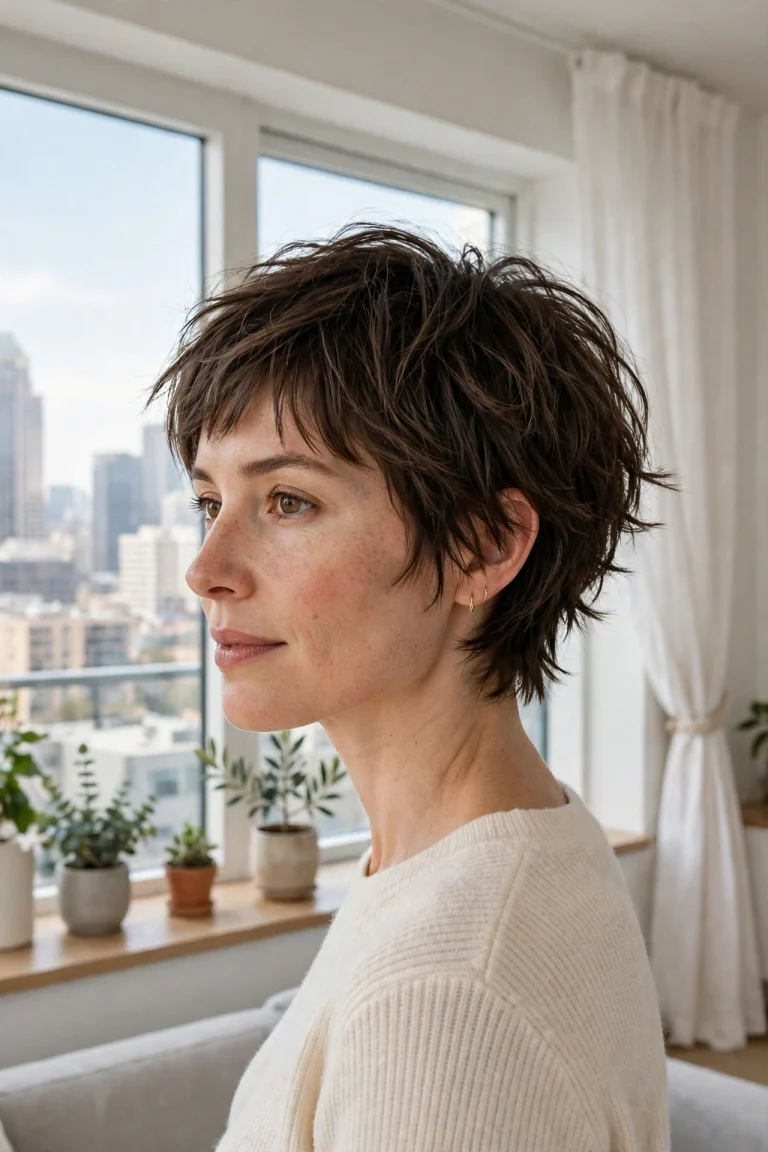
3. Short Wolf Cut
The short wolf cut is compact, punchy, and full of texture from root to tip. Shorter layers throughout create a tousled, energetic shape that is easy to style. It is a great choice if you like a cut that feels light and lively.
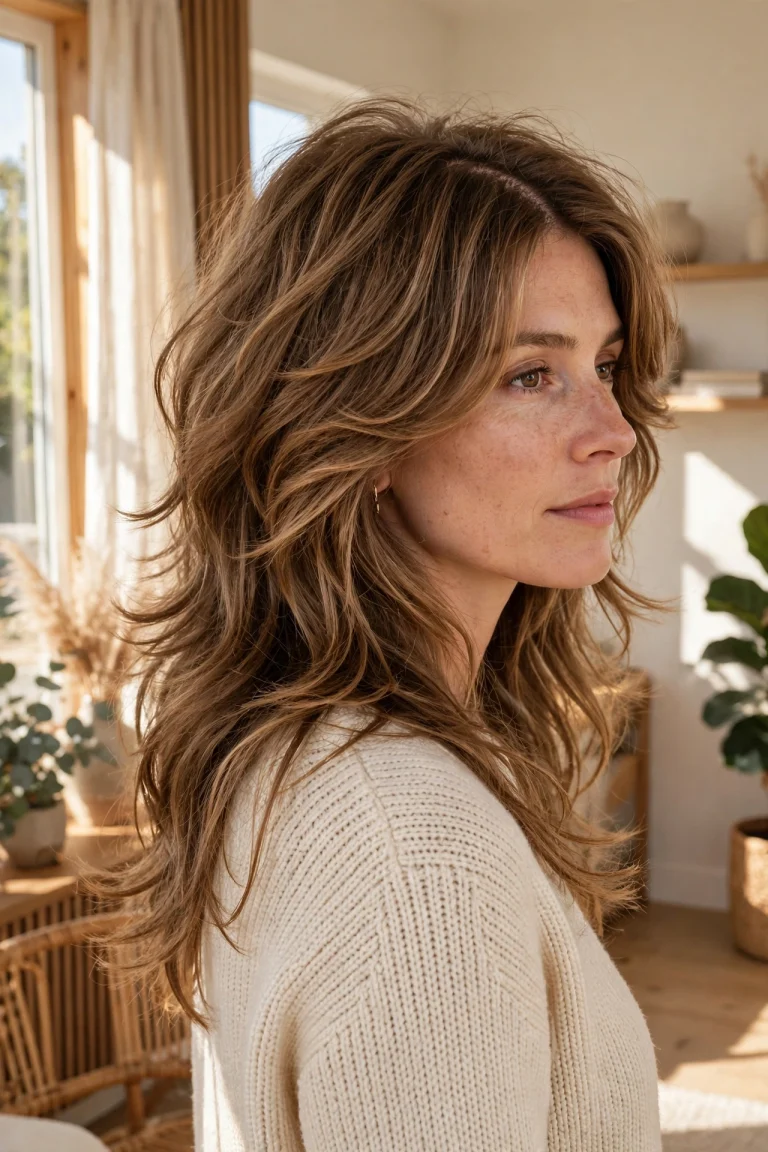
4. Wavy Wolf Cut
Natural waves and wolf-cut layers are a perfect match, since each enhances the other. The waves add softness to the bold shape, while the layers keep the waves from blending into one heavy mass. The result is a cut that looks effortlessly textured.
5. Curly Wolf Cut
A curly wolf cut uses layered cutting to shape curls into a rounded top with tapered, springy ends. The layers help curls sit in defined groups rather than expanding outward in every direction. It gives curly hair a bold, sculpted shape with plenty of movement.
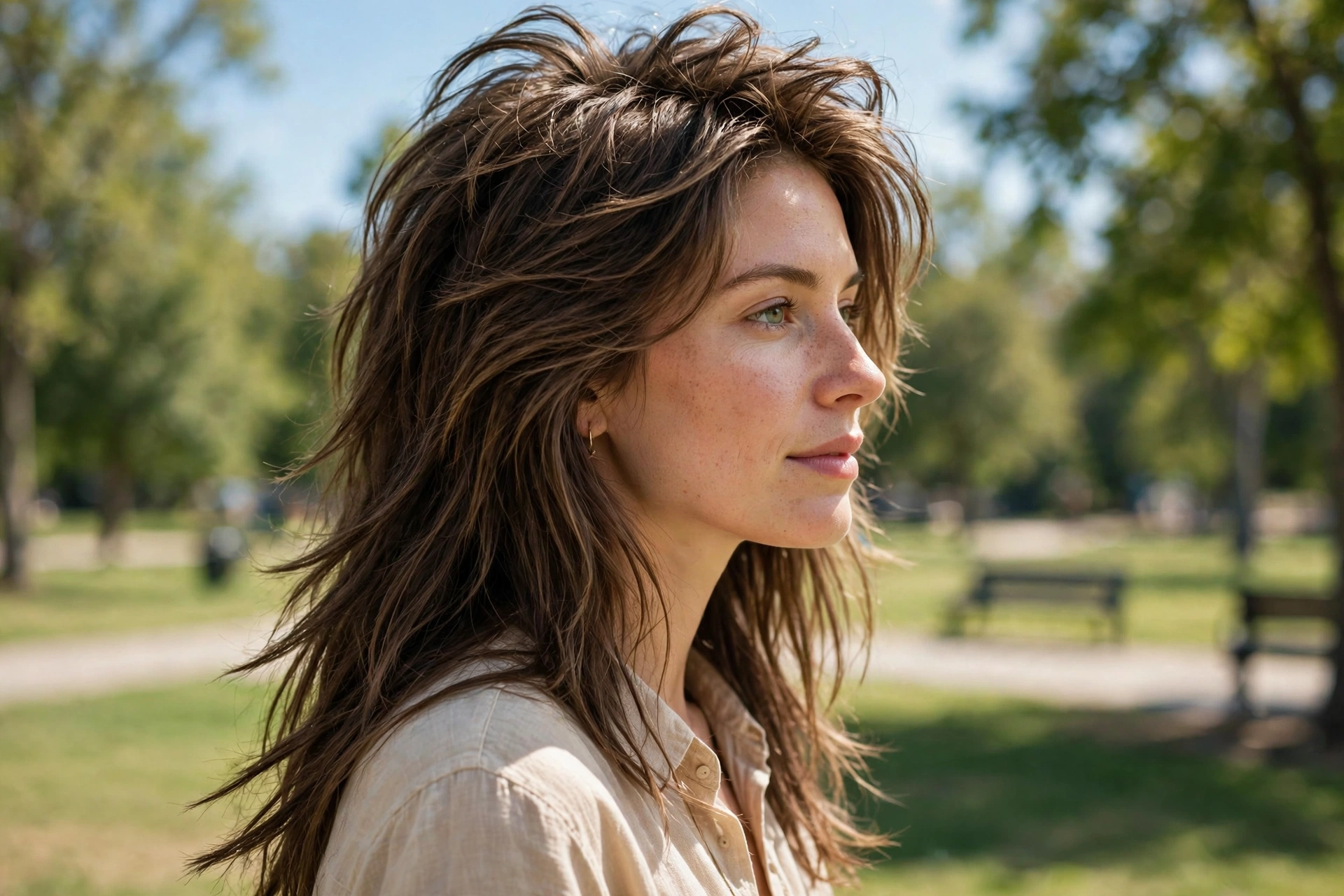
6. Straight Wolf Cut
On straight hair, the wolf cut relies on choppy layers and tapered ends to create texture. The cut adds visual interest and movement even without natural wave or curl. A little texture spray helps the layers stay separated and defined.
7. Textured Wolf Cut
This wolf cut leans fully into texture, with piecey layers and separated ends throughout. Every section is cut to stand apart slightly, giving the hair a deliberately rough, lived-in finish. It is perfect for anyone who loves a bold, undone look.
8. Wolf Cut with Heavy Crown Layers
Heavy layers around the crown give this wolf cut maximum volume on top. The fullness up top contrasts beautifully with the lighter, tapered lengths below. It is a striking option for hair that can hold volume well.
9. Wolf Cut with Tapered Ends
Tapered ends are the quiet hero of this wolf cut, thinning the lengths gradually for a sleek, pointed finish. The taper keeps long hair from looking bulky while preserving the cut’s wild shape. It is a refined take on a bold idea.
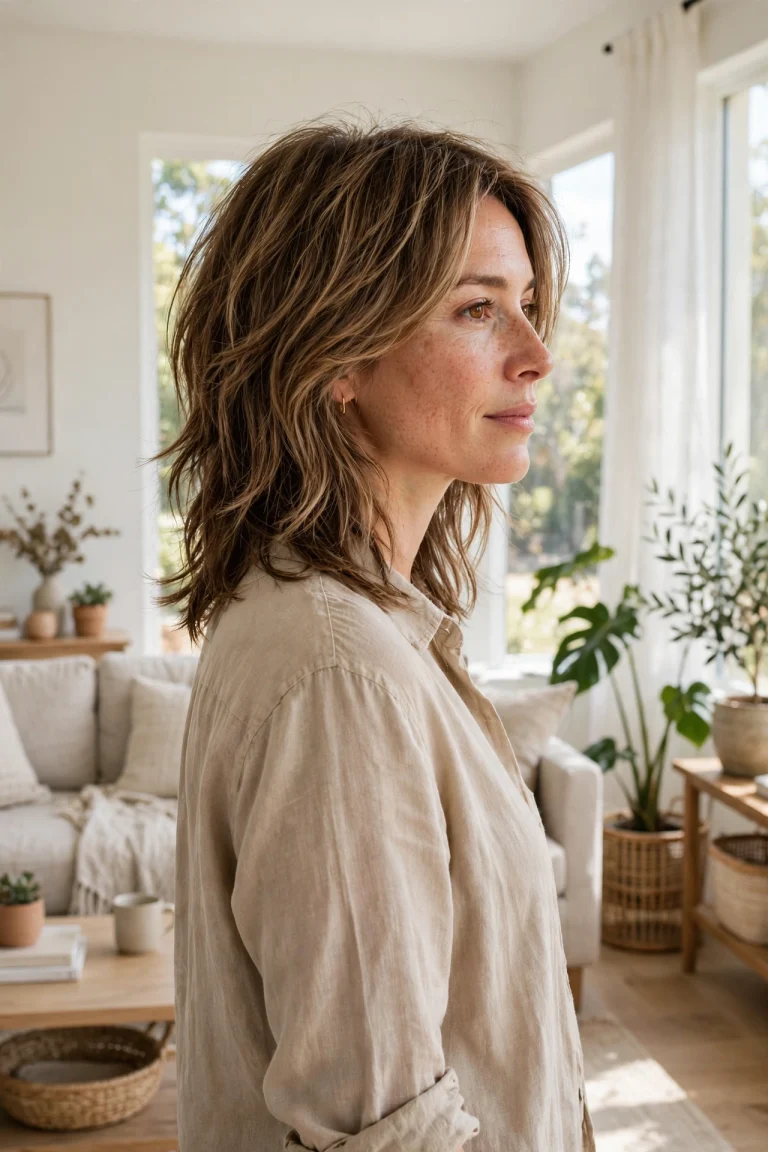
10. Shaggy Wolf Cut
The shaggy wolf cut blends wolf-cut volume with an extra-relaxed, shaggy finish. Layers are left slightly longer and more blended, so the cut feels softer than a classic wolf cut. It is a good middle ground if you want edge without too much drama.
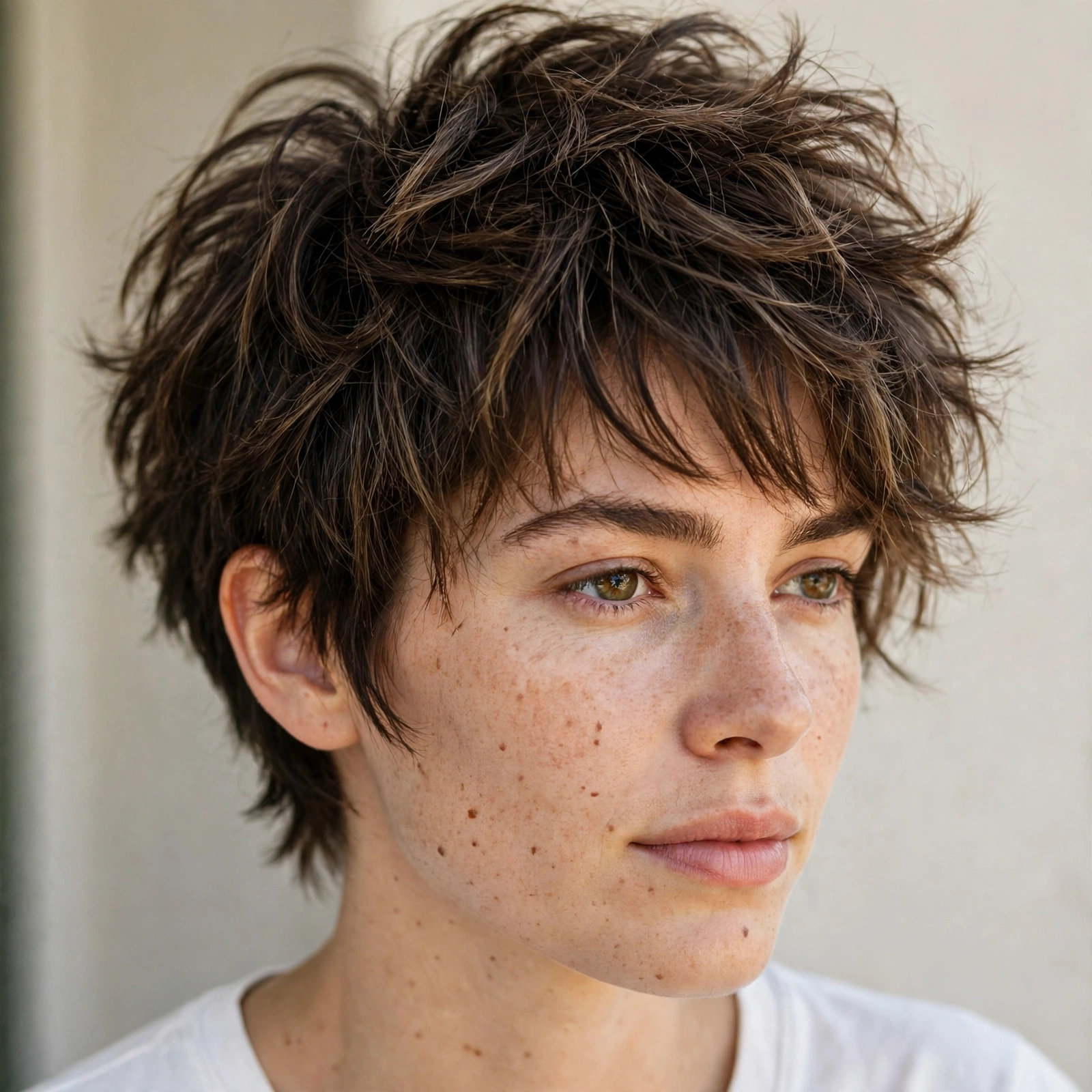
11. Edgy Wolf Cut
This version turns up the attitude with sharper layering and more dramatic contrast between top and ends. The shape is intentionally bold, with strong texture and a confident silhouette. Pair it with minimal styling to let the cut speak for itself.
12. Soft Wolf Cut
A soft wolf cut keeps the signature layered shape but rounds off the edges for a gentler finish. The crown still has volume, but the transitions between layers are smoother and less choppy. It is ideal if you love the wolf cut shape but prefer a softer overall look.
13. Wolf Cut with Choppy Layers
Choppy layers give this wolf cut a jagged, energetic texture that catches the eye. Each layer ends at a slightly different point, creating a sense of movement throughout the hair. It works especially well on hair with natural wave.
14. Wolf Cut with Volume on Top
This wolf cut focuses its fullness right at the crown, creating a lifted, rounded top. The volume draws the eye upward and gives the whole cut a bold, confident profile. A root-lifting product helps maintain the lift between washes.
15. Wolf Cut for Thick Hair
Thick hair suits the wolf cut well, since the layers remove weight while keeping the shape full. Internal layering prevents thick hair from becoming too wide or heavy. The result is a cut that feels lighter but still looks abundant.

16. Wolf Cut for Fine Hair
For fine hair, this wolf cut uses shorter, tighter layers to build the appearance of density on top. The tapered ends keep the lengths from looking sparse, while the crown layers add lift. Light volumizing products work best to avoid weighing the hair down.
17. Wolf Cut with Flipped Ends
Flipped ends add a playful flick to the tapered lengths of this wolf cut. The flip can be styled outward for a retro feel or kept subtle for everyday wear. Either way, it adds a finishing detail that makes the cut feel complete.
18. Messy Wolf Cut
The messy wolf cut is all about embracing an undone, tousled finish. Layers are scrunched and left to fall naturally, with texture product helping each piece stay distinct. It is the lowest-effort way to wear this bold cut.
19. Sleek Wolf Cut
A sleek wolf cut smooths the top layers while keeping the tapered, textured ends. The polished crown contrasts with the wilder lengths for a modern, controlled look. It is a great option when you want the wolf shape for a more formal setting.
20. Wolf Cut with Face-Framing Layers
Face-framing layers soften the wolf cut by opening up the face and blending the top layers downward. The framing pieces add movement around the cheeks and jawline without changing the overall silhouette. This version feels balanced and flattering.
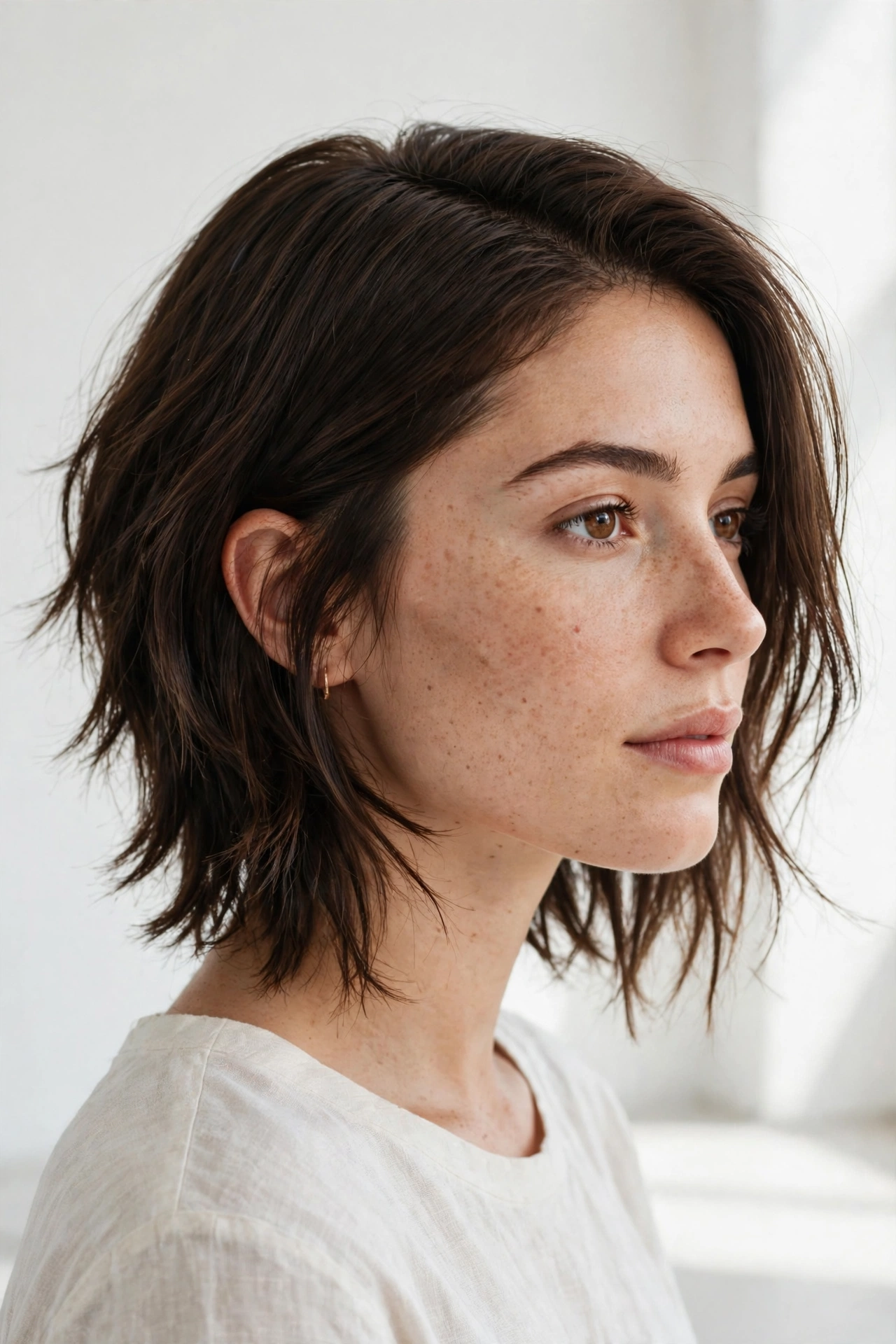
21. Layered Wolf Cut with Movement
This wolf cut is cut specifically to move, with layers that swing and bounce as you turn your head. The layering is graduated so that no section feels stiff or stuck in place. It is a lively, dynamic take on the style.
22. Wolf Cut with Airy Ends
Airy ends give this wolf cut a light, feathered finish at the bottom. The lengths are thinned just enough to float rather than hang heavily. It is a lovely choice for long hair that needs a sense of lightness.
23. Wolf Cut with Defined Texture
Defined texture is the focus here, with each layer styled to stand out clearly. A small amount of styling cream or wax helps separate the pieces and hold their shape. The result is a wolf cut that looks intentionally sculpted.
24. Grown-Out Wolf Cut
A grown-out wolf cut softens as the layers lengthen, creating a relaxed, lived-in version of the style. The shape stays recognizable but feels more casual and easygoing. It is perfect if you like the wolf cut but prefer longer gaps between trims.
25. Everyday Wolf Cut
The everyday wolf cut is a wearable version of the bold style, with balanced layers that work for school, work, or weekends. It has all the texture and volume of a wolf cut without feeling over-the-top. Style it quickly with texture spray and you are ready to go.
Styling Tips
- Apply texture spray or light mousse to damp hair, then scrunch the crown and lengths to build volume.
- Dry with a diffuser on low heat to keep the layered shape without flattening the top.
- Use your fingers instead of a brush to style, so the layers stay separated and piecey.
- Lift the roots with a quick blast of cool air or a root-lifting spray for extra crown volume.
- Twist small sections at the ends while drying to encourage tapered, textured tips.
- Trim every six to eight weeks to keep the contrast between the crown and the ends sharp.
- Avoid heavy serums near the crown, which can flatten the volume that defines the wolf cut.
Frequently Asked Questions
What makes a wolf cut different from a shag?
A wolf cut has more dramatic contrast, with much shorter, fuller layers on top and longer, tapered lengths below. A shag tends to be more evenly layered throughout, while a wolf cut leans into that bold top-to-bottom difference.
Is a wolf cut hard to style?
No, the wolf cut is generally easy to style because the layers do most of the work. A little texture product and some scrunching or diffusing is usually enough to bring out the shape.
Does a wolf cut work for straight hair?
Yes, a wolf cut can work on straight hair, though the texture comes mainly from the choppy layers and tapered ends. Texture spray helps keep the layers defined on straighter hair types.
Will a wolf cut suit a round face?
A wolf cut can suit many face shapes, especially when the layers are adjusted to frame the face. Face-framing layers and a bit of crown height help balance and elongate the overall look.
How long does a wolf cut take to grow out?
A wolf cut grows out gradually, softening into a more relaxed layered cut over a few months. Regular trims keep the shape intentional, but the grow-out phase itself is usually quite wearable.