25 Color Melt Ideas for a Seamless Gradient
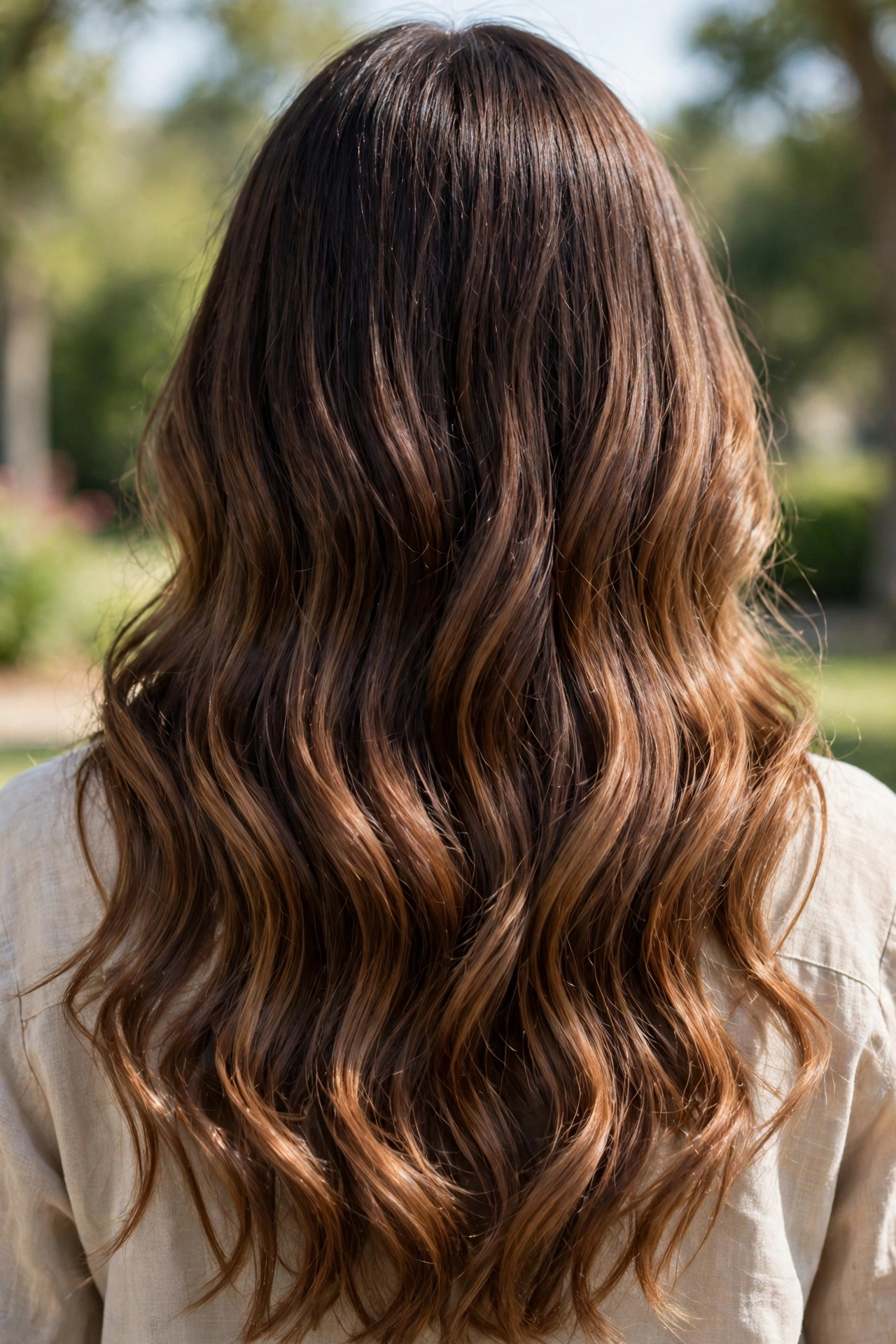
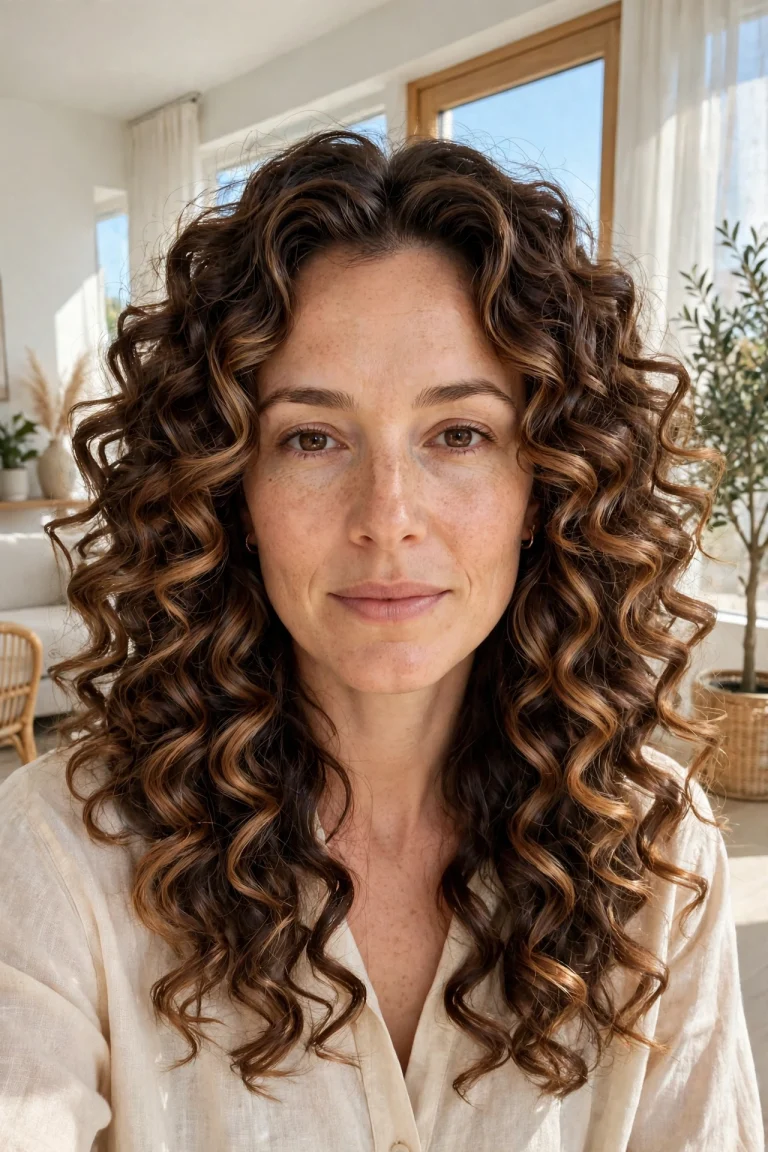
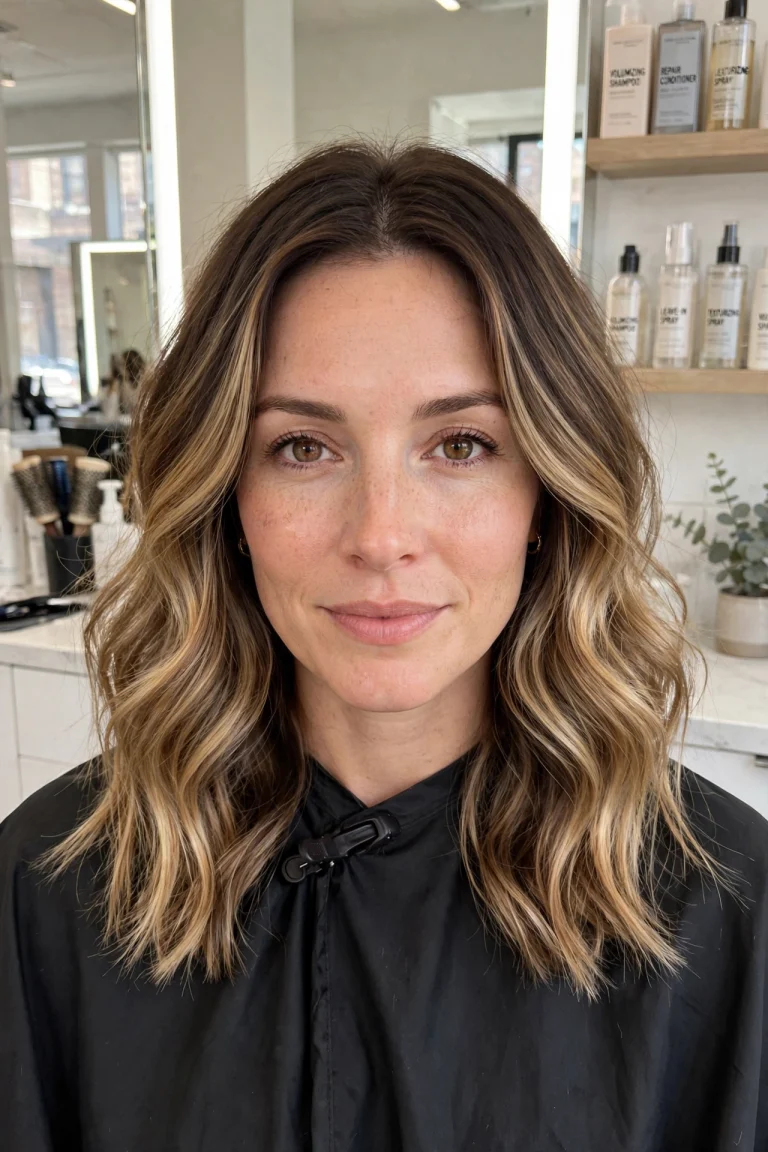
A color melt is all about the blend: one shade flows into the next so smoothly that you cannot tell where one ends and the other begins. Unlike a sharp contrast, a melt gives hair a soft, gradient finish that looks natural and grows out beautifully. These ideas explore seamless gradients for every base color and style preference.
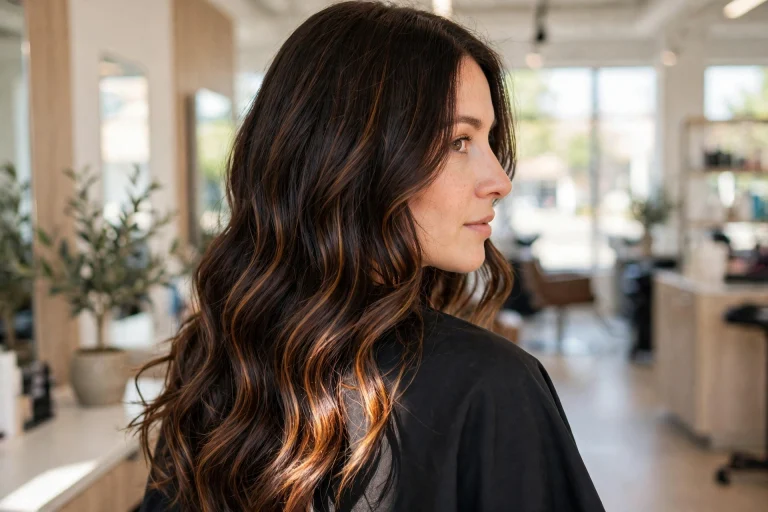
1. Dark Brown to Warm Bronze Gradient
A deep brown base flows gradually into warm bronze lengths for a gradient that glows without ever looking striped. The bronze builds slowly, so the transition feels like a natural warming of the hair. Loose waves show the gradient at its most fluid.
2. Black-Brown to Chestnut Gradient
Nearly black roots soften into rich chestnut ends in a gradient that adds warmth and light to very dark hair. The chestnut appears gradually, giving dark hair movement and richness. Straight, sleek styling makes the gradient look polished and seamless.
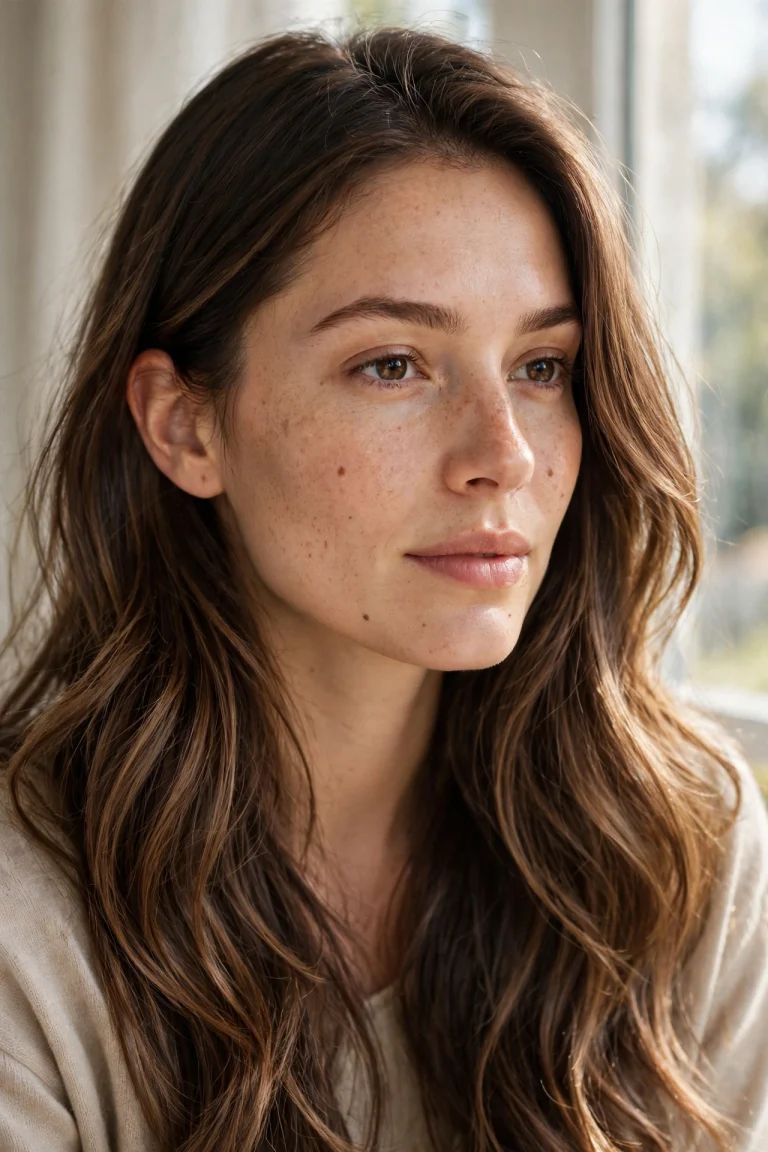
3. Deep Brunette to Golden Brown Gradient
Deep brunette roots melt into golden brown ends for a classic, wearable gradient full of warmth. The golden tones arrive so gradually that the hair looks naturally lightened by time outdoors. Long layers give the gradient room to unfold.
4. Chocolate Brown to Honeyed Bronze Gradient
Chocolate brown melts into a honeyed bronze that feels sweet and glowing without going fully blonde. The honeyed bronze lightens the overall look while keeping the richness of the chocolate base. Soft curls help the gradient blend even further.
5. Cool Brown to Ash Taupe Gradient
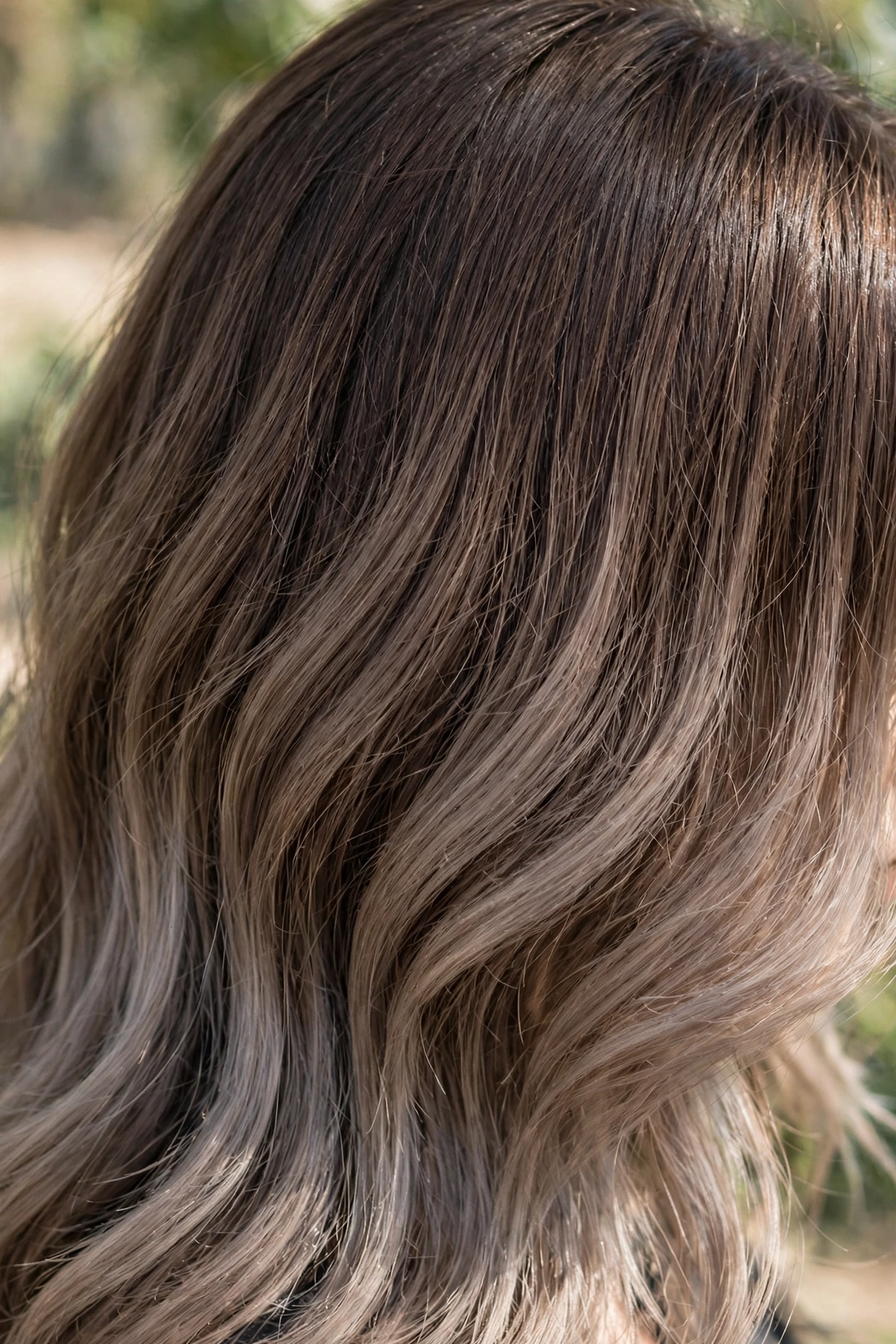
A cool brown base flows into muted ash taupe ends for a sophisticated, modern gradient. The taupe softens the ends without adding warmth, making this a great choice for cool complexions. A smooth blow-dry emphasizes the cool, seamless finish.
6. Warm Brown to Copper Glow Gradient
Warm brown roots melt into a glowing copper finish that feels like autumn light captured in the hair. The copper intensifies gently toward the ends, never arriving all at once. Loose, bouncy waves make the copper glow look radiant.
7. Dark Roots to Soft Beige Gradient
Dark roots flow into soft beige ends in a gentle gradient that lightens the hair without a dramatic blonde commitment. The beige is muted and creamy, keeping the overall look soft and natural. A lob length shows this gradient beautifully.
8. Espresso to Smoky Bronze Gradient
Espresso roots melt into a smoky bronze that combines depth with a hint of warmth. The smoky quality keeps the bronze from looking too golden, giving a refined, modern gradient. Sleek, straight styling highlights the smoky transition.
9. Medium Brown to Caramel Cream Gradient
Medium brown flows into a creamy caramel that feels soft, sweet, and luminous. The creaminess of the caramel keeps the gradient gentle, even as the ends get noticeably lighter. Wavy styling blends the caramel cream into the brown base.
10. Rich Brown to Amber Gradient
Rich brown roots warm gradually into glowing amber ends, a gradient full of depth and radiance. The amber builds in intensity, so the lightest part of the hair sits exactly where light would naturally hit it. A shine serum enhances the amber glow.
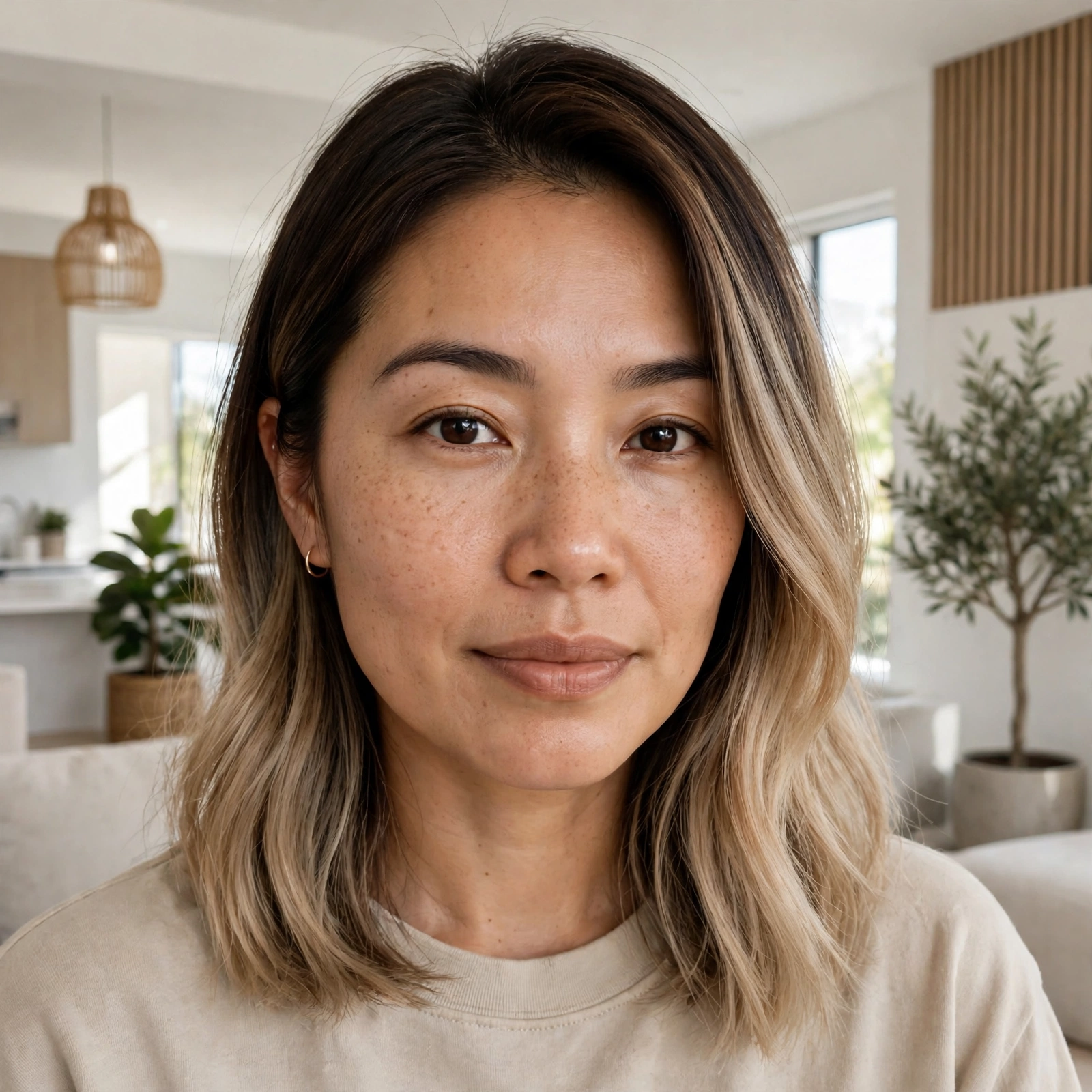
11. Cool Dark Brown to Silvered Ash Gradient
Cool dark brown melts into a silvered ash that feels chic and fashion-forward without a harsh line. The silvered ends lighten the look while keeping the cool, muted palette intact. Straight hair shows the silvered gradient most clearly.
12. Warm Brunette to Rosewood Gradient
Warm brunette roots flow into a soft rosewood finish, a muted reddish-brown that adds romance to the gradient. The rosewood appears gradually, giving the hair a rosy warmth that flatters many skin tones. Soft waves keep the rosewood looking dreamy.
13. Deep Brown to Muted Auburn Gradient
Deep brown melts into a muted auburn that adds a gentle reddish warmth to the ends. The muted quality keeps the auburn wearable and natural, rather than fiery. A gloss treatment helps the muted auburn stay rich between visits.
14. Dark Brown to Soft Peach Bronze Gradient
Dark brown roots transition into a soft peach bronze, a warm, playful gradient with a hint of blush. The peach is kept subtle so the gradient stays elegant and grown-up. Wavy or curly styling softens the peach bronze further.
15. Chocolate to Milky Coffee Gradient
Chocolate brown flows into a milky coffee shade that lightens the ends with a creamy, neutral softness. The milky coffee tone avoids both gold and ash extremes, making it widely flattering. A smooth, polished blow-dry suits this creamy gradient.
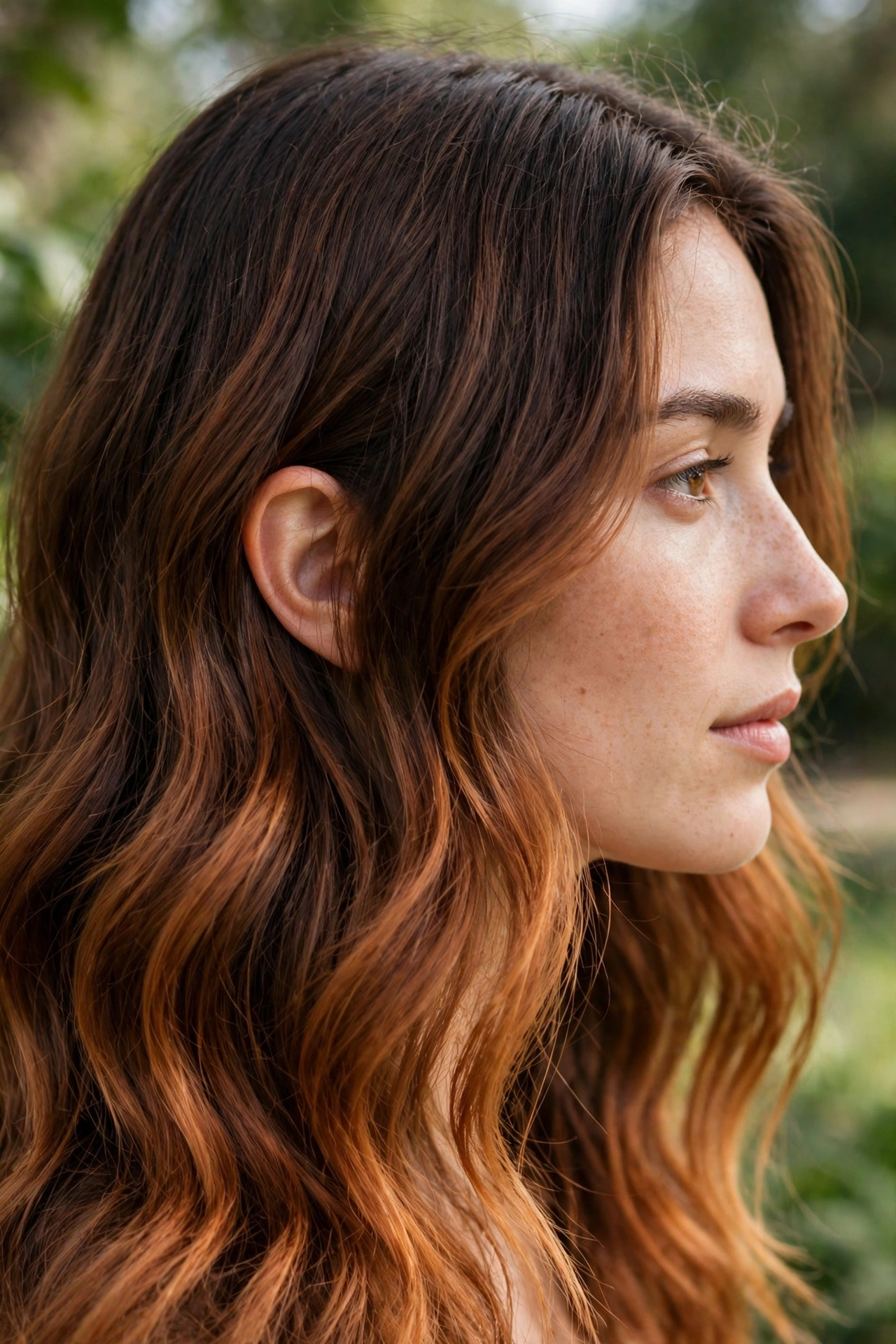
16. Black to Warm Walnut Gradient
Black hair melts into warm walnut ends for a gradient that adds light and dimension to the darkest bases. The walnut warms gradually, so the change feels natural even on very dark hair. Long, flowing styling shows the walnut gradient gracefully.
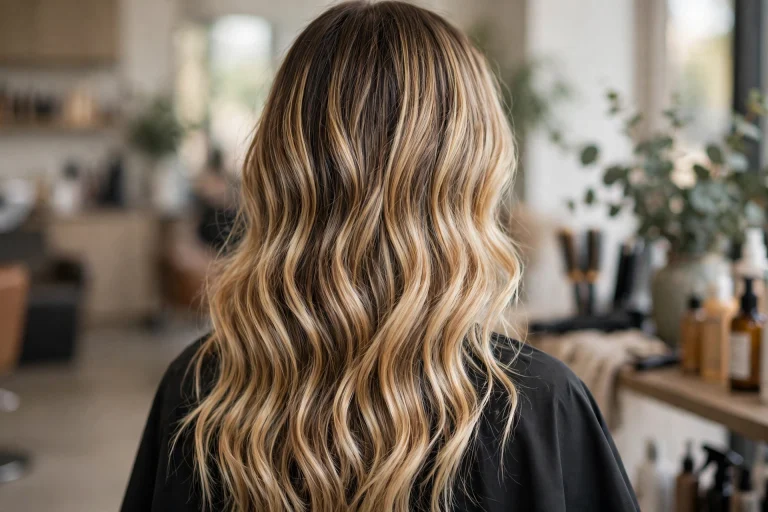
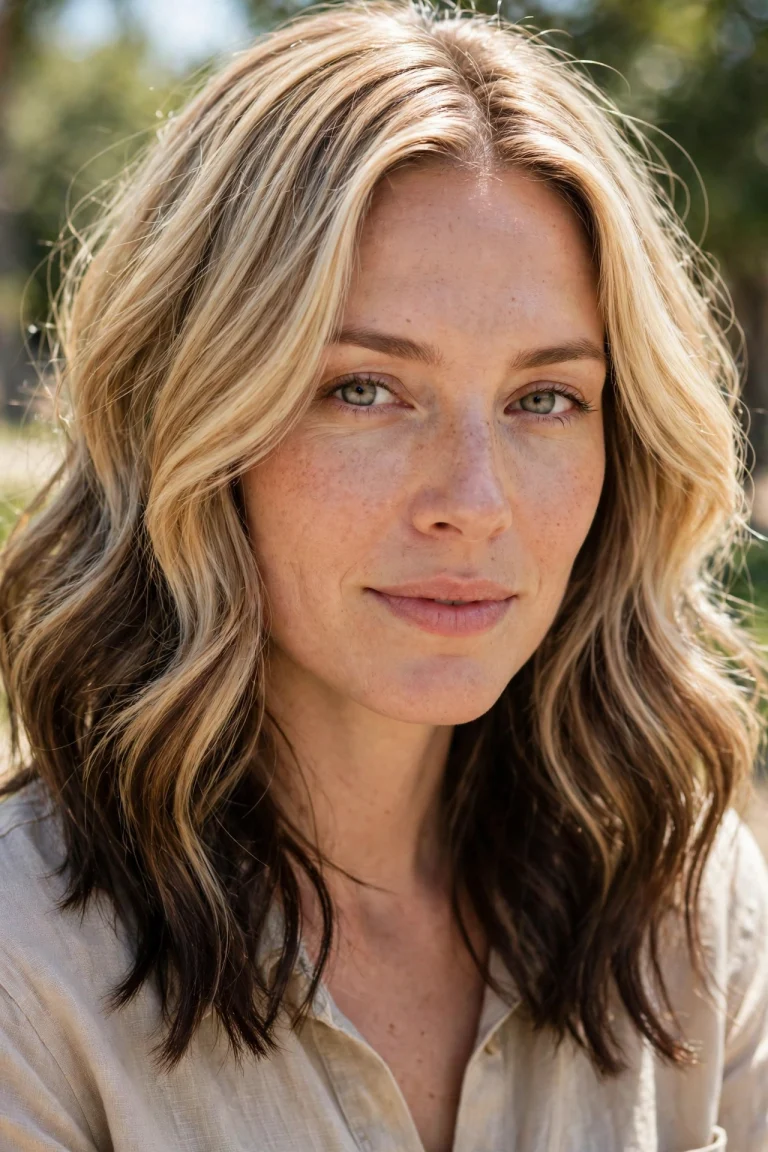
17. Brunette to Dusty Blonde Gradient
Brunette roots melt into a dusty, muted blonde that feels soft and modern rather than bright. The dusty quality keeps the blonde understated, perfect for a seamless, low-drama gradient. A textured lob pairs beautifully with this gradient.
18. Dark Brown to Pale Sand Gradient
Dark brown flows into pale sand ends, a light, neutral gradient that brightens the hair considerably while staying blended. The pale sand is diffused into the brown so there is no visible line. Beachy waves complement the sandy finish.
19. Cool Brunette to Icy Taupe Gradient
Cool brunette roots melt into an icy taupe that feels crisp, modern, and luminous. The icy taupe lightens the ends while keeping the overall palette cool and refined. Sleek styling makes the icy transition look especially seamless.
20. Warm Brown to Apricot Glow Gradient
Warm brown melts into a glowing apricot that adds a sunny, cheerful warmth to the ends. The apricot builds gently, so the gradient feels like a natural warming rather than a bold color change. Loose waves make the apricot glow radiant.
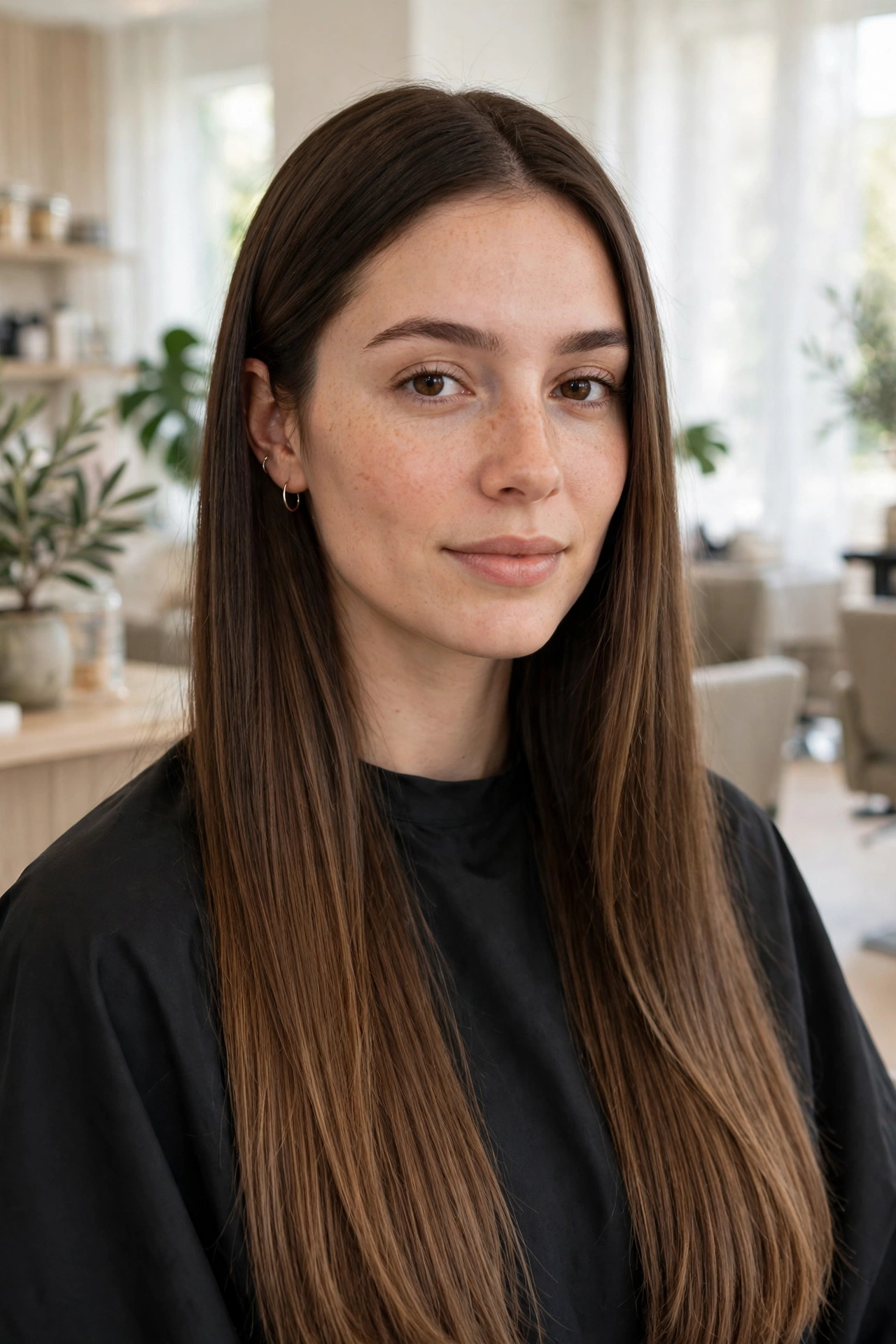
21. Espresso to Soft Gold Gradient
Espresso roots flow into soft gold ends for a luminous gradient with real radiance. The gold is kept soft rather than brassy, giving the hair a glowing, healthy finish. Long layers let the soft gold unfold gradually.
22. Deep Brown to Blush Copper Gradient
Deep brown melts into a blush copper, a softened copper with a rosy tint that feels romantic and modern. The blush copper lightens the ends with warmth and a touch of pink. Soft, romantic waves suit this gradient perfectly.
23. Medium Brown to Buttery Sand Gradient
Medium brown flows into a buttery sand that feels warm, creamy, and sunlit without harshness. The buttery sand lightens the hair gently, keeping the gradient soft and natural. A wavy blow-dry enhances the buttery finish.
24. Dark Roots to Bronzed Ends Gradient
Dark roots melt into bronzed ends for a gradient that adds warmth and a healthy glow to the lengths. The bronzed ends catch the light beautifully, especially in wavy or curly styles. A texturizing spray adds movement to the bronzed finish.
25. Seamless Three-Tone Brunette Gradient
Three closely related brunette tones flow from dark roots through a medium mid-length to lighter ends, creating the most gradual gradient of all. The three tones blend so completely that the hair looks dimensional yet entirely natural. This gradient suits any length and grows out exceptionally well.
Styling Tips
- Style a color melt with smooth, flowing finishes first, since sleek hair shows the gradient most clearly.
- Use a shine serum or gloss spray to emphasize the seamless transition between tones.
- Avoid harsh partings or chunky styling that could break up the soft gradient visually.
- Blow-dry with a round brush for a polished melt, or use loose waves for a softer gradient effect.
- Use sulfate-free, color-safe shampoo and wash in cool water to preserve the gradient tones.
- Book a gloss refresh every six to eight weeks to keep the gradient blended and fresh.
- Protect hair from sun and chlorine, which can distort gradient tones unevenly.
- Deep condition weekly to keep the lightened ends smooth enough to blend seamlessly.
Frequently Asked Questions
What is a color melt?
A color melt is a coloring technique where one shade blends seamlessly into the next, creating a smooth gradient with no visible line. It usually starts darker at the roots and gets lighter toward the ends. The result looks natural and grows out gracefully.
How is a color melt different from balayage?
Balayage is the hand-painted application technique, while a color melt describes the blended, gradient result. Many color melts are created using balayage painting. The key difference is the emphasis on an ultra-smooth, line-free transition.
Does a color melt work on dark hair?
Yes, color melts are excellent for dark hair because the gradual transition avoids harsh lines. Your colorist can choose how light the ends go, from a subtle warming to a brighter gradient. The darker the base, the more gradual the melt should be for a natural look.
How long does a color melt last?
A color melt typically looks great for three to four months, since the soft gradient disguises regrowth. A gloss or toner refresh around week six to eight keeps the tones blended. Fading depends on washing habits, sun exposure, and hair porosity.
Can I get a color melt on short hair?
Yes, though the gradient will be more compact on shorter lengths. Your colorist will adjust the transition to suit a bob or lob, often focusing on a gentle lightening toward the ends. Bring photos at your hair length to your consultation.