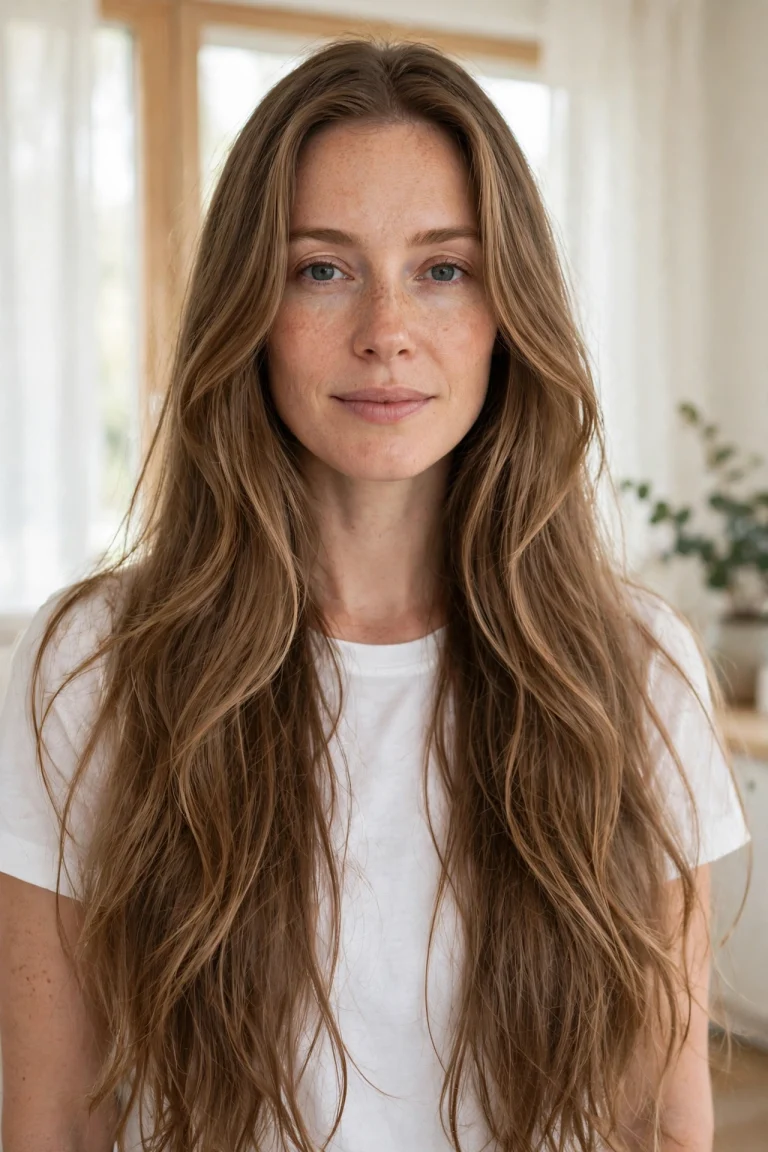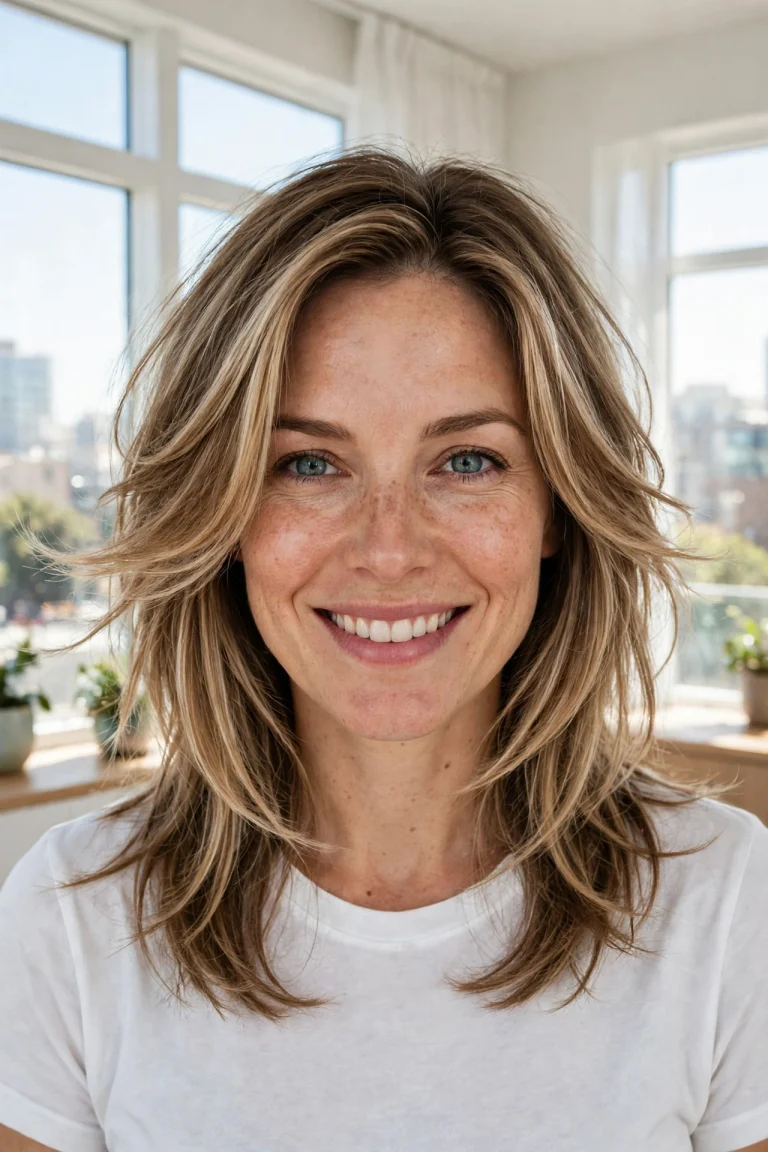
25 Face-Framing Layers Ideas for Wavy Hair With Movement
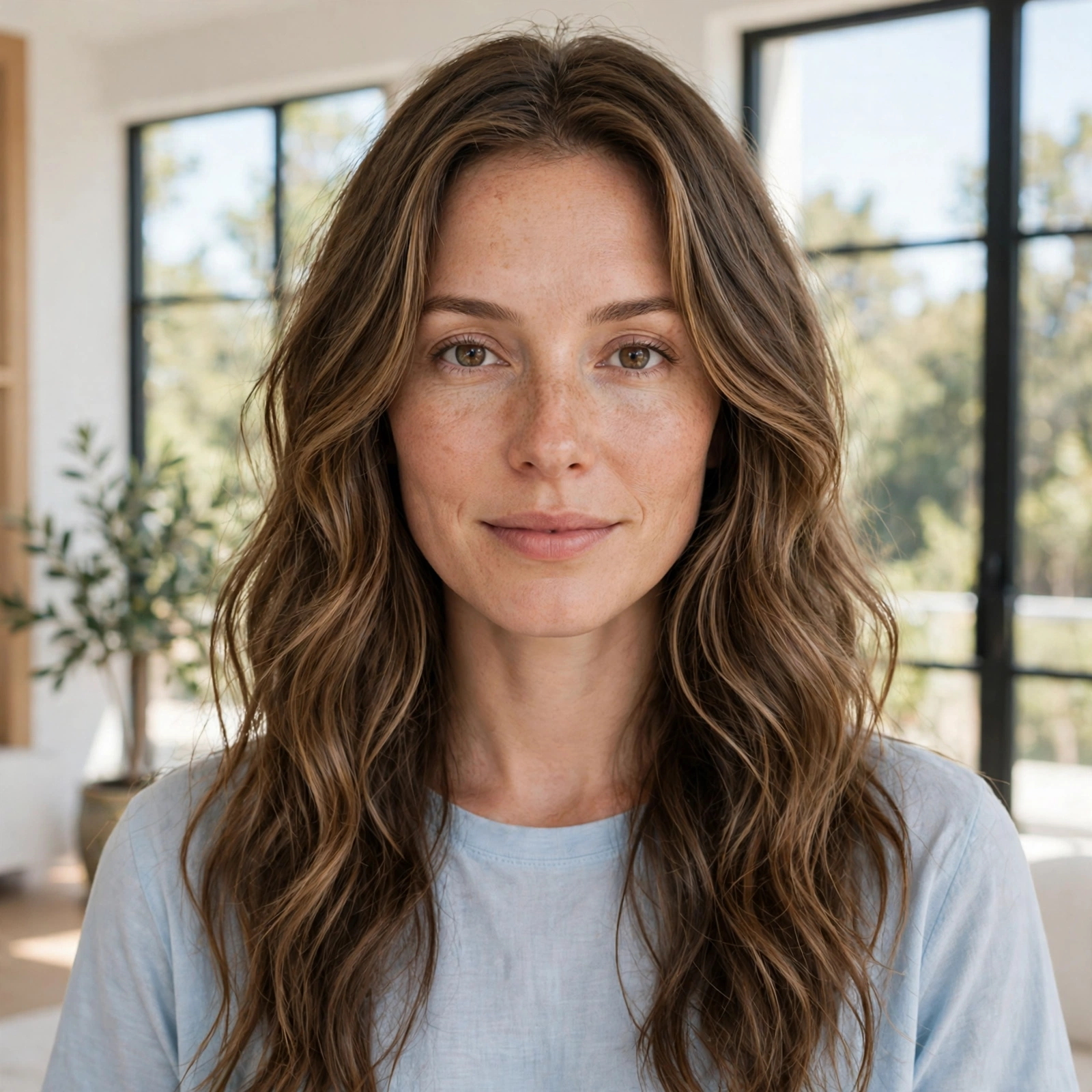
Wavy hair already has natural rhythm, and face-framing layers are what turn that rhythm into visible movement. The right layers let each wave fall in its own soft line instead of clumping into one heavy shape. These twenty-five ideas show how layered cuts can lift, separate, and guide waves around the face for a look that moves beautifully all day.
1. Soft Wave-Skimming Face Frame
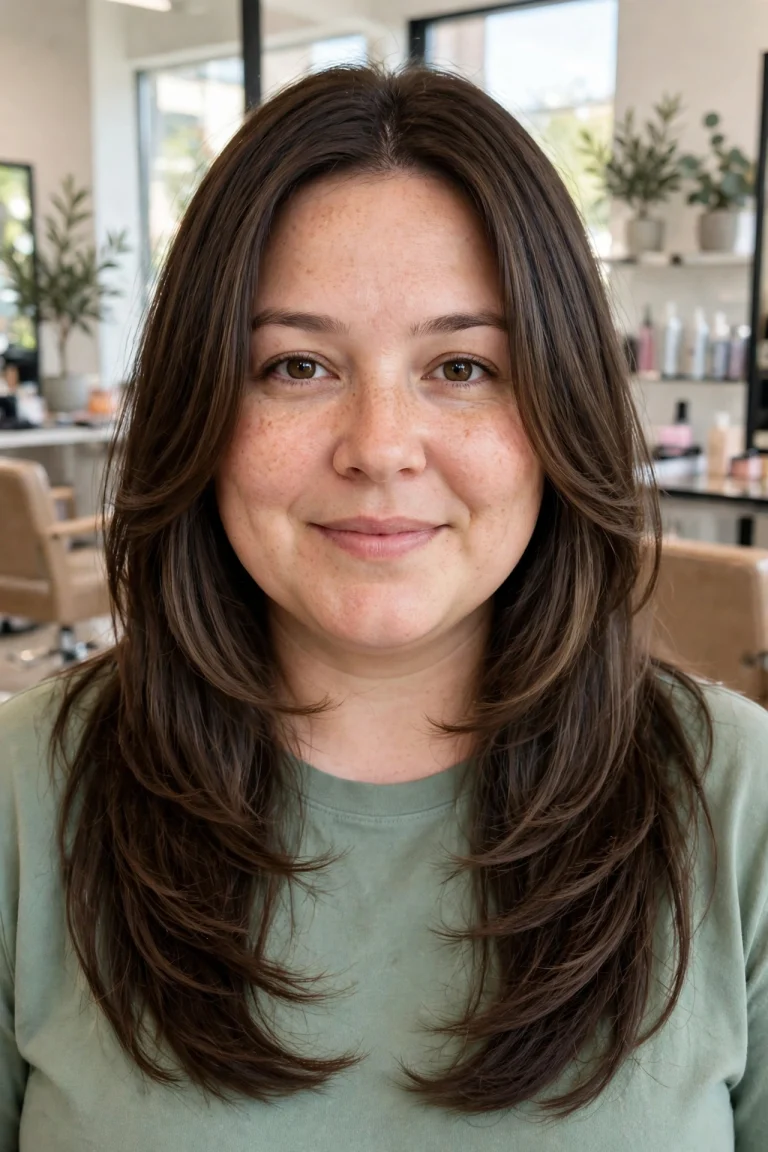
Short layers skim the cheekbones and melt into longer waves behind, so the front of the hair never looks flat. Each wave gets room to bend on its own, which makes the whole cut feel light and fluid. This is a lovely starting point if you want visible movement without a dramatic change.
2. Cheekbone-Sweeping Wavy Layers
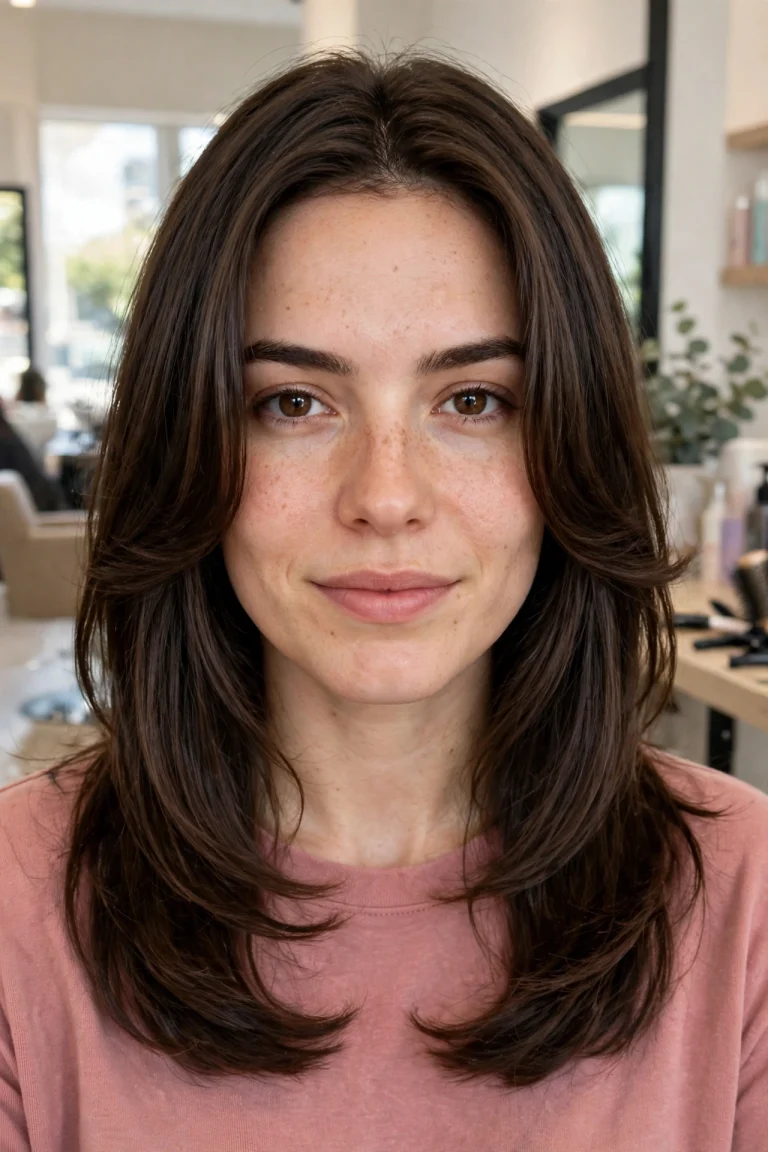
Layers that begin at the cheekbones sweep outward in a soft diagonal, guiding waves away from the face. The sweep opens up the cheek area while keeping the waves full through the lengths. It pairs beautifully with a side part for extra swing.
3. Breezy Mid-Length Wave Layers
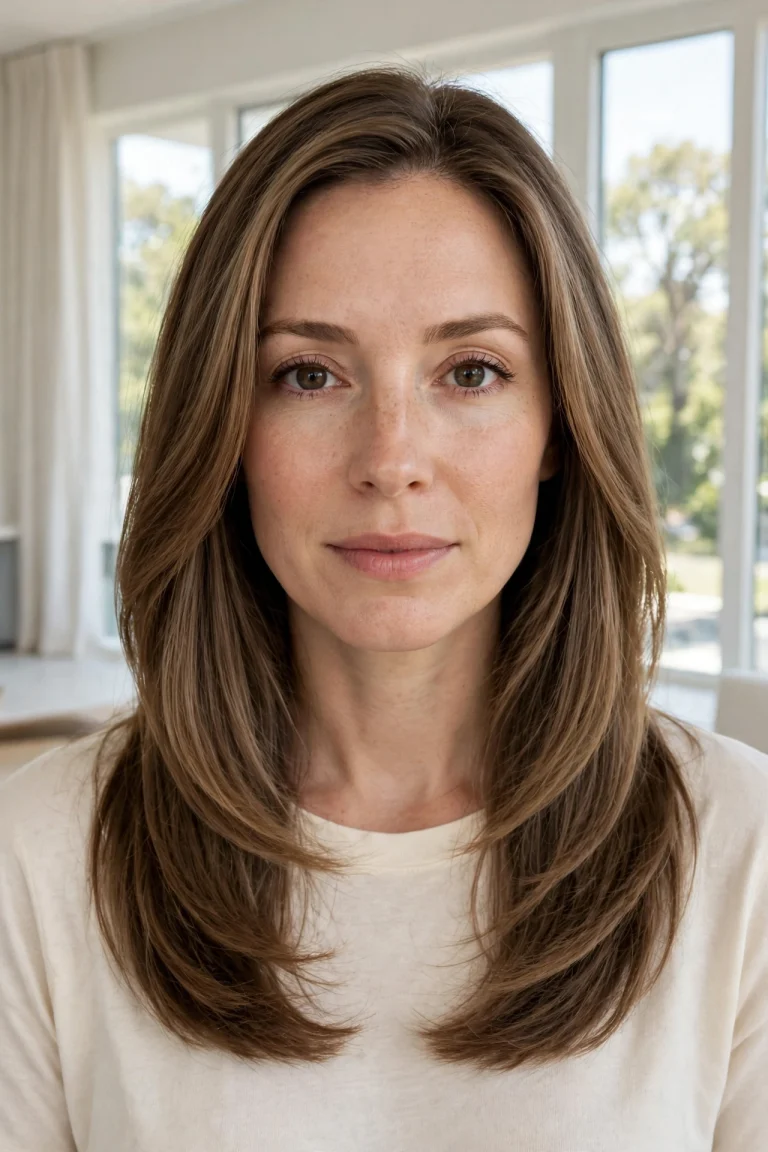
A mid-length cut with evenly spaced layers gives waves a breezy, open shape that never feels weighed down. The layers sit far enough apart to let air and movement through the hair. It is an easy, flattering choice for everyday wavy hair.
4. Ripple-Effect Face Framing
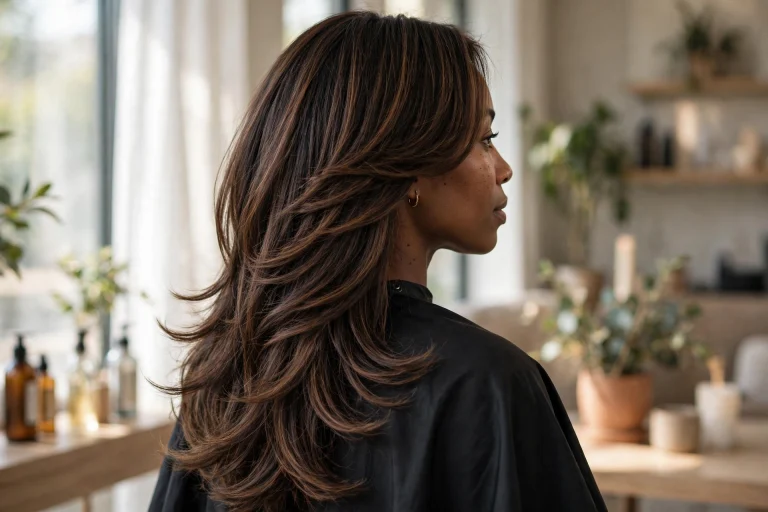
Short front layers ripple into longer ones like small waves following a larger one, creating a continuous sense of motion. The effect is subtle from the front and striking in profile. It works best when waves are left to dry naturally with a little wave cream.
5. Flowing S-Wave Layers
Layers are cut to follow the natural S-shape of wavy hair, so each bend lands exactly where the wave wants to turn. This keeps the cut looking smooth rather than choppy. The result is a flowing silhouette with movement built into every section.
6. Airy Wave Layers with a Side Sweep
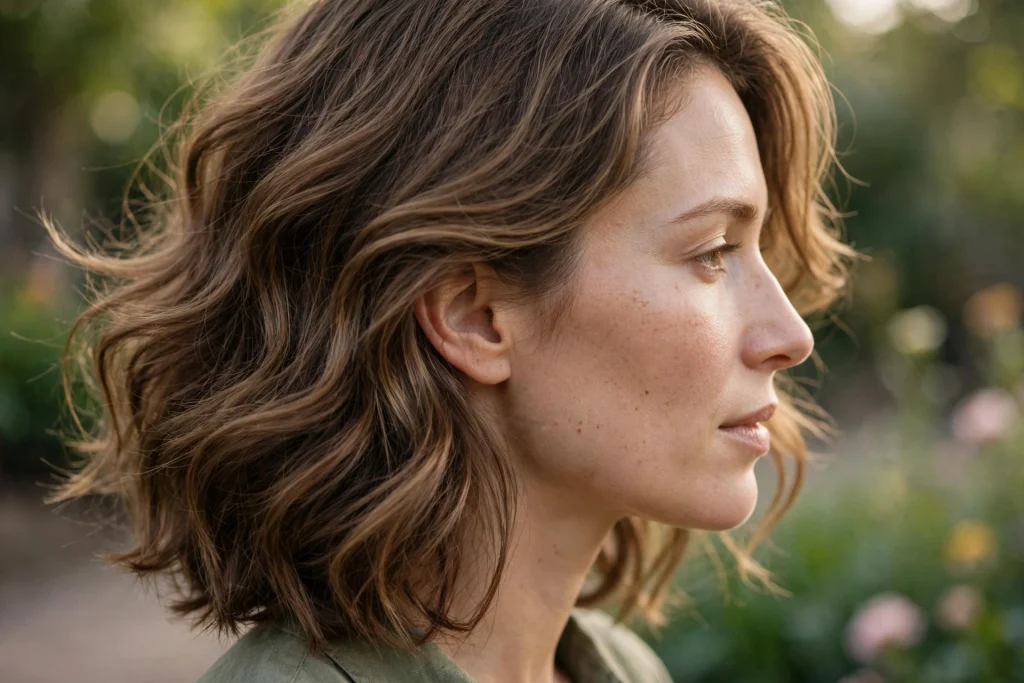
A deep side sweep across the forehead combines with airy layers through the lengths for a soft, windswept feel. The longer side carries the most movement, swinging gently as you move. This style suits waves that fall loosely rather than tightly.
7. Loose Crest-and-Trough Layers
Layers are placed to echo the crests and troughs of natural waves, lifting the high points and softening the low ones. This gives wavy hair a deliberate, sculpted rhythm instead of random frizz. A diffuser on low heat helps each crest hold its shape.
8. Shoulder-Grazing Wavy Frame
Face-framing layers that end just at the shoulders keep waves compact and bouncy. The shorter length stops waves from stretching out under their own weight. It is a fresh, lively option for waves that go flat when they grow long.
9. Tousled Tide Layers
Uneven, softly separated layers create a tousled, tide-like texture that looks gently undone. The front pieces frame the face loosely while the back layers add body. Scrunching with a light mousse brings out the tousled movement.
10. Gentle Bend Layers for Natural Waves
These layers are cut long and soft so they simply enhance the bend already in your hair. Nothing is cut short enough to create a sharp step, which keeps the shape smooth. It is ideal if you like your waves to look natural and effortless.

11. Feather-Light Wave Ends
The ends of the layers are feathered so each wave tip moves independently, giving the cut a weightless finish. This stops wavy hair from forming a heavy, triangular outline. A little smoothing cream on the ends keeps the feathering soft.
12. Long Wavy Layers with a Curved Front
Long layers through the back meet a curved, face-hugging front section that bends gently inward. The curve draws attention to the cheekbones while the long waves flow freely behind. It is a graceful shape for longer wavy hair.
13. Cascade Wave Framing
Layers fall in a cascade from the face down to the ends, each one slightly longer than the last. The waterfall effect makes waves look longer and more fluid. It photographs beautifully and moves well in a breeze.
14. Softly Separated Wavy Pieces
Layers are cut so waves separate into soft, distinct pieces rather than one solid curtain. The separation shows off the wave pattern and adds depth. Finger-combing after drying keeps the pieces defined without frizz.
15. Movement-First Wavy Layers
Every layer in this cut is placed to maximise swing, with the shortest pieces at the front and the longest at the back. The hair moves as a whole when you turn your head. It is a great choice if you love hair that feels alive and dynamic.
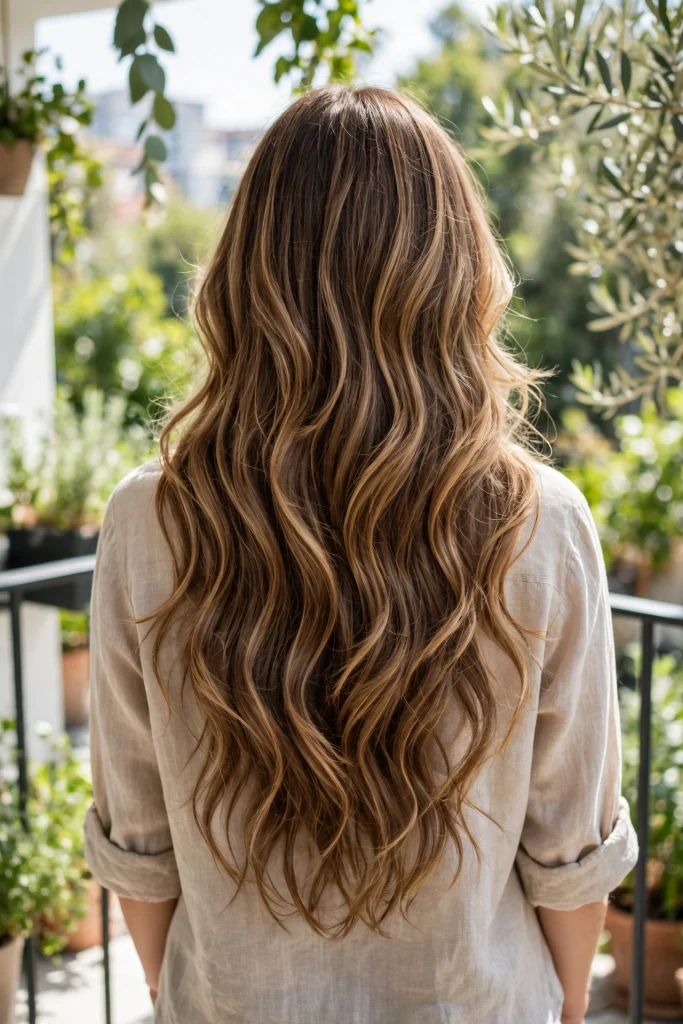
16. Wavy Layers with a Deep Side Part
A deep side part gives the top layers extra lift, and the waves fall in a sweeping diagonal across the face. The asymmetry adds instant movement even before you style it. Flip the part occasionally to keep the roots from lying flat.
17. Flowing Layers for a Centre Part
With a centre part, face-framing layers fall evenly on both sides in a balanced, flowing frame. The symmetry makes waves look polished while still moving freely. This shape suits waves that are fairly even on both sides of the head.
18. Beach-Bend Face Layers
Layers are shaped to mimic the soft bend of hair dried by the sea air, with gentle kinks rather than strict curls. The front pieces bend away from the face for an open, relaxed look. Salt spray on damp hair enhances the beachy movement.
19. Cloud-Soft Wavy Layers
Long, softly blended layers give wavy hair a cloud-like fullness with no harsh lines. The waves look pillowy and touchable rather than sharply defined. This is a forgiving cut that grows out gracefully between appointments.
20. Layered Waves with Lifted Roots
Shorter layers near the crown lift the roots, so waves start with volume instead of lying flat at the top. The lift carries down through the face-framing pieces. Root-lifting spray applied to damp hair helps hold the shape.
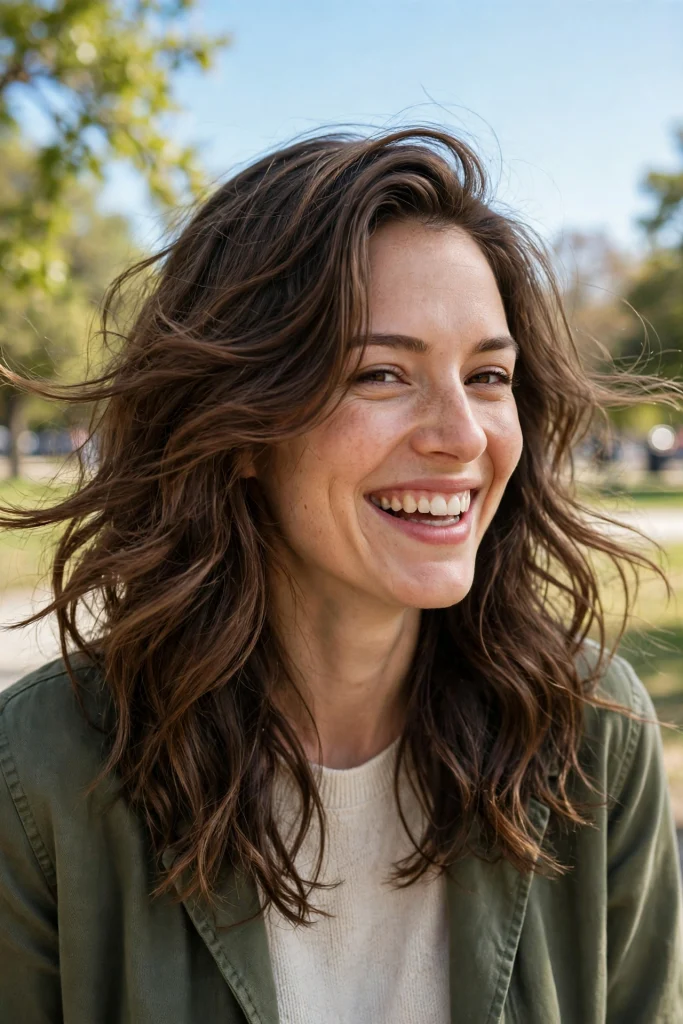
21. Wavy Layers with Curled-Under Ends
The ends of the layers curl gently under, giving waves a neat, rounded finish that still moves. The curled-under shape keeps the outline tidy without stiffness. A round brush used on just the ends creates this finish easily.
22. Flowing Ribbon Layers
Long, ribbon-like layers twist softly around each other as they fall, creating a smooth, continuous flow. The ribbons catch the light differently as they move, adding shine and dimension. This look suits waves with a consistent, loose pattern.
23. Softly Layered Wavy Lob Frame
A long bob with face-framing layers gives waves a compact frame that bounces with every step. The lob length keeps the waves springy and full of life. It is a modern, easy-to-style option for wavy hair.
24. Wavy Layers with a Face-Opening Sweep
Front layers sweep back and away from the face, opening up the features while the waves stay full behind. The open front makes the style feel fresh and airy. Tucking one side loosely behind the ear varies the look instantly.
25. Long Flowing Wave Layers
Very long layers preserve maximum length while still giving waves room to move at the ends. The face frame is kept soft and long so it blends into the lengths. This is the best choice if you love long hair but want it to sway rather than hang.
Styling Tips
Apply wave cream or light mousse to damp hair, then scrunch upward to encourage the natural wave pattern. Diffuse on low heat and low speed, or air-dry, to protect wave shape and reduce frizz. Avoid brushing dry wavy layers, as this breaks up wave clumps and creates unwanted puffiness. Use a wide-tooth comb on wet hair only, working gently from the ends upward. Refresh second-day waves with a light water mist and a small amount of leave-in conditioner. Sleep on a satin pillowcase or in a loose braid to keep layered waves smooth overnight. Trim layers every eight to ten weeks to keep the face frame defined and the ends healthy. Finish with a lightweight oil on the ends only to add shine without weighing waves down.
FAQ
Will face-framing layers make my wavy hair frizzy?
Not when they are cut to follow your wave pattern. Layers that respect the natural bend of your waves actually reduce bulk and help waves clump neatly. Frizz usually comes from brushing dry hair or skipping moisture, not from the layers themselves.
How short should the face-framing layers start for wavy hair?
Cheekbone or chin length is a safe starting point for most wavy hair, since waves spring up slightly when dry. Your stylist can start longer and take more off gradually until the frame feels right. Bring photos showing the exact starting point you like.
Can I air-dry layered wavy hair and still get movement?
Yes, layered wavy hair is made for air-drying. Scrunch in wave cream, avoid touching the hair while it dries, and the layers will fall into their natural rhythm. A diffuser simply adds extra root lift if you want more volume.
Do layers work for fine wavy hair?
Yes, but the layers should be kept long and few so fine hair keeps its fullness. Short, choppy layers can make fine waves look thin at the ends. Ask for soft, blended layers that add movement without removing density.
How do I keep my layered waves looking good on day two?
Mist lightly with water, scrunch in a tiny amount of curl or wave cream, and let the hair dry untouched. This reactivates the wave pattern and the layering without a full wash. A little dry shampoo at the roots adds freshness and lift.