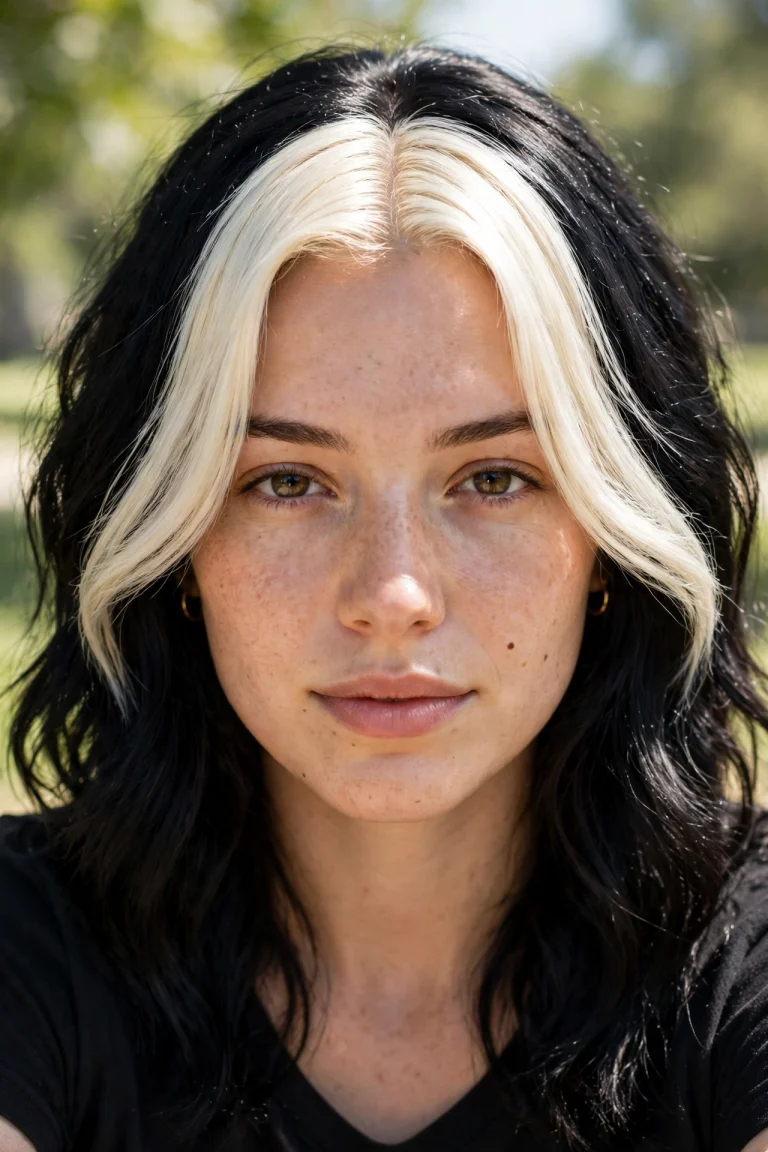
25 Gray Blending Ideas for a Seamless Silver Transition

Gray blending is not covering gray hair, and it is not surrendering to it either. It is the skilled middle path: weaving silver, white, and your natural colour together so the gray grows in as dimension rather than arriving as a line. Done well, the transition looks intentional, luminous, and entirely your own. These 25 ideas show how gray blending works at every stage, from the first silver strands to a full silver crown, with confidence at every step.
1. Gray Blending With Fine Babylights
Fine babylights in silver and pale blonde woven through the natural colour soften the contrast between pigmented hair and incoming gray. The highlights are kept whisper-thin and close together, so the eye reads shimmer rather than stripes. This is the gentlest entry into gray blending, and it buys months of graceful grow-out from the very first appointment.
2. Gray Blending While Growing Out Dye
Growing out old dye is where gray blending earns its reputation, since it turns the dreaded line of demarcation into soft, diffused dimension. The stylist paints silver-toned babylights and lowlights across the boundary, breaking the hard edge into a gradient. Within two or three appointments the line disappears, and the hair reads as deliberately blended rather than abandoned.
3. Silver Babylights on Dark Hair
Dark hair with incoming gray benefits from silver babylights placed densely around the face and part, where the gray shows first. The silver pieces mimic the natural gray pattern, so the real silver strands hide among them. The overall effect is a dark head of hair shot through with silver light, and the contrast feels designed rather than accidental.
4. Gray Blending With a Root Smudge
A root smudge in a tone between your natural colour and silver softens the root area so regrowth never arrives as a shock. The colour is tapped at the roots and blended downward with a soft edge, diffusing the boundary between new growth and old colour. It is the simplest maintenance tool in gray blending, and it extends every appointment by weeks.
5. Lowlights to Support Gray Blending
A few lowlights in your natural depth, placed between the silver pieces, keep gray blending from washing out into a single flat tone. The darker strands give the silver something to shine against, and the hair keeps its depth and shape. Used sparingly, lowlights are the quiet backbone of a believable blend, and one lowlight appointment can rescue a blend that has gone too pale.
6. Gray Blending for Short Hair and Pixies
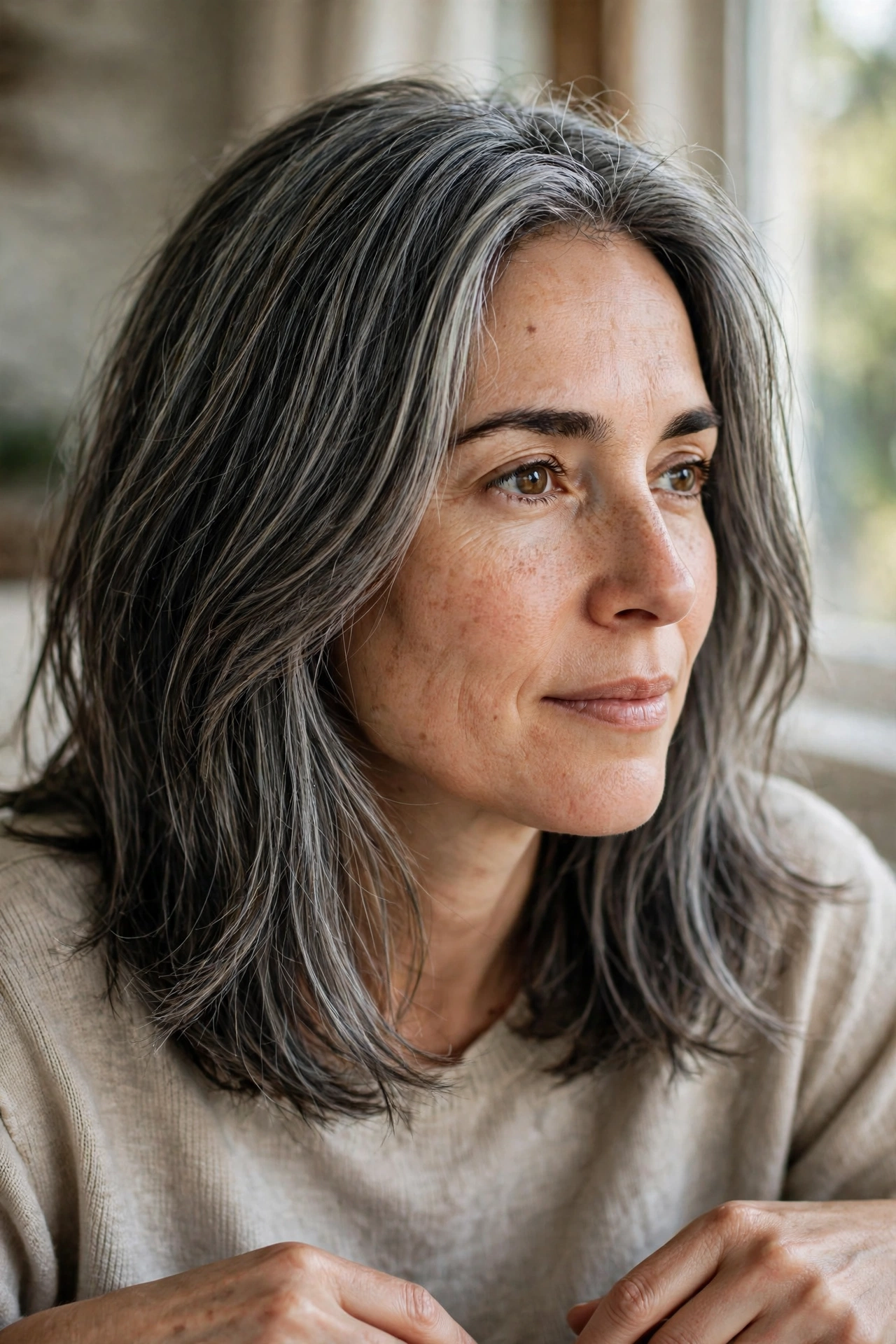
Short hair shows gray blending at its most striking, since the silver pattern sits close to the scalp and reads clearly. A pixie with blended silver looks sharp, modern, and deliberate, and the short length means the transition completes in months rather than years. It is the fastest route to a full silver style, and one of the chicest.
7. Gray Blending for a Bob
A bob with gray blending carries the silver dimension in a clean, graphic shape, with the blend visible along the part and the face frame. The blunt outline keeps the look polished, while the silver softens it. Ask for the blend to be heaviest around the face, where it flatters most, and slightly softer through the back.
8. Gray Blending for Long Hair
Long hair takes longer to transition, since the dyed lengths must grow out or be gradually blended over many months. The strategy is patience: babylights and lowlights through the lengths, a root smudge at every visit, and trims that slowly remove the oldest colour. The journey takes a year or more, but the hair stays beautiful at every stage, and the final silver is worth the wait.
9. Gray Blending on Curly Hair
Curly hair hides gray blending transitions better than any other texture, since the curls break up every line and edge naturally. The silver pieces are painted curl by curl, following the pattern so each highlight lands on a curve that catches the light. The result is a halo of silver-threaded curls, and the blend looks organic because the texture does half the work.
10. Gray Blending With a Silver Money Piece
A silver money piece, the two front sections blended to bright silver, frames the face in light and makes the whole blend look intentional. The brightness at the front draws the eye and flatters the complexion, while the back can transition more slowly. It is the fastest visible win in gray blending, and it photographs beautifully.
11. Gray Blending for Salt-and-Pepper in Progress
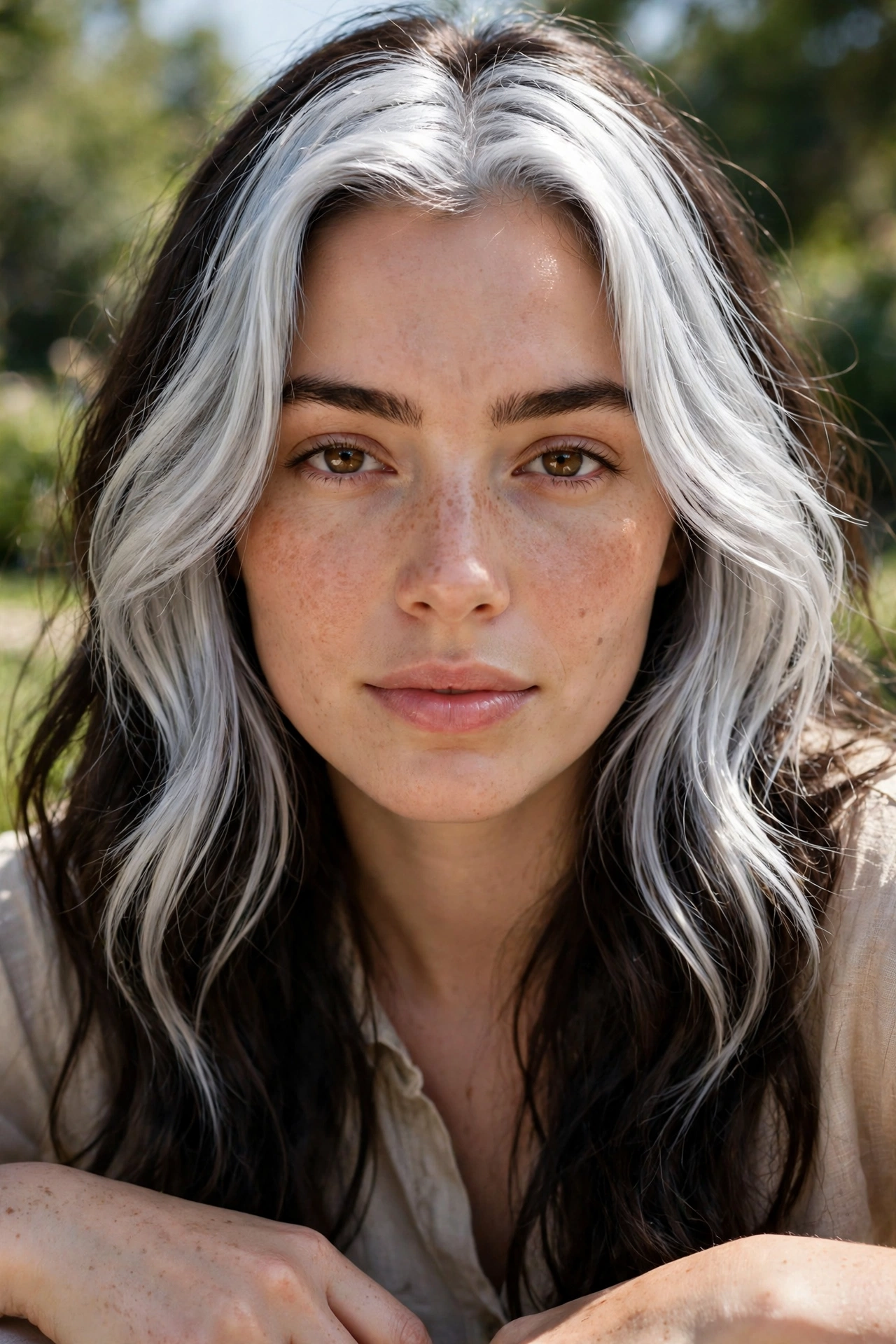
When the hair is midway between pigmented and gray, blending is about balancing the two rather than favouring either. Silver babylights lighten the darker areas while lowlights deepen the palest ones, meeting in a natural salt-and-pepper middle. The goal is a blend that looks like nature did it, only better, and the maintenance is simply keeping the balance as the ratio shifts.
12. Gray Blending With Demi-Permanent Colour
Demi-permanent colour is gray blending’s kindest tool, depositing tone without lift and fading gradually instead of growing out with a line. It is used to soften the demarcation, tone the silver to a flattering shade, and add shine without commitment. Because it fades rather than grows out, it never creates the harsh regrowth line that permanent colour does.
13. Gray Blending and the Big Chop Decision
The big chop, cutting off the dyed lengths all at once, is the fastest transition, and gray blending makes it optional rather than necessary. With skilled blending, most people never need to chop, since the babylights and smudges disguise the journey. If you do choose the chop, a short blended cut is the most elegant landing, and the silver arrives all at once, fully owned.
14. Gray Blending for Fine Hair
Fine hair needs gray blending in very fine sections, since broad highlights can make fine hair look sparse by exposing the scalp. The babylights are kept tiny and numerous, building shimmer without gaps, and a root smudge adds the illusion of density. A volumising mousse at the roots finishes the look, and the silver reads as fullness rather than thinness.
15. Gray Blending for Thick Hair
Thick hair can take bolder silver sections, since the density absorbs strong placement without looking stripey. The babylights can be wider and the lowlights deeper, creating a rich, almost marbled effect through the lengths. Work in thin slices through the interior too, so the dimension shows when the hair moves and not only on the surface.
16. Gray Blending With a Cool Silver Toner
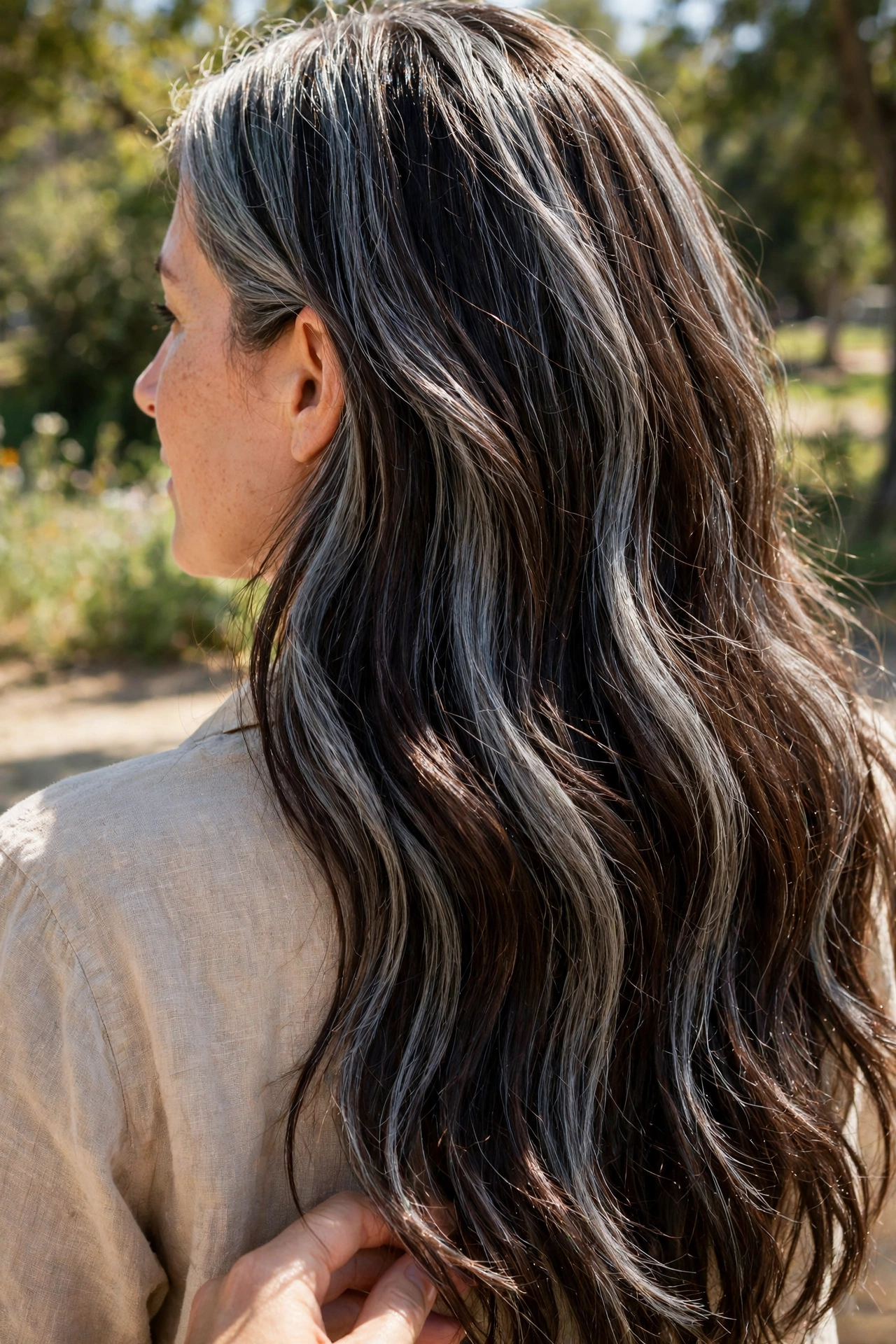
A cool silver toner keeps the blended gray luminous and clean, preventing the yellow cast that silver hair picks up from sun, water, and heat. The toner is refreshed every six to eight weeks, often as part of a gloss appointment. Purple shampoo at home between visits keeps the silver bright, but use it sparingly, since overuse turns silver dull and lilac.
17. Gray Blending Around the Temples First
The temples usually go gray first, and blending there first makes the whole transition look natural. Fine silver babylights concentrated at the temples and hairline mimic the natural pattern, so the earliest gray reads as a deliberate highlight. It is a small, targeted appointment that makes a disproportionate difference to how the hair looks day to day.
18. Gray Blending With Warm Silver Tones
Not all silver is icy: warm silver tones with a hint of champagne suit warm skin and keep the blend feeling soft rather than stark. The toner is chosen with a warm or neutral base, so the silver glows instead of glaring. This is the version for anyone who finds icy silver too harsh, and it pairs beautifully with warm makeup and gold jewellery.
19. Gray Blending for Former Blondes
Former blondes transition into gray blending more easily than anyone, since their hair is already light and the silver pieces blend invisibly. The strategy is to let the blonde grow out while weaving silver babylights through the roots, gradually replacing golden tones with silver ones. Within a few appointments the hair reads as silver-blonde, and from there the transition to full silver is gentle.
20. Gray Blending for Former Brunettes
Former brunettes need more patience, since the contrast between dark dye and silver is stark. The route is babylights, lowlights, and root smudges over many months, gradually lightening the overall impression without a single harsh step. A skilled colourist will stage the journey so the hair looks intentionally dimensional at every appointment, never half-finished.

21. Gray Blending With a Gloss for Shine
Gray hair can look dull when the cuticle roughens, so a clear gloss is gray blending’s best friend for shine. The gloss smooths the surface, reflects light, and makes the silver look polished and healthy. Book it with every toner refresh, and the blended hair will gleam rather than look dry or wiry.
22. Gray Blending and Hair Health Recovery
Years of dye can leave hair dry, and the transition period is the perfect time to restore its health. Bond-building treatments, weekly masks, and a break from heat styling rebuild strength while the blend progresses. Healthier hair holds silver tone better and shines more, so the recovery and the colour support each other.
23. Gray Blending With Layers for Movement
Layers help gray blending read as dimension, since each layer edge catches the light and shows a different mix of silver and natural colour. Long layers suit long transitions, while shorter, choppier layers suit a faster move to silver. The cut and the colour should be planned together, since the layer placement decides where the blend shows most.
24. Gray Blending for a Special Event
A special event during the transition is no reason to panic or to dye the whole head back. A toner refresh, a root smudge, and a polished blowout make the blend look intentional and elegant for photographs. The blend photographs as luminous dimension, and guests will compliment the colour rather than notice the transition.
25. Owning the Full Silver Finish
The final stage of gray blending is the full silver finish, when the natural silver has grown in completely and the blend is simply maintenance. At this point the appointments become toner and gloss refreshes, trims, and shine treatments. The hair is fully, gloriously silver, and the journey that got it there is invisible, which is exactly how gray blending is supposed to work.
Styling Tips
- Ask for babylights rather than thick highlights, since fine sections are what make a blend believable.
- Book a toner refresh every six to eight weeks to keep the silver clean, bright, and free of yellow tones.
- Use purple shampoo once a week at most, since overuse dulls silver and can leave a lilac cast.
- Protect silver hair from sun and chlorine, both of which turn it yellow and brassy faster than any other colour.
- Wash in cool water to keep the cuticle smooth and the silver gleaming.
- Use a weekly bond-building mask during the transition, since healthier hair holds silver tone far better.
- Plan the cut and the colour together, because layer placement decides where the blend shows most.
Frequently Asked Questions
Q: How long does a full gray blending transition take? A: It depends on length and starting colour. Short hair can transition in three to six months, while long hair with years of dark dye can take twelve to eighteen months. The key is that the hair looks good throughout, because each appointment softens the line a little further. There is no ugly phase when the blending is done properly.
Q: Will gray blending damage my hair? A: Less than most colour services, because it uses fine babylights and demi-permanent colour rather than all-over lift. The lightener is applied only where needed, and bond-protecting additives keep the hair strong. Many people find their hair healthier after transitioning, since they stop the cycle of permanent root colour.
Q: Does gray blending mean I can never dye my hair again? A: Not at all. Gray blending is a technique, not a life sentence, and you can return to permanent colour at any time. The blend simply gives you the option of a graceful transition whenever you want it. Some people blend for a year, change their minds, and go back to colour with no harm done.
Q: Will gray blending make me look older? A: No, when it is done well. A skilled blend with shine, dimension, and a flattering cut looks modern and intentional, and silver hair is widely celebrated as a style choice. What ages hair is a harsh regrowth line or dull, flat colour, and gray blending eliminates both. The confidence of owning the silver does the rest.
Q: How do I keep blended silver from turning yellow? A: Yellow tones come from sun, chlorine, hard water, and heat styling. A cool toner refresh every six to eight weeks, purple shampoo used sparingly, a shower filter if your water is hard, and heat protection every time you style will keep the silver clean. A hat in strong sun is the simplest protection of all.