22 Medium-Length Cuts for Fine Hair That Look Thicker
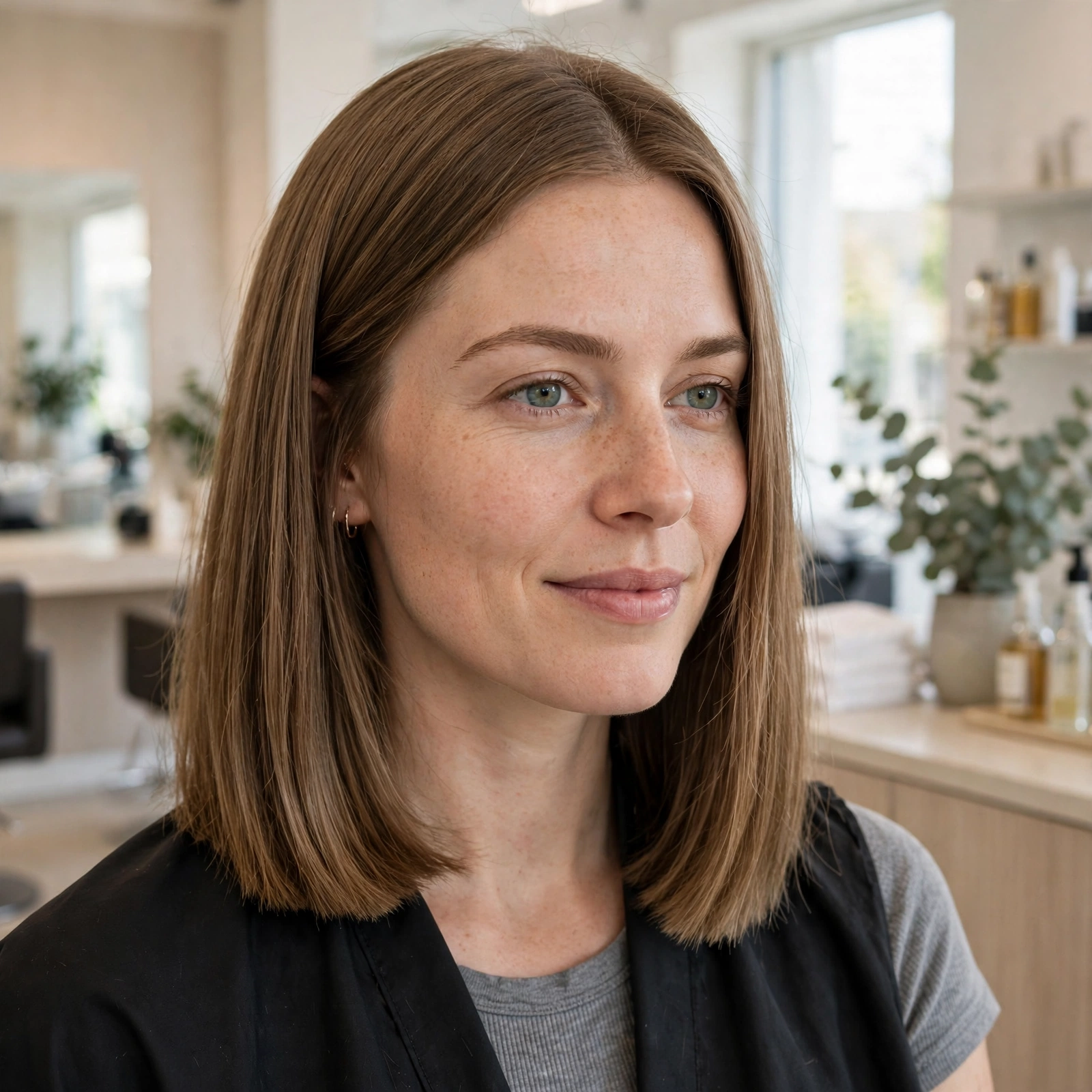
Fine hair can look full and healthy at medium length — the trick is a cut that keeps density where it counts. These 22 ideas avoid thinning the ends away and instead use shape, blunt edges, and clever layering to create the illusion of thickness. Each one keeps your hair looking substantial, not sparse.
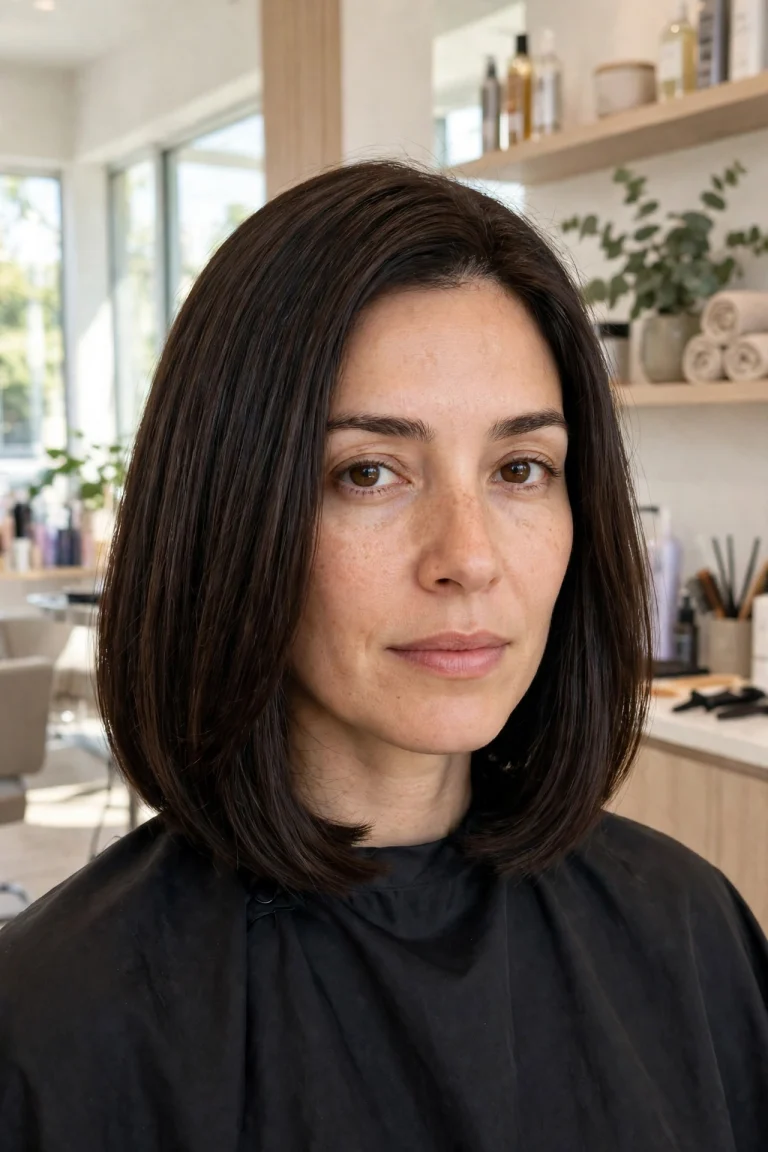
Thickening Blunt Lob for Fine Hair
A one-length lob is the simplest thickening trick, because every strand ends at the same point. The solid edge makes fine hair look instantly denser. Keep it at collarbone length or above so the weight does not drag the shape down.
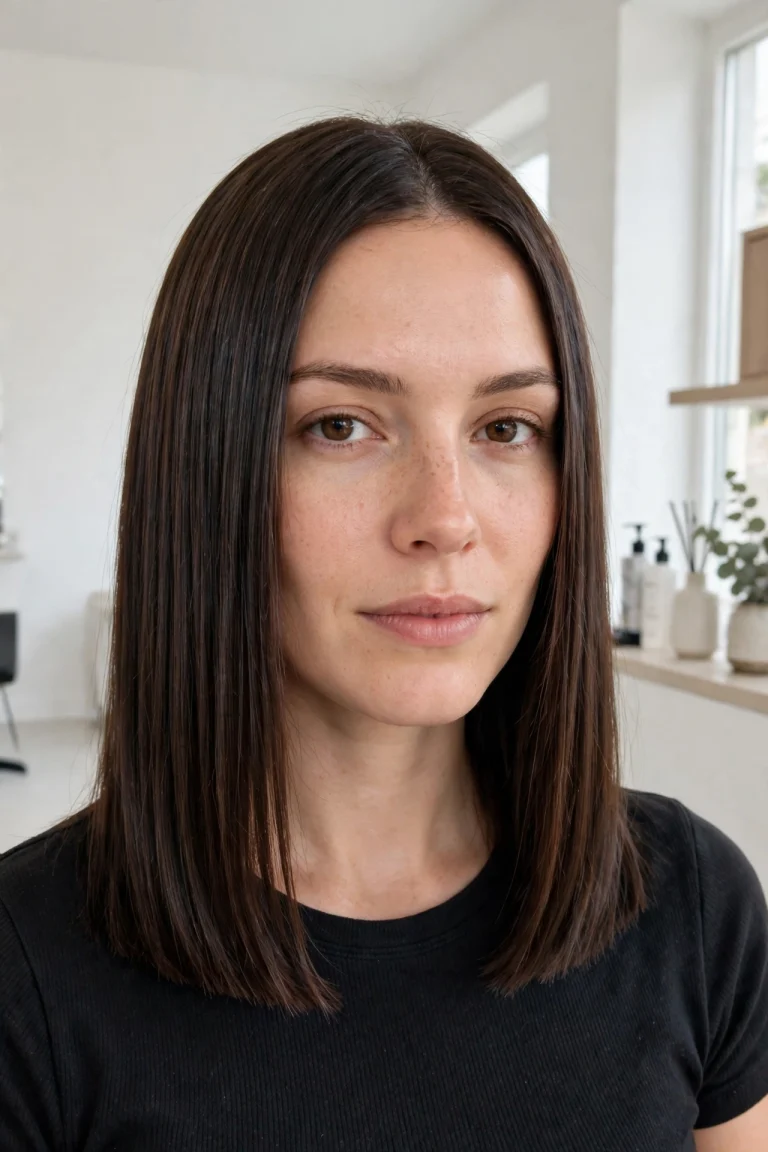
Thickening Shoulder-Length Cut with a Solid Hemline
This shoulder-length cut prioritises a thick, even hemline over layers. The perimeter looks full from behind, which is where fine hair often looks thinnest. Ask your stylist to avoid thinning shears at the ends.
Thickening Midi Cut with Long Internal Layers
Long layers hidden inside the cut add shape without removing visible density from the surface. The outside stays full while the inside moves. This is a smart choice if you want some shape but fear losing thickness.
Thickening Cut with a Rounded Perimeter for Fine Hair
A gently rounded perimeter makes fine hair look plush and full at the ends. The curved edge catches the light evenly and avoids straggly tips. Blow-dry the ends under with a round brush to emphasise the rounded shape.
Thickening A-Line Lob for Fine Hair
Slightly longer at the front, this A-line lob creates a fuller-looking frame around the face. The forward angle draws attention to the densest-looking sections. Wear it smooth to show off the clean, thick edge.
Thickening Cut with Blunt Face-Framing Pieces for Fine Hair
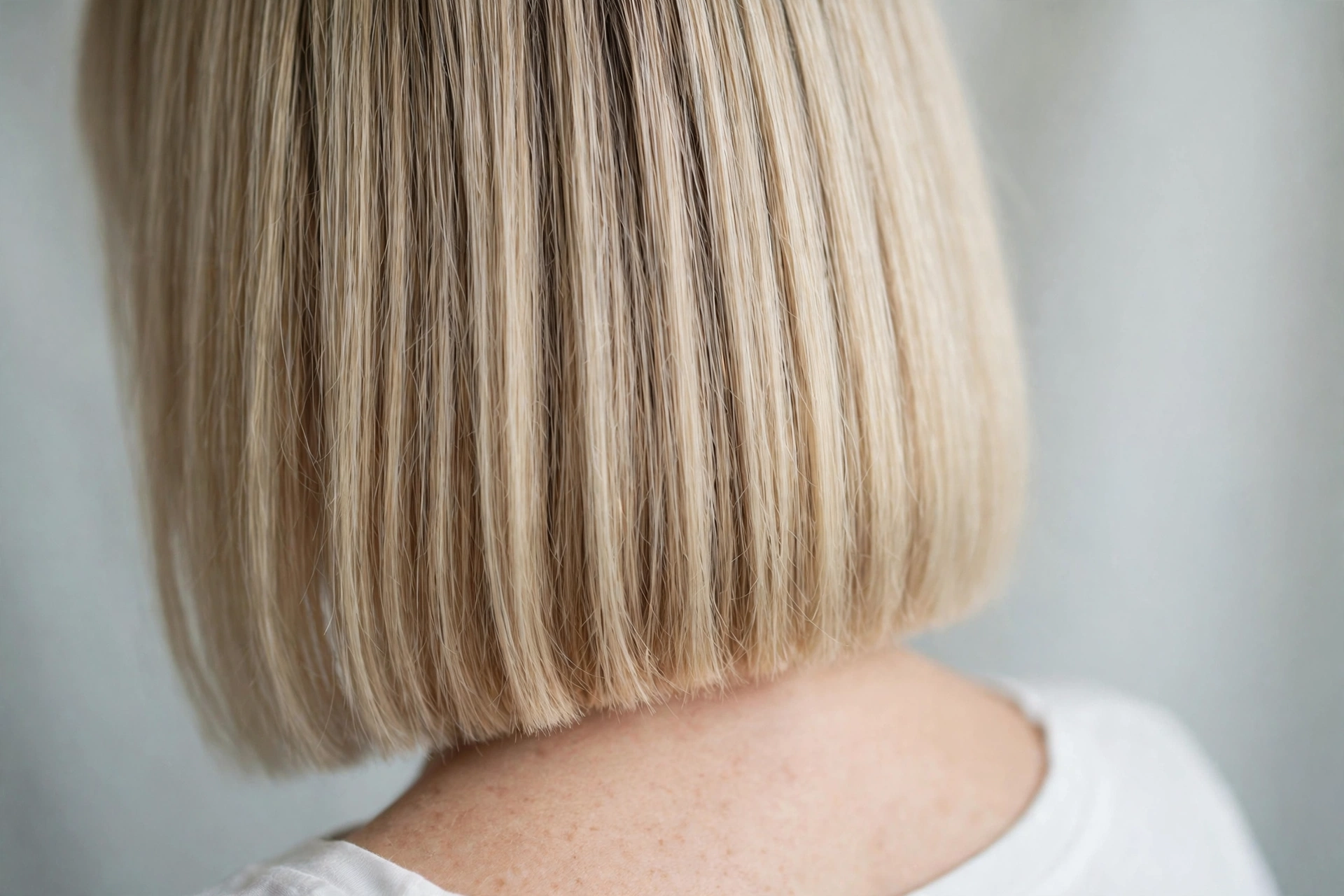
Blunt pieces at the front add visible density around the face, where fine hair is most noticeable. They are kept thick rather than feathered away. This detail makes the whole cut look more substantial in photos.
Thickening Shoulder Cut with a Deep Part for Fine Hair
A deep side part creates instant fullness on one side, making fine hair look much thicker at the crown. The sweep across the forehead adds coverage where hair can look sparse. Flip the part occasionally to keep roots from lying flat.
Thickening Midi Cut with Subtle Graduated Ends
Graduation at the very ends stacks hair slightly, so the perimeter looks denser. The effect is subtle, not stacked or dated. It works best on straight fine hair that falls neatly.
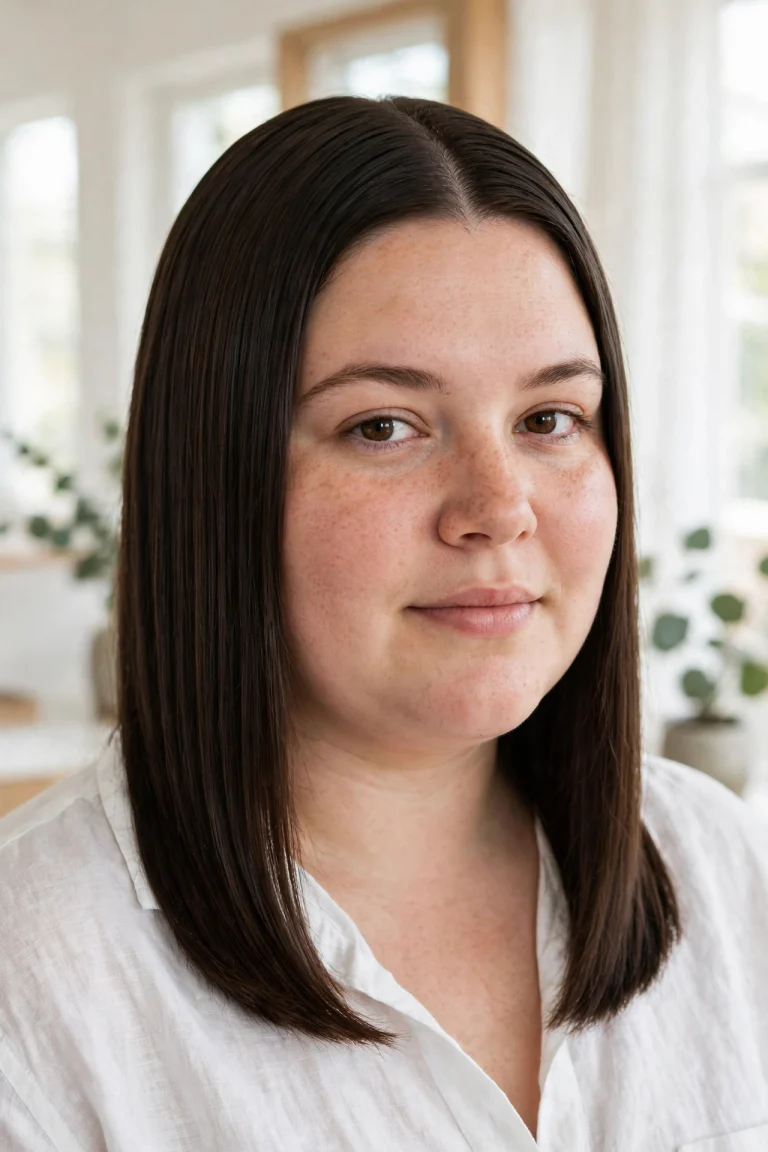
Thickening Lob with a Centre Part for Fine Hair
A centre part with a thick lob gives a balanced, full silhouette on both sides. The symmetry makes fine hair look even and healthy. Keep the lengths smooth and the ends blunt for maximum density.
Thickening Cut with Soft Under-Curve for Fine Hair
Ends curved gently under create a plump, rounded silhouette that reads as thickness. The curve adds body at the bottom, where fine hair often disappears. A large round brush is all you need to create the bend.
Thickening Shoulder-Length Cut with Blunt Bangs for Fine Hair
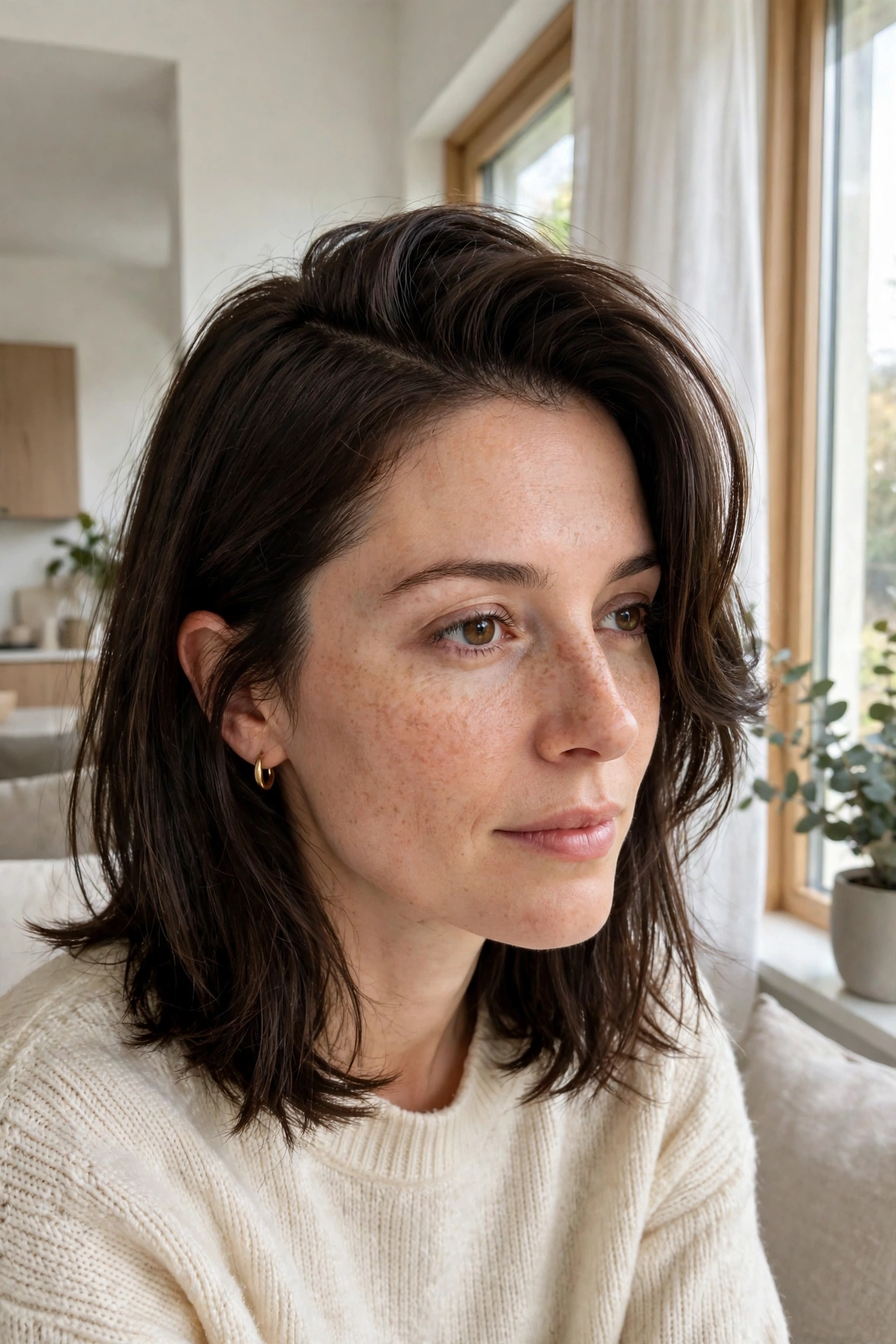
A blunt bang adds a solid block of hair across the forehead, making the whole style look fuller. Paired with a blunt shoulder cut, the effect is doubled. Keep the bang thick rather than wispy for the fullest result.
Thickening Midi Cut with Side-Swept Fullness for Fine Hair
A side-swept front section adds volume and coverage across the forehead and crown. The sweep creates the impression of more hair than there is. Blow-dry the front section to the side with lift at the roots.
Thickening Lob with an Even One-Length Shape for Fine Hair
No layers at all means no hair is removed, so this lob keeps every bit of density. It is the safest, most reliable thickening cut. Regular trims keep the one-length edge looking intentional.
Thickening Cut with a Collarbone Hem for Fine Hair
Ending at the collarbone is a sweet spot for fine hair: long enough to feel versatile, short enough to stay full. The hemline sits where the shoulders support the shape. This length also styles easily into a low bun without looking thin.
Thickening Shoulder Cut with Minimal Layering for Fine Hair
Just one or two very long layers add the slightest shape while preserving almost all the density. The cut looks almost one-length but moves a little better. This is ideal if a fully blunt cut feels too heavy on you.
Thickening Midi Cut with a Blunt Side Fringe for Fine Hair
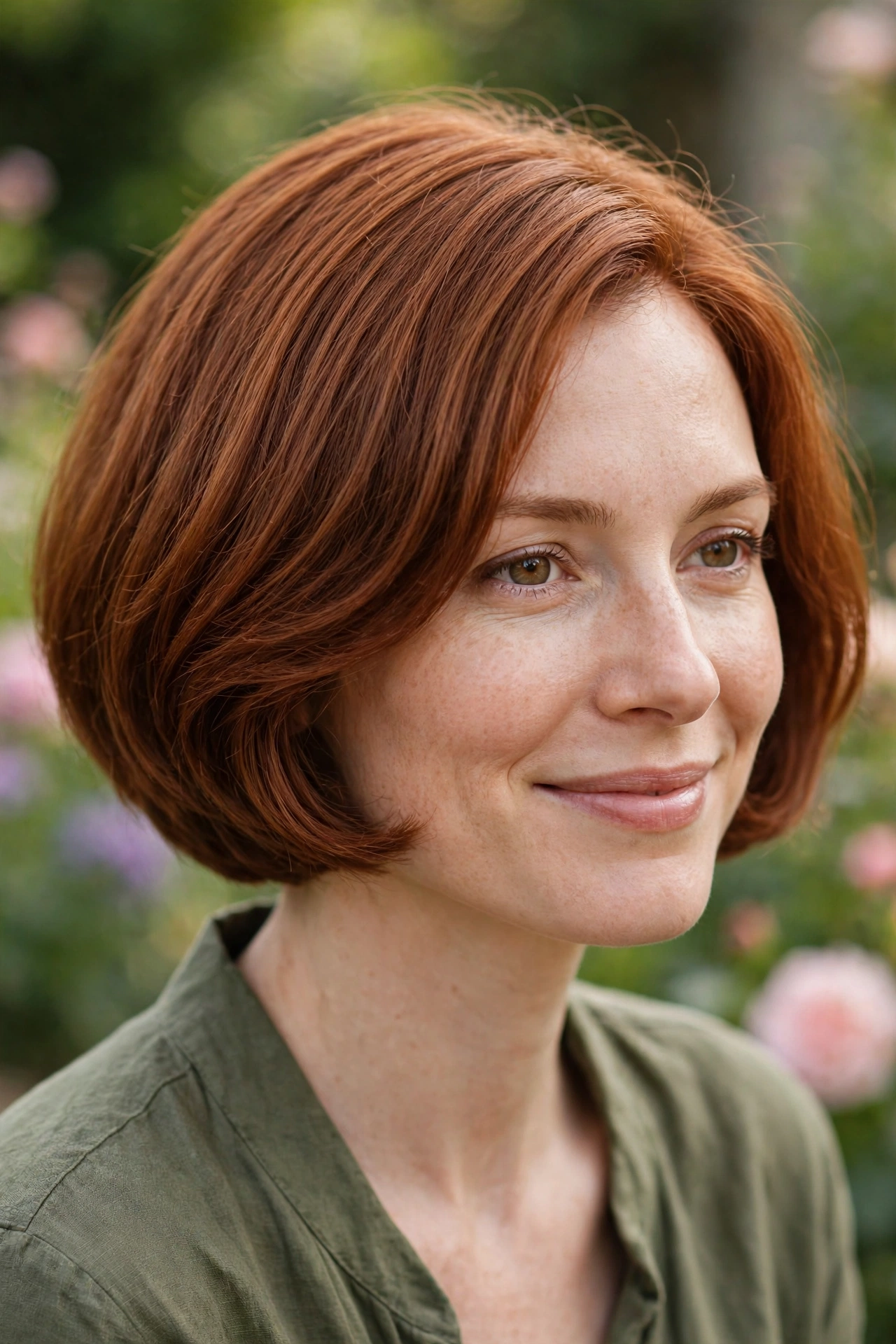
A blunt side fringe adds a thick, graphic detail at the front. It frames the eyes and adds perceived fullness to the whole style. Sweep it across the forehead and keep it smooth.
Thickening Lob with Glossy Smooth Finish for Fine Hair
Shine makes fine hair look healthier and denser, because light reflects evenly off a smooth surface. A glossy finish paired with a blunt lob is a classic thickening combination. Use a shine serum sparingly on the ends only.
Thickening Cut with a Rounded Bob-Lob Blend for Fine Hair
Sitting between a bob and a lob, this rounded shape packs density into a compact silhouette. The shorter length means ends stay thick and bouncy. It suits fine hair that loses fullness quickly when grown longer.
Thickening Shoulder Cut with Face-Framing Density for Fine Hair
Density is deliberately kept around the face, with slightly fuller pieces at the cheekbones. This frames the face with hair that looks abundant. Avoid over-layering the front, which can make fine hair look sparse there.
Thickening Midi Cut with a Tucked-Behind-Ear Style for Fine Hair
Tucking one side behind the ear shows off a thick, clean hemline on the other side. The contrast makes the visible side look even fuller. This styling trick works best with a blunt, even cut.
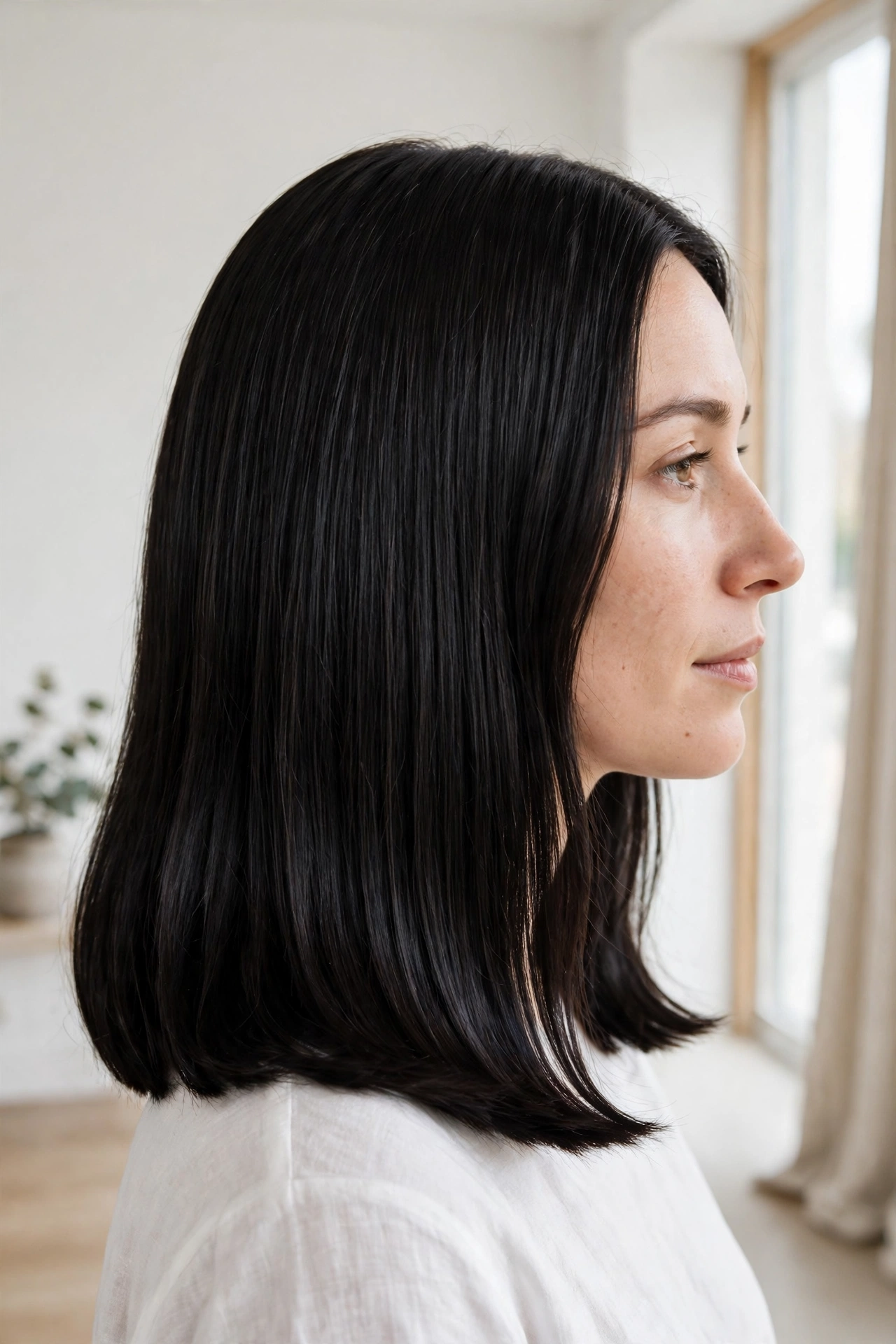
Thickening Lob with a Slight Forward Angle for Fine Hair
A gentle forward angle gives fine hair a fuller-looking front section. The longer front pieces weigh the shape down neatly and look dense. Keep the back just a touch shorter to support the angle.
Thickening Shoulder-Length Cut with a Polished Blow-Dry for Fine Hair
A smooth, polished blow-dry is the finishing touch that makes any thickening cut look its best. The even, shiny lengths read as healthy and full. Use a round brush at the ends and a cool shot to set the shape.
Styling Tips
Keep conditioners and oils to the mid-lengths and ends, so fine roots stay light and lifted. Use a lightweight mousse on damp hair for body without heaviness. Blow-dry with a round brush, lifting at the roots and curving the ends under. Avoid thinning shears and heavy layering, which remove the density fine hair needs. Try a deep side part on flat days for instant fullness at the crown. Use dry shampoo on clean hair for grip and texture that makes fine hair look thicker. Trim every six to eight weeks to stop ends from tapering and looking sparse.
FAQ
Should fine hair be layered at medium length?
Only very lightly. Long, minimal layers can add shape, but short or heavy layers remove density and make fine hair look thinner. A blunt or near-blunt cut usually looks thickest.
What length is best for fine hair?
Collarbone to shoulder length is usually ideal, because it is long enough to style but short enough to keep ends full. Longer lengths can make fine hair look stringy at the tips. Shorter lengths can also work if you prefer a bob-lob blend.
Will a blunt cut suit fine hair?
Yes, blunt cuts are often the best choice for fine hair, since the solid edge creates the illusion of thickness. The key is keeping the hemline even and well trimmed. Pair it with a smooth finish for the fullest look.
How can I add fullness without heat?
Apply mousse to damp roots and let hair air-dry with a loose, low braid for gentle body. You can also use velcro rollers at the crown on damp hair. These methods add shape without heat damage.
Do I need special products for fine hair?
Lightweight products work best — heavy creams and oils can flatten fine hair quickly. Look for volumising mousses, light sprays, and dry shampoo. Use small amounts and build up only if needed.