25 Protective Styles Ideas for Natural Hair Growth
Protective styles help natural hair grow by cutting down on daily handling, shielding fragile ends, and giving your routine a calmer rhythm. The styles below are chosen for gentle tension, tucked ends, and easy scalp access, so length retention gets real support rather than just a pretty look. Pick one that suits your texture and lifestyle, wear it for a few weeks, and let rest do the work.
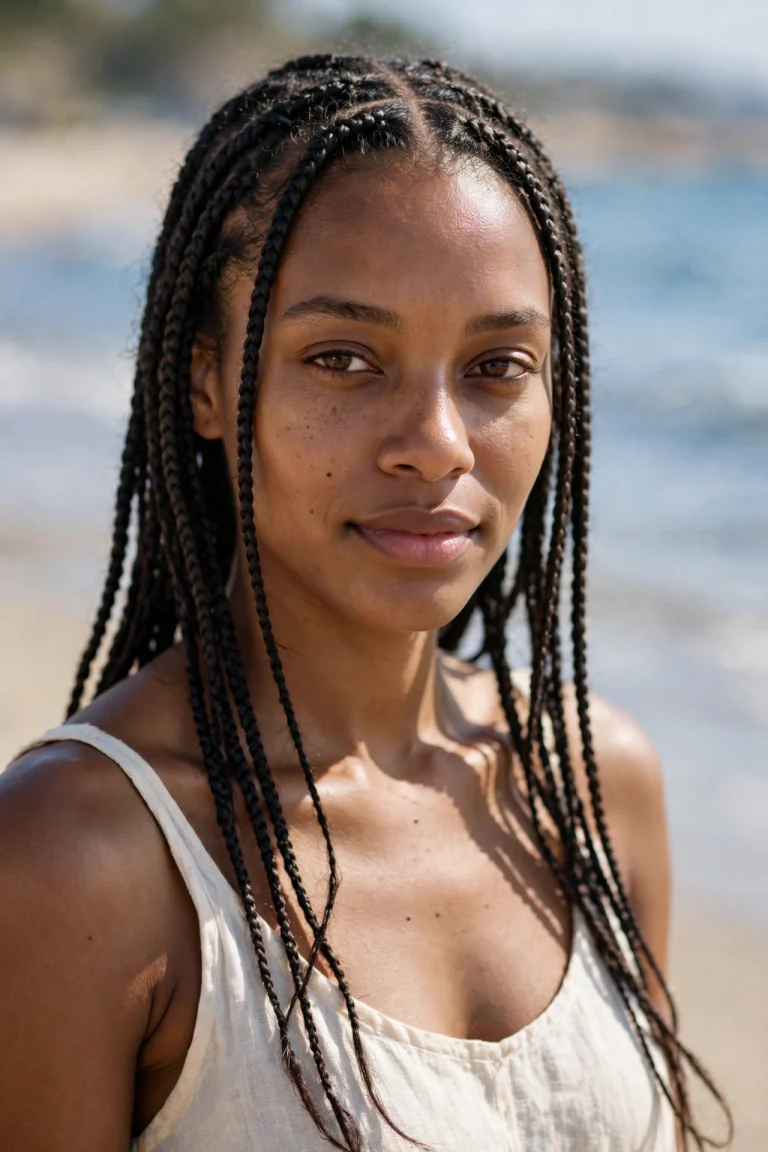
1. Classic Medium Box Braids with Tucked Ends
Medium box braids divide the hair into even sections and fold every end safely away from friction. Because the ends stay tucked away, this style gives fragile ends a real break while length is preserved. At night, a satin scarf or bonnet keeps the style smooth so mornings need almost nothing.
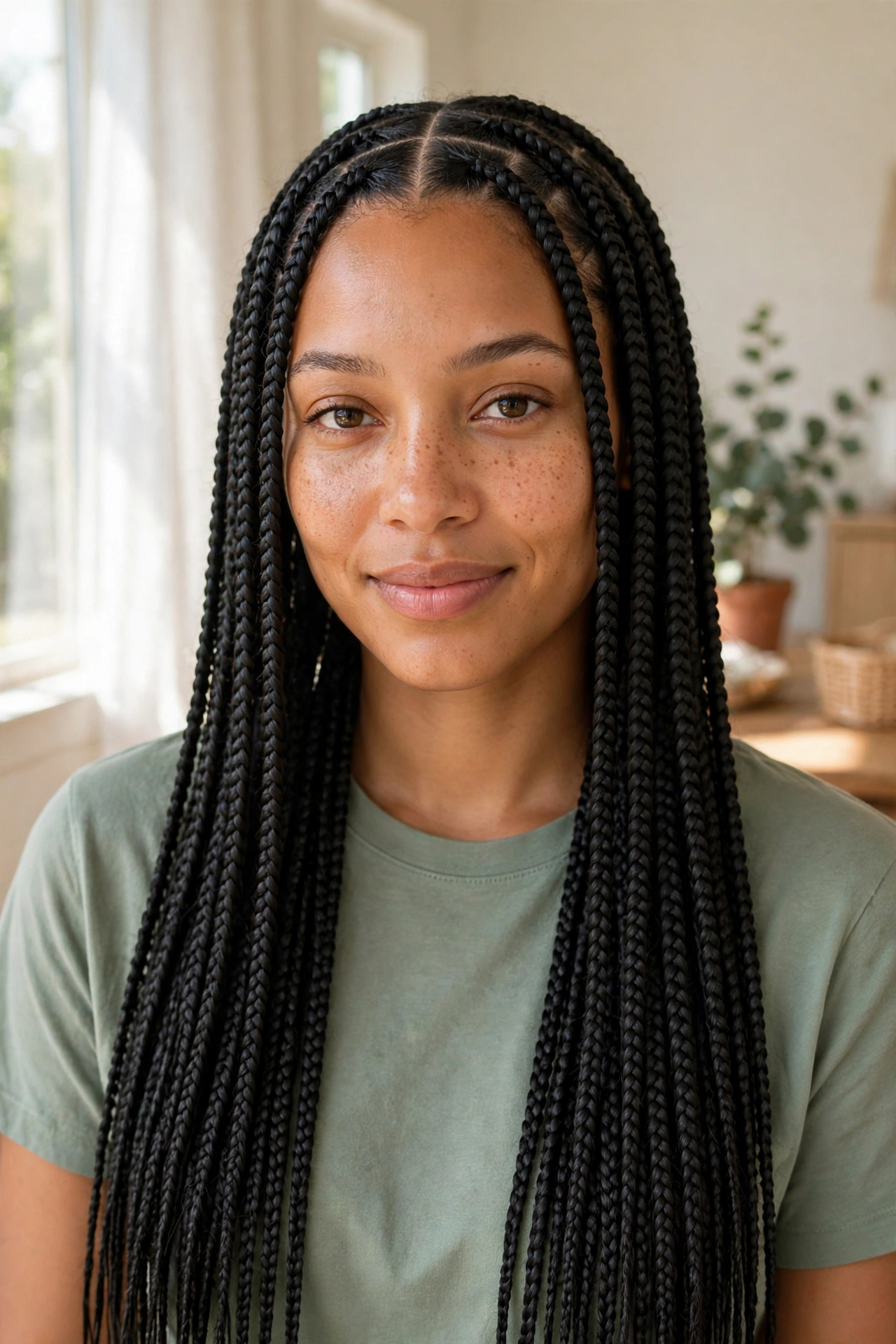
2. Knotless Box Braids for Gentle Tension
Knotless braids start with your own hair and add extension gradually, so there is no tight knot pulling at the root. The gentle, even tension helps protect the hairline, which matters more than speed when growth is the goal. A light mist of water and leave-in conditioner is usually all it takes to refresh it.
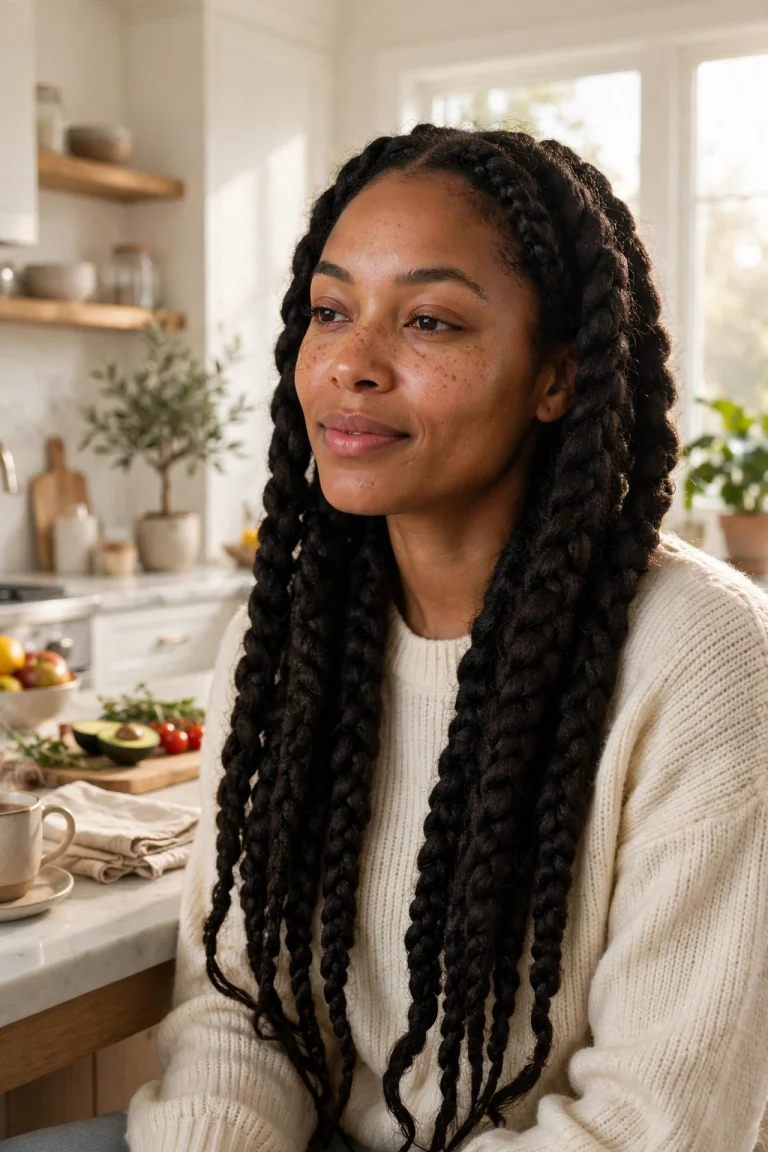
3. Waist-Length Box Braids with Sealed Ends
Long box braids keep the full length covered, with the ends sealed so they cannot catch or split. With the scalp still easy to reach, regular moisturising and scalp care stay simple between wash days. Because the parts are neat and the ends are secured, it holds its shape well past the first week.
4. Jumbo Box Braids for Minimal Install Time
Jumbo sections mean fewer braids overall, which shortens install time and reduces the hours your hair spends being handled. Wearing this for several weeks means far less daily combing, and less combing means less breakage. Keep a few spare hairpins handy for any piece that loosens, rather than restyling the whole head.
5. Small Box Braids for Maximum Length Retention
Small braids distribute weight evenly and keep tiny sections protected, making them a favourite for serious length goals. The covered ends are shielded from friction against clothes and pillowcases, a quiet cause of lost length. It pairs well with a simple edge routine, so the hairline stays neat without daily heat or gel.
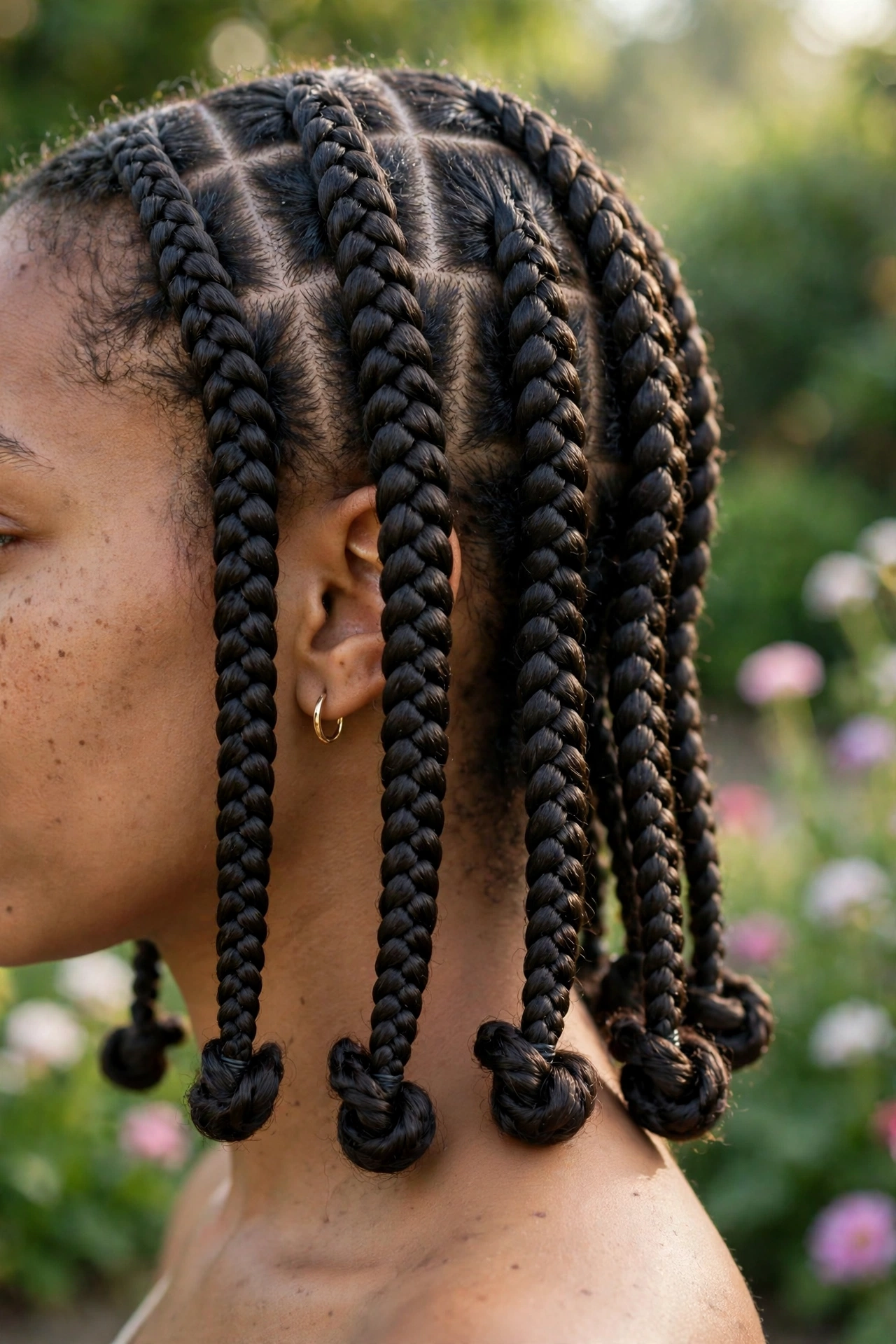
6. Bob-Length Box Braids with Curled Ends
A bob-length braid keeps weight off the neck and shoulders while curled ends give a soft, finished shape. This is a true length-retention style: set it once, care for the scalp, and let the hair rest. Wash-day spacing stretches easily here, since the style looks intentional even as it ages.
7. Box Braids Gathered into a Protective Top Knot
Gathering finished braids into a high knot lifts weight off the ends and keeps them out of the way all day. Because the ends stay tucked away, this style gives fragile ends a real break while length is preserved. At night, a satin scarf or bonnet keeps the style smooth so mornings need almost nothing.
8. Knotless Braids with a Deep Part and Face-Framing Pieces
A deep part with soft pieces around the face gives knotless braids a flattering frame without adding tension. The gentle, even tension helps protect the hairline, which matters more than speed when growth is the goal. A light mist of water and leave-in conditioner is usually all it takes to refresh it.
9. Feed-In Cornrows into Long Box Braids
Feed-in cornrows at the front flow into long box braids at the back, combining a sleek hairline with full coverage. With the scalp still easy to reach, regular moisturising and scalp care stay simple between wash days. Because the parts are neat and the ends are secured, it holds its shape well past the first week.
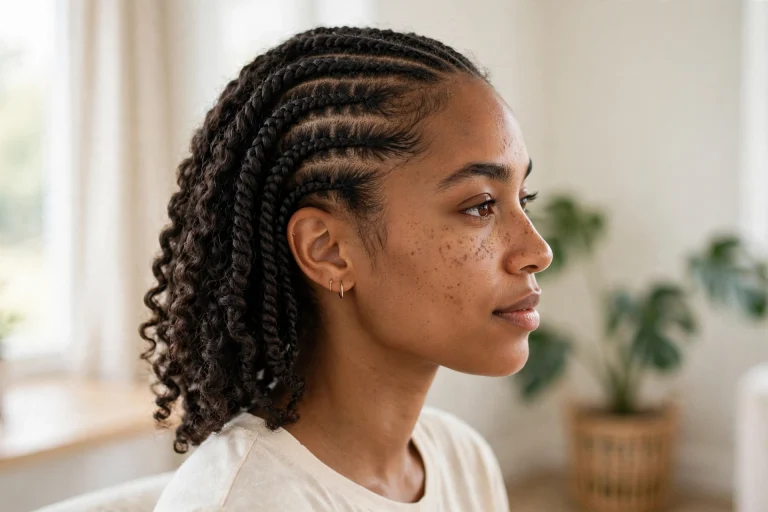
10. Two-Strand Twist Extensions for Soft Growth
Twist extensions are lighter and softer than many braids, so they suit hair that needs a gentler protective option. Wearing this for several weeks means far less daily combing, and less combing means less breakage. Keep a few spare hairpins handy for any piece that loosens, rather than restyling the whole head.
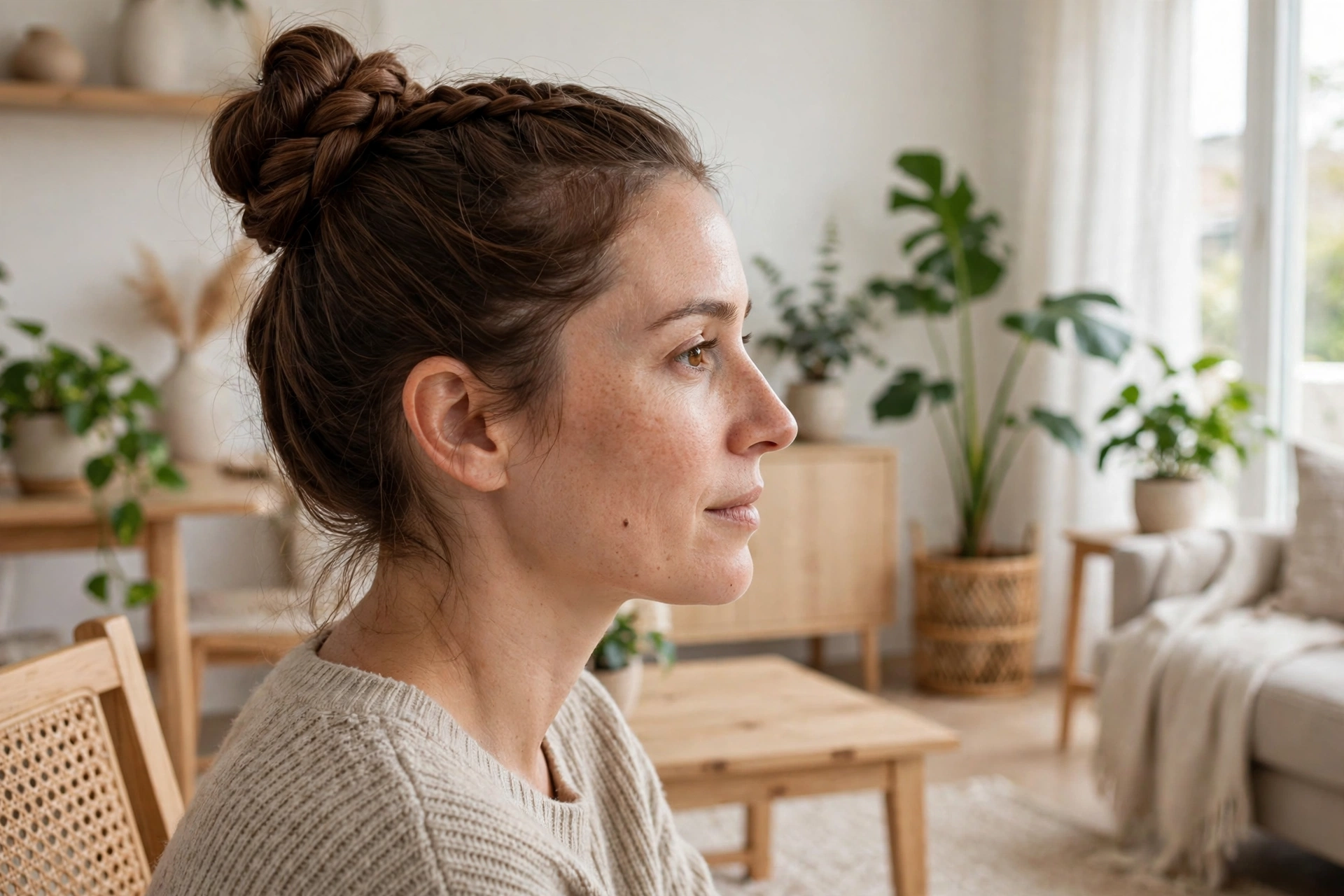
11. Flat Twists with a Low Twisted Bun
Flat twists lie close to the scalp and gather into a low bun, keeping every strand contained and the ends hidden. The covered ends are shielded from friction against clothes and pillowcases, a quiet cause of lost length. It pairs well with a simple edge routine, so the hairline stays neat without daily heat or gel.
12. Passion Twists with Ends Tucked In
Passion twists use soft, wavy extension hair for a full look, with the ends tucked in to stop unravelling. This is a true length-retention style: set it once, care for the scalp, and let the hair rest. Wash-day spacing stretches easily here, since the style looks intentional even as it ages.
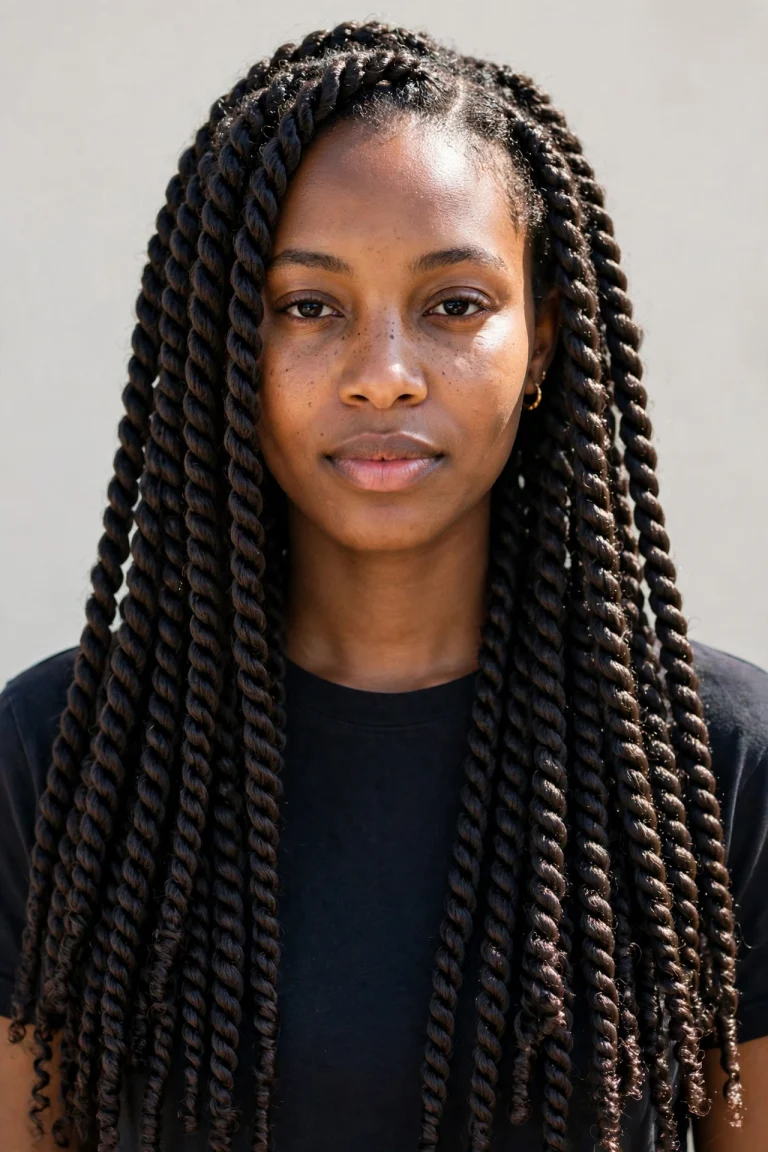
13. Senegalese Twists in a Mid-Length Finish
Sleek Senegalese twists fall to mid-length, a practical length that protects without adding heavy weight. Because the ends stay tucked away, this style gives fragile ends a real break while length is preserved. At night, a satin scarf or bonnet keeps the style smooth so mornings need almost nothing.
14. Mini Twists for a Long-Wear Growth Stretch
Mini twists on your own hair can be worn for weeks, stretching wash days and almost eliminating daily styling. The gentle, even tension helps protect the hairline, which matters more than speed when growth is the goal. A light mist of water and leave-in conditioner is usually all it takes to refresh it.
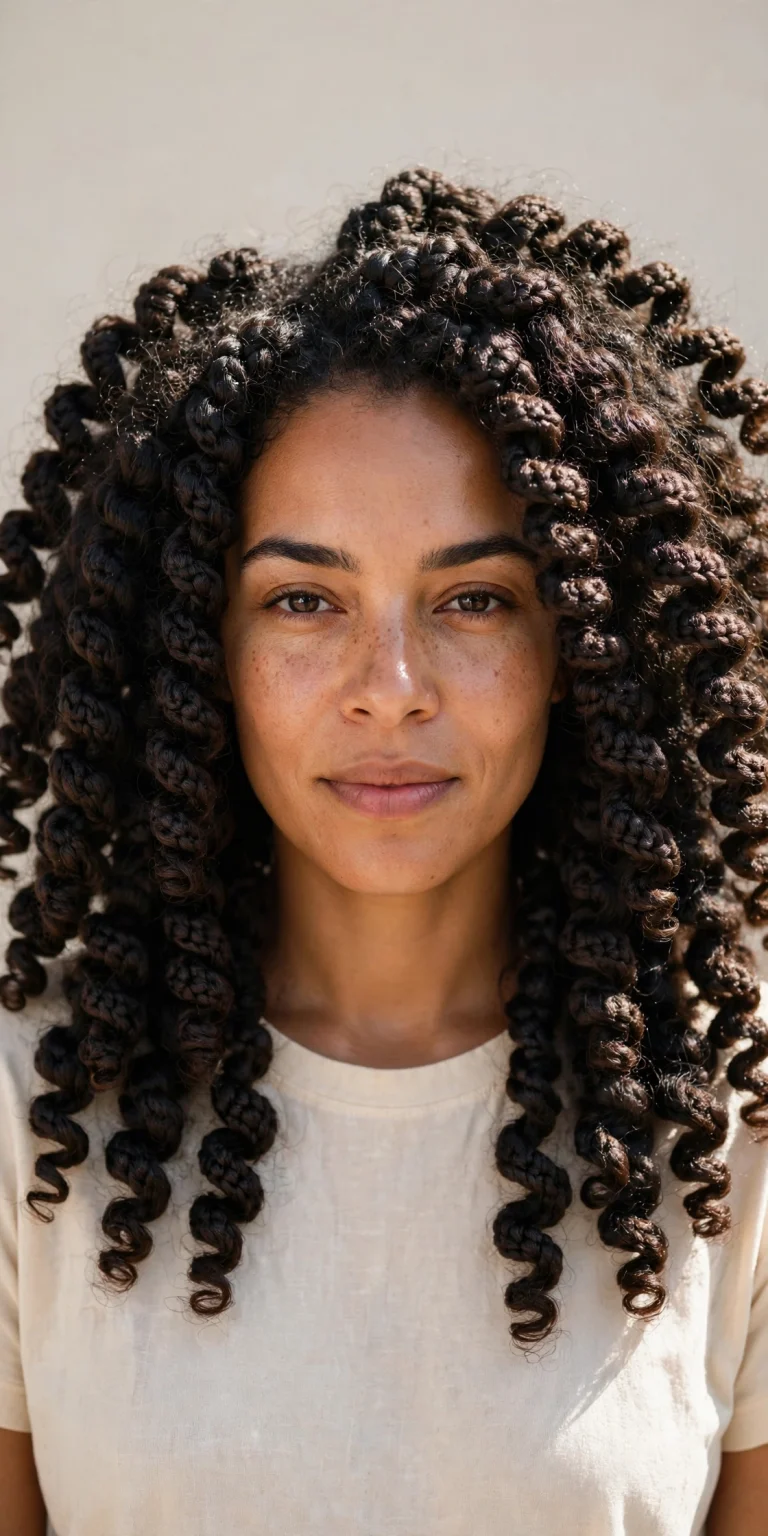
15. Marley Twists with a Full, Soft Volume
Marley twists use textured extension hair that blends beautifully with natural hair and gives generous volume. With the scalp still easy to reach, regular moisturising and scalp care stay simple between wash days. Because the parts are neat and the ends are secured, it holds its shape well past the first week.
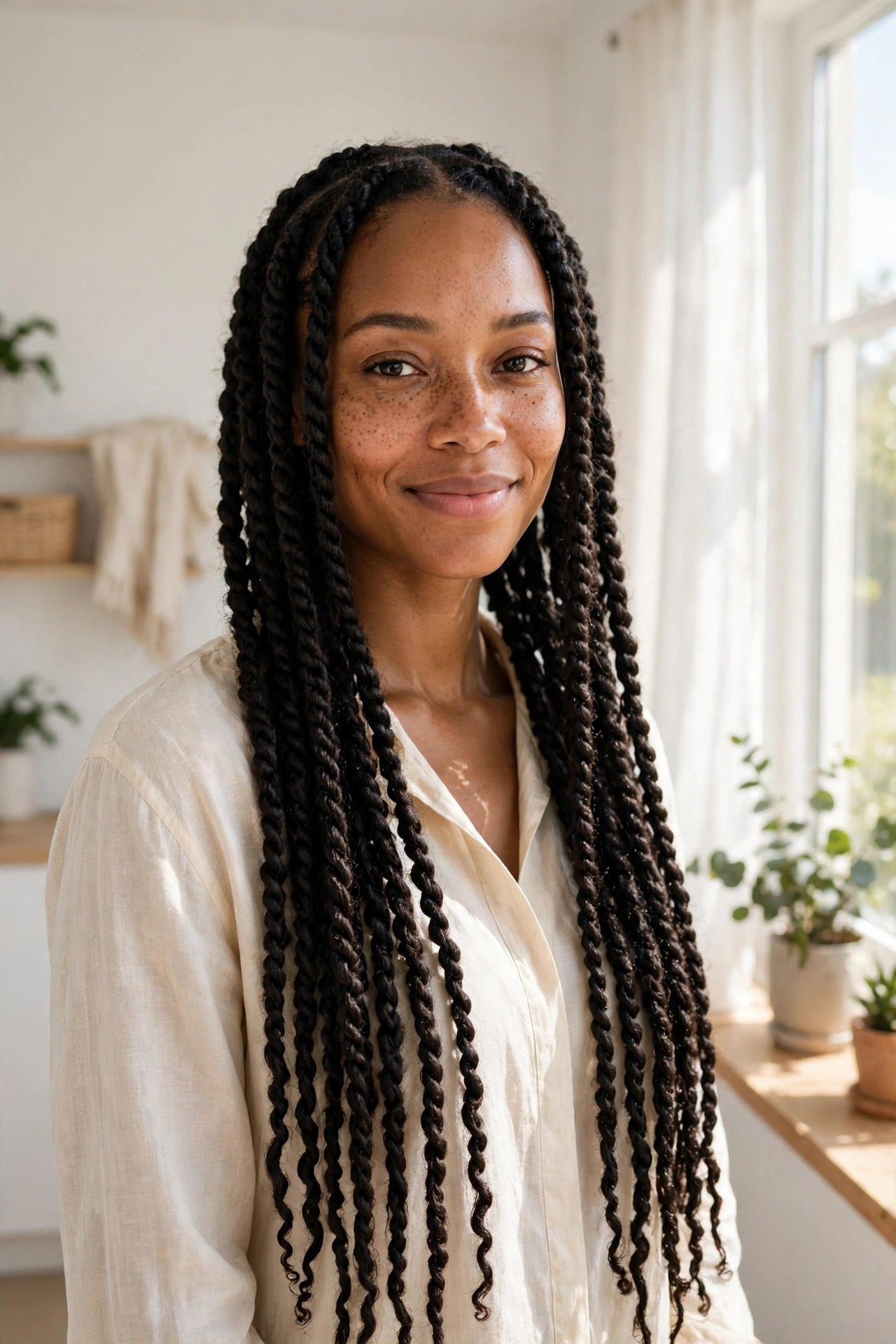
16. Circular Cornrow Updo with Hidden Ends
Cornrows worked in a circle around the head gather into an updo where no end is left exposed. Wearing this for several weeks means far less daily combing, and less combing means less breakage. Keep a few spare hairpins handy for any piece that loosens, rather than restyling the whole head.
17. Halo Braid with Ends Fully Hidden
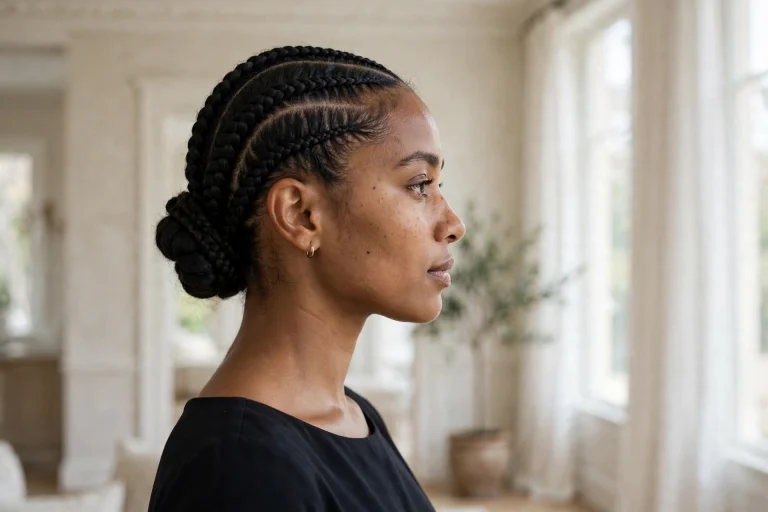
A halo braid wraps around the head and pins away every end, giving complete coverage in an elegant shape. The covered ends are shielded from friction against clothes and pillowcases, a quiet cause of lost length. It pairs well with a simple edge routine, so the hairline stays neat without daily heat or gel.
18. Braided Low Ponytail with Wrapped Ends
A low braided ponytail keeps the hair gathered at the nape, with the ends wrapped and pinned for protection. This is a true length-retention style: set it once, care for the scalp, and let the hair rest. Wash-day spacing stretches easily here, since the style looks intentional even as it ages.
19. Box Braids with Lightly Waved Ends
Box braids finished with a gentle wave give movement at the ends while the lengths stay safely braided. Because the ends stay tucked away, this style gives fragile ends a real break while length is preserved. At night, a satin scarf or bonnet keeps the style smooth so mornings need almost nothing.
20. Braided High Bun with a Smooth Finish
A high braided bun lifts all the hair off the neck and shoulders, keeping ends completely out of harm’s way. The gentle, even tension helps protect the hairline, which matters more than speed when growth is the goal. A light mist of water and leave-in conditioner is usually all it takes to refresh it.
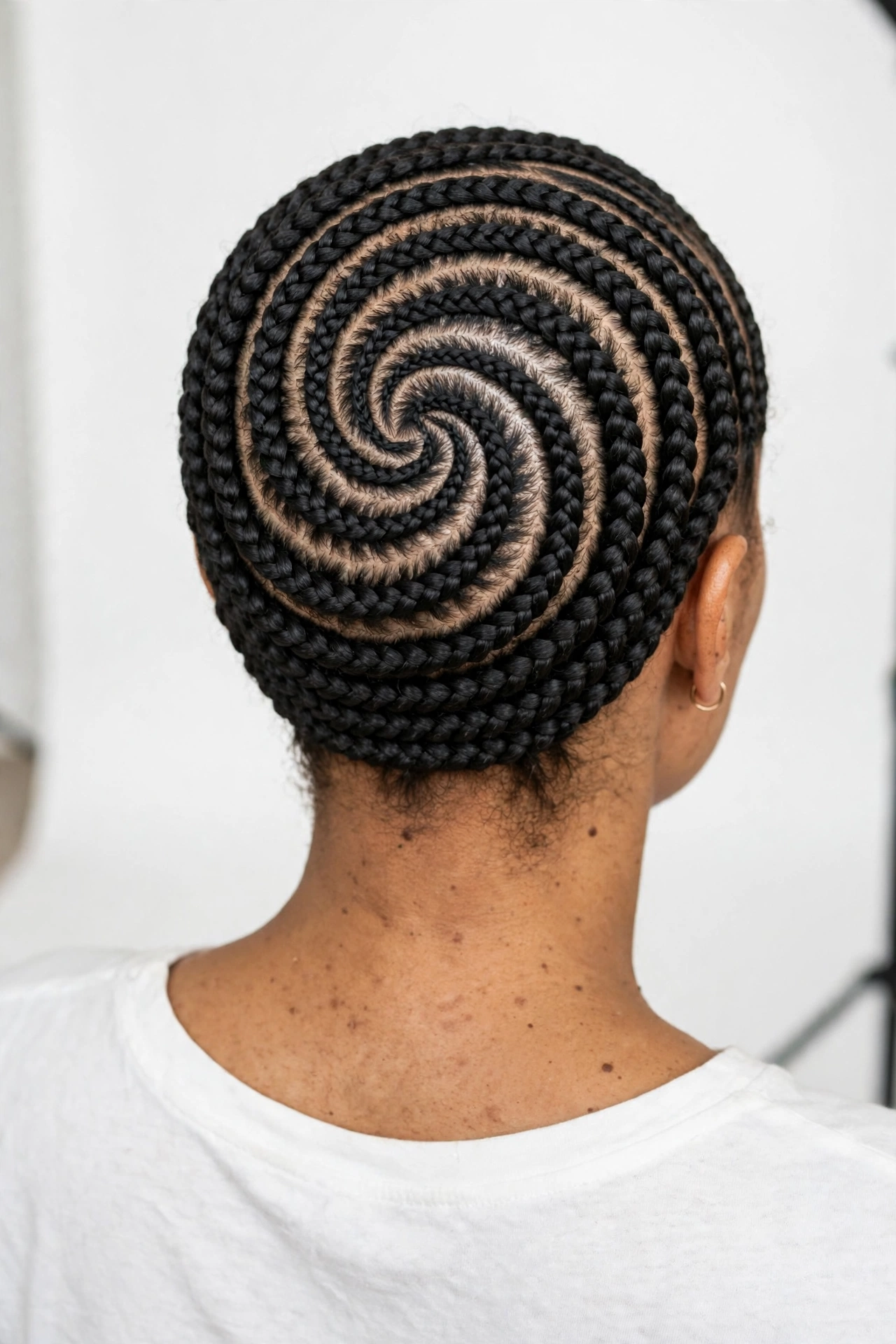
21. Four Cornrows into a Low Chignon
Just four neat cornrows feed into a low chignon, a simple style that protects with minimal parting. With the scalp still easy to reach, regular moisturising and scalp care stay simple between wash days. Because the parts are neat and the ends are secured, it holds its shape well past the first week.
22. Stitch Cornrows with a Low Braided Bun
Precise stitch cornrows give a clean, flat base that gathers into a low bun without bulk. Wearing this for several weeks means far less daily combing, and less combing means less breakage. Keep a few spare hairpins handy for any piece that loosens, rather than restyling the whole head.
23. Crochet Braids Over a Fully Cornrowed Base
A cornrowed base anchors crochet braids, so your own hair stays braided and untouched underneath. The covered ends are shielded from friction against clothes and pillowcases, a quiet cause of lost length. It pairs well with a simple edge routine, so the hairline stays neat without daily heat or gel.
24. Crochet Curly Install with a Closed Part
A closed-part crochet install covers the base completely, leaving no section of natural hair exposed to the air. This is a true length-retention style: set it once, care for the scalp, and let the hair rest. Wash-day spacing stretches easily here, since the style looks intentional even as it ages.
25. Jumbo Twists Pinned into a Soft Updo
Jumbo twists pinned up into a soft updo keep weight balanced and ends tucked for weeks of easy wear. Because the ends stay tucked away, this style gives fragile ends a real break while length is preserved. At night, a satin scarf or bonnet keeps the style smooth so mornings need almost nothing.
Styling Tips
Braid or twist with gentle, even tension and never ignore pain at the hairline. Moisturise the scalp and braided lengths a few times a week with a light spray or oil. Keep the style in for two to six weeks, then give hair a rest week before reinstalling. Sleep in a satin bonnet or on a satin pillowcase to cut friction overnight. Seal the ends with a tiny amount of oil or a gentle dip in warm water where the style allows. Cleanse the scalp with diluted shampoo or a scalp rinse rather than scrubbing the braids. Take the style down carefully, detangling section by section to avoid breakage.
FAQ
How long should I keep a protective style in for growth?
Most growth-focused styles last two to six weeks. Shorter wears suit tighter styles, while looser twists and braids can go longer if the scalp stays healthy and the edges stay comfortable.
Will protective styles make my hair grow faster?
They do not change how fast hair grows from the scalp, but they protect the length you already grow. Less breakage means more of that growth stays on your head, which is how retention works.
How do I moisturise hair that is braided up?
Use a light water-based spray on the scalp and along the braids, then seal with a small amount of oil. Focus on the scalp and the ends, and avoid heavy products that build up.
Are knotless braids really gentler than regular box braids?
Yes, for most people, because they start with your own hair and add extension gradually instead of anchoring a knot at the root. That usually means less pulling and less tension soreness in the first days.
What should I do if my braids feel too tight?
Speak up during install if you feel pain, and do not wait it out. At home, a warm compress and gentle scalp massage can ease mild tightness, but a style that throbs or causes bumps should be loosened or removed.