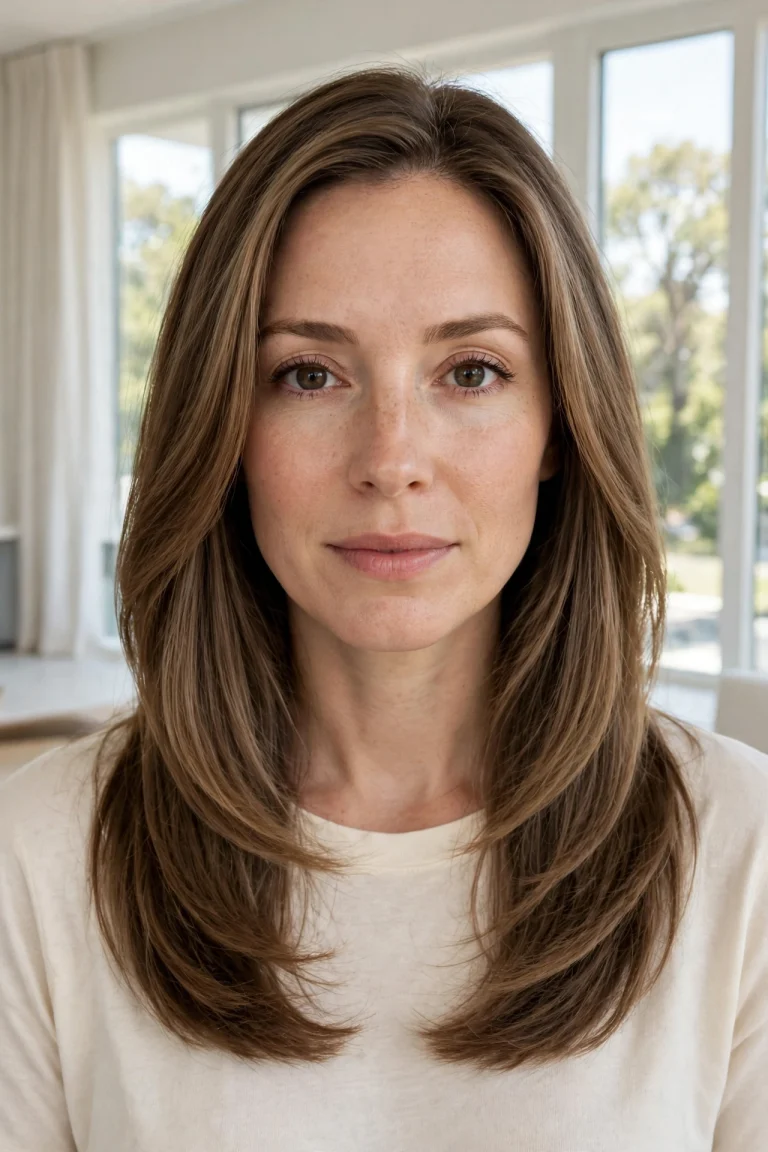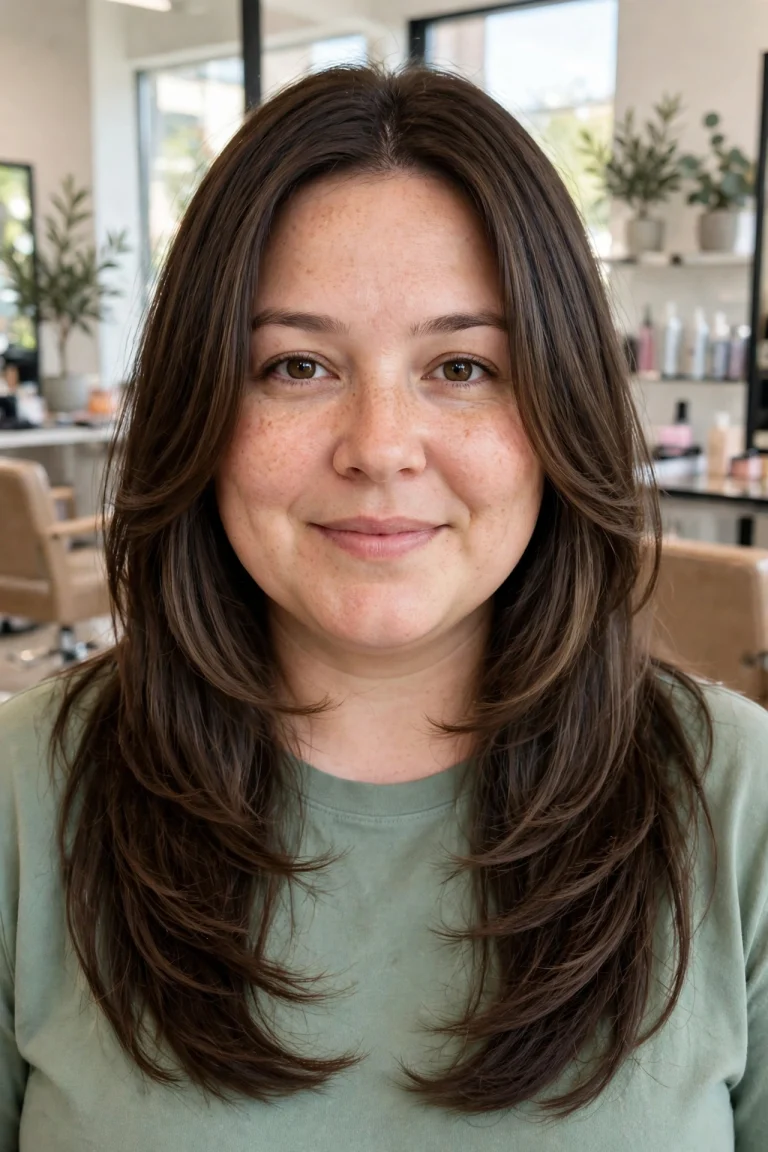
22 Face-Framing Layers Ideas for Curly Hair With Shape
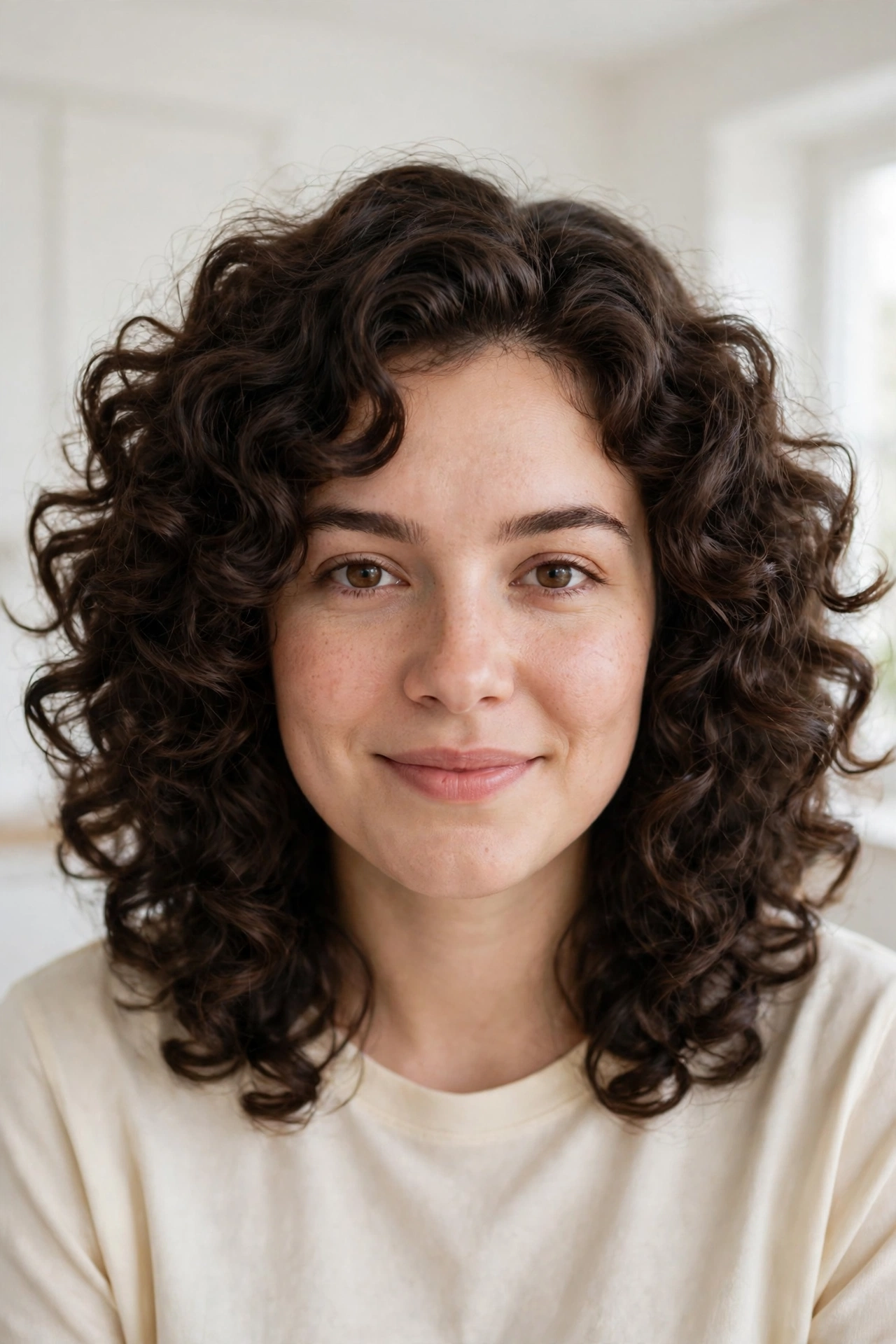
Curly hair needs shape more than it needs length, and face-framing layers are the tool that gives curls their outline. Well-placed layers stop curls from stacking into a triangle and let each curl sit where it belongs. These twenty-two ideas show how layered cuts can sculpt curls into a balanced, flattering shape around the face.
1. Rounded Curl-Defining Layers
Layers are cut into a rounded outline so curls stack evenly instead of piling up at the bottom. The rounded shape frames the face softly and keeps the silhouette balanced from every angle. It works beautifully for curls that tend to widen at the ends.
2. Spring-Defining Face Layers
Shorter layers at the front let individual curls spring up freely, giving the face frame a lively, defined bounce. Each curl is free to form its own spiral without being weighed down. A defining cream applied to damp curls helps the springs hold their shape.
3. Coil-Softening Cheek Layers
Layers that begin at the cheek soften tight coils around the face without removing their natural spring. The cheek-length pieces open up the face while the coils behind stay full. This is a gentle way to shape dense, coily hair.
4. Curl-Stacking Layers
Layers are stacked so curls sit on top of one another in a deliberate, tiered shape. The stacking creates height at the crown and a neat taper toward the ends. It is ideal for curls that need structure rather than extra volume.
5. Sculpted Ringlet Face Frame
Face-framing layers are shaped so ringlets fall in a sculpted pattern around the cheeks and jaw. The sculpted edge looks intentional and polished, even on wash-and-go days. Small amounts of gel scrunched through damp ringlets keep the pattern distinct.
6. Bouncy Curl Layers for Volume Balance
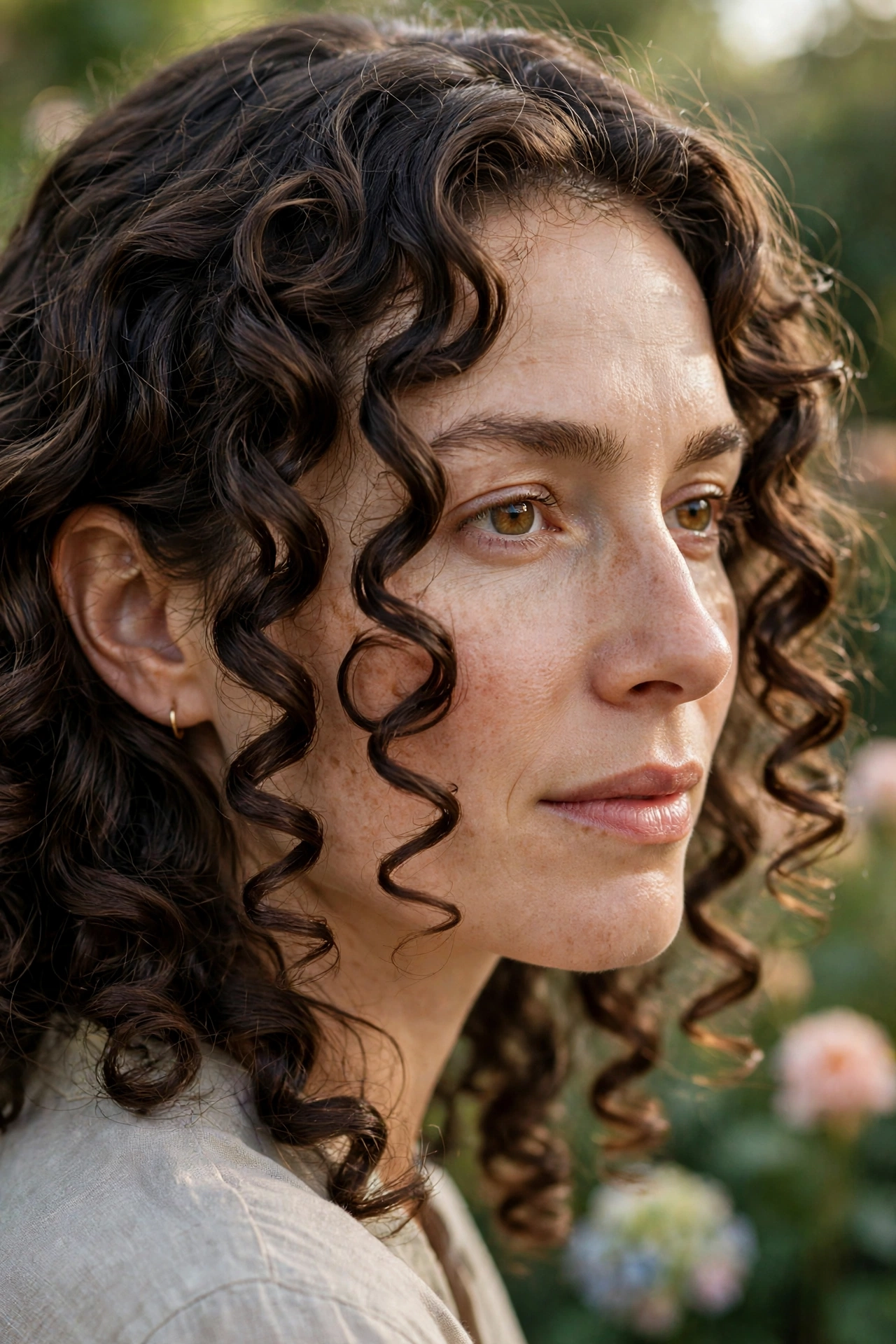
Layers are distributed to balance volume, taking weight from the bottom and adding lift at the top. The result is a bouncy shape that feels even rather than bottom-heavy. Diffusing with the head flipped upside down boosts the balance further.
7. Soft Spiral-Shaping Layers
Layers follow the natural spiral of the curls, so each spiral keeps its shape from root to tip. The cut enhances the spiral pattern instead of cutting across it. This works especially well for curls that form clear, consistent spirals.
8. Curly Layers with a Rounded Outline
A rounded outline gives the whole cut a soft, cloud-like shape with curls framing the face evenly. There are no sharp corners, so the silhouette feels gentle and full. Finger-shaping after drying keeps the rounded edge even.
9. Face-Framing Layers for Defined Curls
These layers are placed specifically to show off curl definition around the face, with the most defined curls sitting at the front. The frame draws the eye to the curl pattern itself. A light defining cream keeps the front curls crisp without stiffness.
10. Layered Curls with a Lifted Crown
Shorter layers at the crown lift the roots, giving curly hair height and a shapely profile. The lifted crown stops the cut from looking flat on top and wide at the bottom. Root clips used while drying help hold the lift.
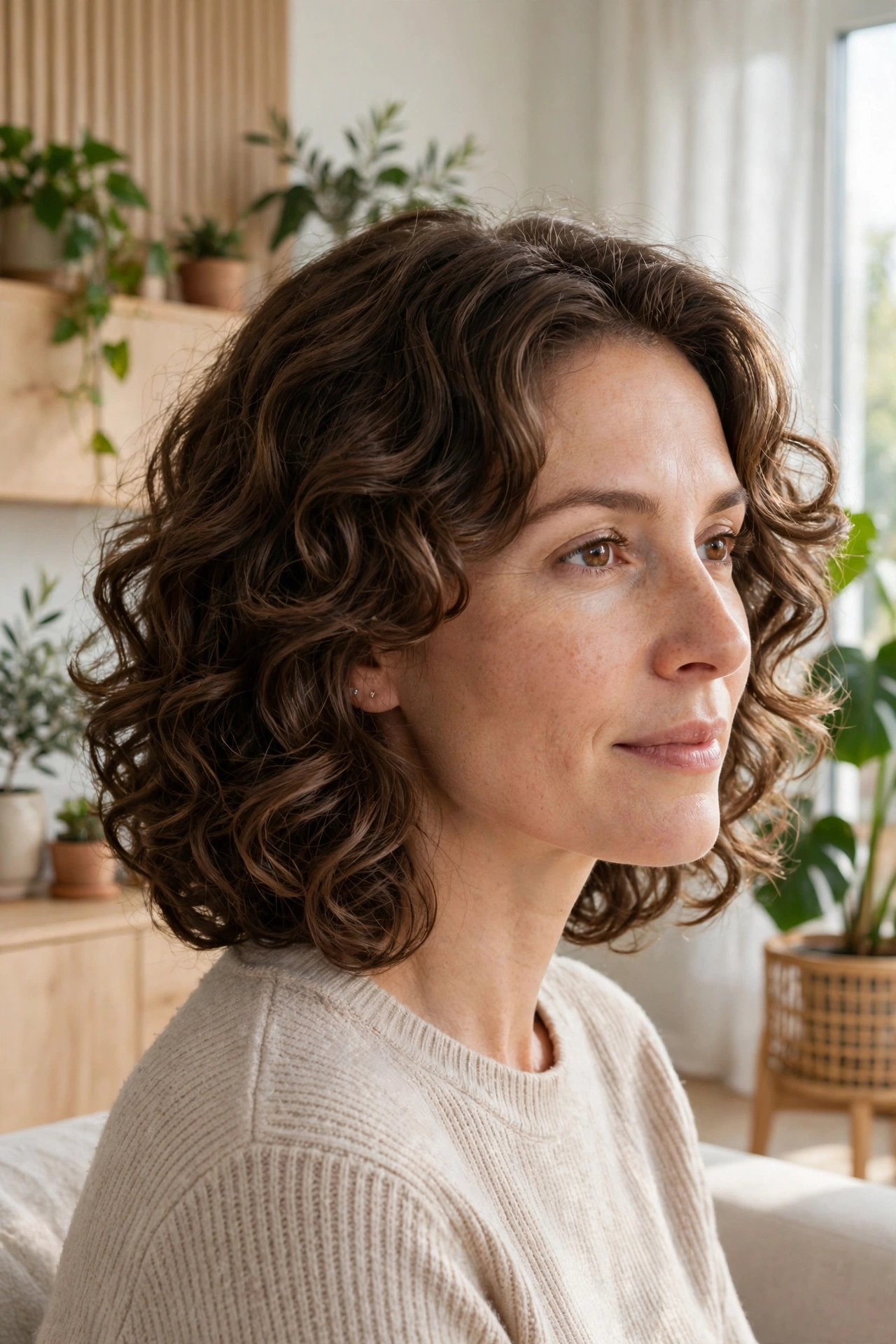
11. Gentle Curl-Opening Layers
Layers open up dense curls around the face, creating space and air between curl groups. The open shape feels lighter and shows off the individual curl pattern. This suits thick curly hair that can look solid without layering.
12. Shaped Layers for Tight Curls
Tight curls are shaped with careful, graduated layers that control the outline without stretching the curl. The shape stays compact and neat, with the face frame sitting close to the cheeks. Cutting curls dry helps the stylist see exactly where each layer will fall.
13. Layered Curls with Soft Ends
The ends of the layers are kept soft and slightly tapered, so the curl shape finishes gently rather than bluntly. Soft ends prevent the cut from looking blocky as it grows out. A little leave-in conditioner keeps the ends touchable.
14. Curl-Framing Layers for a Side Part
A side part lets curl layers fall asymmetrically, with more volume on one side for a shapely, dynamic outline. The longer side frames the face in a sweeping curve. This shape suits curls that naturally fall to one side.
15. Layered Curls with a Centre Fall
With a centre part, curl layers fall evenly on both sides in a symmetrical, sculpted frame. The balance makes the curl shape look deliberate and polished. Keeping the part soft rather than sharply drawn preserves the natural feel.
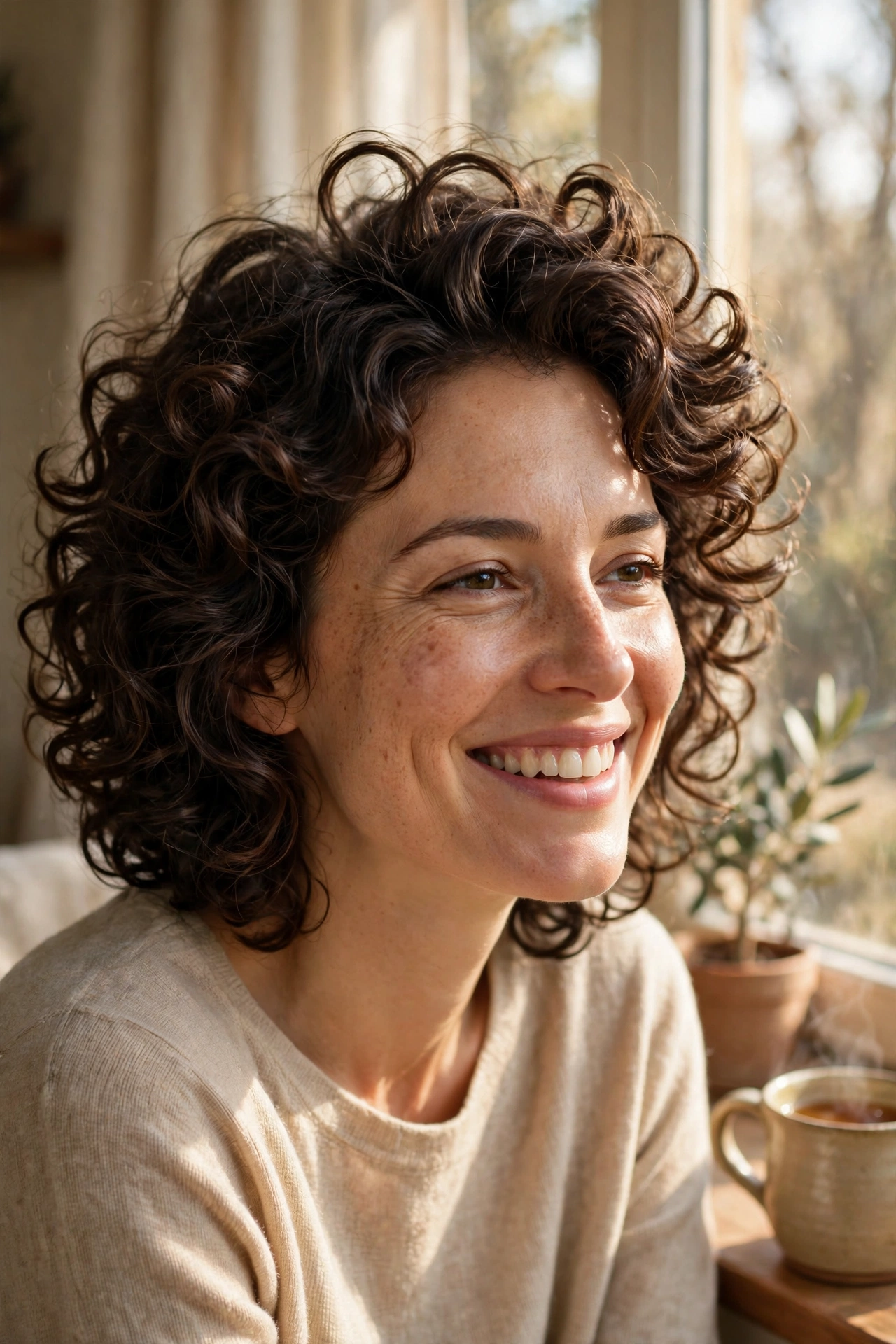
16. Rounded Shoulder-Length Curl Layers
A shoulder-length cut with rounded layers gives curls a compact, bouncy shape that holds its outline well. The length is short enough to keep curls springy and long enough to frame the face fully. It is a practical, flattering length for many curl types.
17. Softly Graduated Curl Layers
Graduated layers get gradually shorter toward the face, creating a smooth slope of curls from the crown to the cheeks. The graduation gives the shape a gentle, flowing structure. This cut grows out gracefully because the slope stays intact.
18. Curl Layers with Face-Brightening Pieces
Lighter, shorter curl pieces around the face draw attention to the eyes and cheekbones. These brightening pieces sit within the layering rather than standing apart from it. They add a fresh, open feel to the whole curly shape.
19. Layered Curls with Natural Bounce
Layers are cut to maximise the natural bounce of the curls, with weight removed exactly where curls need to spring. The hair moves with a lively bounce when you walk or turn your head. Scrunching with mousse while damp encourages the bounce.
20. Sculpted Layers for Loose Curls
Loose curls get a sculpted shape through layers that define the outline without tightening the curl pattern. The result is a soft, wavy-curly silhouette with clear structure. A lightweight mousse adds hold without making loose curls crunchy.
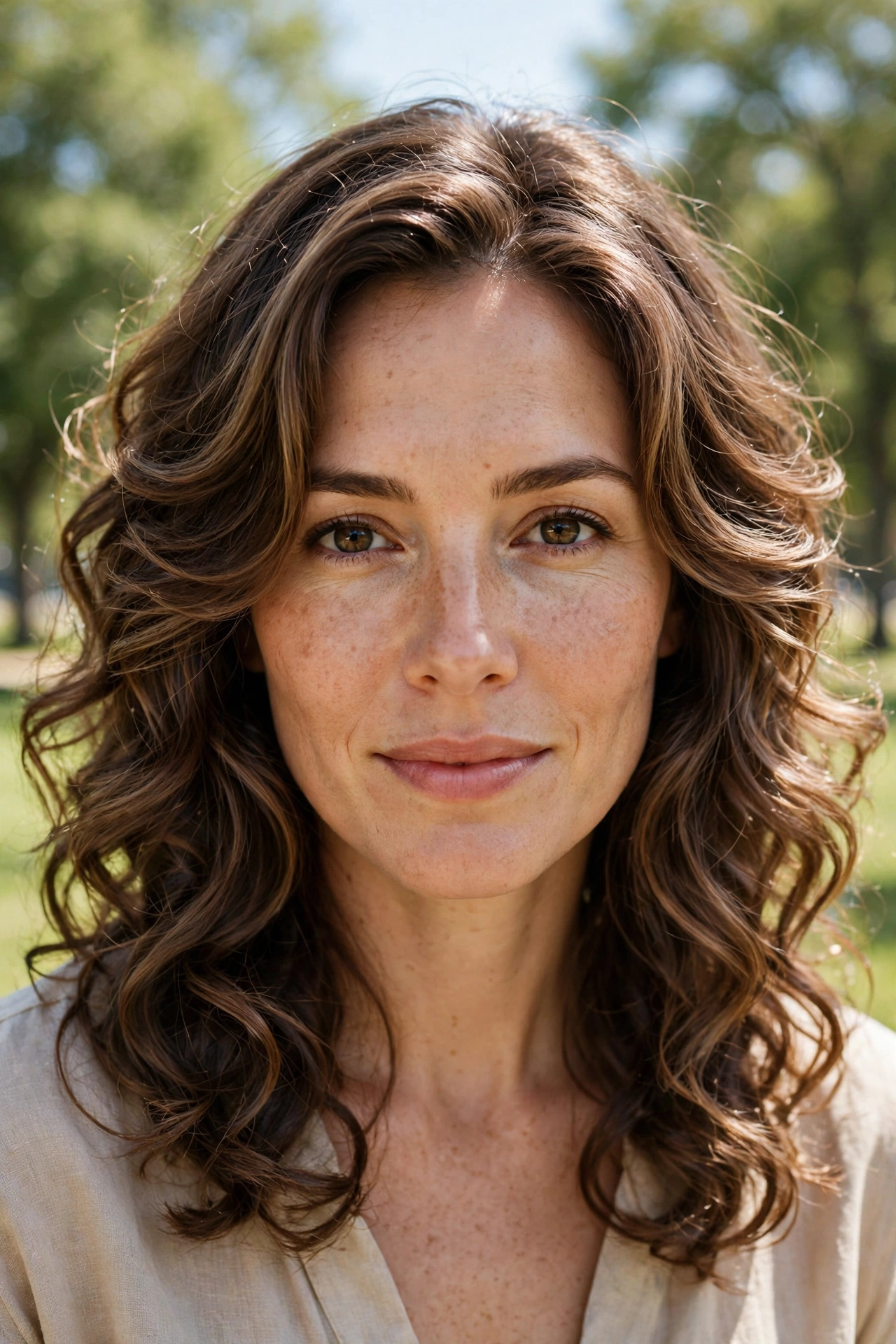
21. Curl Layers with a Tapered Front
The front layers taper gradually from the crown to the jaw, giving the face frame a neat, narrowing shape. The taper keeps curls close to the face in a flattering line. It suits longer faces that benefit from a slightly narrower frame.
22. Balanced Curl Layers for Full Shapes
For very full curly hair, layers are balanced so volume is spread evenly around the head rather than concentrated in one area. The balanced shape feels controlled but still gloriously full. Regular trims keep the balance as the hair grows.
Styling Tips
Cut curly layers when the hair is dry or in its natural state, so each layer lands exactly where the curls fall. Apply curl cream or light gel to soaking wet hair, then scrunch gently to encourage definition. Diffuse on low heat and low speed, or air-dry, to protect the curl pattern and the layered shape. Avoid brushing dry curls, as this breaks up curl clumps and destroys the shape the layers create. Refresh between washes with a water mist and a small amount of leave-in conditioner. Sleep on a satin pillowcase or in a loose pineapple updo to preserve the layered curl shape overnight. Trim layered curls every eight to twelve weeks to maintain the outline and prevent split ends.
FAQ
Do layers help curly hair keep its shape?
Yes, layers are one of the best tools for shaping curly hair. They remove the bulk that causes a triangle shape and let curls stack in a balanced outline. Without layers, curly hair often grows wide at the bottom and flat at the top.
Should curly layers be cut wet or dry?
Dry cutting, or cutting in the hair’s natural state, usually gives the most predictable shape for curls. Wet curls stretch longer and spring up when dry, which can make wet-cut layers land shorter than expected. Ask your stylist about their approach for your curl type.
Will layers make my curls look thinner?
Layers remove some bulk, but they should not make curls look thin if they are placed well. The goal is to redistribute volume, not remove it entirely. Tell your stylist you want shape with fullness preserved, especially at the ends.
How do I keep layered curls defined all day?
Start with a defining cream or light gel on wet hair, scrunch, and avoid touching the curls while they dry. Once dry, a light oil smoothed over the surface adds shine and reduces frizz without disturbing the shape.
How often should layered curly hair be trimmed?
Every eight to twelve weeks keeps the shape intact and the ends healthy. Curls hide growth well, so you can stretch a little longer than straight hair, but regular trims stop the outline from losing its shape.