
25 Medium-Length Cuts for Wavy Hair With Definition

Wavy hair looks its best when the cut helps each wave form cleanly instead of blurring into frizz. These 25 medium cuts are shaped to define waves, encourage natural clumps, and keep the silhouette balanced. Each one lets your waves do the talking.
1. Wavy-Definition Shoulder Cut with Wave-Enhancing Layers
Layers cut to follow the wave pattern help waves clump and define naturally. The layers are long and blended so waves are not broken up. Scrunch with a light cream to encourage definition.
2. Wavy-Definition Lob with a Clean Wave Outline
This lob has a clean, even outline that lets waves show their natural shape. The tidy perimeter stops waves from looking messy. Air-dry or diffuse gently to keep the outline intact.
3. Wavy-Definition Midi Cut with Long Wave Layers
Long layers give waves room to form fully without stacking into bulk. The length lets each wave develop from root to tip. This is a reliable shape for loose to medium waves.
4. Wavy-Definition Cut with a Centre Part for Even Waves
A centre part lets waves fall evenly on both sides, showing off their definition. The symmetry highlights the wave pattern beautifully. Keep the part soft, not sharply drawn.
5. Wavy-Definition Shoulder Cut with Side-Parted Waves
A side part gives wavy hair a natural, swept direction that enhances definition. The waves cascade to one side in defined sections. This styling suits looser wave patterns especially well.
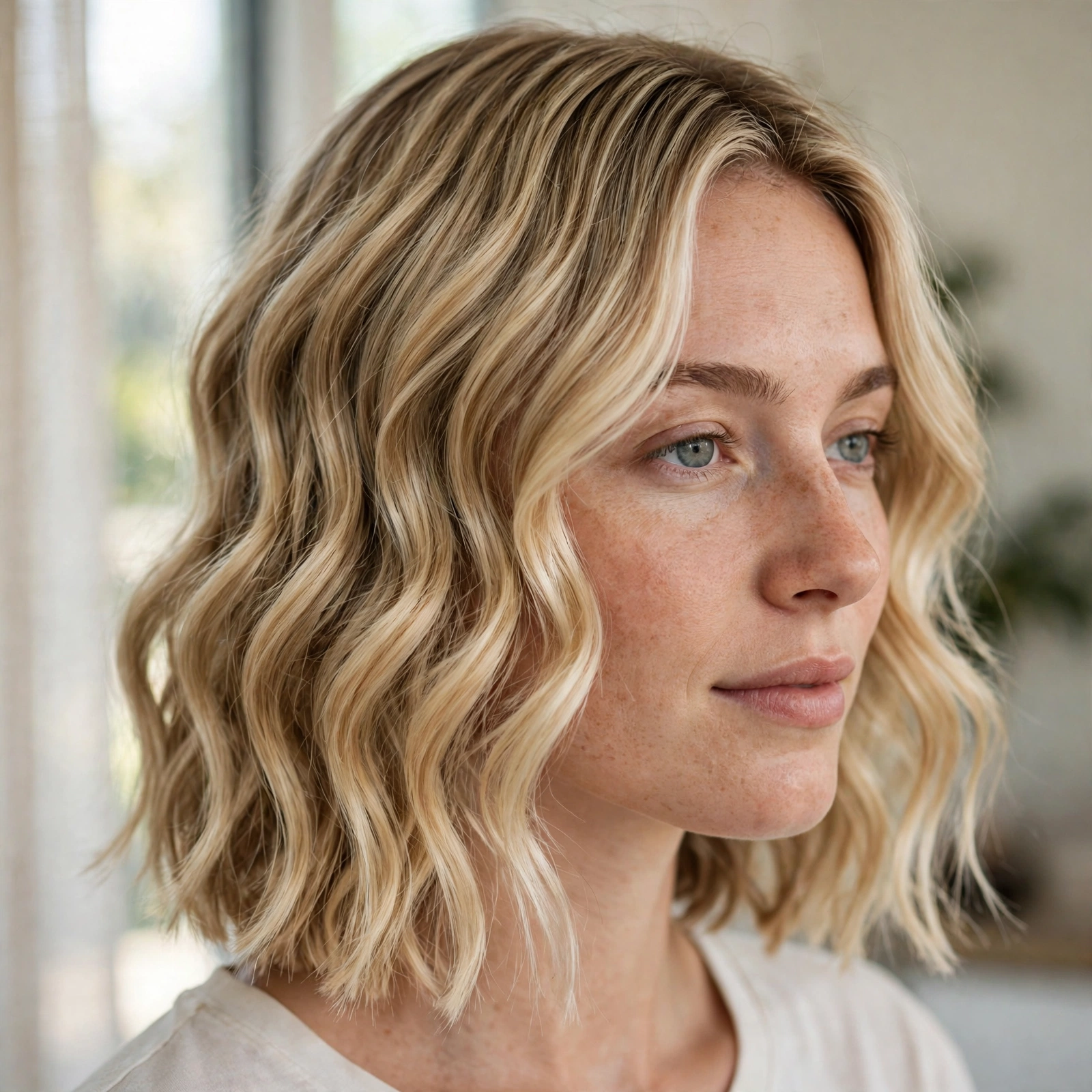
6. Wavy-Definition Lob with Scrunch-Dried Definition
Cut to respond well to scrunching, this lob defines quickly with a diffuser or air-drying. The shape supports wave clumps rather than fighting them. Scrunch upward with mousse on damp hair.
7. Wavy-Definition Midi Cut with Defined Ends
Ends are shaped so waves finish cleanly instead of fraying into frizz. The defined tips make the whole cut look polished. A little curl cream on the ends seals the definition.
8. Wavy-Definition Cut with Face-Framing Waves
Waves around the face are shaped to frame the features in defined, soft sections. These front waves are the most visible, so their definition matters most. Style them first while hair is wettest.
9. Wavy-Definition Shoulder Cut with a Rounded Wave Shape
A rounded overall shape keeps wavy hair balanced and prevents a triangular outline. The rounded silhouette lets waves stack evenly. Diffuse upside down briefly, then let waves settle.
10. Wavy-Definition Lob with Loose S-Waves
This lob is cut to encourage classic S-shaped waves that flow smoothly. The S pattern reads as defined and elegant. Use a large barrel iron to enhance the S shape if needed.

11. Wavy-Definition Midi Cut with Clumped Wave Sections
The cut encourages hair to dry in distinct clumps, which is the secret to defined waves. Clumps are kept intact by not brushing after drying. Finger-comb only if you need to separate sections.
12. Wavy-Definition Cut with a Soft Wave Fringe
A soft, wavy fringe blends into defined waves around the face. The fringe waves should match the rest of the pattern. Style the fringe with the same products as the lengths.
13. Wavy-Definition Shoulder Cut with Beach-Wave Definition
Beachy waves are defined but relaxed in this shoulder cut. The shape holds a tousled wave without looking messy. Salt spray and scrunching create the beachy definition.
14. Wavy-Definition Lob with a Smooth Top and Defined Lengths
A smooth top contrasts with defined waves below, giving a polished yet natural look. The smooth roots keep the shape tidy. Smooth the crown with a paddle brush while damp, then scrunch the lengths.
15. Wavy-Definition Midi Cut with Even Wave Distribution
Waves are distributed evenly through the cut, with no flat sections or overly curly patches. The even pattern looks intentional and balanced. This requires careful layering by a stylist who understands waves.

16. Wavy-Definition Cut with a Side Sweep for Wave Flow
A side sweep directs waves into a flowing, defined cascade. The directional flow enhances the wave pattern. Sweep the front to one side while damp and let it dry in place.
17. Wavy-Definition Shoulder Cut with Natural Part Waves
Cut around the hair’s natural part, this style lets waves fall where they naturally want to. Fighting the part less means better definition and less frizz. Let hair part naturally after washing.
18. Wavy-Definition Lob with Defined Crown Waves
Waves are encouraged right from the crown, not just at the ends. Crown definition prevents the flat-top look wavy hair can get. Scrunch mousse into the roots as well as the lengths.
19. Wavy-Definition Midi Cut with a Diffuser-Friendly Shape
This shape responds beautifully to diffusing, with layers that lift and define under gentle airflow. The diffuser enhances the natural pattern without frizz. Diffuse on low heat until about eighty percent dry.
20. Wavy-Definition Cut with Soft Spiral-Tipped Waves
Wave tips curl into soft spirals, giving the ends extra definition. The spiral tips make the whole cut look finished. Twist small end sections while damp to encourage the spiral.
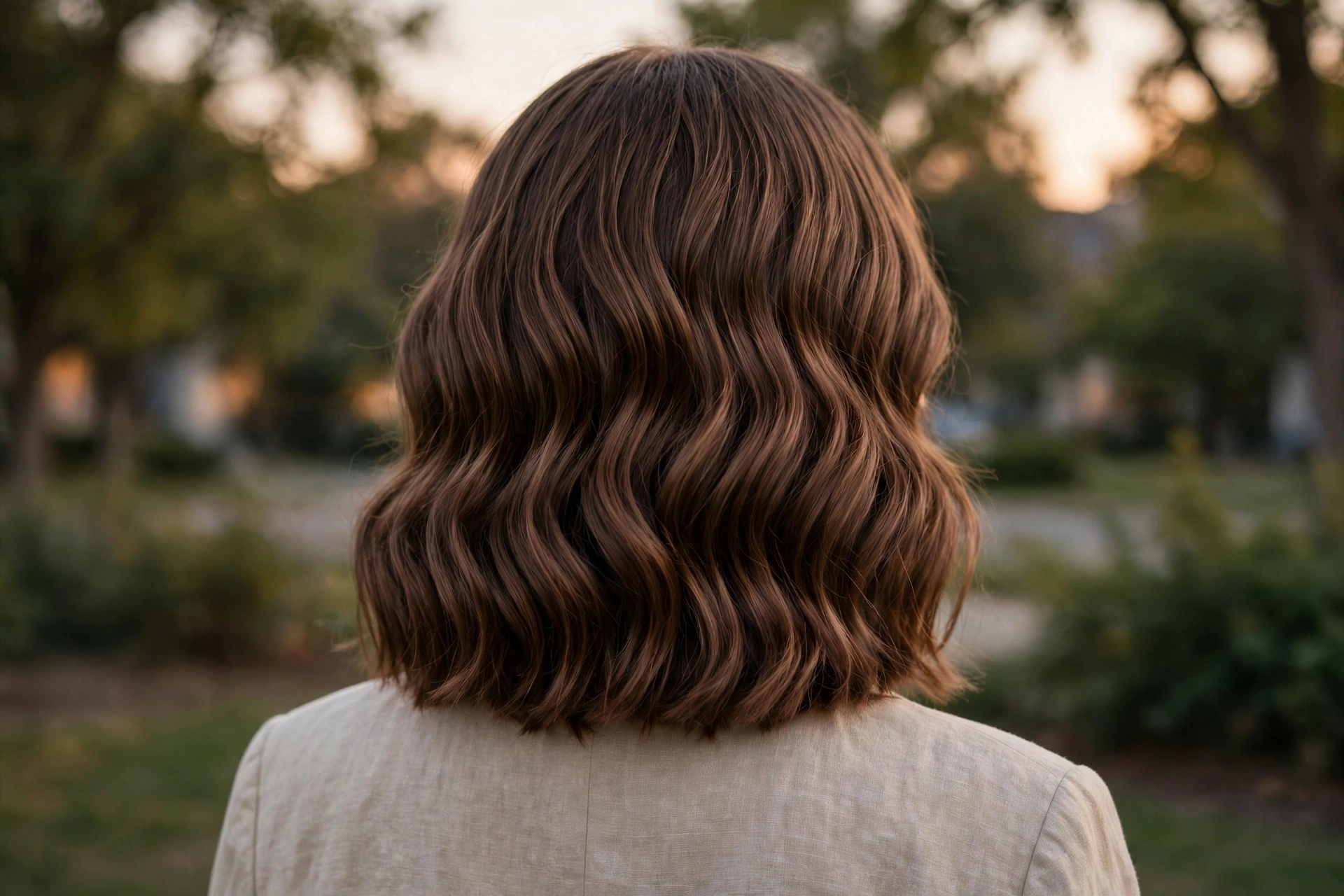
21. Wavy-Definition Shoulder Cut with a Low-Maintenance Wave Shape
This shape holds its wave definition for days, needing only a quick refresh. The cut does the work, not the styling routine. Refresh with a water mist and a little cream.
22. Wavy-Definition Lob with a Balanced Wave Silhouette
The silhouette is balanced — not too wide, not too flat — so waves read as defined. Balance comes from careful layering and an even outline. This is a versatile, everyday wavy shape.
23. Wavy-Definition Midi Cut with a Half-Up Wave Style
Shaped to look great half-up, this midi cut shows off defined waves in the lower lengths. The half-up section keeps waves out of the face. Pull the top back loosely so waves stay intact.
24. Wavy-Definition Cut with Glossy Wave Shine
Shine makes defined waves look healthier and more polished. A glossy finish highlights each wave’s shape. Use a light shine spray once waves are fully dry.
25. Wavy-Definition Shoulder Cut with a Polished Everyday Wave Finish
Smooth, defined, and wearable, this is the everyday wavy cut to rely on. Waves look intentional without hours of styling. A quick scrunch and air-dry is usually enough.
Styling Tips
- Apply curl or wave cream to soaking wet hair, then scrunch upward to form clumps.
- Avoid brushing dry wavy hair, which breaks clumps and creates frizz.
- Diffuse on low heat and low speed, or air-dry, to protect wave definition.
- Use a microfibre towel or soft cotton cloth instead of a rough towel.
- Refresh waves with a water mist and a small amount of cream, reshaping with your fingers.
- Sleep on a satin pillowcase or in a loose braid to preserve wave shape overnight.
- Trim every eight to ten weeks so wave ends stay defined rather than split.
Frequently Asked Questions
How do I get more definition in my wavy hair?
Cut is the foundation — long, wave-aware layers help waves clump cleanly. Then style on wet hair with a defining cream or mousse, scrunching upward. Avoid brushing once dry, which breaks definition apart.
Should wavy hair be layered?
Yes, but layers should be long and cut to follow the wave pattern. Short, choppy layers can make waves look uneven. A stylist experienced with wavy hair will layer to enhance, not interrupt, the pattern.
Can I define waves without heat?
Absolutely — air-drying with scrunching is often the best method for wave definition. Apply product to wet hair, scrunch, and leave it untouched until dry. Diffusing on low heat is a good faster alternative.
Why does my wavy hair go frizzy?
Frizz usually comes from brushing dry waves, rough towel-drying, or lack of moisture. Keep waves moisturised, handle them gently when wet, and avoid touching them while they dry. A satin pillowcase also helps overnight.
How often should wavy hair be trimmed?
Every eight to ten weeks keeps wave ends defined and prevents split ends from blurring the pattern. Wavy hair hides growth well, so you can stretch a little longer if needed. Regular light trims beat infrequent big cuts.