25 Knotless vs Box Braids Ideas for Choosing Your Style
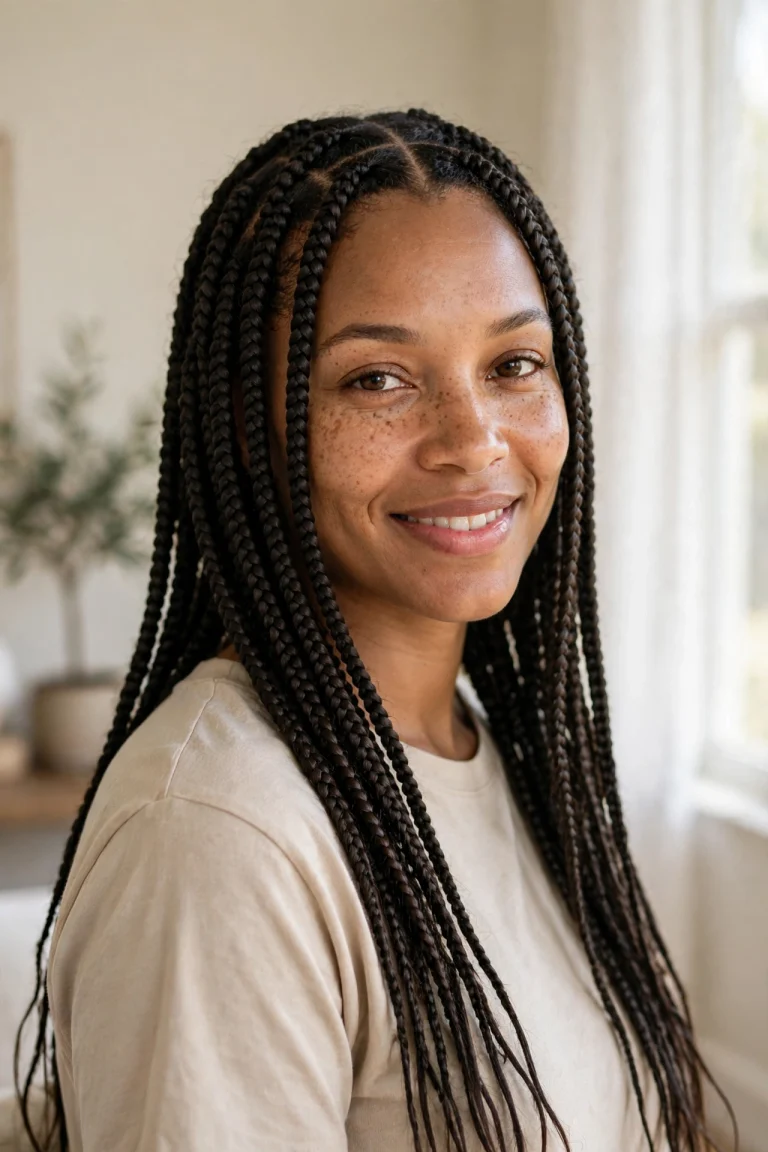
Choosing between knotless and traditional box braids is less about which is better and more about which suits your scalp, your schedule, and your style. Knotless braids start softly and look natural at the root, while classic box braids give a structured, long-lasting finish. These ideas compare the two side by side, so you can spot the difference and pick the right style for your next appointment.
1. Natural Root Finish: Knotless Wins for Realism
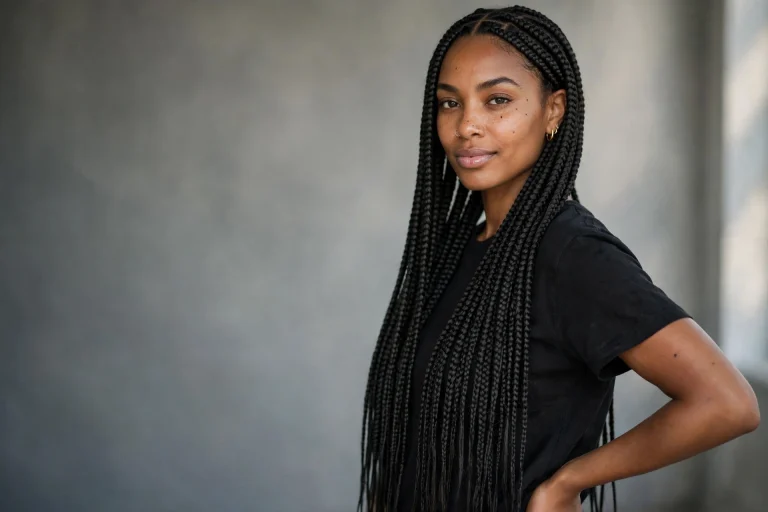
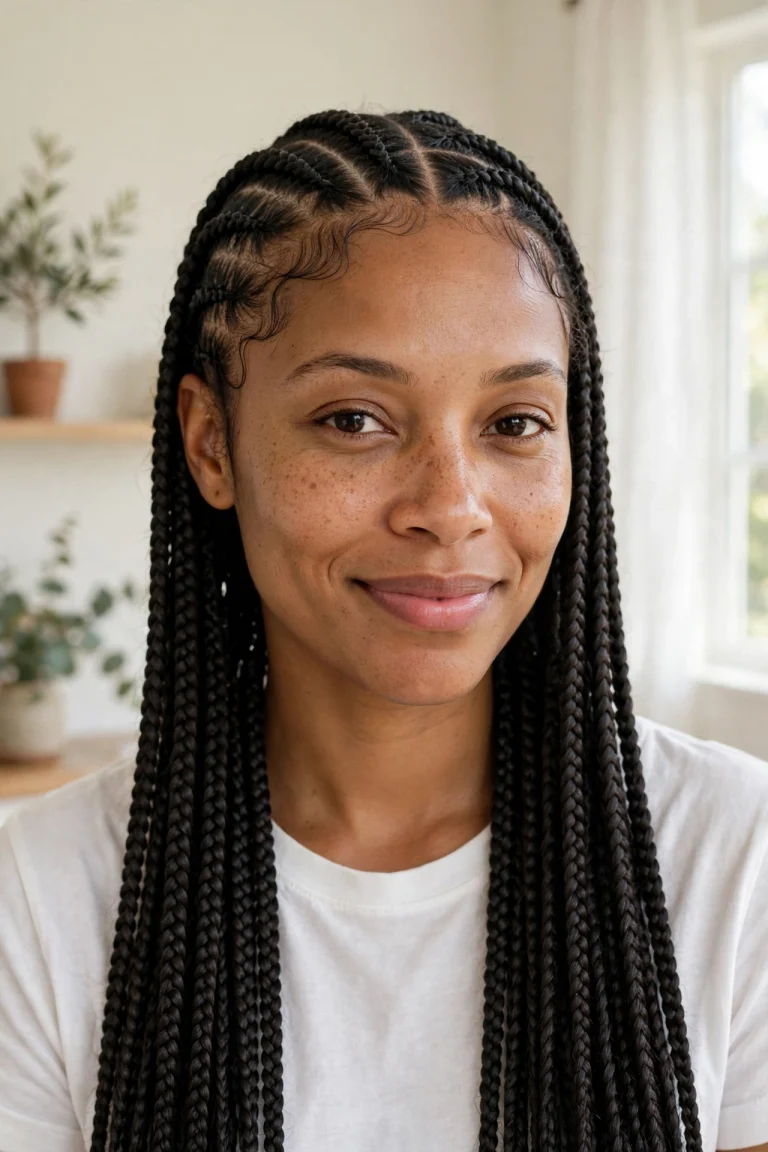
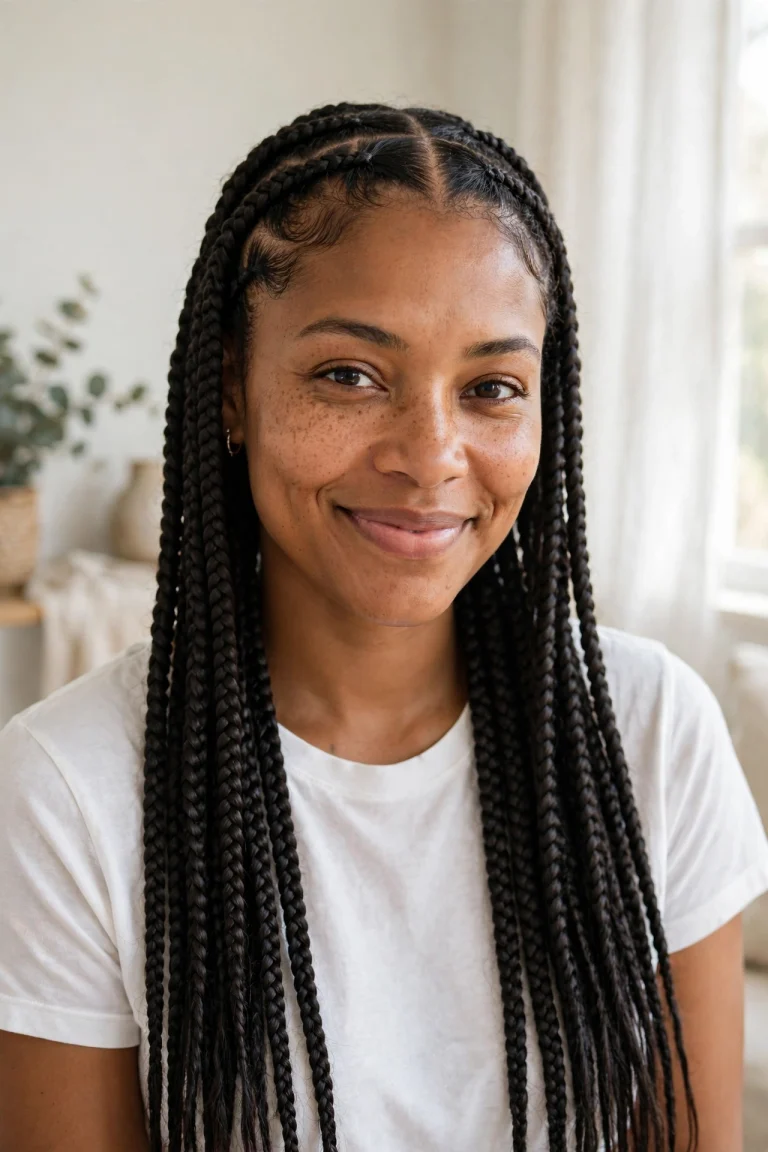
Knotless braids blend into the scalp with a smooth, feed-in start that looks almost like natural hair growing from the root. Traditional box braids, by contrast, show a small knot at the base of each braid. If a natural-looking root matters most to you, knotless is the clear choice.
2. Structured Root Finish: Classic Box Braids Win for Definition
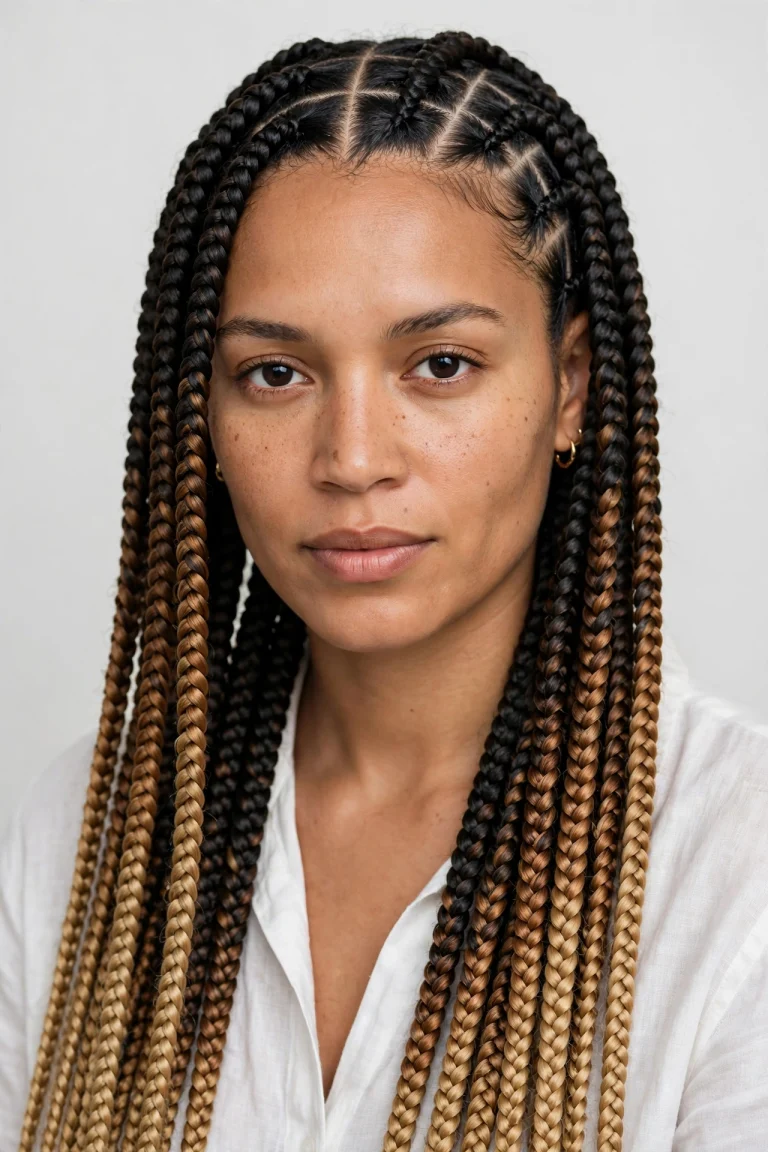
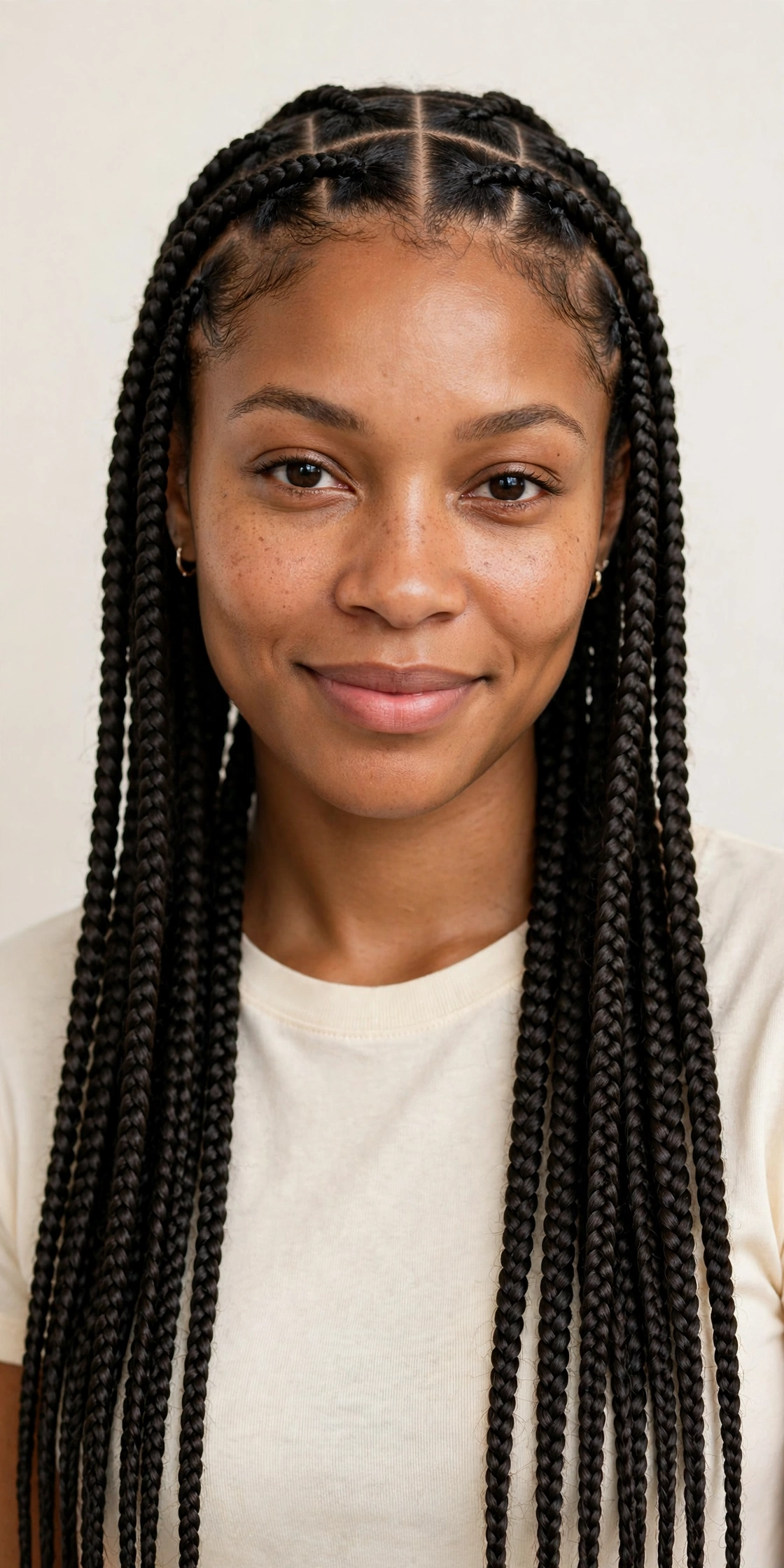
Classic box braids have a neat, defined knot at the root that gives each braid a crisp, structured start. The definition makes parts look sharp and the style look intentionally braided. If you love a bold, graphic braid look, the classic finish may appeal more.
3. Comfort on Day One: Knotless Feels Lighter
Because there is no tight knot pulling at the scalp, knotless braids usually feel comfortable immediately after installation. Classic box braids can feel tight for the first few days until they loosen slightly. Tender scalps often prefer the gentler knotless start.
4. Longevity Test: Classic Box Braids Hold Longer
Traditional box braids tend to stay neat for six to eight weeks, as the knotted root holds its shape well. Knotless braids usually last four to six weeks before the roots look fuzzy. If maximum wear time is your priority, classic braids have the edge.
5. Styling Flexibility in Week One: Knotless Moves Freely
Knotless braids can be gathered, swept, and styled in different ways straight away, without the stiffness of fresh knots. Classic braids may feel tight when pulled up in the first week. For instant versatility, knotless braids are easier to live with.
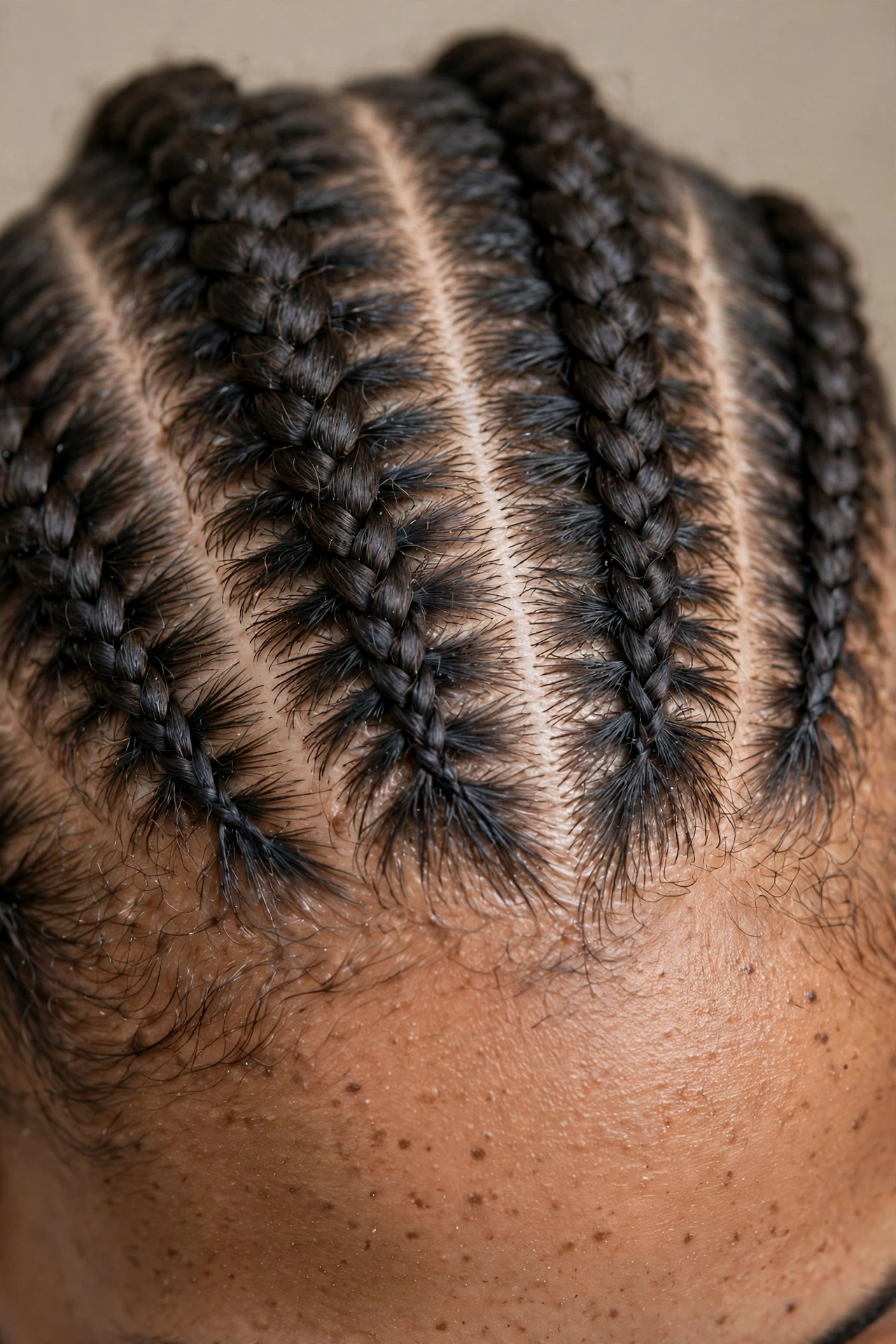
6. Updo Hold: Classic Box Braids Grip Better
The knotted roots of classic box braids give updos extra grip, so gathered styles stay put all day. Knotless braids hold updos well too, but very smooth, fresh sets can slip slightly. If you wear updos daily, classic braids may feel more secure.
7. Edge Safety: Knotless Is Kinder to the Hairline
The feed-in technique of knotless braids puts far less strain on the edges, making them safer for delicate hairlines. Classic braids, if installed too tightly, can stress the edges more. Anyone with thinning edges should lean towards knotless.
8. Install Time: Classic Box Braids Are Often Faster
Classic box braids use a simpler, more repetitive technique, so installation is often quicker. Knotless braids require careful feeding in of extensions, which takes more time and skill. If appointment length matters, classic braids may save you an hour or more.
9. Cost Comparison: Classic Braids Usually Cost Less
Because knotless installation takes longer and demands more technique, it is often priced higher than classic box braids. Classic braids remain the more budget-friendly option in most salons. Weigh the extra cost against the comfort benefit when deciding.
10. Scalp Access for Oiling: Knotless Parts Are Easier
Knotless braids lie flatter at the root, and their parts often stay cleaner and more accessible for scalp oiling. Classic knots can make it slightly harder to reach the scalp between braids. Regular oiling is simpler with a knotless set.
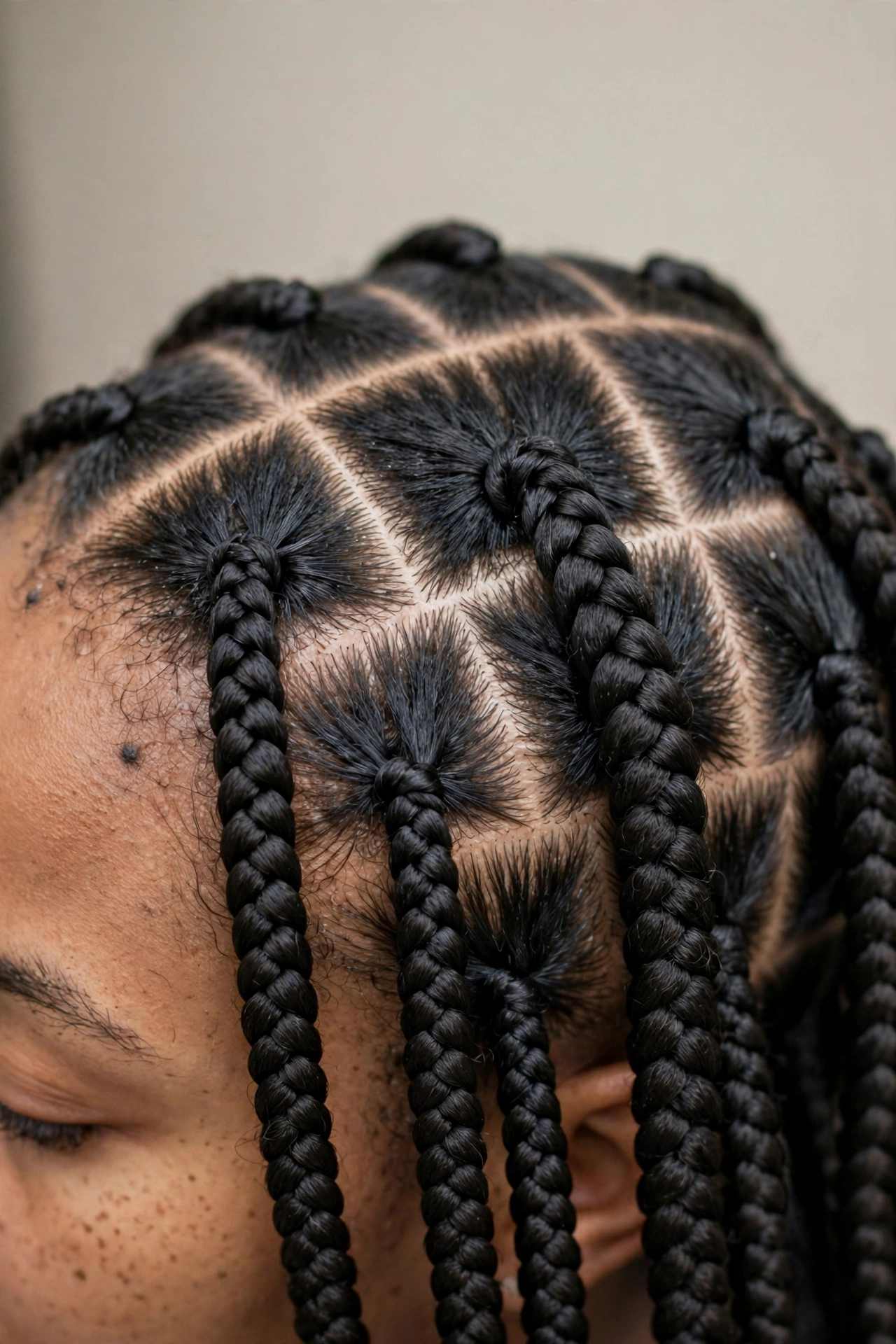
11. Volume at the Roots: Classic Braids Look Fuller
The knot at the base of classic box braids adds instant volume and fullness at the roots. Knotless braids start flatter, which looks natural but less voluminous. If big, bold root volume is your goal, classic braids deliver it immediately.
12. Movement and Swing: Knotless Braids Flow More Naturally
Without a stiff knot anchoring each braid, knotless braids swing and move more like loose hair. The natural movement is especially noticeable in long, flowing styles. Classic braids move beautifully too, but with slightly more structure.
13. Best for Sensitive Scalps: Knotless Is the Safer Bet
For scalps prone to soreness, bumps, or headaches after braiding, knotless braids are almost always recommended. The gradual feed-in avoids the sudden tension of a knot. Sensitive scalps should choose knotless and still ask for a gentle hand.
14. Best for Active Lifestyles: Classic Braids Stay Put
Swimming, workouts, and high-energy days are easier with classic box braids, whose knotted roots resist loosening. Knotless braids are perfectly wearable for active lifestyles too, but may need more frequent tidying. For maximum staying power, classic braids win.
15. First-Time Braid Experience: Knotless Feels Friendlier
First-timers often find knotless braids less intimidating, as there is no painful tight phase to endure. The natural look also feels less dramatic for someone new to braids. A gentle knotless set is an excellent introduction to protective styling.

16. Neatness After Four Weeks: Classic Braids Age Better
At four weeks, classic box braids usually still look quite neat, with knots holding the roots in shape. Knotless braids at the same stage often show more new growth and frizz at the roots. If you plan to keep braids in for two months, classic is the steadier choice.
17. Parting Precision: Classic Braids Show Parts Sharply
Square or triangular parts look especially crisp with classic box braids, as the knot defines each section clearly. Knotless parts look softer and more blended, which suits a natural aesthetic. Choose classic for graphic parting, knotless for soft parting.
18. Weight on the Neck: Knotless Feels Lighter Overall
The gradual addition of hair in knotless braids distributes weight more evenly, so long styles feel lighter on the neck. Classic braids can feel heavier at the roots, especially in very long lengths. Neck comfort favours knotless for waist-length styles.
19. Suitability for Fine Hair: Knotless Blends Better
Fine hair benefits from the knotless feed-in, which avoids a bulky knot that can overwhelm thin strands. The blend looks seamless and puts less stress on fragile hair. Classic braids can still work for fine hair, but need a skilled, gentle braider.
20. Suitability for Thick Hair: Both Work Beautifully
Thick hair holds both styles well, with classic braids giving bold structure and knotless braids giving smooth, flowing length. The choice for thick hair comes down to personal preference rather than necessity. Try one of each over time to discover your favourite.
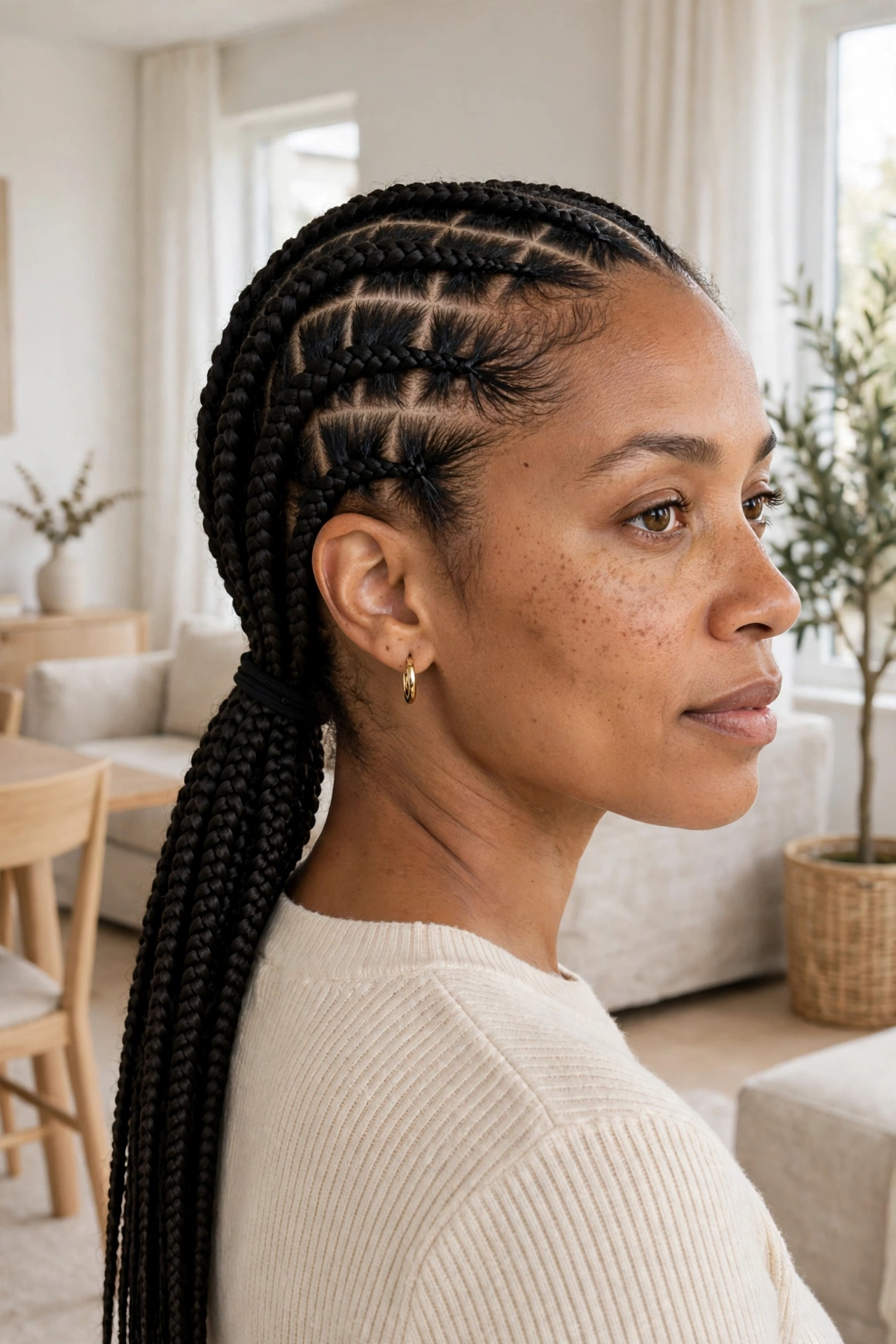
21. Maintenance Between Washes: Classic Braids Need Less Touching Up
Classic braids hold their shape with less daily smoothing, as the knots keep roots tidy. Knotless braids may need a little more gentle smoothing at the roots between washes. Both benefit from satin protection at night.
22. Look in Photos: Knotless Looks More Natural, Classic Looks More Defined
In photographs, knotless braids read as soft, natural, and hair-like, while classic braids read as defined, sculptural, and bold. Neither is better, but the photo effect is noticeably different. Think about the finish you want in pictures when choosing.
23. Transition Between Styles: Knotless Eases the Change
If you are switching from loose natural hair to braids, knotless braids offer a gentler visual transition. The natural root makes the change feel less abrupt. Classic braids make a bolder statement from the first day.
24. Braider Skill Required: Knotless Needs More Experience
A good knotless install depends on a braider skilled in feed-in technique, while classic braids are more widely mastered. Choosing knotless means finding a braider with proven knotless experience. Ask to see photos of their previous knotless work.
25. Final Verdict Idea: Try Knotless First, Classic Second
If you cannot decide, try knotless braids first for comfort and naturalness, then classic box braids next time for longevity and structure. Experiencing both will tell you more than any comparison article can. Many braid lovers alternate between the two depending on the season and occasion.
Styling Tips
- Decide your top priority first, whether comfort, longevity, budget, or a natural look, and let that guide your choice.
- Ask your braider honestly about their experience with knotless technique before booking that style.
- For either style, insist on a comfortable tension and speak up immediately if any braid hurts.
- Protect both styles at night with a satin bonnet or scarf to keep roots neat for longer.
- Oil your scalp two to three times a week, whichever braid style you choose.
- Wash every two to three weeks with diluted shampoo, focusing on the scalp rather than scrubbing the braids.
- Give your hair at least two weeks of rest between installs, regardless of braid type.
- Take braids down as soon as you notice significant frizz, loosening, or scalp discomfort.
Frequently Asked Questions
Which lasts longer, knotless or box braids? Classic box braids usually last longer, typically six to eight weeks, compared with four to six weeks for knotless braids. The knotted root holds its shape better over time, while knotless roots loosen and show new growth sooner. Both can be extended with good night-time protection and gentle washing.
Are knotless braids more expensive than box braids? Yes, knotless braids are often more expensive because the feed-in technique takes longer and requires more skill. Prices vary by salon, braid size, and length, so always confirm the cost when booking. Many people find the extra comfort worth the higher price.
Can I get knotless braids if I have a sensitive scalp? Yes, knotless braids are usually the best choice for a sensitive scalp, as they avoid the tight knot that causes most discomfort. Still tell your braider about your sensitivity and ask for a gentle install. If any braid hurts during installation, ask for it to be redone looser.
Do knotless braids look as neat as box braids? Knotless braids look neat in a different way, with a smooth, natural root rather than a crisp, defined knot. They may look less graphic at the roots, but the overall style is polished and elegant. If you love sharp, square parts, classic braids may look neater to your eye.
Which style should a first-time braid wearer choose? Most first-timers are happiest with knotless braids, because they are more comfortable from day one and look natural. A medium size and mid-back length make a manageable first set. After trying knotless, you can try classic braids next time and compare for yourself.