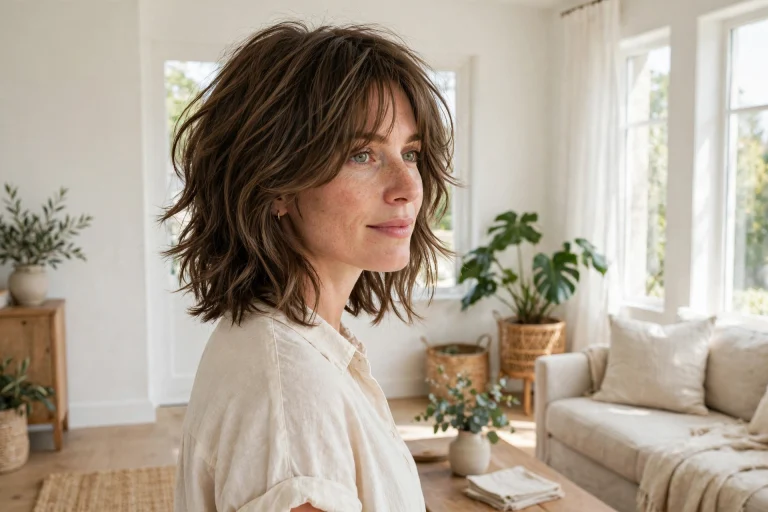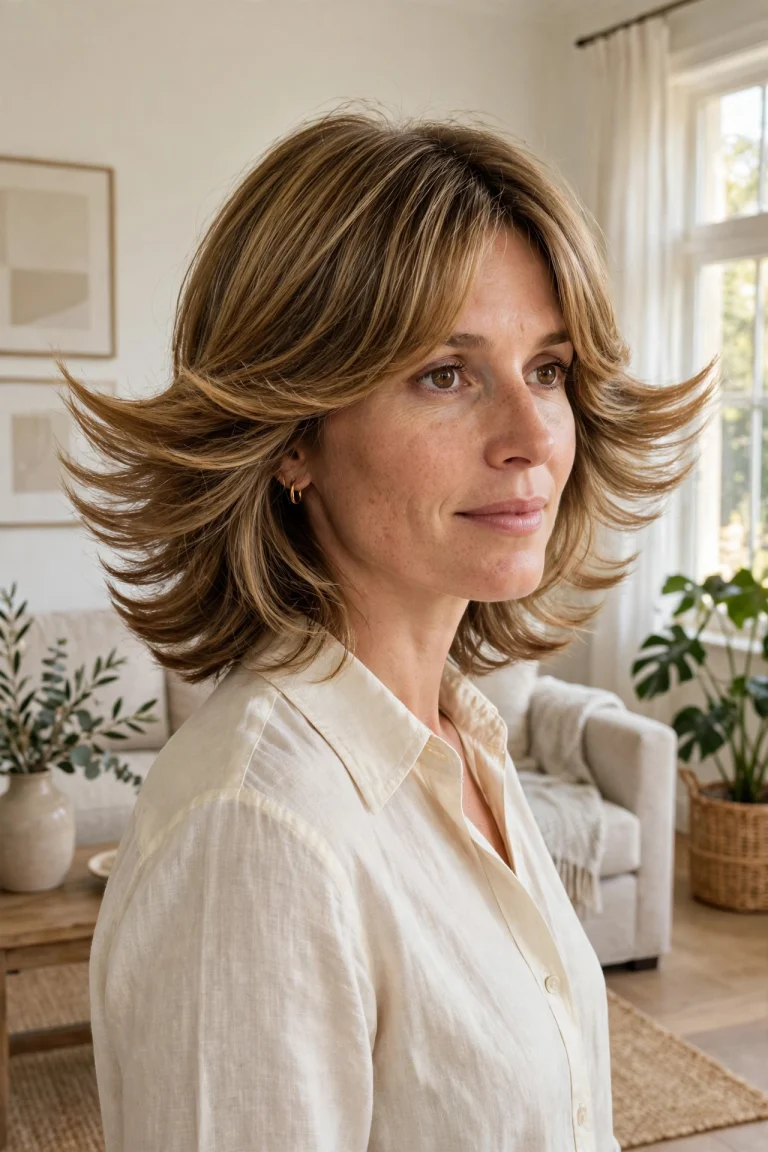
25 Modern Mullet Haircuts for a Soft Edgy Look
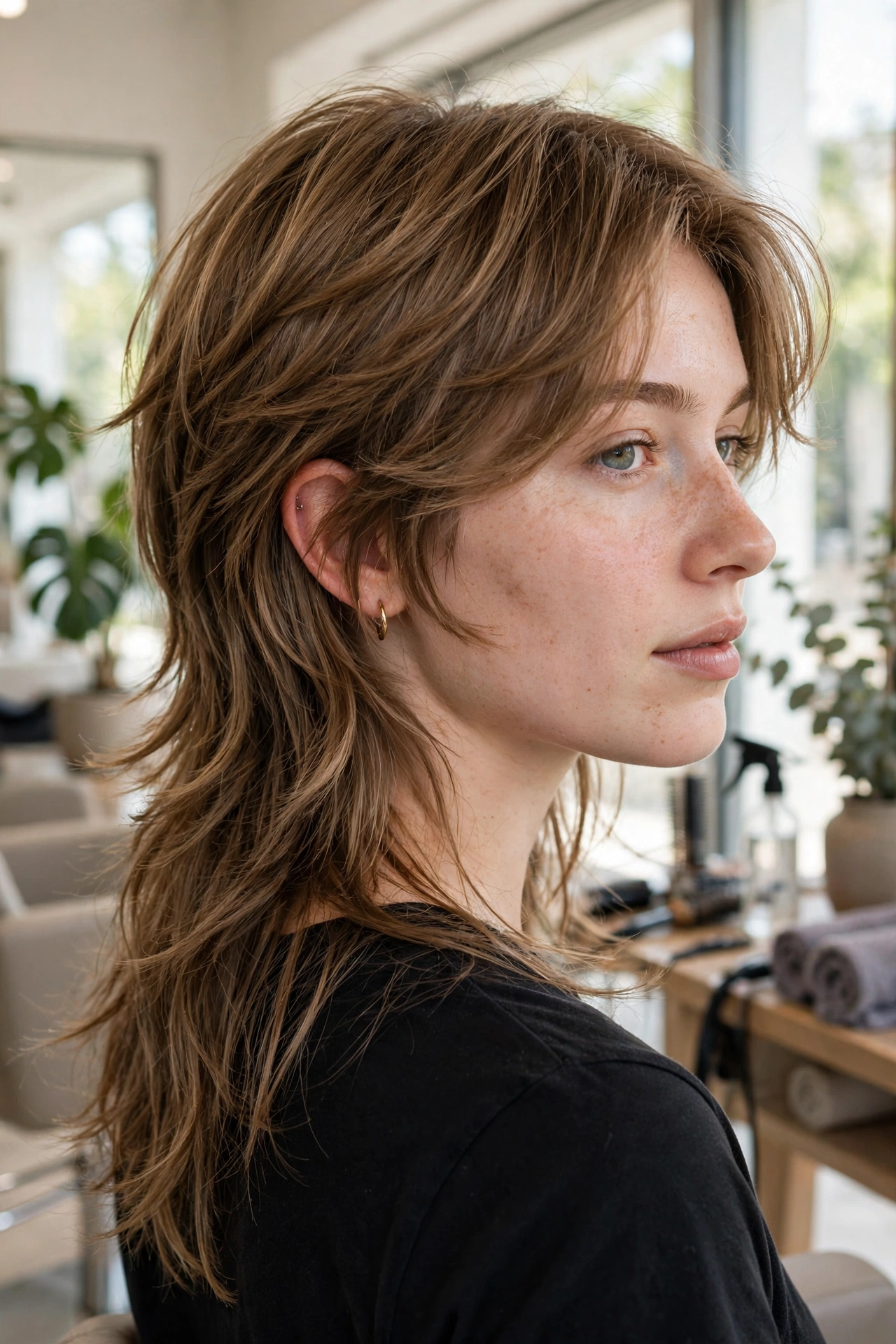
The modern mullet has left its 80s reputation far behind. Today’s version is soft, lived-in, and deliberately undone: shorter through the front and sides, longer through the back, with feathered edges and natural texture instead of harsh lines. It is edgy without being severe, and it suits far more people than the old stereotype ever suggested. These 25 ideas show how the modern mullet adapts to every length, texture, and level of boldness, all while keeping its signature soft, lived-in feel.
1. Classic Soft Modern Mullet
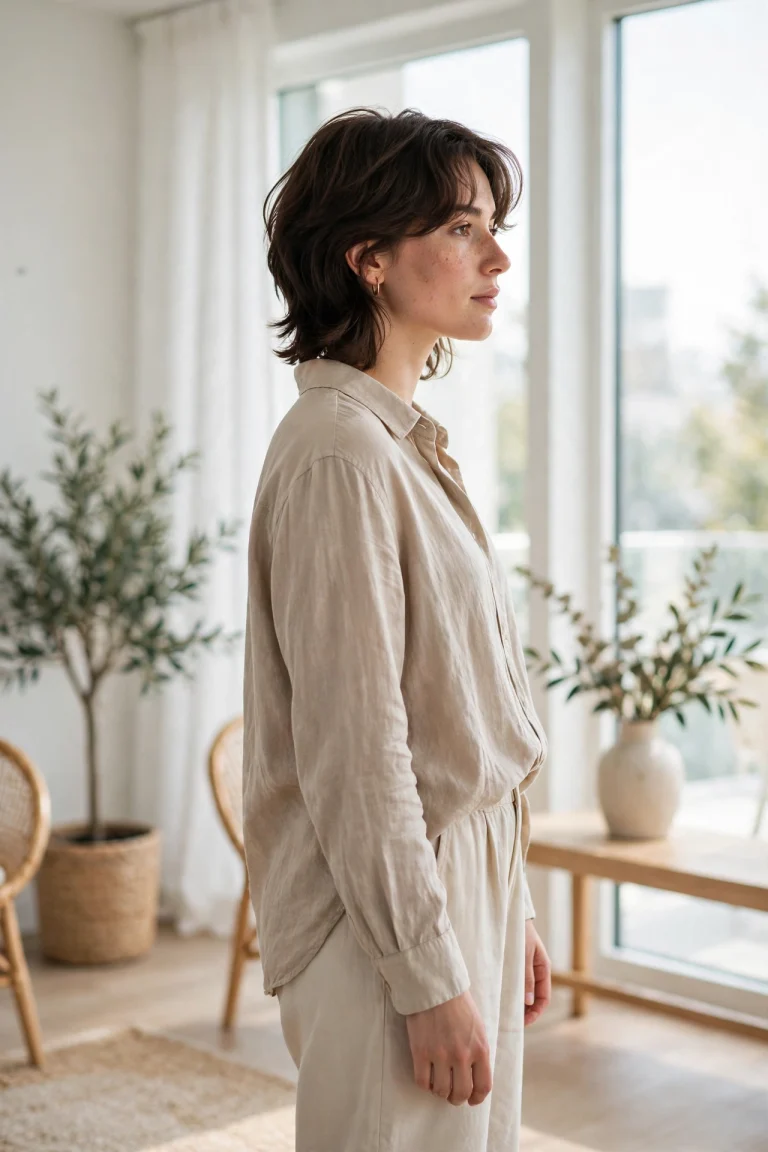
The classic modern mullet keeps the defining shape, shorter in front and longer in back, but softens every edge so the cut reads as effortless rather than extreme. The front sections sit around the cheekbones, the sides taper gently into the longer back, and the whole cut is point-cut for a feathered finish. It is the version to ask for first, because it shows the shape clearly while staying wearable for everyday life.
2. Modern Mullet With Curtain Bangs
Curtain bangs complete the modern mullet, since the fringe is simply the shortest front layer carried forward and parted in the middle. The bangs sweep into the shorter side sections, which melt into the longer back, so the whole cut flows as one soft shape. This is the most face-flattering version, and it suits anyone who wants the mullet’s edge with the softness of a fringe.
3. Shaggy Modern Mullet
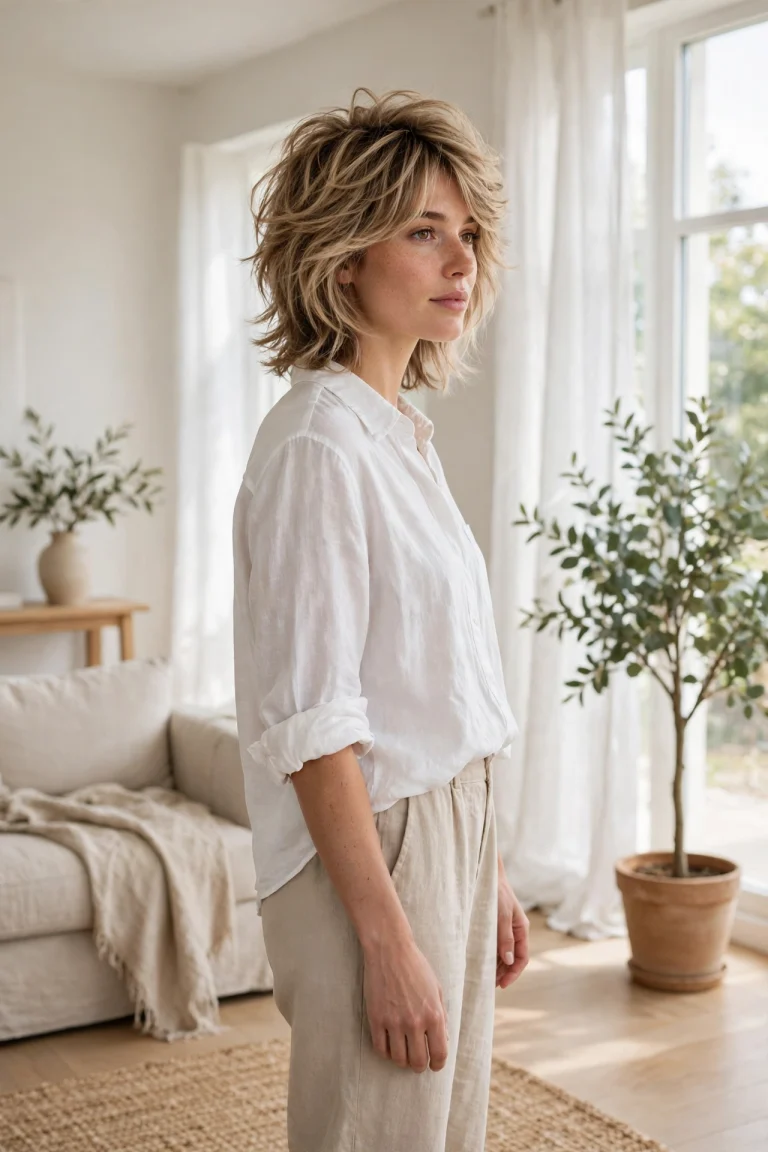
A shaggy mullet leans into texture, with choppy layers through the crown and feathered ends everywhere, so the cut looks deliberately messy in the best possible way. The layers are cut to encourage natural wave and separation, and the finish is air-dried or diffused rather than blow-dried smooth. It is the version for anyone whose hair has natural texture and who wants a cut that works with it rather than against it.
4. Modern Mullet for Long Hair
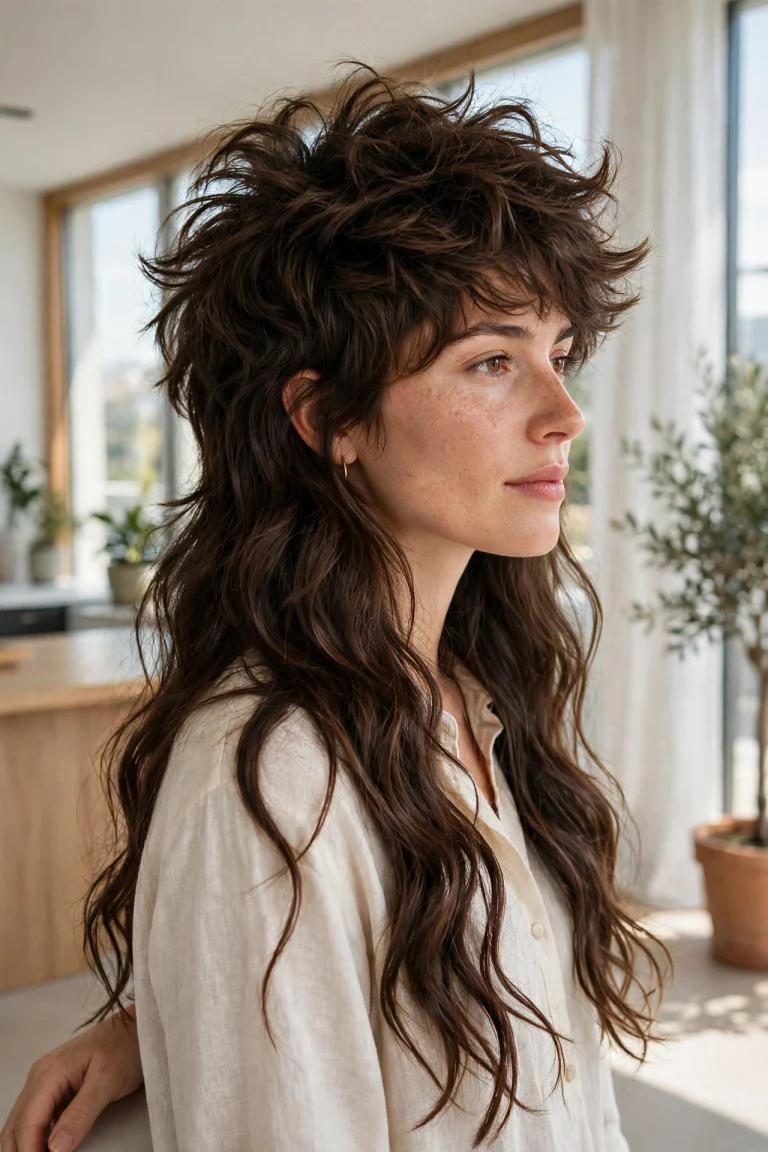
A long modern mullet keeps the back lengths falling past the shoulders, with the front and sides cut shorter to create the signature contrast. The length in back keeps the cut feeling feminine and flowing, while the short front gives it the mullet’s attitude. It is the gentlest entry into the style, since the long back means the cut still reads as long hair from behind.
5. Modern Mullet for Medium Hair
Medium hair shows the modern mullet at its most balanced, with the back reaching the collarbone and the front sitting around the jaw or cheekbones. The contrast between front and back is clear but not dramatic, which makes this length the easiest to wear and the easiest to grow out. It is also the length that photographs best, since the whole shape is visible in a single frame.
6. Short Modern Mullet
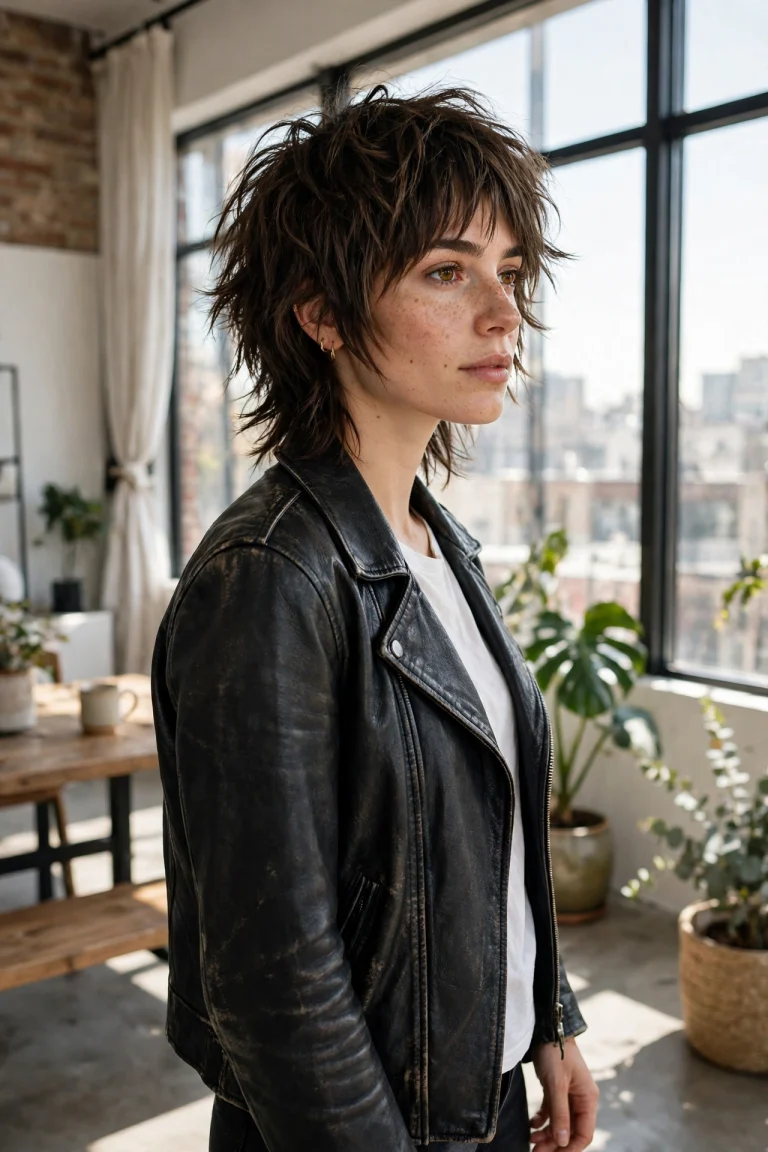
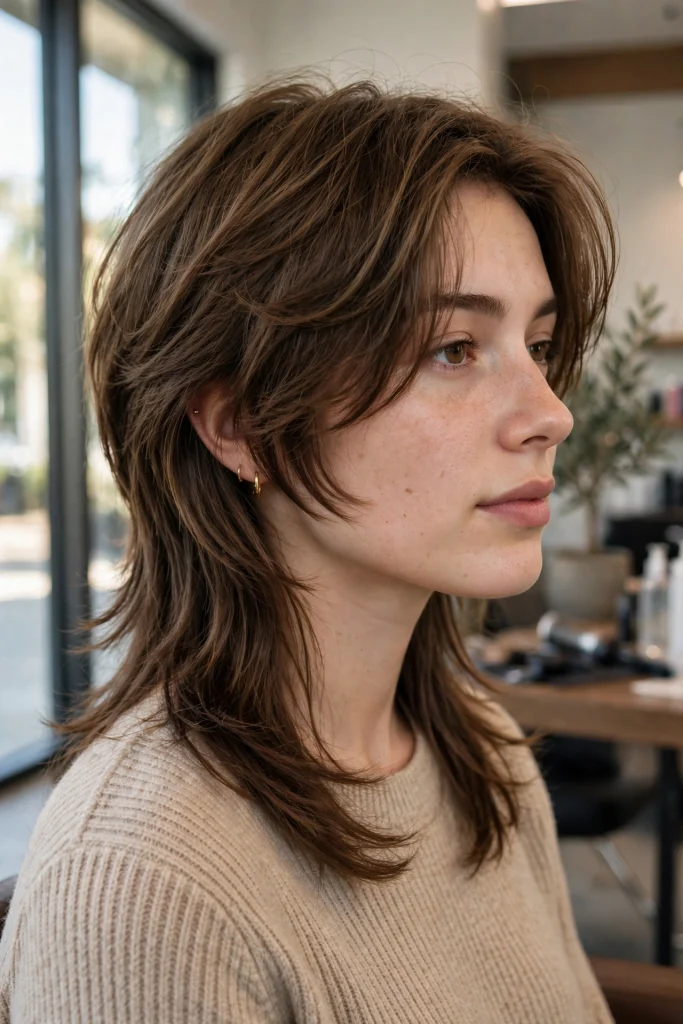
A short modern mullet is the boldest version, with the back ending at the nape and the front cut close to the face in short, textured pieces. The shape is compact and graphic, and the soft, feathered cutting keeps it from reading harsh. It suits anyone who loves a short cut with personality, and it grows out gracefully into a shaggy pixie-mullet hybrid.
7. Modern Mullet on Curly Hair
Curly hair makes a beautiful modern mullet, because the curls soften every edge naturally and the shorter front curls spring up around the face. The cut must be shaped curl by curl or on dry hair, so each curl lands where it will actually sit and the shape stays balanced. The result is a halo of curls in front with longer, looser curls in back, and the texture does half the styling work.
8. Modern Mullet on Wavy Hair
Wavy hair is the modern mullet’s natural partner, since the waves blur the transitions between the short front and the long back. The cut encourages the wave pattern through the crown and sides, and the back falls in loose, lived-in waves that need almost no styling. Scrunch with a light cream and let it air-dry, and the cut looks deliberately undone from the moment you wake up.
9. Modern Mullet on Straight Hair
Straight hair shows the modern mullet’s shape most crisply, with every graduation visible and the contrast between front and back reading clearly. The cut needs texture work, point cutting and a little texturizing spray, so the straight hair does not fall into a hard, severe line. With the right softening, straight hair gives the mullet a sleek, editorial finish that photographs beautifully.
10. Modern Mullet With Wispy Ends
Wispy ends soften the modern mullet throughout, with the lengths point-cut so they taper into airy, feathered points instead of a blunt line. The wispy finish makes the back feel light and the front feel delicate, and the whole cut moves more freely. It is the romantic version of the mullet, and it suits anyone who likes edge with a soft landing.
11. Modern Mullet With a Micro Fringe
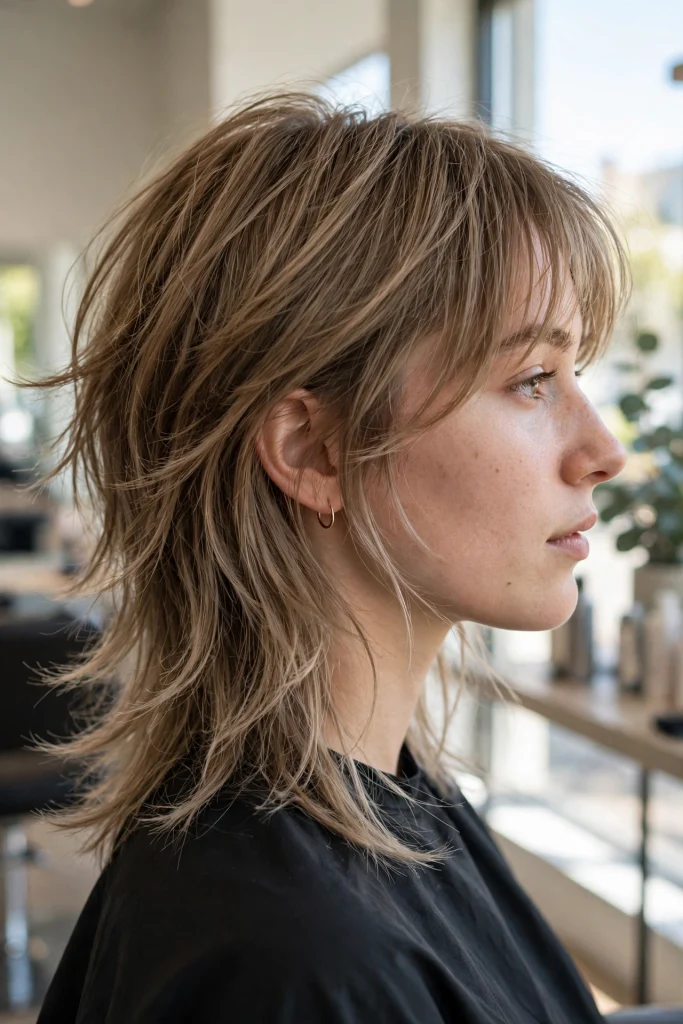
A micro fringe, cut short above the brows, gives the modern mullet a bold, fashion-forward front that contrasts with the longer back. The short fringe draws attention to the eyes and cheekbones, while the soft layers behind keep the cut from feeling severe. It is the version for anyone who wants the mullet to make a statement the moment they walk into a room.
12. Modern Mullet With Baby Bangs
Baby bangs, slightly longer and softer than a micro fringe, give the modern mullet a sweet, playful front that balances the edgy back. The fringe sits just above the brows with a feathered edge, and it blends into the curtain pieces at the sides. It suits heart-shaped and oval faces especially well, since the short fringe opens up the face.
13. Modern Mullet for Thick Hair
Thick hair takes a modern mullet beautifully, since the interior weight that makes thick hair heavy is exactly what the mullet’s layering removes. The cut thins through the interior while keeping the surface full, so the hair keeps its presence but gains movement and shape. Ask your stylist to work through the interior rather than the ends, so the lengths stay thick and healthy-looking.
14. Modern Mullet for Fine Hair
Fine hair needs a modern mullet cut with the layers kept longer and blunter, so the hair keeps its density while gaining the mullet’s shape. The front sections should stay substantial rather than wispy, and the back should keep a solid outline, so the cut reads as full rather than thin. A volumizing mousse at the roots and a texturizing spray through the lengths finish the look without weighing it down.
15. Modern Mullet With Face-Framing Layers
Face-framing layers are built into the modern mullet, since the front sections are already the shortest part of the cut. Ask for the framing pieces to start at the cheekbones and angle down into the longer back, so the face is softened and the shape flows. The framing layers draw the eye to the cheekbones and jaw, and they make the whole cut feel intentional rather than accidental.
16. Modern Mullet With an Undercut Detail
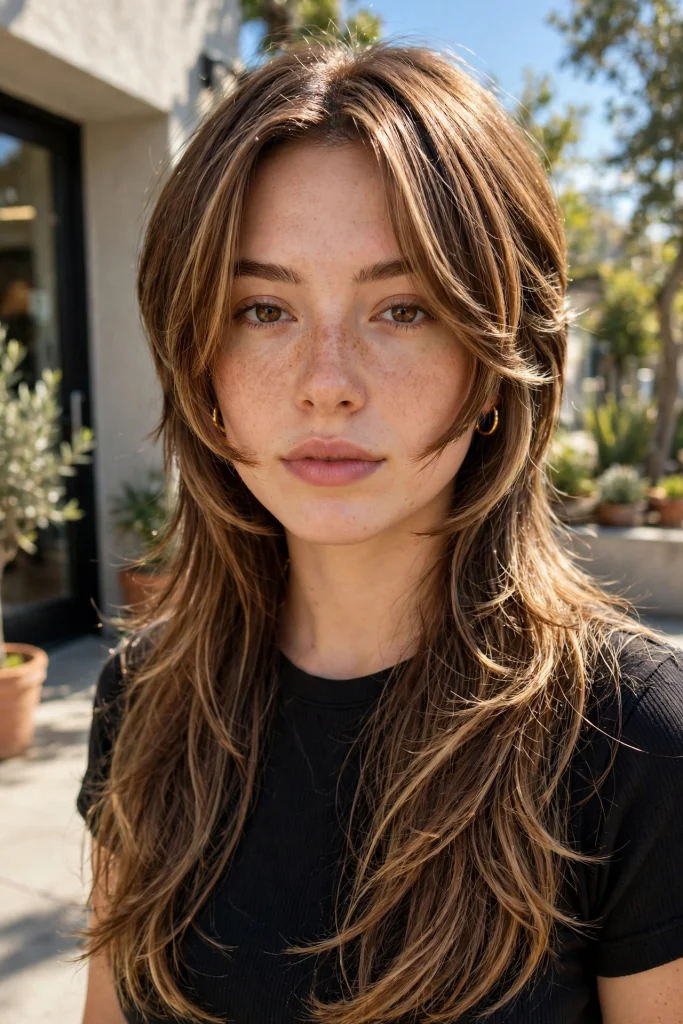
A hidden undercut beneath the longer back adds a modern, rebellious detail to the mullet without changing its silhouette. The clipped section sits at the nape, revealed only when the hair is lifted or tucked, and it removes bulk exactly where thick hair tends to bunch up. It is a quiet secret inside an otherwise soft cut, and it suits anyone who likes an edge that is not always on display.
17. Modern Mullet With Color Dimension
Color dimension makes the modern mullet’s shape visible, since lighter pieces through the crown and front catch the light exactly where the cut is shortest. Keep the brightness around the face and through the top layers, with the back a shade deeper, so the shape reads in three dimensions. Balayage suits the mullet best, because the soft grow-out matches the cut’s lived-in feel.
18. Modern Mullet for a Round Face
A round face flatters a modern mullet when the front sections start below the cheekbones and the crown has height, since the longer front pieces draw the eye downward. Keep the volume at the crown rather than at the sides, and let the back fall long, so the silhouette gains length. Avoid a shortest layer that ends right at the widest part of the cheeks, since that emphasizes width.
19. Modern Mullet for an Oval Face
Oval faces can wear the modern mullet at any length and with any fringe, since the proportions are already balanced and the cut simply adds character. The classic cheekbone-length front with a longer back works beautifully, and you can experiment with a micro fringe or curtain bangs without worrying about overwhelming the face. It is the face shape that gets to enjoy the cut in its purest form.
20. Modern Mullet for a Heart-Shaped Face
A heart-shaped face benefits from a modern mullet with fullness lower down, since volume around the jaw balances a wider forehead and narrower chin. Keep the crown layers soft rather than towering, and let the sides fall past the jaw before they taper into the back. The result softens the forehead, fills in around the chin, and keeps the whole silhouette balanced.
21. Modern Mullet With a Blowout Finish
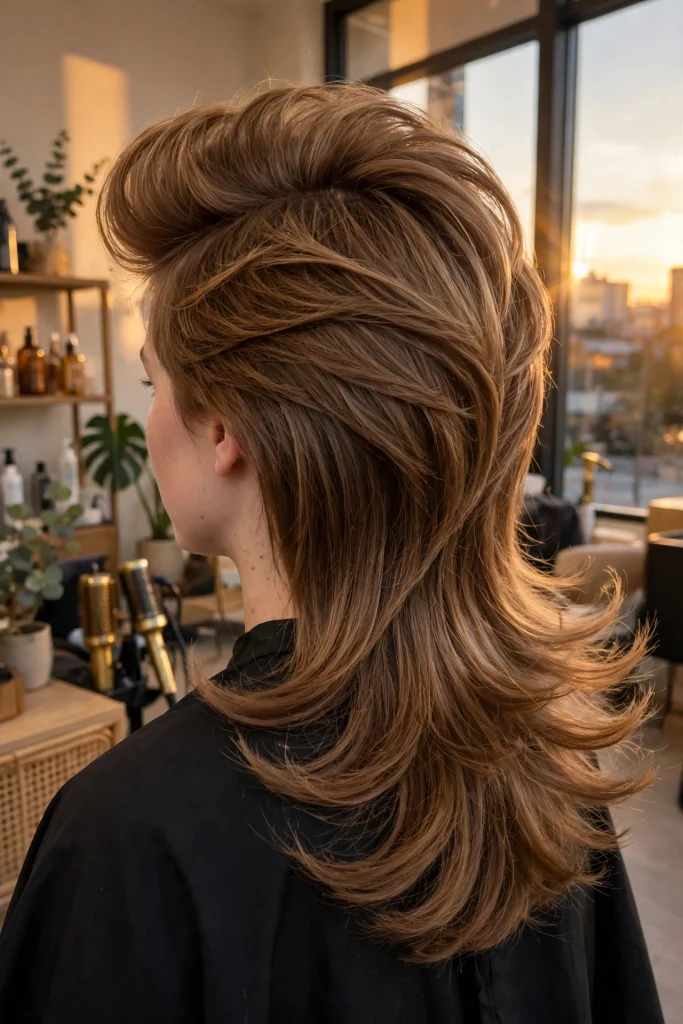
A blowout gives the modern mullet a polished, voluminous finish, with the crown dried for lift and the back smoothed into soft, swinging lengths. Dry the front sections away from the face with a round brush, and let the back fall naturally with a slight outward flick at the ends. The contrast between the lifted front and the flowing back is the whole look, and a light shine spray finishes it without stiffness.
22. Modern Mullet Styled With Texture Spray
Texture spray is the modern mullet’s best friend, since the cut is designed to look lived-in and the spray enhances the separation the layers create. Mist through the mid-lengths and ends, scrunch gently, and leave the hair alone, and the layers will separate into soft, piecey sections on their own. It is the five-second styling routine that makes the cut look intentional rather than unfinished.
23. Modern Mullet for Growing Out a Pixie
The modern mullet is the kindest way to grow out a pixie, because it turns the awkward in-between stage into a deliberate style. The pixie’s short front becomes the mullet’s face-framing section, while the back grows long, so every stage looks intentional instead of shapeless. Instead of months of growing pains, you get a cut with a name and a shape, and the length arrives without a single drastic chop.
24. Modern Mullet With a Slicked-Back Front
A slicked-back front gives the modern mullet an editorial edge, with the top sections smoothed back from the face while the back keeps its soft, lived-in length. Apply a light gel or cream to the front only, comb it straight back, and let the layers behind keep their texture and movement. The contrast between the controlled front and the free back is striking, and it is a useful style for evenings and photographs.
25. Modern Mullet as a Wolf Cut Alternative
If the wolf cut feels too wild, the modern mullet is its calmer cousin, with the same short-front-long-back energy but less volume and less shag through the crown. The mullet keeps the shape sleeker and the layers longer, so it reads as a haircut with attitude rather than a full shag. Ask for it when you love the wolf cut’s spirit but want something you can wear to work on Monday without a second thought.
Styling Tips
- Use a texturizing spray through the mid-lengths and ends, since the mullet’s layers need separation to show their shape.
- Air-dry or diffuse whenever you can, because natural texture makes the mullet look lived-in rather than over-styled.
- Keep the front sections styled away from the face, so the short layers frame rather than fall across the features.
- Trim every six to eight weeks to keep the front-to-back contrast crisp, since a grown-out mullet blends into an ordinary layered cut.
- Ask your stylist to point-cut the ends, because blunt ends make the mullet look severe while feathered ends keep it soft.
- Use a light mousse at the roots for lift, since the crown volume is what keeps the mullet from lying flat.
- Grow the back with patience and trim only the front, so the signature contrast builds gradually rather than arriving all at once.
Frequently Asked Questions
Q: What is the difference between a modern mullet and a wolf cut? A: A wolf cut is a hybrid of a shag and a mullet, with heavy volume and choppy layers through the crown and a wild, tousled finish. A modern mullet is sleeker and more controlled, with longer, softer layers and less volume on top, so the shape reads as short in front and long in back without the shag’s chaos. If you want wild texture, choose the wolf cut; if you want a cleaner shape with edge, choose the mullet.
Q: Does a modern mullet suit women, or is it a men’s cut? A: It suits women beautifully, and the modern version was redesigned with softer, feathered edges and face-framing layers specifically to flatter women’s faces. The cut’s length and softness can be adjusted endlessly, from a long, flowing version to a short, graphic one. The old 80s association has nothing to do with how the cut looks today.
Q: Will a modern mullet work on fine hair? A: Yes, with the layers kept longer and blunter so the hair keeps its density. The front sections should stay substantial, the back should keep a solid outline, and the interior work should be minimal. A volumizing mousse at the roots and a texturizing spray through the lengths give the cut its shape without thinning the hair further.
Q: How do I grow out a modern mullet? A: Grow it out by trimming only the front and sides while letting the back keep growing, which gradually evens out the front-to-back contrast. The cut passes through a shaggy layered stage that looks intentional, and within a few months it reads as an ordinary layered cut. Regular trims that reshape the front keep every stage looking deliberate.
Q: Is a modern mullet hard to style at home? A: No, it is one of the easiest cuts to style, because it is designed to look lived-in. Texture spray, a quick scrunch, and air-drying are enough on most days, and a round-brush blowout gives it a polished finish when you want one. The cut does the work; the styling just wakes it up.