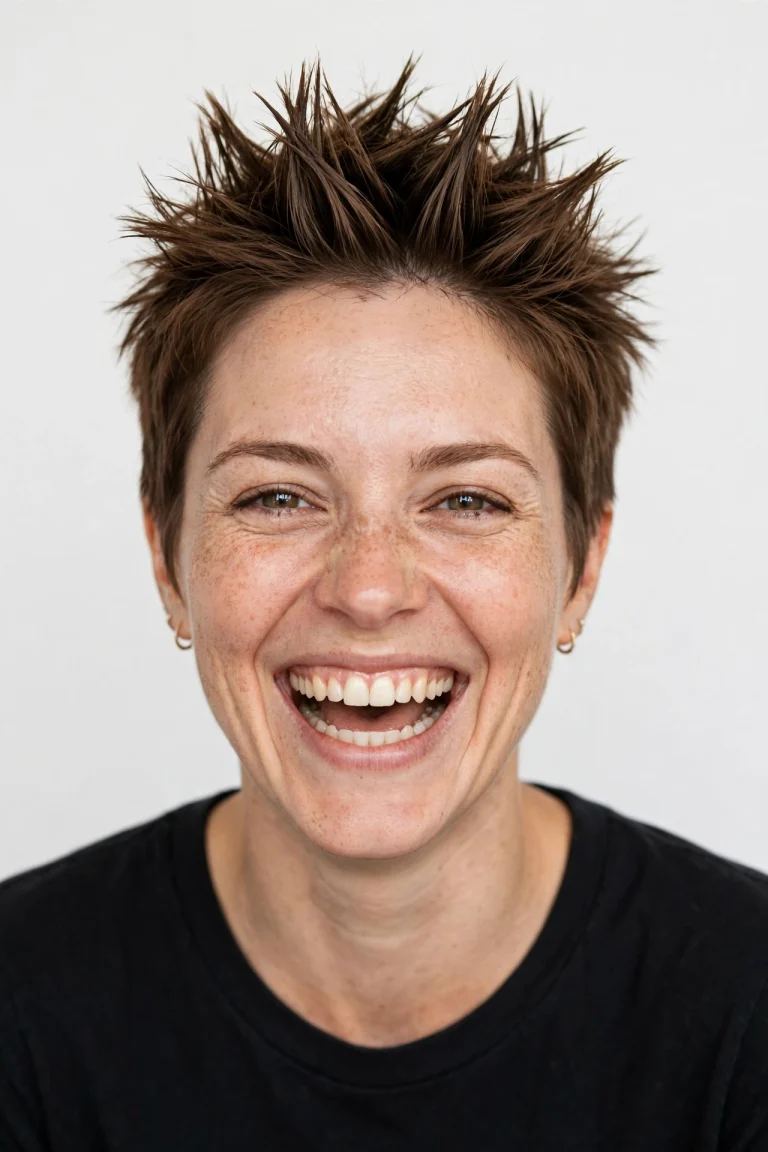
22 Mixie Haircuts for Edgy Short Style
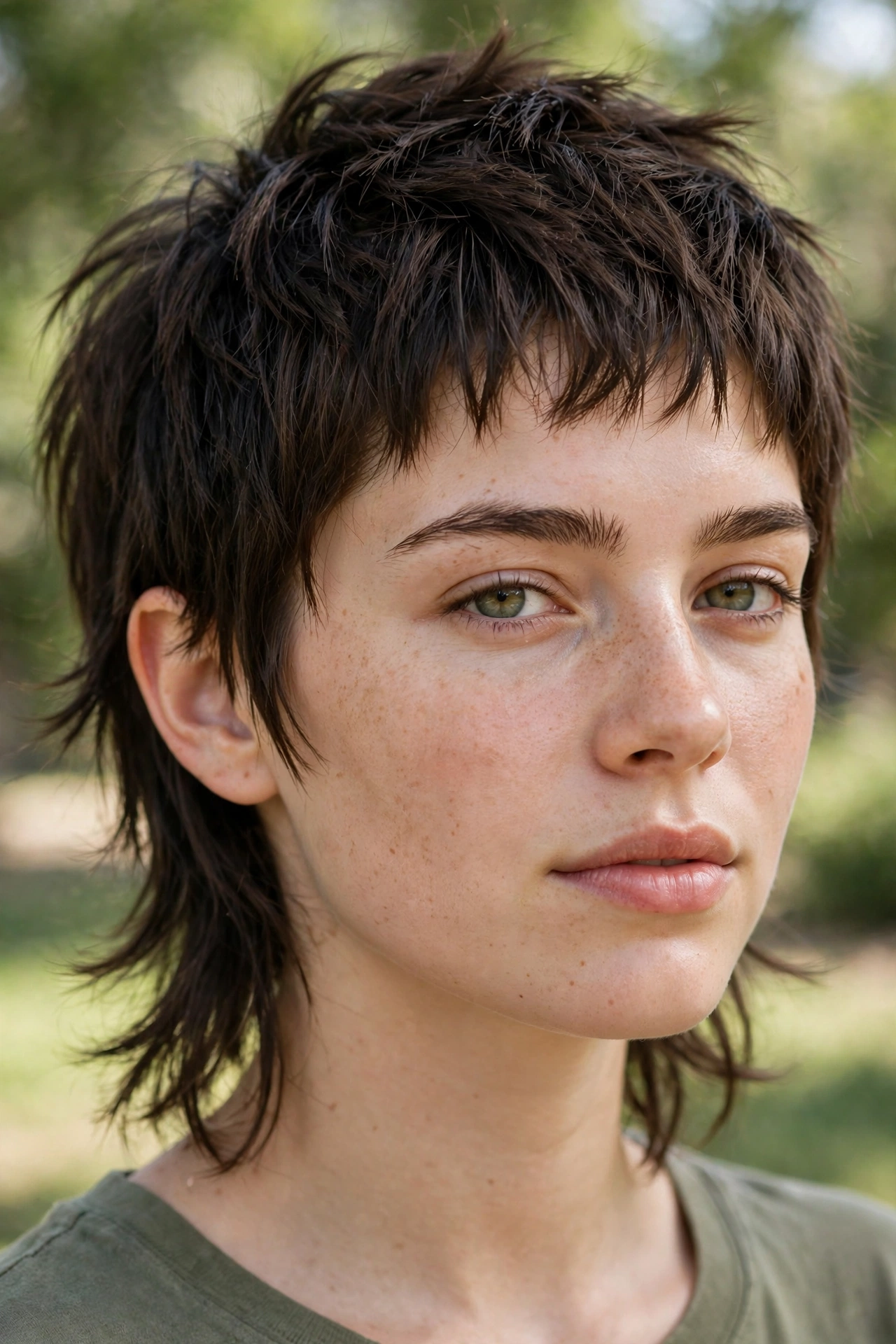
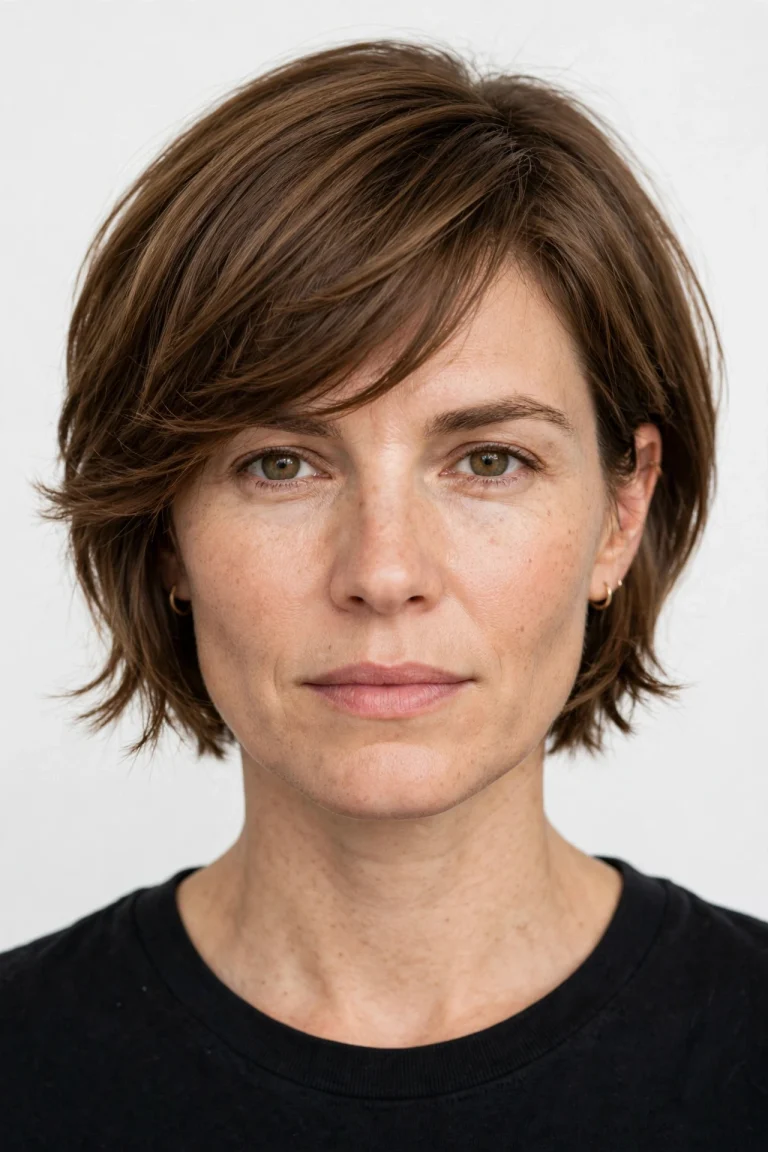
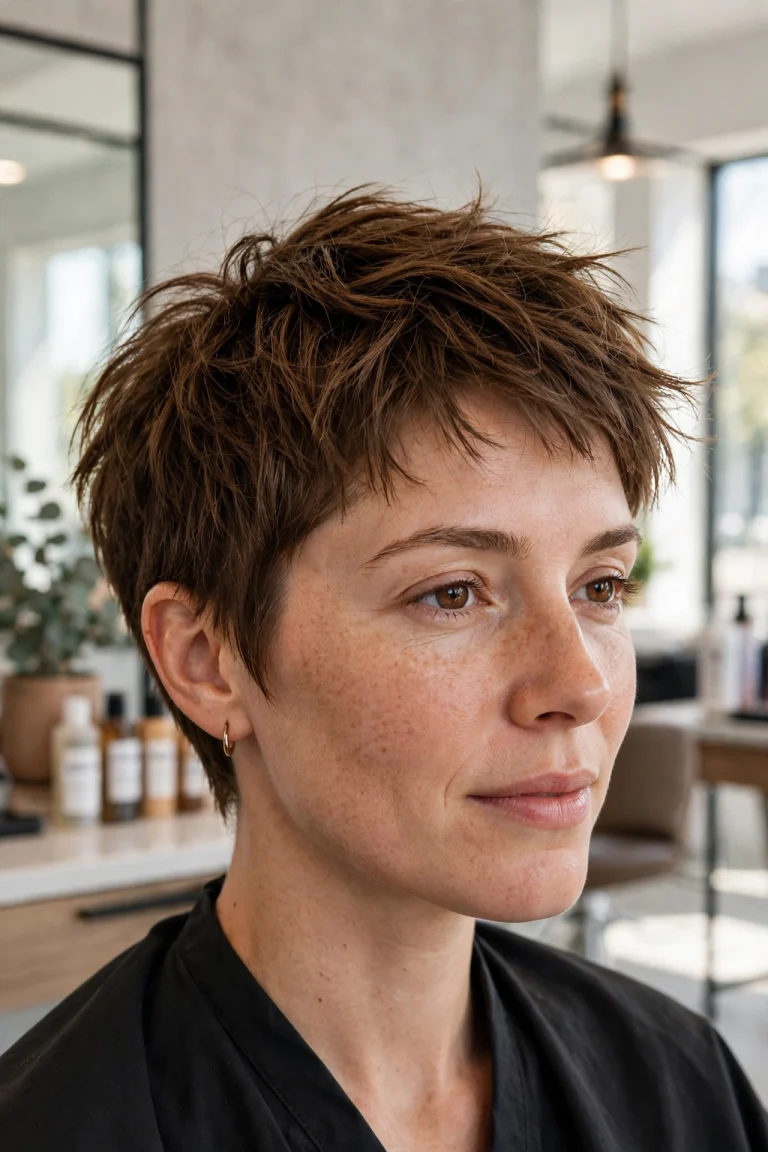
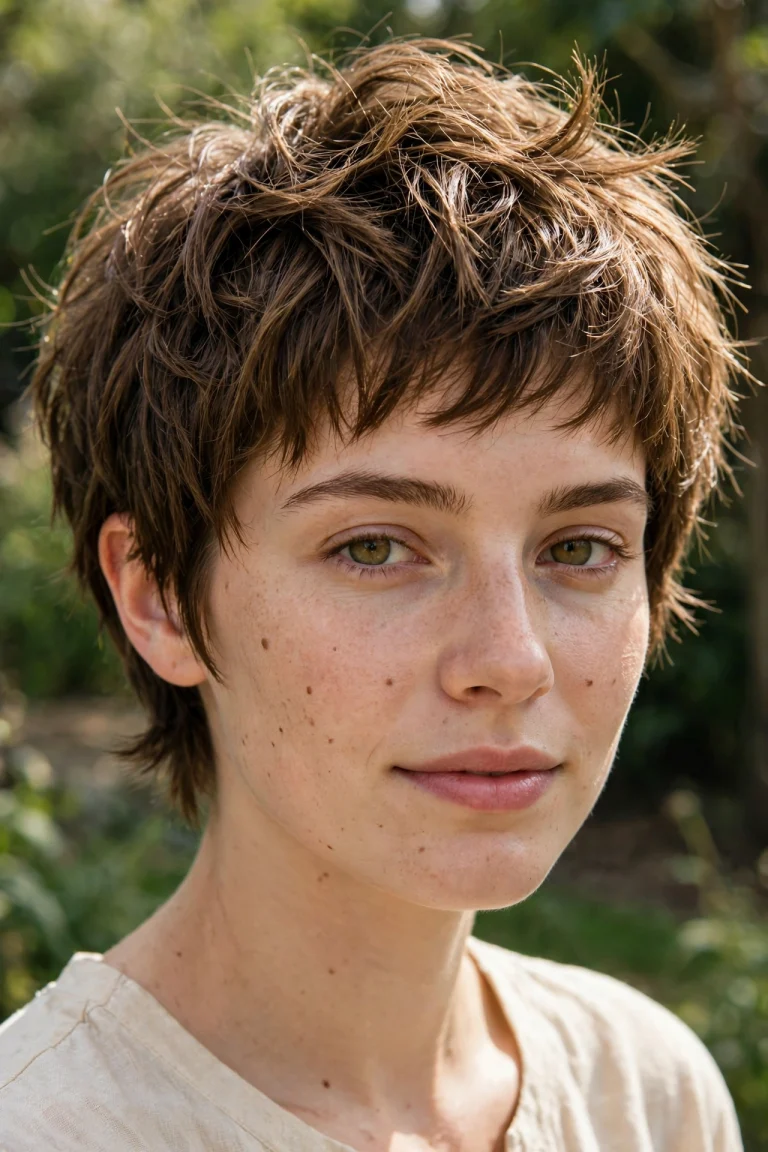
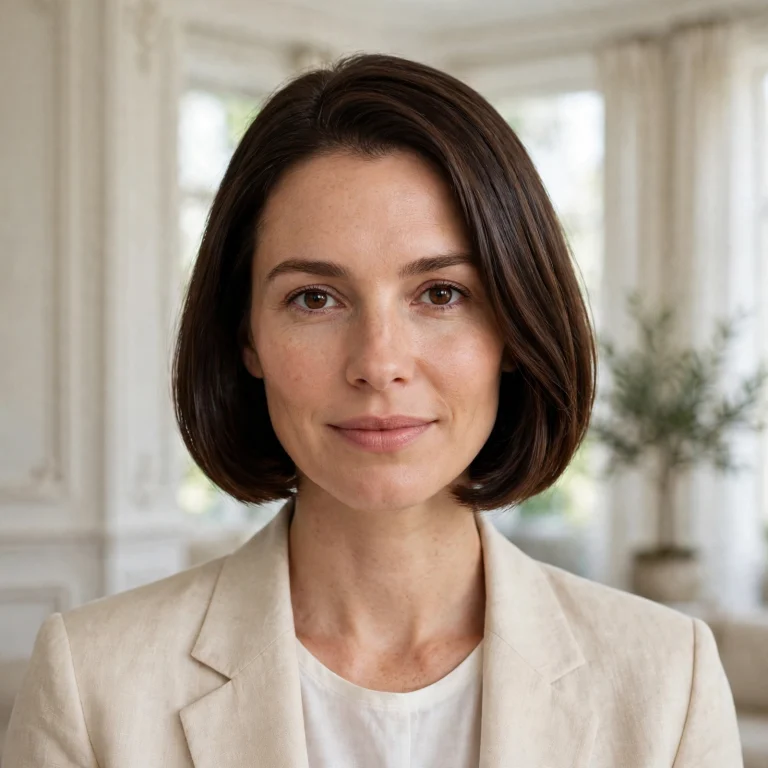
The mixie is the haircut with the most attitude in the short-hair family. It takes the pixie’s short, neat front and collides it with the mullet’s longer, lived-in back, and the result is edgy, androgynous, and impossible to ignore. These 22 mixie variations show how the cut can be sharp or soft, polished or gloriously undone, while always keeping its rebellious core.
1. Classic Mixie With a Tapered Back
The classic mixie keeps the pixie short on top and at the sides, then lets the back taper into a soft mullet length at the nape. The taper is gradual rather than abrupt, so the back reads as an extension of the cut rather than an afterthought. It is the version to ask for first, because the balance between the neat front and the longer back is what defines the whole style.
2. Mixie With Micro Bangs
Micro bangs make the mixie even bolder, sitting high on the forehead and exposing the brow line completely. Keep the fringe short and slightly choppy to match the cut’s texture, and let the longer back provide the contrast that keeps the look from feeling severe. The combination is unapologetically fashion-forward, and it suits anyone who wants their haircut to be a statement.
3. Mixie With a Shaggy Back
A shaggy back gives the mixie a rock-and-roll feeling, with the nape layers left long, piecey, and deliberately messy. The back is point-cut so the pieces separate and flick, while the front stays neat and pixie-short. The contrast between the controlled front and the wild back is the whole point, and it is the version that most deserves the word edgy.
4. Mixie With an Undercut
An undercut takes the mixie into sharper territory, with one or both sides clipped close while the top stays long and the back keeps its mullet length. The clipped sections make the longer pieces look even more dramatic, and the cut reads architectural and modern. It needs trims every three to four weeks to keep the undercut crisp, but the payoff is a silhouette nobody forgets.
5. Soft Mixie With Wispy Ends
A soft mixie rounds off the cut’s harder edges, with wispy, feathered ends throughout and a gentle fringe instead of a blunt one. The back is still longer than the front, but the graduation is blended so the mullet element reads subtle rather than shocking. It is the entry-level mixie, ideal if you love the idea but want to ease into the shape.
6. Mixie for Thick Hair
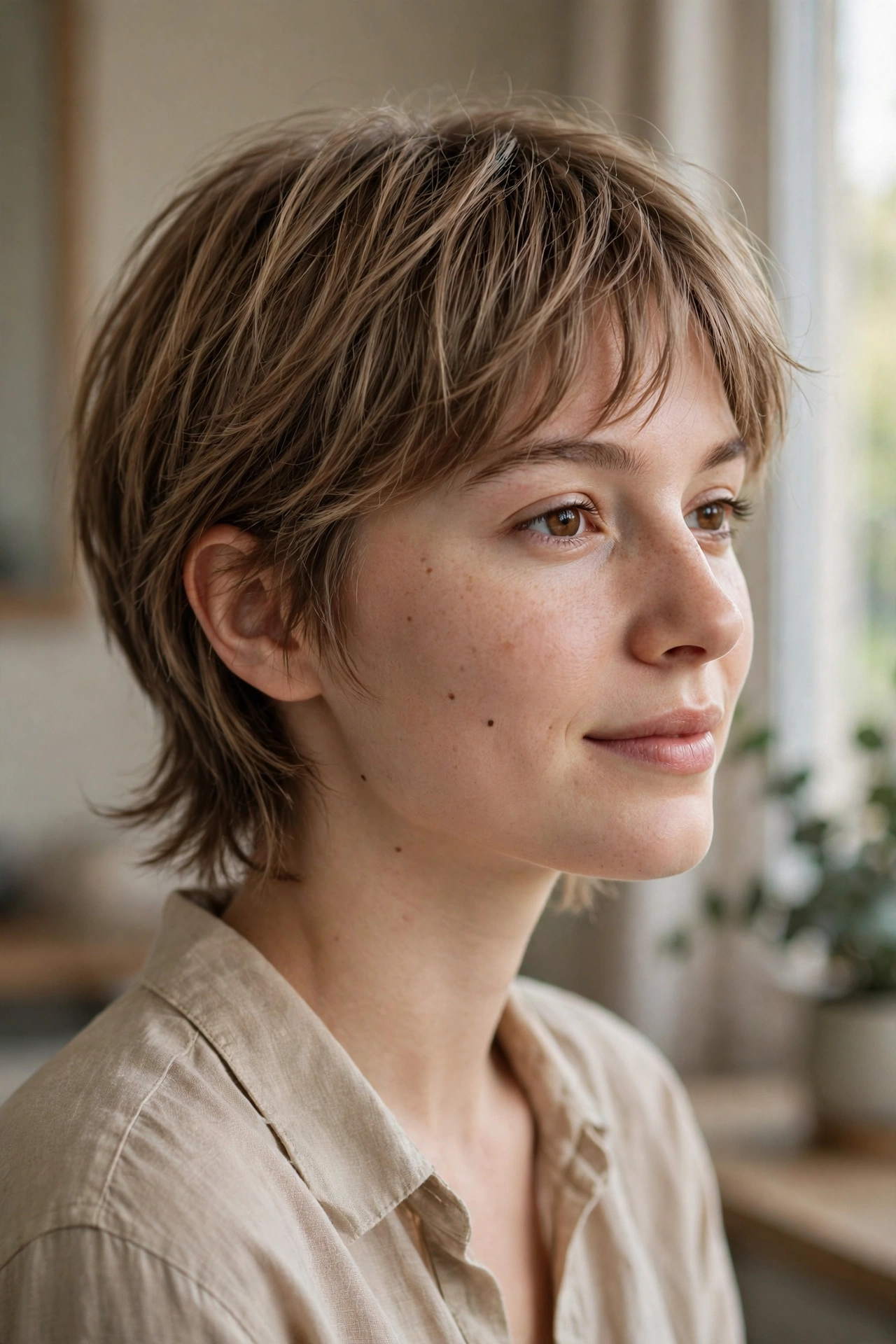
Thick hair needs a mixie with weight removed through the interior, or the longer back will puff out and overwhelm the neat front. Ask your stylist to thin and point-cut through the mid-lengths, keeping the outline strong while the inside stays light. The result is thick hair with genuine movement, and the mullet back swings instead of sitting in a solid block.
7. Mixie for Fine Hair
Fine hair suits a mixie with blunter layer edges, since the short length and stacked layers build volume that fine hair rarely achieves on its own. Keep the thinning minimal and the layers clean, concentrating the texture at the ends rather than through the whole cut. A little texturising powder at the crown finishes the lift, and the cut looks denser than the same hair at any longer length.
8. Curly Mixie
A curly mixie must be cut dry and curl by curl, so each curl lands at its true spring length and the shape stays balanced. The curls pile into a full, rounded top while the back curls fall longer at the nape, and the silhouette is joyful and sculptural. It celebrates natural texture completely, and wash-and-go styling is realistic, since the curls define the shape themselves.
9. Wavy Mixie With Undone Texture
Wavy hair gives the mixie an effortless, lived-in finish, with the waves breaking up the cut’s lines and softening the mullet back. The texture means the cut looks styled with almost no effort, and a little salt spray is enough to define the waves. Let the back fall where it wants, since the undone quality is exactly what makes this version feel modern rather than costumey.
10. Mixie With a Deep Side Part
A deep side part gives the mixie a glamorous sweep, with the top layers falling across the forehead and the longer back peeking out behind. The heavy side reads polished and deliberate, while the short side stays neat, and the asymmetry makes the cut look styled for an occasion. It is the version to choose when the mixie needs to look dressy rather than rebellious.
11. Mixie With Platinum Blonde Colour
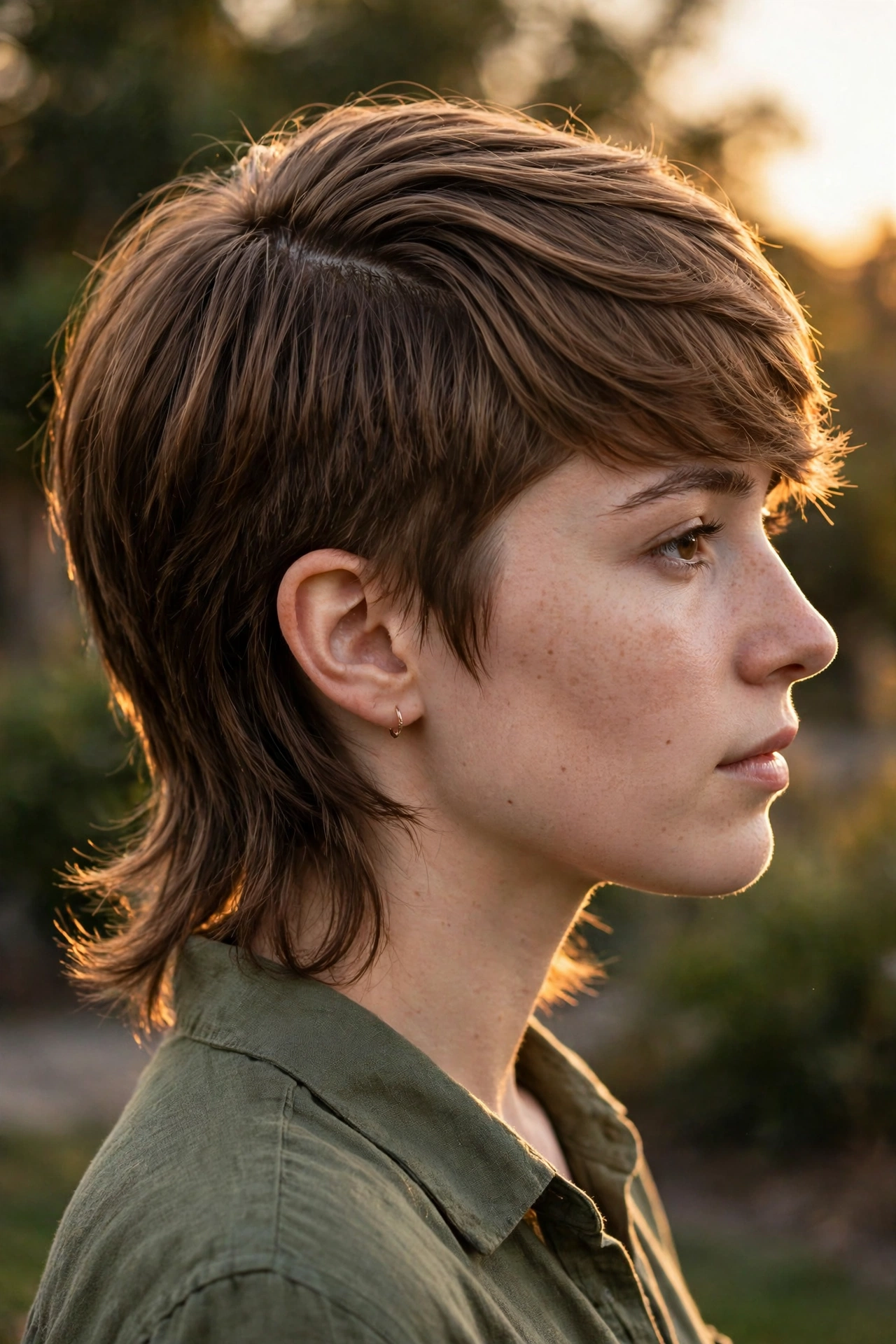
Platinum blonde makes the mixie’s texture and silhouette impossible to miss, since the pale colour shows every edge and layer. The brightness suits the cut’s bold character, and the short length means the bleach upkeep is faster and cheaper than on long hair. Keep the roots shadowed for a lived-in grow-out, so the maintenance stays manageable between appointments.
12. Mixie With a Bold Colour Panel
A bold colour panel, a streak of vivid colour through the fringe or the longer back, turns the mixie into wearable art. The panel works best in a single saturated shade placed where the cut’s lines are cleanest, so the colour reads as deliberate rather than random. It is a commitment, since vivid colour fades, but on a short cut the refresh is quick and the effect is unforgettable.
13. Mixie for Round Faces
A round face suits a mixie with height on top and a close, neat fit at the sides, since crown volume elongates the face while short sides avoid adding width. Keep the fringe swept to the side rather than straight across, and let the longer back add length below the jaw. Avoid a uniformly round, puffy silhouette, which mirrors the face shape instead of balancing it.
14. Mixie for Oval Faces
Oval faces can wear the mixie in almost any variation, since the balanced proportions let the cut’s drama play freely. The classic tapered mixie with micro bangs works beautifully, and you can experiment with undercuts or bold colour without worrying about overwhelming the face. It is the face shape that gets to enjoy the mixie’s full attitude.
15. Mixie for Heart-Shaped Faces
A heart-shaped face benefits from a mixie with fullness at the nape and around the ears, which balances a wider forehead and narrower chin. Keep the top layers soft rather than towering, and let the longer back add gentle width below the jawline. A side-swept fringe also helps, softening the forehead and drawing the eye toward the cheekbones.
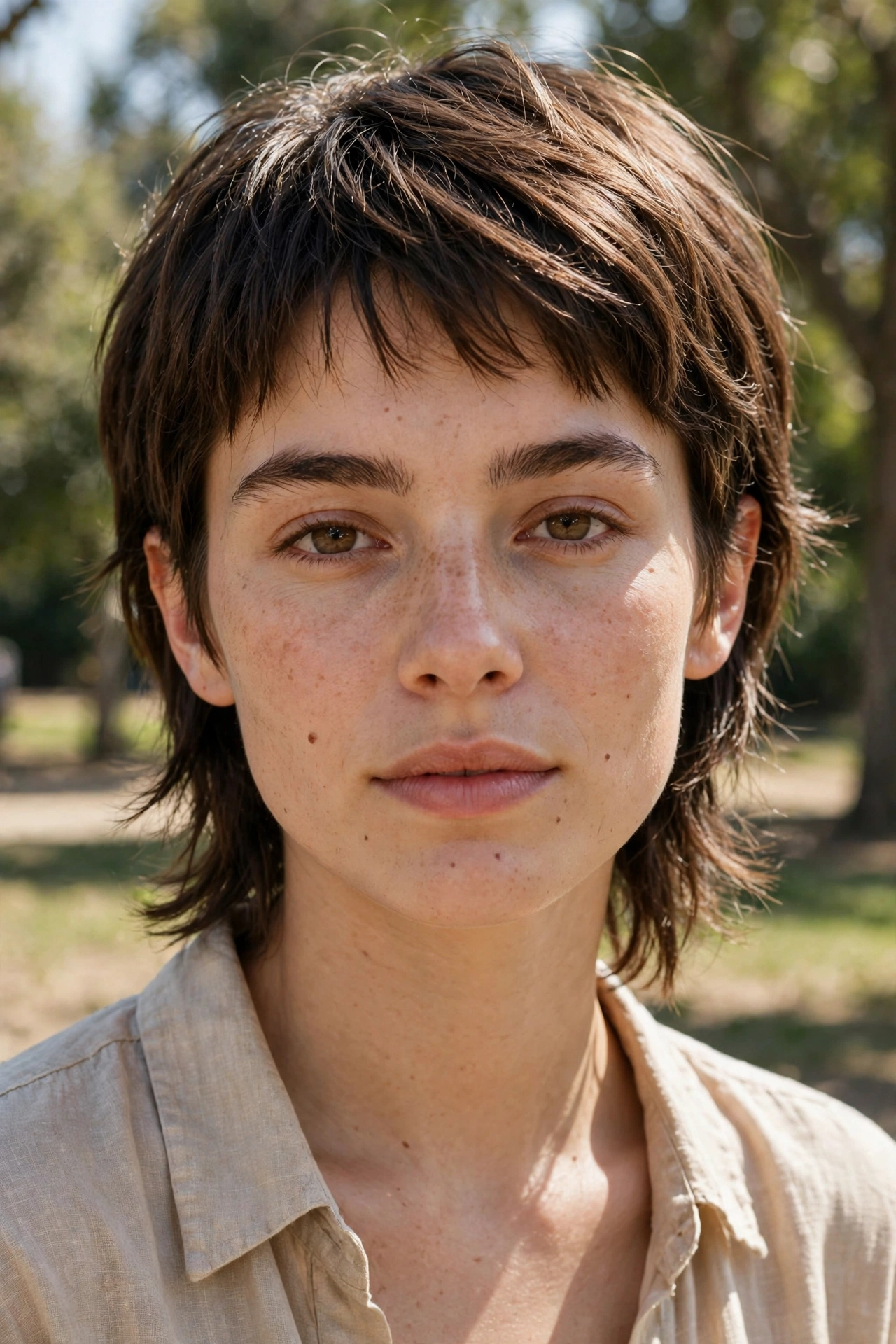
16. Mixie for Square Faces
A square face needs a mixie with soft, wispy edges around the jaw, breaking up the strong jawline with feathered texture. Avoid blunt horizontal lines at the sides, and let the fringe sweep diagonally rather than sitting straight across. The cut keeps its edge through the silhouette and texture, not through hard lines, and the face looks softer without losing any of the style’s character.
17. Edgy Mixie With a Razored Finish
A razored finish is the mixie at its sharpest, with the ends cut by razor so they taper into fine, almost frayed points. The razor work makes the longer back look deliberately raw and lived-in, and the whole cut gains a texture that scissors alone cannot create. It suits straight and wavy hair best, and it needs a stylist confident with a razor, since the technique is unforgiving in inexperienced hands.
18. Mixie With a Slicked-Back Top
A slicked-back top gives the mixie a sleek, editorial contrast, with the front smoothed back while the longer back keeps its texture. Apply a light gel to the top sections only, comb them straight back, and leave the nape pieces free and piecey. The controlled front against the wild back is a striking combination, and it is a useful option when the fringe needs a day off.
19. Mixie With Baby Bangs and a Long Nape
Baby bangs with a long nape is the mixie pushed to its most dramatic contrast, with the shortest possible fringe against the longest possible back. The extreme difference is the style, and it reads as deliberate and artistic rather than accidental. It suits confident wearers and strong bone structure, and it photographs with unforgettable graphic impact.
20. Mixie for Growing Out a Pixie
The mixie is a natural stage when growing out a pixie, since the back and nape are simply allowed to grow while the front is kept neat. Instead of the shapeless months that usually follow a pixie, you get a deliberate style that looks intentional at every length. Ask your stylist to shape the growing back rather than trimming it away, and the mixie will carry you gracefully toward a bob or a shag.
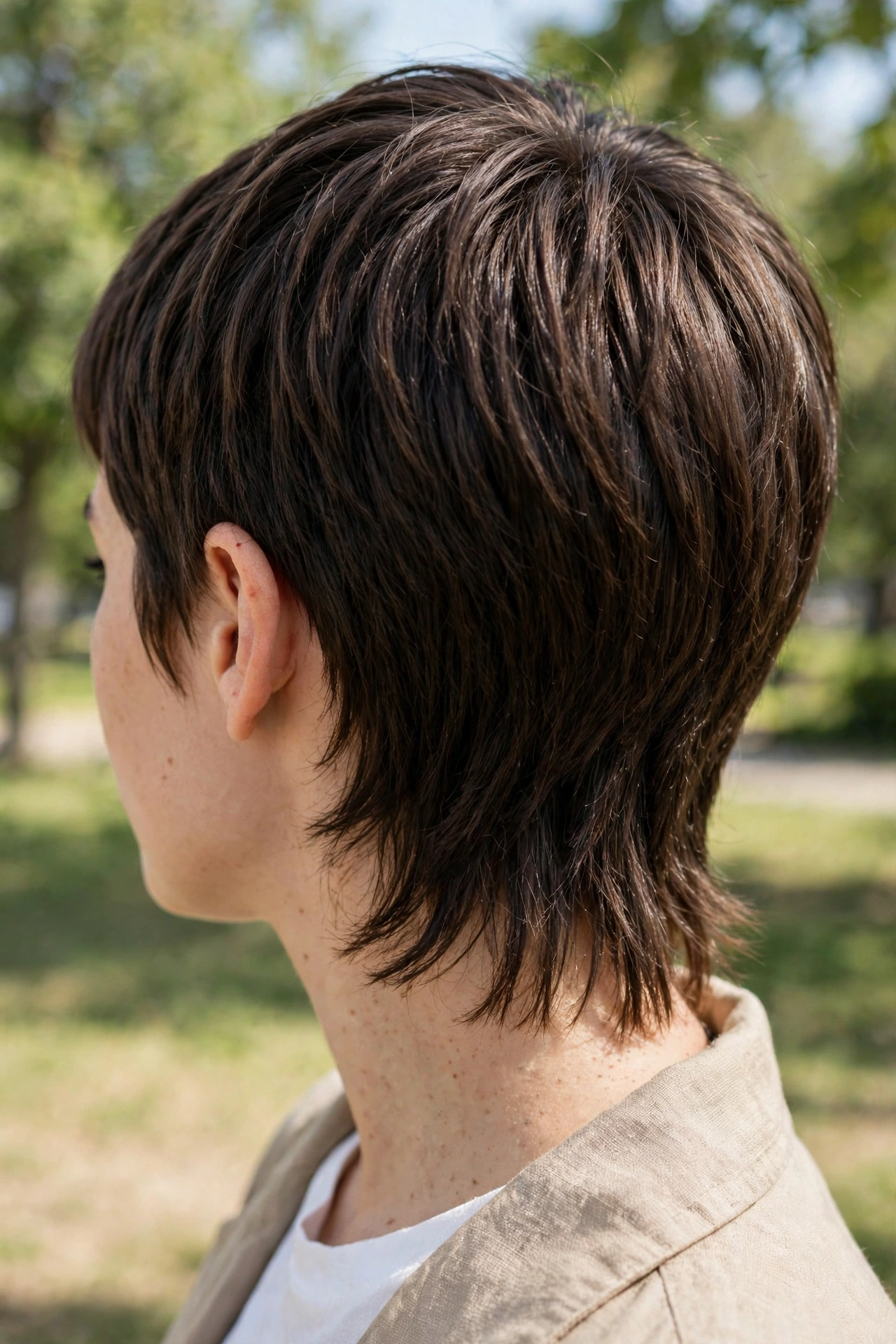
21. Mixie With Curtain Bangs
Curtain bangs soften the mixie considerably, parting in the middle and blending into the longer pieces at the sides. The fringe frames the face gently while the back keeps its mullet length, so the cut reads approachable and romantic rather than severe. It is a good choice if you want the mixie’s silhouette but prefer a softer front, and it grows out gracefully.
22. Mixie With Statement Texture and Natural Colour
A mixie in its natural colour, styled purely for texture, proves the cut needs no colour tricks to make an impact. The silhouette and the choppy, piecey texture carry the whole look, and the natural shade keeps it grounded and wearable every day. It is the most versatile mixie, suited to every setting from the office to a night out, and it asks nothing more than a little texturising cream.
Styling Tips
- Work texturising cream through damp hair and scrunch the back sections, since the mixie’s longer nape needs definition to avoid looking flat.
- Use a small amount of pomade on the ends, pinching pieces apart to emphasise the choppy texture without weighing the cut down.
- Blow-dry the top with a small round brush for lift, keeping the sides flat so the silhouette stays sharp and intentional.
- Refresh the mixie on second days with a spritz of water and salt spray, scrunching the back and re-sweeping the fringe into place.
- Keep the nape shaped between appointments if it starts to look shaggy in the wrong places, since the mixie’s back is its most visible feature from behind.
- Avoid heavy conditioners at the roots, which flatten the short top layers; condition from the mid-lengths down only.
- Book trims every four to six weeks, since the mixie’s contrast between the short front and the longer back blurs quickly as it grows.
Frequently Asked Questions
Q: What is the difference between a mixie and a bixie? A: A mixie combines a pixie front with a mullet back, so the back is noticeably longer than the front and sides. A bixie combines a bob and a pixie, keeping bob length around the ears and nape with a pixie’s texture on top, but without the mullet’s longer back. The mixie is the edgier, more dramatic hybrid, while the bixie is the softer, more versatile one.
Q: Is a mixie the same as a mullet? A: Not quite. A traditional mullet is long at the back with short sides and top, often with a stark, disconnected contrast. A mixie softens that contrast with pixie shaping through the front and sides, blended layering, and a more wearable, modern silhouette. Think of the mixie as the mullet redesigned by a pixie specialist: the attitude remains, but the execution is far more refined.
Q: Does a mixie suit all face shapes? A: Almost, with adjustments. Round faces need height on top and neat sides, heart-shaped faces need fullness at the nape, and square faces need soft, wispy edges rather than blunt lines. Oval faces can wear nearly every variation. The key is adjusting the volume placement and the fringe, not abandoning the cut, and a good stylist will tailor the silhouette to your bone structure.
Q: Is a mixie hard to grow out? A: No, it is one of the easier short cuts to grow out, since the longer back is already growing and the front simply catches up. Regular shaping every six to eight weeks keeps the growing stages looking deliberate, and the cut transitions naturally into a shag or a bob. The awkward stage that plagues pixie grow-outs is largely avoided, because the mixie already has length at the back.
Q: Will a mixie work on curly hair? A: Yes, but it must be cut dry and curl by curl, so each curl lands at its natural spring length. A curly mixie is sculptural and joyful, with a full top and longer curls at the nape. Avoid wet cutting, since the curls will spring up shorter than expected and the balance between the front and the back will be lost.