25 Hush Cut Hairstyles for Soft Feathered Layers

The hush cut arrived from Korea with a whisper rather than a shout, and that is exactly its appeal. It is all soft, feathered layers and wispy ends, with gentle curtain bangs melting into face-framing pieces, and nothing harsh or blunt anywhere in the silhouette. These 25 hush cut variations show how the quietest haircut in years adapts to every length, texture, and face shape while keeping its signature softness.
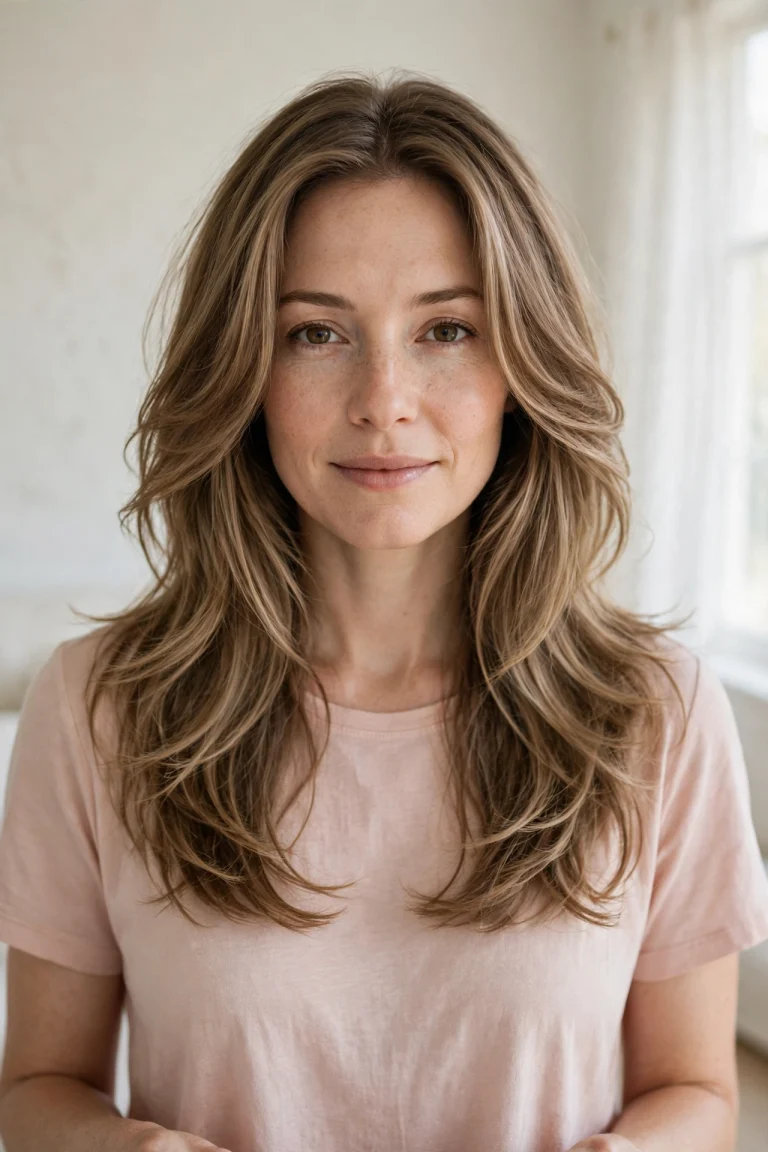
1. Classic Hush Cut With Curtain Bangs
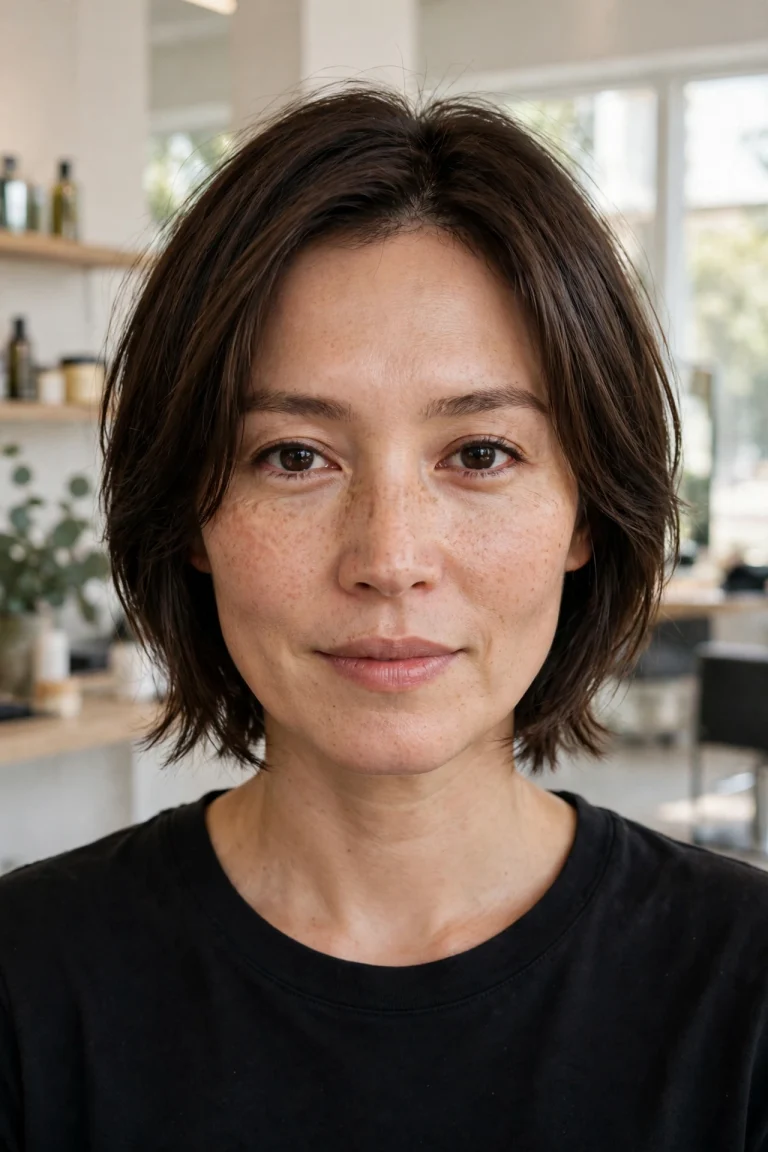
The classic hush cut pairs feathered layers with soft curtain bangs that part in the middle and dissolve into the face-framing pieces. The bangs are cut wispy and long, so they never sit as a separate fringe but flow into the rest of the hair. This is the version to show your stylist first, because the curtain bangs are what make the cut read as a hush cut rather than ordinary layers.
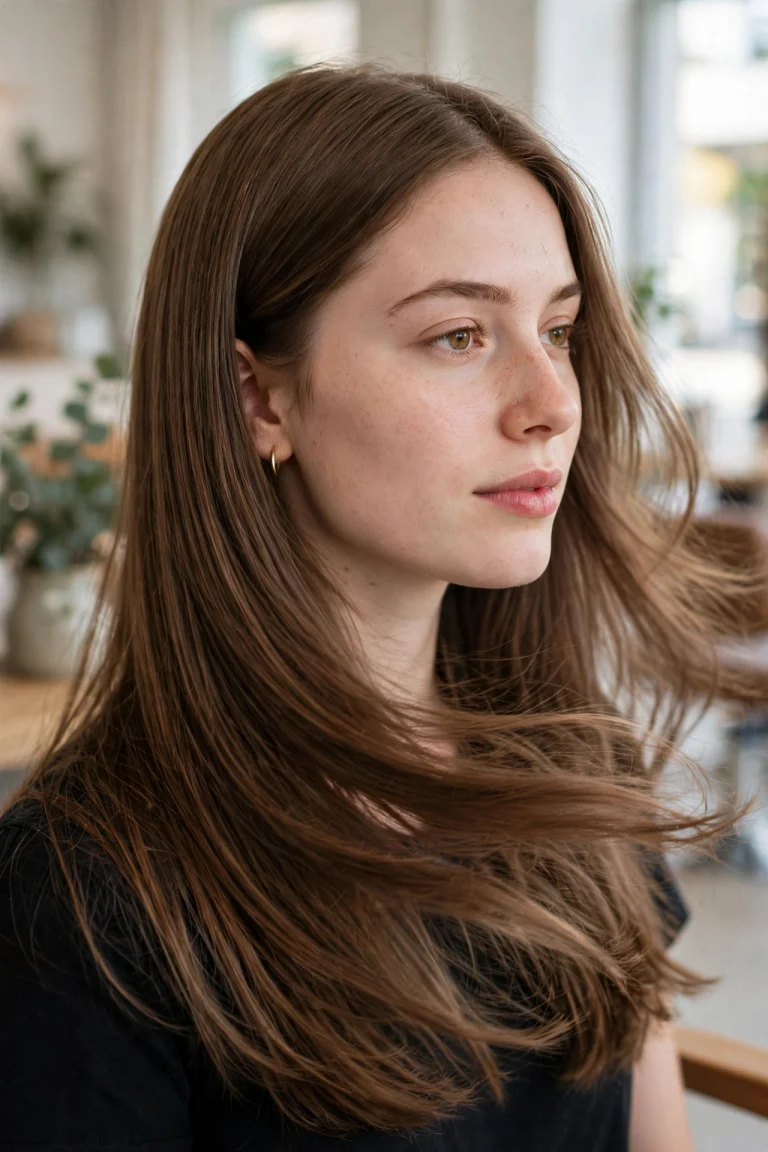
2. Hush Cut for Long Hair
Long hair takes the hush cut beautifully, since the feathered layers can run the full length without sacrificing any of it. The layers are cut with a razor or deep point-cutting so the ends taper into soft points, and the hair moves like fabric rather than sitting in a solid sheet. It is the version for anyone who wants long hair that feels light and airy instead of heavy.
3. Hush Cut for Medium Hair
Medium-length hair is the hush cut’s sweet spot, with enough length for the feathered layers to graduate gracefully and short enough that the shape stays bouncy. The layers typically start at the cheekbones and fall to the collarbone, creating a soft, rounded silhouette that frames the shoulders. It is the most versatile length for the cut, and it styles itself with very little effort.
4. Short Hush Cut
A short hush cut brings the feathered softness to chin or jaw length, with wispy layers all through and curtain bangs blending into the sides. The short length makes the feathering more visible, since every layer edge shows, and the overall shape is soft and rounded rather than sharp. It suits anyone who wants a bob that feels gentle and romantic rather than graphic.
5. Hush Cut With Wispy Bangs
Wispy bangs are the hush cut’s defining fringe, cut thin and feathered so the forehead shows through in places. Unlike a solid fringe, wispy bangs never look heavy or severe, and they blend into the face-framing layers so seamlessly that the fringe and the cut become one shape. They are also forgiving as they grow, since a wispy fringe has no hard line to outgrow.
6. Hush Cut for Thick Hair
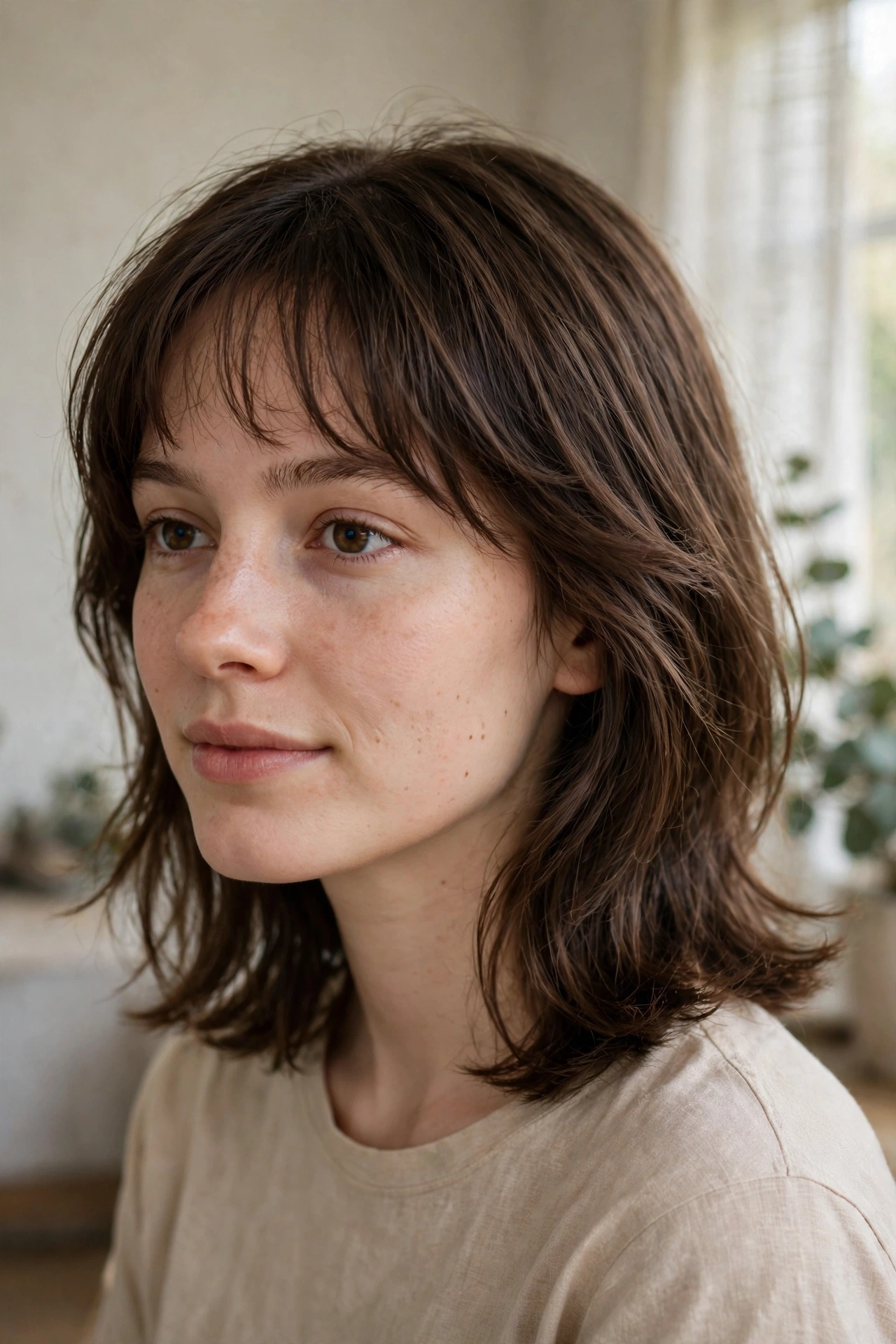
Thick hair needs a hush cut with weight removed from the interior, or the feathered layers will puff outward instead of lying soft. Ask your stylist to thin through the mid-lengths with a razor or thinning shears, keeping the outline soft while the inside stays light. The result is thick hair that moves and falls gently, with all the volume controlled rather than eliminated.
7. Hush Cut for Fine Hair
Fine hair gets a hush cut with lighter feathering, since over-thinning will make the ends disappear entirely. The layers should be cut with clean point-cutting rather than a razor, keeping enough weight at the ends to read as hair rather than wisps. A little root lift and a light mousse give the soft shape its body, and the cut looks fuller than fine hair usually manages.
8. Hush Cut for Wavy Hair
Wavy hair and the hush cut are a natural match, because the feathered layers release wave pattern that heavier cuts suppress. Each layer springs into its own soft wave, and the overall shape is tousled and romantic without any styling effort. Scrunch with a light cream and air-dry, and the cut delivers its signature softness on its own.
9. Hush Cut for Curly Hair
A hush cut on curly hair must be shaped curl by curl, since the feathered layers need to respect each curl’s spring and weight. When cut correctly, the curls form soft, graduated tiers that frame the face without building into a triangle, and the curtain bangs become loose curls that part naturally. Ask for a stylist experienced with curly cutting, and never let the layers be cut wet to a precise length without accounting for shrinkage.
10. Hush Cut for Straight Hair
Straight hair shows hush feathering most delicately, with each layer edge tapering into a soft point that catches the light. The cut needs a little styling to keep the feathering visible, since straight hair can fall flat and hide the layers, so a round brush or a loose wave through the ends helps enormously. The payoff is a sleek, soft finish that looks expensive and effortless at the same time.
11. Hush Cut With Face-Framing Layers
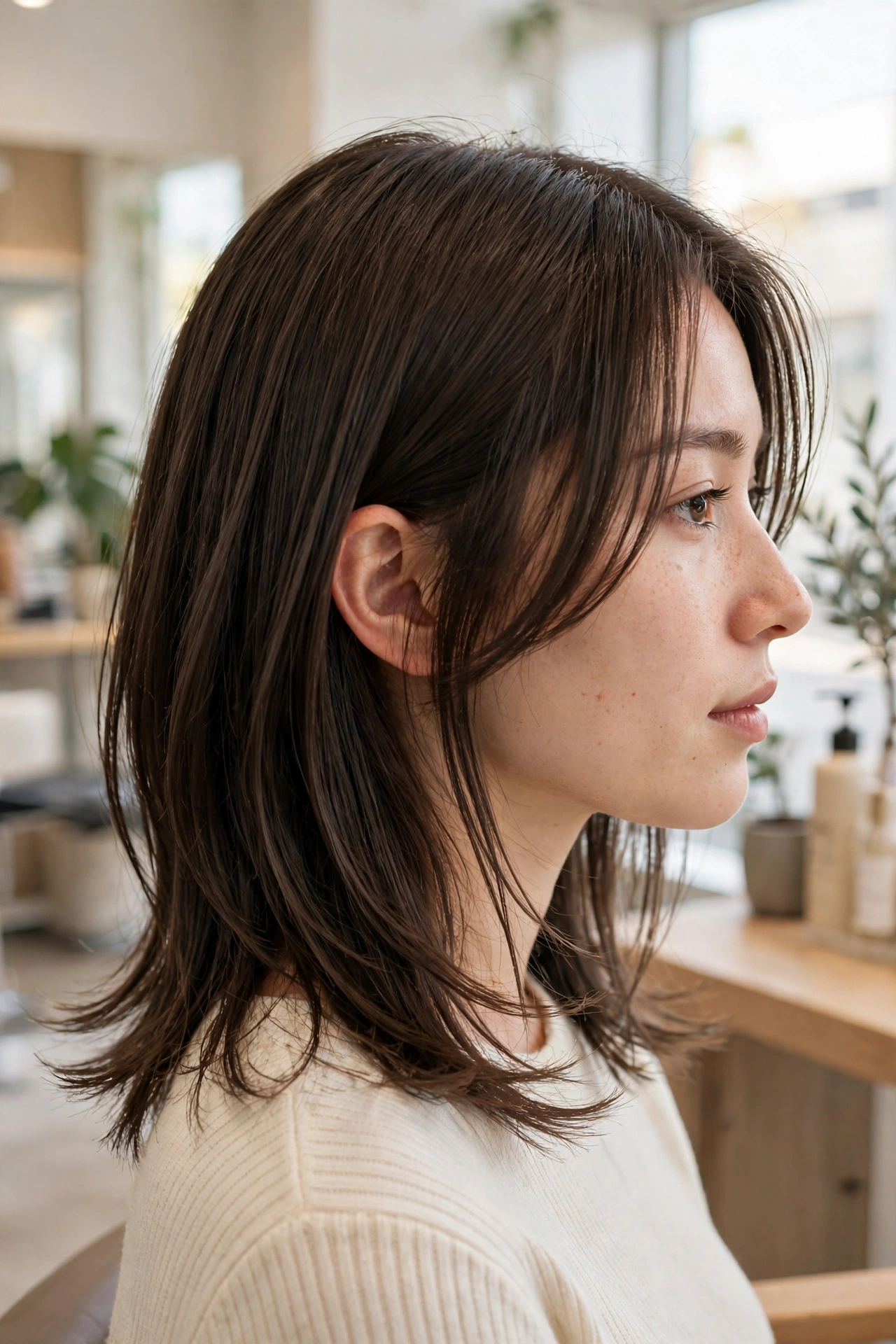
Face-framing layers are the heart of the hush cut, starting at the cheekbones and graduating down past the jaw in soft, feathered pieces. The pieces curve gently toward the face rather than flicking away, which softens every face shape and draws attention to the eyes and cheekbones. Ask for the shortest face-framing piece to start no higher than the cheekbones, so the frame stays soft rather than choppy.
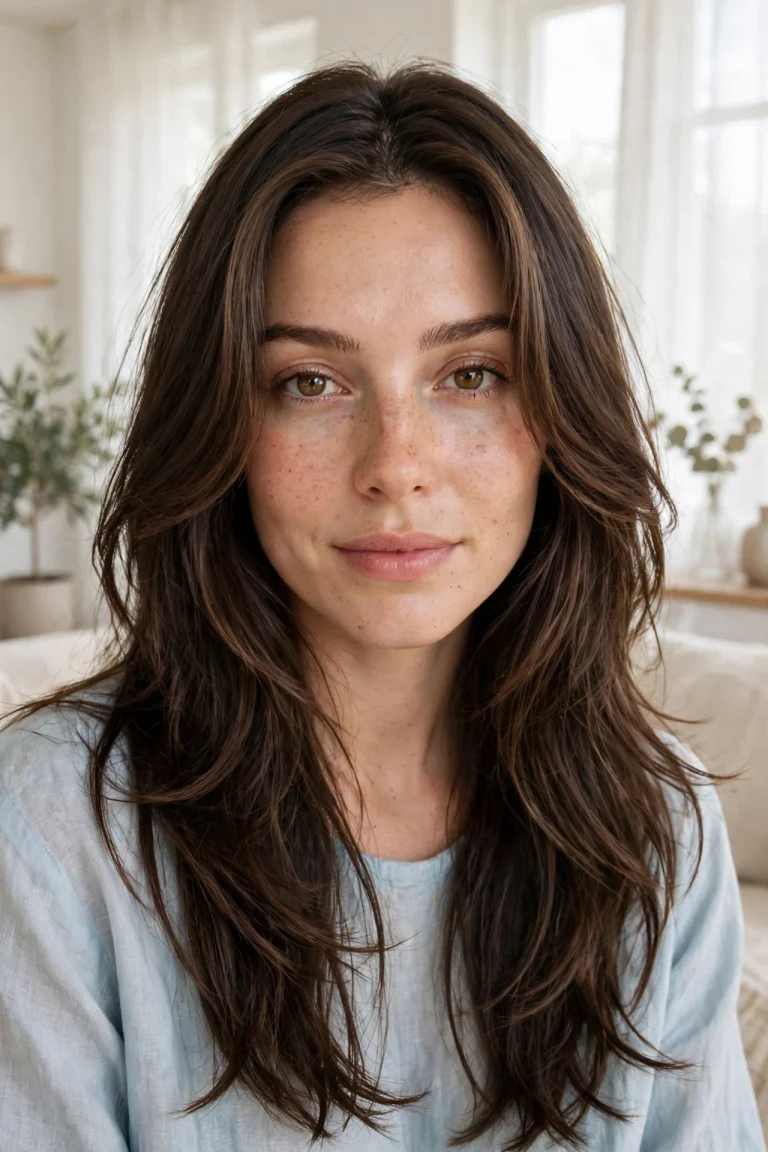
12. Hush Cut With a Middle Part
A middle part gives the hush cut its most balanced, symmetrical look, with the curtain bangs and face-framing layers falling evenly on both sides. The part keeps the softness centred and calm, and it suits oval and heart-shaped faces particularly well. It is the version that photographs most serenely, with the feathered layers forming a soft frame around the whole face.
13. Hush Cut With a Side Part
A side part gives the hush cut a gentle asymmetry, sweeping the curtain bangs across the forehead and piling soft volume on one side. The sweep adds a romantic, slightly undone feeling, and it suits anyone whose hair naturally falls to one side. It is also a useful trick for softening a strong forehead, since the diagonal line breaks up the symmetry.
14. Hush Cut With Balayage
Balayage suits the hush cut’s softness perfectly, since the hand-painted colour has no hard lines to fight the feathered layers. Ask for lightness concentrated through the face-framing pieces and the ends, fading into a deeper root, so the colour moves with the layers. The grow-out is seamless, which matches the cut’s low-maintenance character, and the whole look stays soft for months.
15. Hush Cut With Ash Brown Colour
Ash brown colour keeps the hush cut cool and muted, with a smoky dimension that suits the cut’s quiet character. The ashy tones stop the feathered layers from looking brassy or warm, and the colour reads sophisticated rather than sweet. It is especially flattering on cool skin tones, and it pairs beautifully with the soft, diffused shape of the cut.
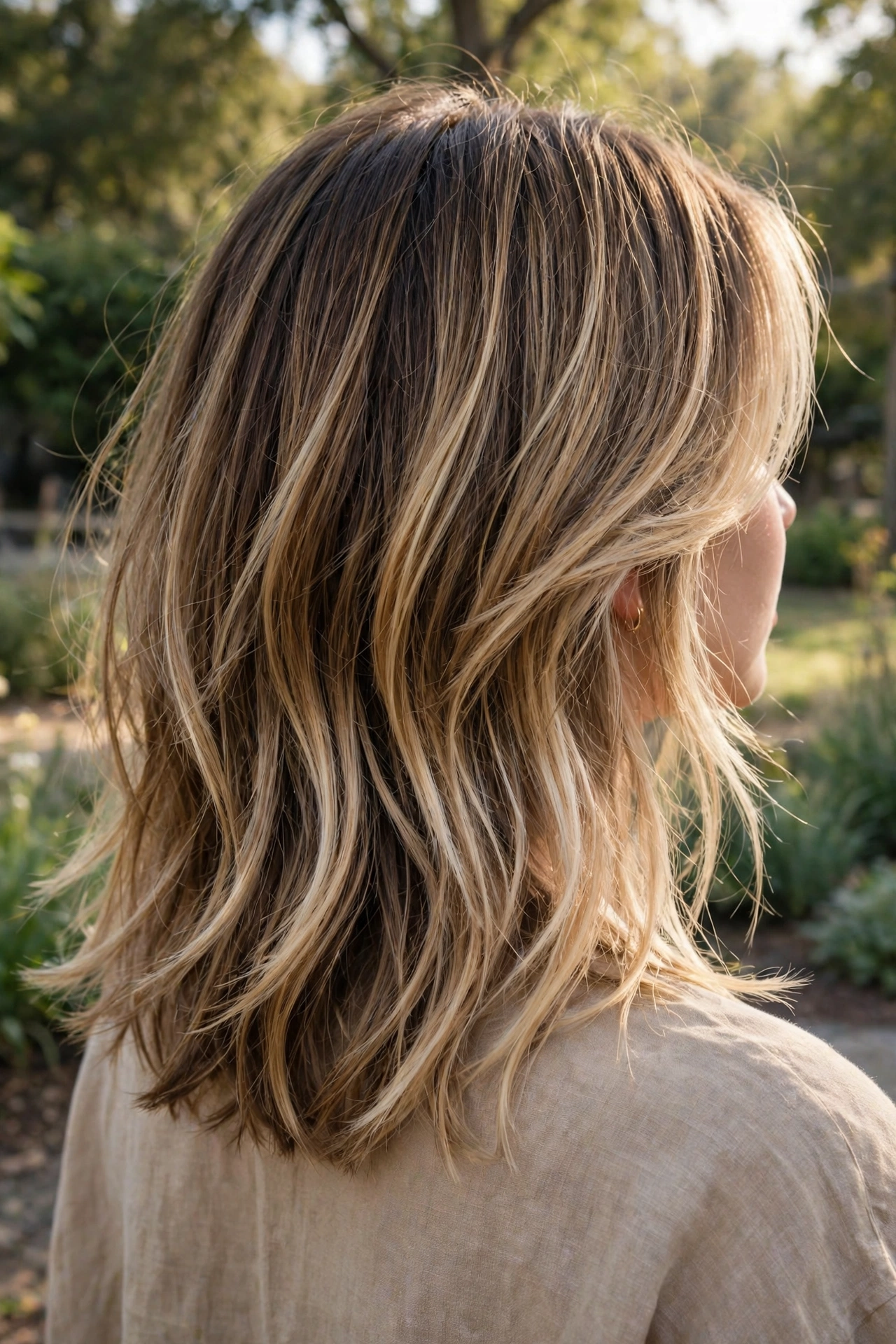
16. Hush Cut With Warm Caramel Highlights
Warm caramel highlights add glow to a hush cut without breaking its softness, lighting up the face-framing layers like sunlight. Keep the highlights fine and blended, concentrated around the face and through the ends, so the warmth reads as natural dimension. The contrast between the warm pieces and the deeper base gives the feathered layers depth and movement.
17. Hush Cut for Round Faces
A round face suits a hush cut when the shortest layer starts below the cheekbones and the face-framing pieces angle downward. The longer front layers create the illusion of length, while the soft crown volume adds height that balances width. Avoid a shortest layer that ends at the widest part of the cheeks, and keep the curtain bangs long and parted, so nothing adds width where the face is already widest.
18. Hush Cut for Oval Faces
Oval faces can wear the hush cut at any layer length, since the balanced proportions let the feathering play freely. The classic cheekbone-length layers with curtain bangs work beautifully, and you can experiment with shorter wispy bangs or a side part without unbalancing the face. It is the face shape that enjoys the cut in its most classic form.
19. Hush Cut for Heart-Shaped Faces
A heart-shaped face benefits from hush layers that add fullness below the jaw, balancing a wider forehead and narrower chin. Keep the curtain bangs long and soft, and let the face-framing pieces fall past the jaw before they taper, so the lower half of the face gains gentle width. The result softens the forehead and fills in around the chin without any harsh lines.
20. Hush Cut for Square Faces
A square face needs hush layers that curve inward at the jaw, softening the strong jawline with feathered, wispy ends. The curtain bangs should be long and sweeping rather than short and blunt, and the overall silhouette should stay rounded rather than angular. The cut’s inherent softness does most of the work, and the feathered edges break up hard lines wherever they fall.
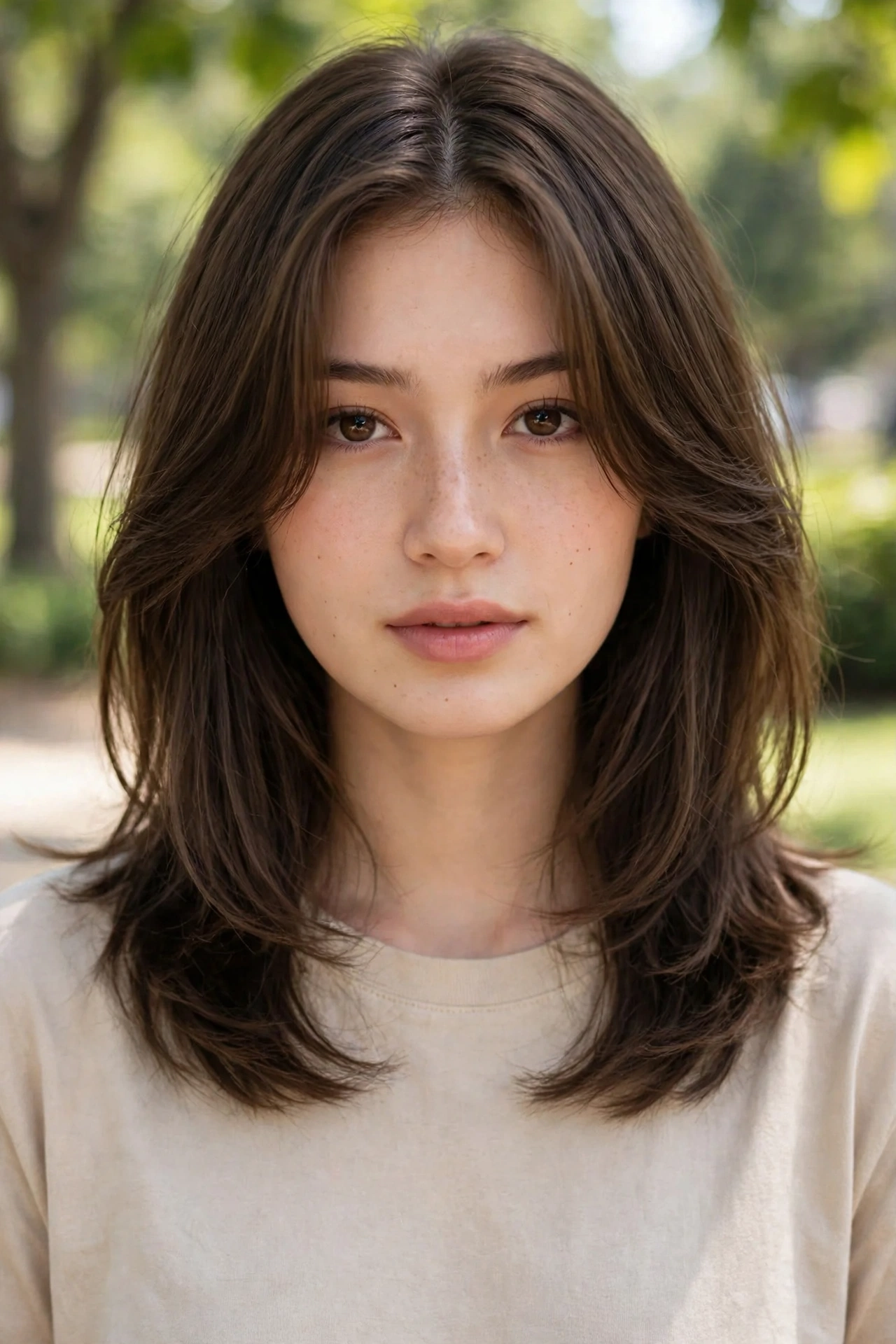
21. Hush Cut With a Low Ponytail
A hush cut gathers into a low ponytail beautifully, since the feathered layers fall out softly around the face instead of pulling tight. Leave the curtain bangs and face-framing pieces loose, secure the rest low at the nape, and let the wispy pieces frame the face naturally. The result is an effortlessly romantic ponytail that looks styled without any pins or fuss.
22. Hush Cut With a Half-Up Style
A half-up style suits the hush cut perfectly, because the soft layers mean the pinned section never looks severe. Gather the top section loosely, pin it low at the crown, and let the curtain bangs and face-framing pieces fall free around the face. The style keeps hair off the face while showing off the feathered texture, and it takes about two minutes.
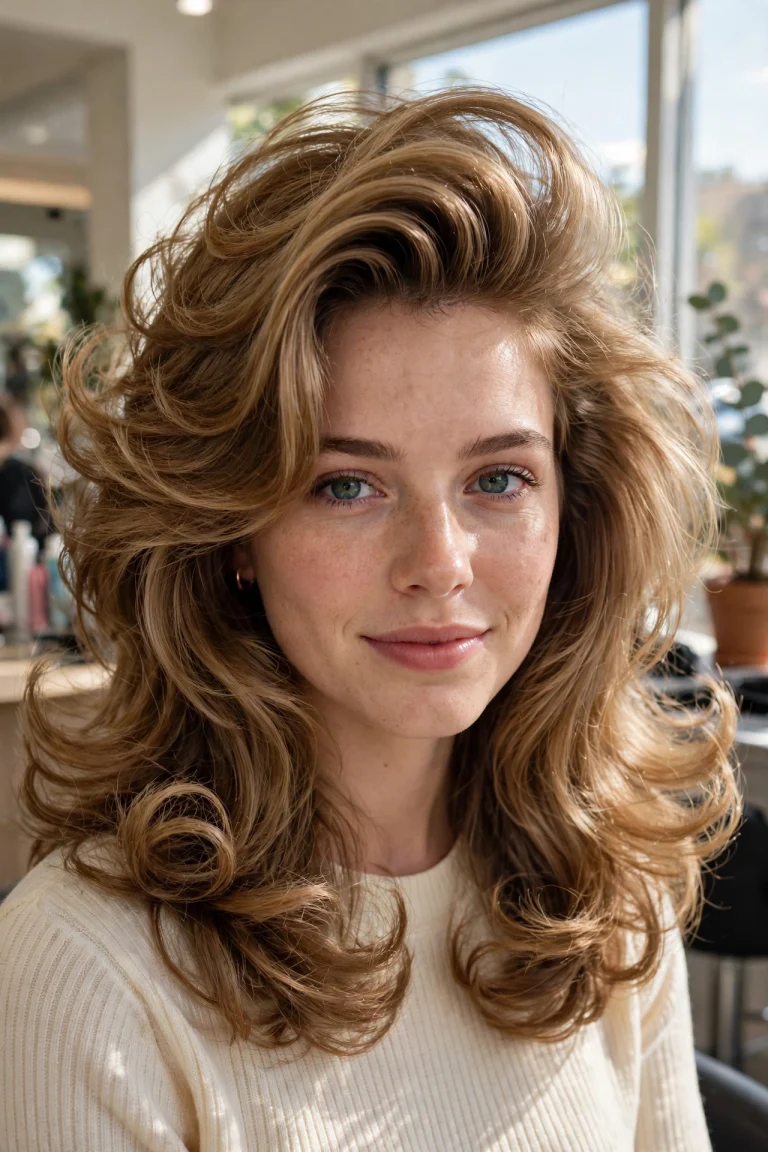
23. Hush Cut With Soft Curls
Soft curls enhance the hush cut’s feathered layers, with each layer curling into its own gentle wave. Use a large-barrel iron and curl away from the face, brushing through for softness so the curls blend into waves rather than sitting as separate ringlets. The finish is romantic and touchable, and the layers keep the curls from collapsing into one heavy mass.
24. Hush Cut for Growing Out Bangs
The hush cut is the ideal solution for growing out bangs, since its curtain fringe is designed to blend into face-framing layers. The growing fringe simply becomes the shortest layer, and the feathered cutting disguises every awkward stage. Instead of months of pinning bangs back, you get a deliberate style that absorbs the grow-out gracefully, and the fringe arrives at layer length without a single bad week.
25. Hush Cut With a Glass Hair Finish
A glass hair finish gives the hush cut a sleek, polished edge, with the feathered layers smoothed to a high shine while keeping their soft shape. Blow-dry smooth with a paddle brush, finish with a shine serum and a flat iron passed lightly over the ends, and the cut reads expensive and immaculate. The contrast between the soft layering and the mirror shine is striking, and it proves the quietest cut can also be the most polished.
Styling Tips
- Blow-dry with a round brush, rolling sections away from the face, to keep the feathered layers soft and curved rather than flat.
- Use a light mousse or a volumising spray at the roots, since heavy products weigh down the wispy ends and kill the airy effect.
- Ask your stylist to cut the layers with a razor or deep point-cutting, which creates the feathered, tapered ends that define the hush cut.
- Refresh the curtain bangs with a round brush and a cool shot, sweeping them to each side, rather than restyling the whole head.
- Avoid heavy waxes and pomades, which clump the fine feathered ends together and destroy the soft, diffused texture.
- Trim every eight to ten weeks to keep the feathering crisp, since grown-out layers turn wispy and the shape loses its definition.
- Let the cut air-dry whenever possible, scrunching lightly, since the hush cut’s softness is at its best when it is not over-styled.
Frequently Asked Questions
Q: What is a hush cut? A: A hush cut is a Korean-origin layered haircut defined by soft, feathered layers, wispy ends, and curtain bangs that blend into face-framing pieces. Unlike a shag or a wolf cut, it has no choppy or edgy texture; everything is soft, diffused, and gentle. The name reflects its quiet, understated character, and the cut is designed to look effortless and romantic rather than bold.
Q: Does a hush cut work on all hair types? A: Nearly, with adjustments. Wavy and straight hair show the feathering most clearly, thick hair needs interior weight removed so the layers lie soft, and fine hair needs lighter feathering so the ends do not disappear. Curly hair needs a curl-aware cut, shaped dry and curl by curl. The one texture that struggles is very coily hair, where the feathered ends can frizz unless the cut is shaped specifically for the curl pattern.
Q: How is a hush cut different from a wolf cut or shag? A: The hush cut is softer and quieter than both. A wolf cut has choppy, disconnected layers and a deliberately edgy, rock-inspired finish, and a shag has heavy texture and volume throughout. The hush cut keeps its layers feathered and blended, its ends wispy rather than choppy, and its overall silhouette rounded and gentle. Think of it as the shag’s softer, more romantic cousin.
Q: Will a hush cut make my hair look thinner? A: It can, if the feathering is overdone, since razor-cut layers remove weight from the ends. On fine hair, ask for point-cutting rather than razor work, and keep the layering concentrated around the face rather than through the whole head. On thick hair, the weight removal is a benefit, not a drawback, since it stops the hair sitting heavy. Tell your stylist your density concerns before the cut starts.
Q: How often should I trim a hush cut? A: Every eight to ten weeks is ideal, since the cut depends on crisp feathered ends and a clear graduation between layers. As the layers grow, the feathering softens into ordinary layers and the curtain bangs lose their shape. A trim that reshapes the face-framing pieces and re-feathers the ends is usually enough, and it keeps the cut looking deliberate rather than grown-out.