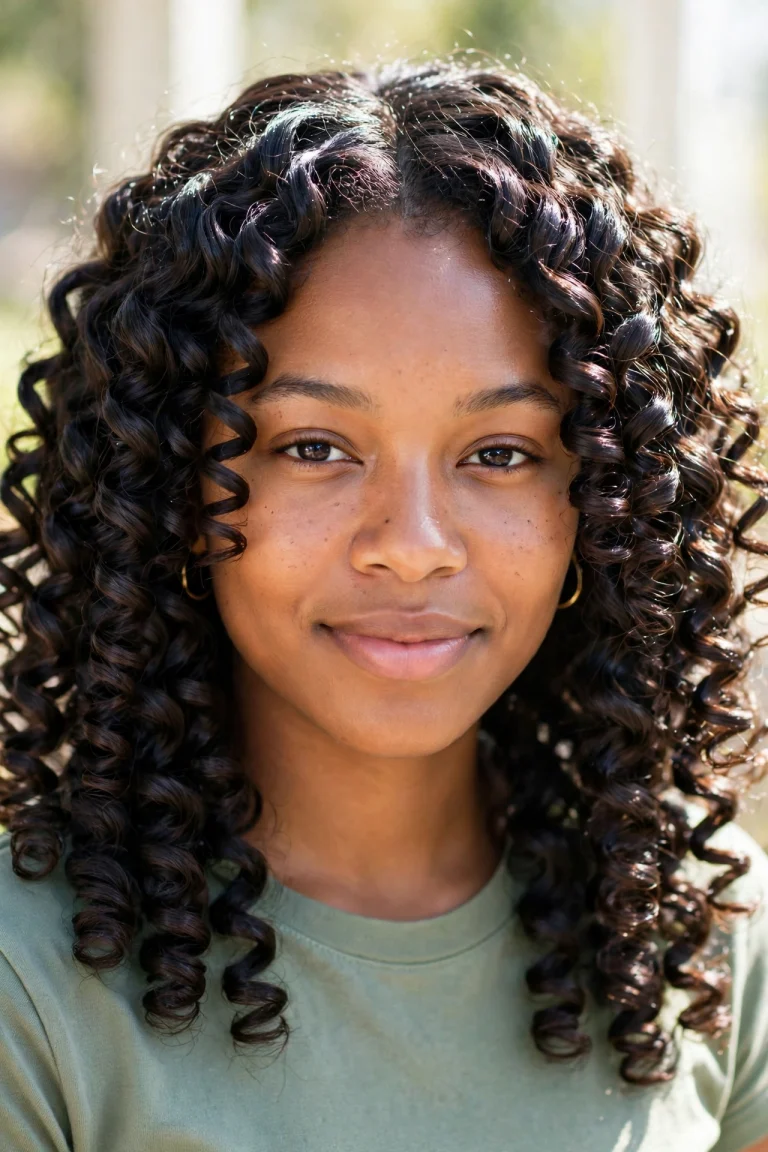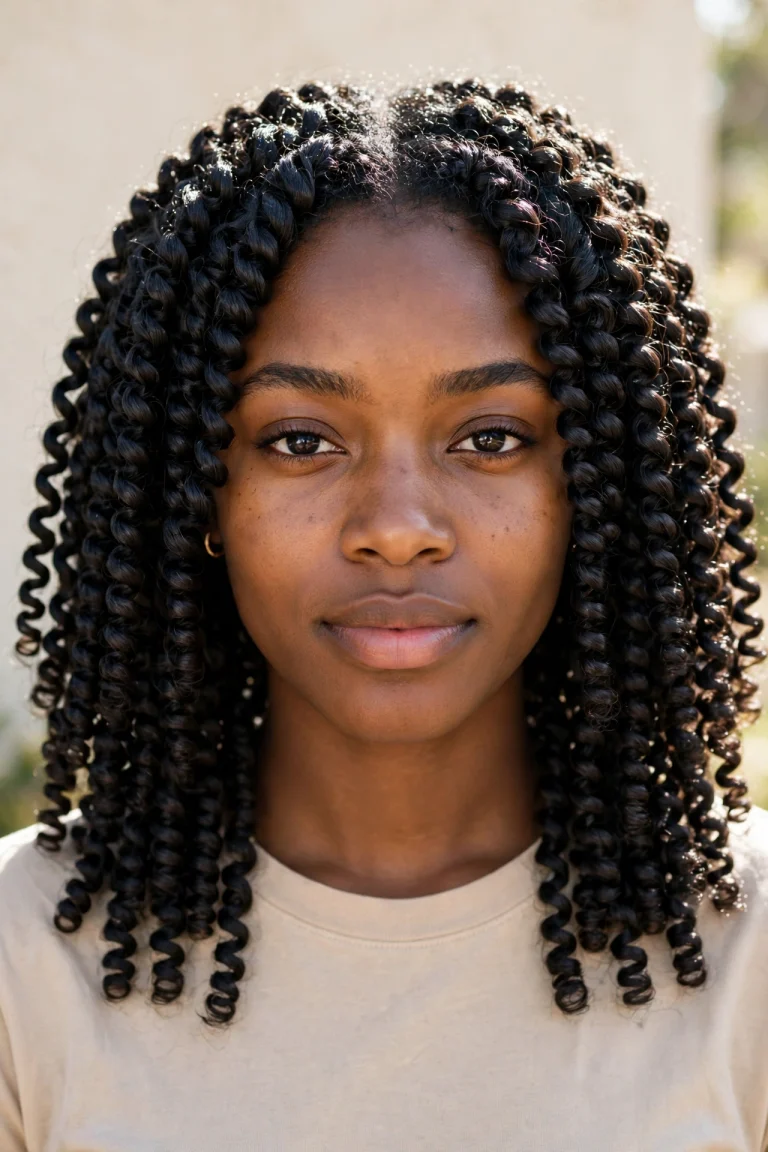
25 Braid-Out Hairstyles for Soft Defined Curls
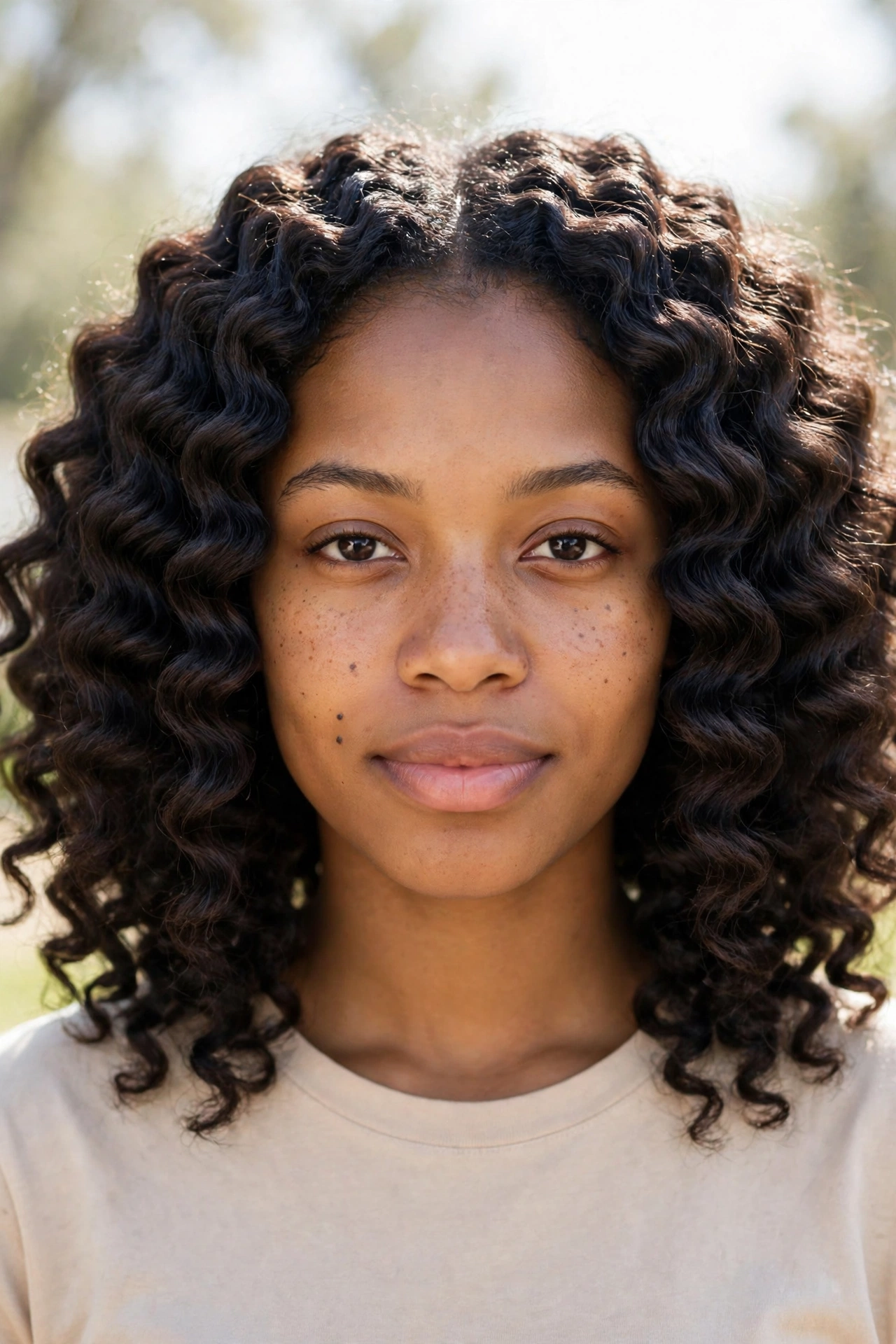
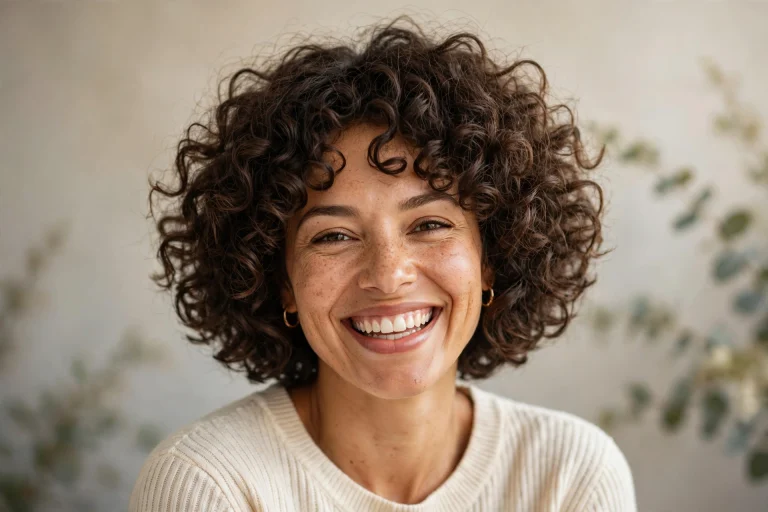
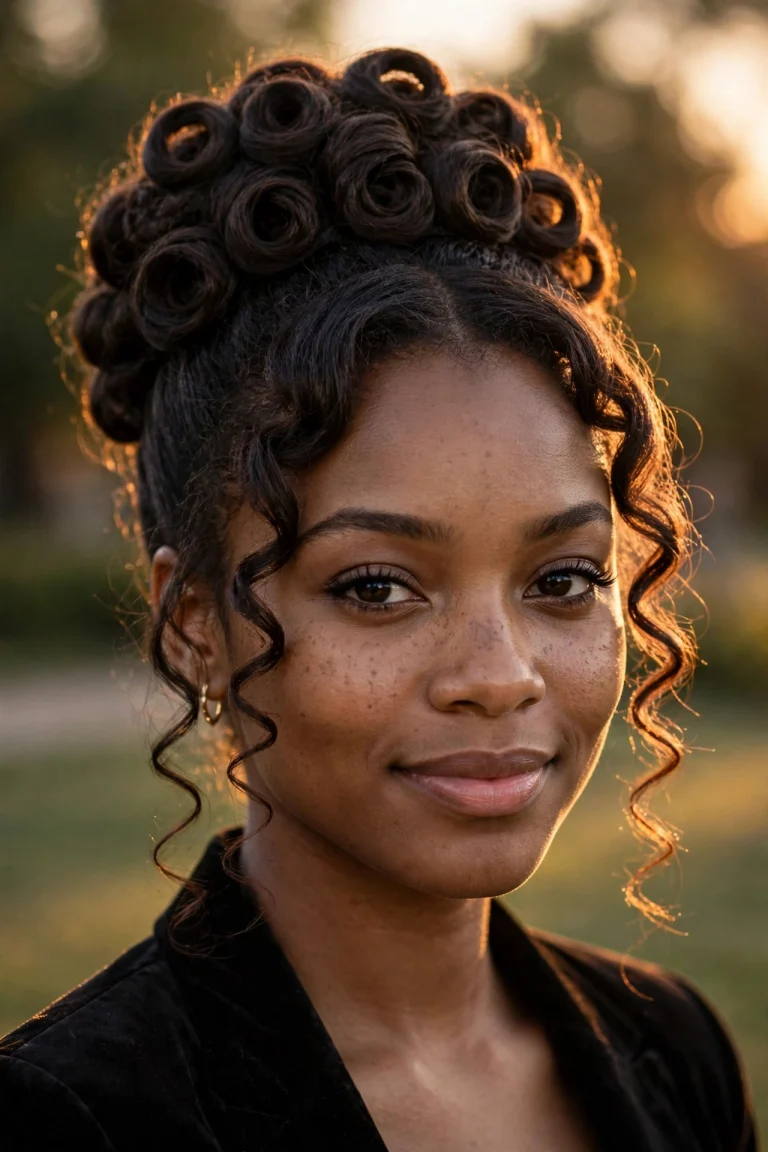
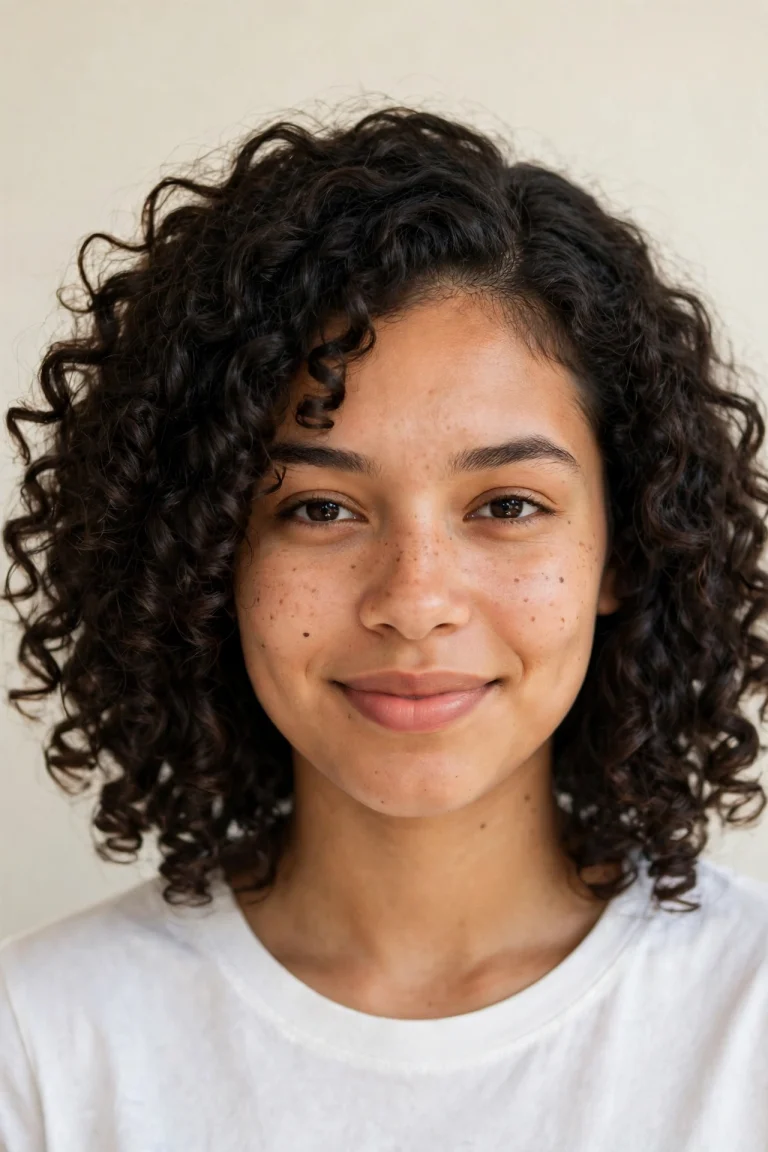
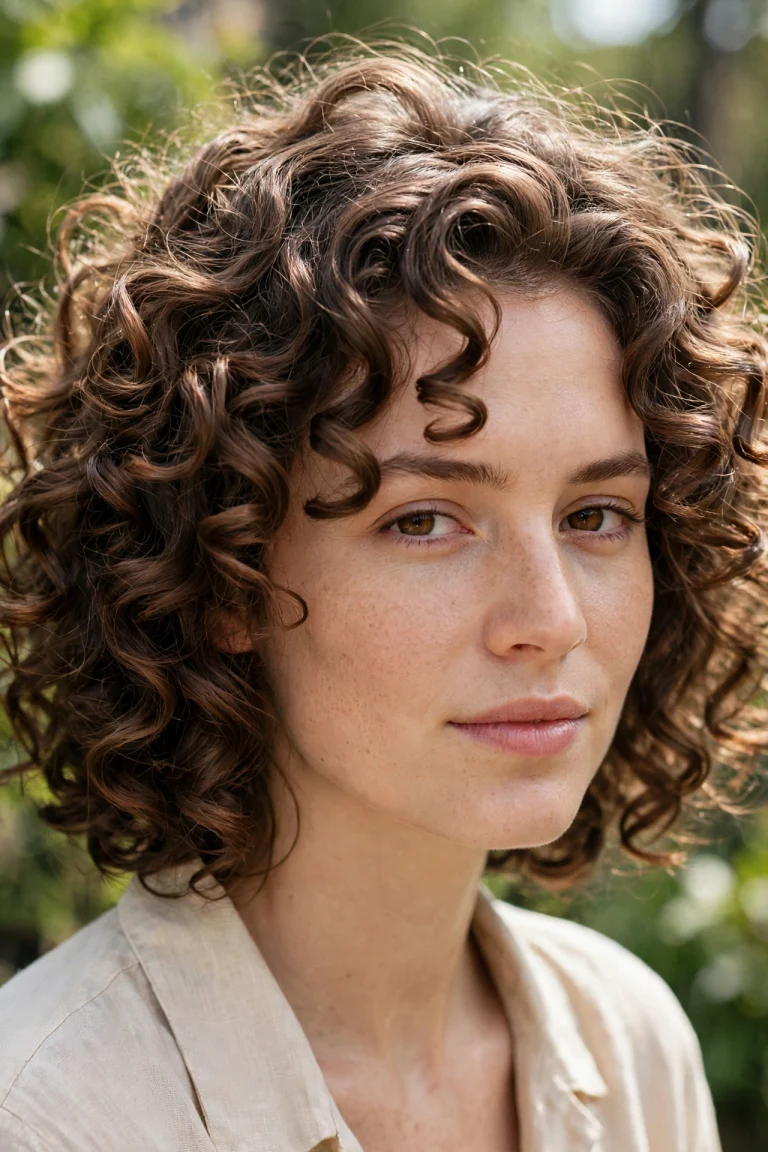
A braid-out is the braid method of setting curls: the hair is braided in sections, left to dry fully, then unraveled into soft, defined waves with a crimped, zigzag texture that no twist can make. Where a twist-out gives smooth, stretched waves, a braid-out gives waves with body, separation, and a lived-in fullness that grows softer and bigger over the week. These 25 ideas cover braid-outs across braid sizes, lengths, parts, and refresh routines, so you can build a week of soft, defined curls from braids alone. Every idea here is about the braid set and the result, not the cut, and each one works with the curl pattern you already have.
1. Classic Three-Strand Braid-Out
The classic three-strand braid-out starts with damp, moisturized hair braided in even three-strand plaits, left to dry fully, then unraveled for soft, crimped waves. The result is full, touchable, and defined, with a wave pattern that holds for days. It is the foundation braid-out, and it suits anyone learning to set curls with braids and a reliable routine.
2. Braid-Out With Large Plaits for Loose Waves
Large plaits give a braid-out its loosest waves, with big sections braided loosely so the unraveled hair falls in wide, soft swells. The waves are relaxed and full, and the style suits anyone who wants body and movement rather than tight definition. It is the most effortless braid-out, and it looks finished with almost no daily upkeep.
3. Braid-Out With Small Plaits for Tight Definition
Small plaits give a braid-out its tightest definition, with many narrow braids setting a fine, crimped wave through the whole head. The unraveled result is dense, textured, and full, with waves that hold their shape for days. It is the version for anyone whose braid-outs fall flat too quickly with larger sections.
4. Braid-Out on Short Curly Hair
A braid-out on short hair uses small plaits and a short drying time, since there is less length to set. The result is a compact, textured style with a full, rounded shape, and the braids give short hair a wave pattern it would not show on its own. It is the easiest braid-out of all, and it looks finished with almost no daily upkeep.
5. Braid-Out on Medium-Length Hair
A braid-out on medium-length hair balances definition and volume, with the waves falling to the shoulders in a full, swinging shape. The medium length holds the braid pattern well, and the style keeps its texture for several days with a simple nighttime routine. It is the most versatile braid-out length, and it suits nearly every curl pattern.
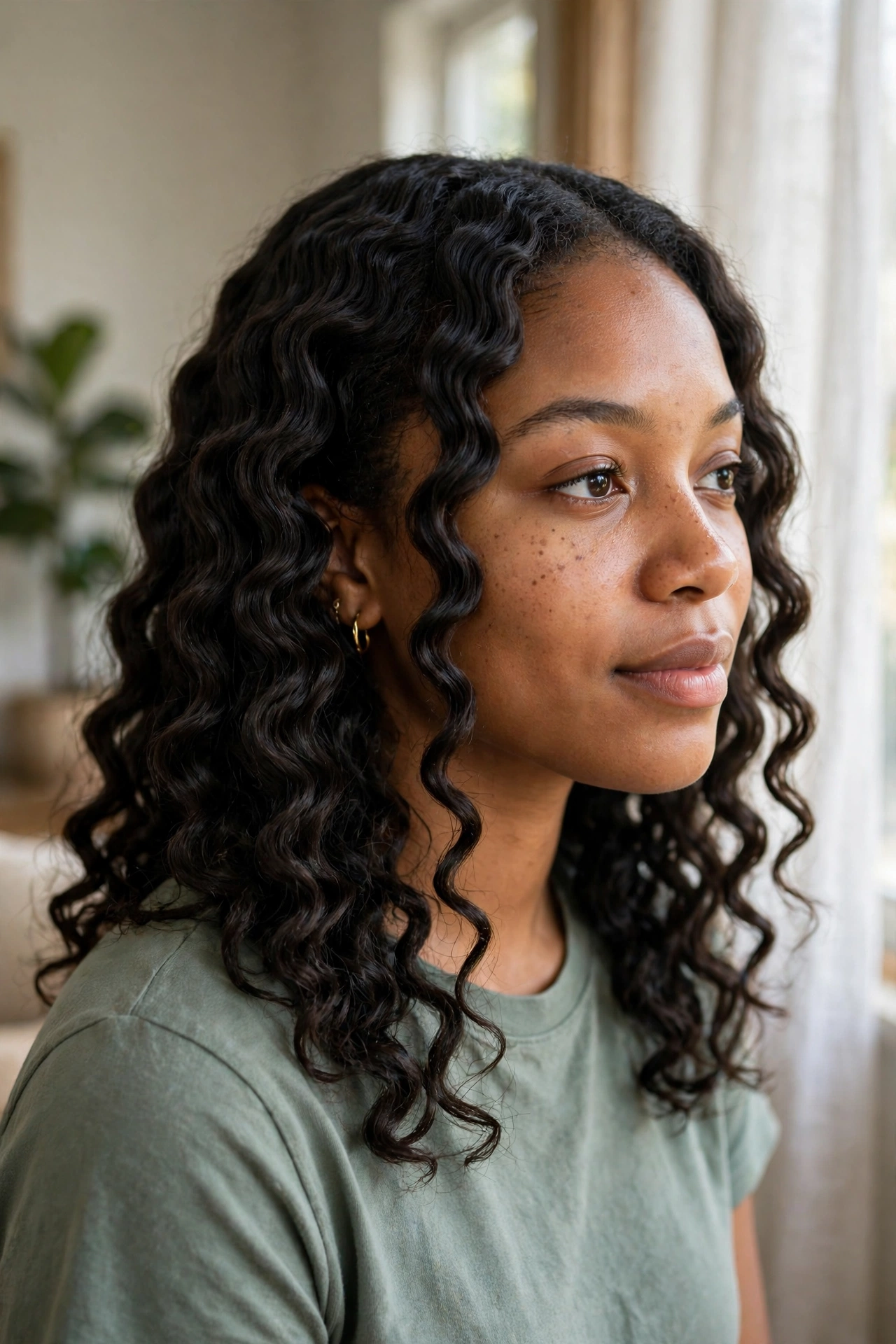
6. Braid-Out on Long Hair
A braid-out on long hair uses larger plaits to save time, and the extra length gives the waves a flowing, dramatic fall with a crimped texture through the ends. The style shows off length while keeping the curls defined, and it holds up beautifully with a satin scarf at night. It is the version for anyone who wants their length visible with braid-set texture.
7. Braid-Out With a Side Part
A braid-out with a side part gives the style direction, with the waves sweeping to one side and the part adding a polished, intentional line. The side part suits round and square faces especially well, since it breaks up the symmetry of a full braid-out. It is the version for anyone who wants their braid-out to look styled rather than simply set.
8. Braid-Out With a Middle Part
A braid-out with a middle part gives the style perfect symmetry, with the waves falling evenly on both sides of the face. The center part keeps the look balanced and open, and it shows off the braid pattern at its most even. It is the most classic way to wear a braid-out, and it photographs beautifully from straight on.
9. Cornrow Braid-Out With a Defined Part
A cornrow braid-out braids the hair flat against the scalp in rows, then unravels into sculpted, directional waves with a defined part. The flat braids keep the roots smooth while the lengths stay full, and the part gives the style structure. It is the most polished braid-out, and it suits anyone who wants their waves to fall in a deliberate direction.
10. Braid-Out With Two French Braids
A braid-out set with two French braids gives waves that follow the head’s shape, with the plaits starting at the hairline and running back. The unraveled result has volume at the crown and waves that sweep back from the face, and the style feels both casual and intentional. It is the version for anyone who loves the look of French braids but wants the waves, not the braids, as the finish.
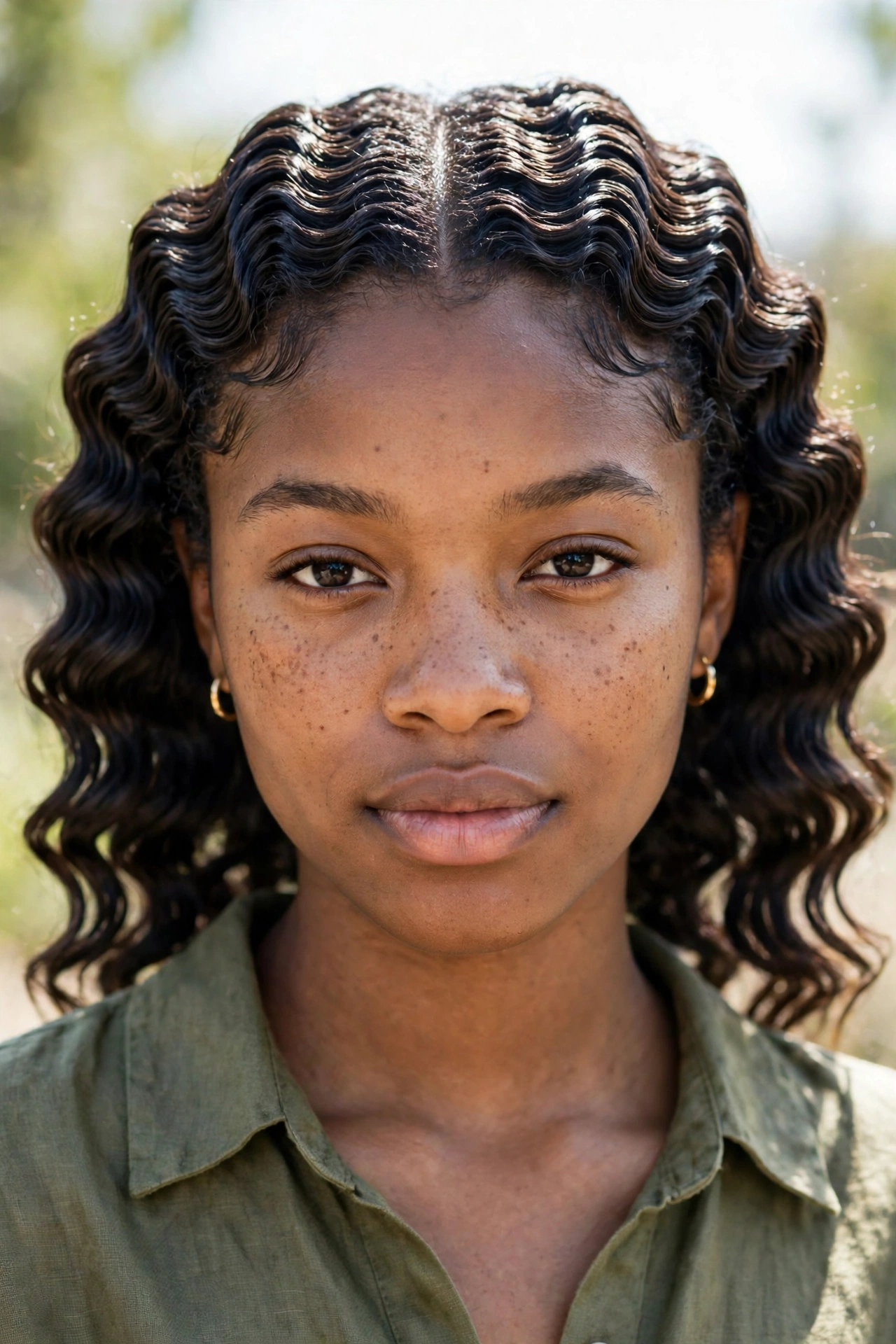
11. Braid-Out With Dutch Braids for Extra Lift
Dutch braids set a braid-out with extra lift, since the braids sit on top of the hair and push the roots upward as they dry. The unraveled waves have more volume at the crown and a bolder crimp, and the style holds its height for days. It is the version for anyone whose braid-outs sit too flat at the roots.
12. Braid-Out With a Zigzag Part
A zigzag part gives a braid-out a playful edge, with the part drawn in a zigzag line and the waves falling on either side. The part adds visual interest at the crown, and the waves keep the look soft rather than severe. It is the most fun braid-out variation, and it suits anyone who likes a small, visible detail.
13. Braid-Out Puff With a Pineapple Updo
A braid-out puff gathers the styled hair into a high pineapple updo, with the waves cascading from the crown in a full, textured cloud. The pineapple keeps the length off the neck while showing the braid pattern at its best, and it doubles as a nighttime protective style. It is the most joyful braid-out updo, and it takes less than a minute to put up.
14. Braid-Out With a High Puff
A braid-out with a high puff gathers the waves into a high, full puff at the crown, with the braid-set texture visible in the gathered curls. The puff shows off the braid-out’s volume and definition while keeping the style simple and quick. It is the most versatile braid-out updo, and it works from day one through the end of the week.
15. Braid-Out With a Low Puff
A braid-out with a low puff gathers the defined waves into a low puff at the nape, with the crimped texture visible around the face. The low puff is elegant and understated, and it keeps the waves protected while showing the definition at the front. It is the version for anyone who wants a braid-out that reads as polished and professional.
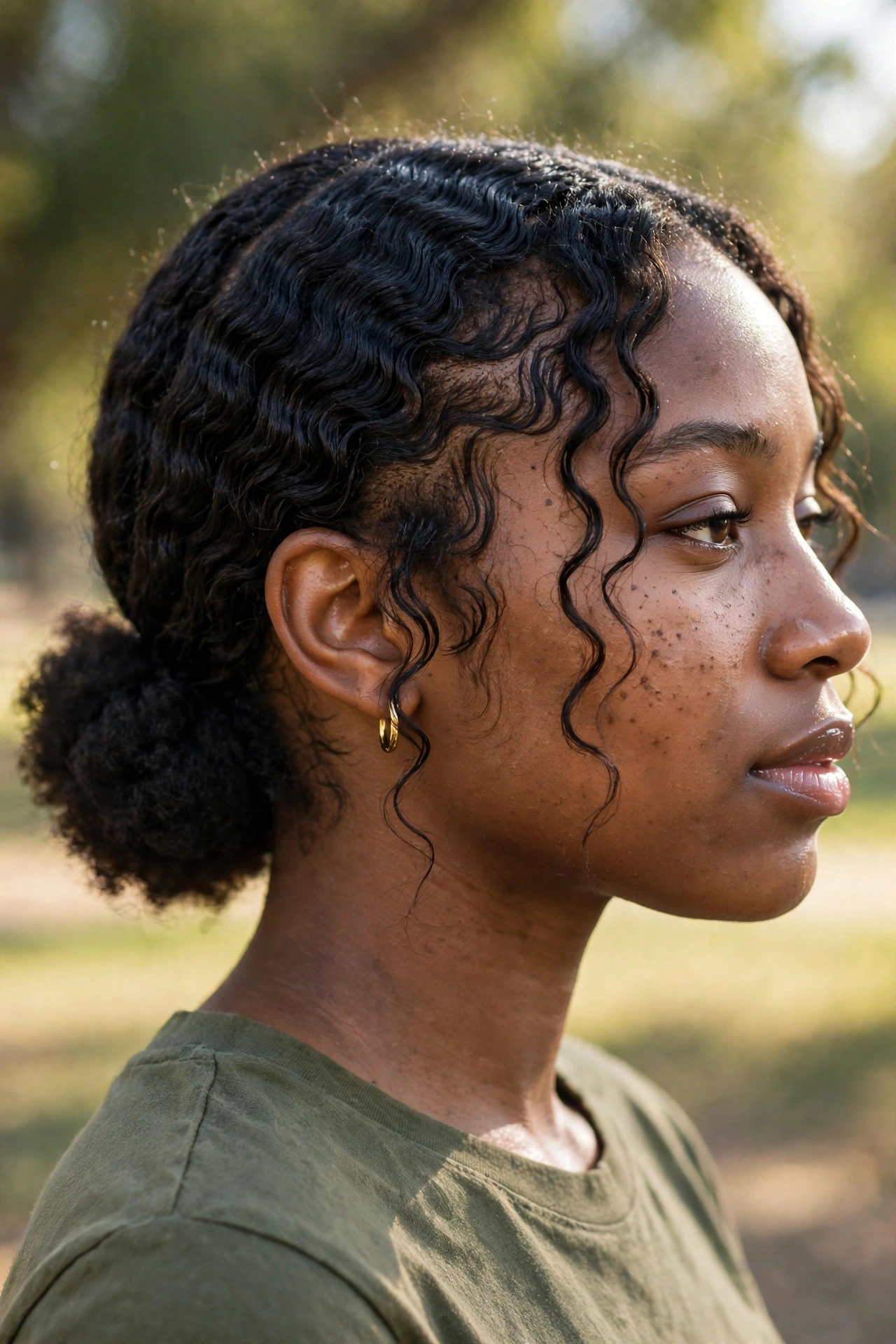
16. Braid-Out With a Headband Finish
A braid-out with a headband finish pushes the waves back from the face with a wide headband, showing the forehead and framing the style with a clean line. The headband keeps the waves off the face all day, and it turns a simple braid-out into a finished look. It is the version for anyone who wants their braid-out out of their face without pinning it up.
17. Braid-Out With Braided Front Pieces Left In
A braid-out with the front pieces left braided keeps two small plaits at the hairline in place while the rest of the hair is unraveled. The braided front pieces frame the face and add a styled detail, and the contrast with the loose waves is striking. It is the most decorative braid-out, and it suits anyone who likes a visible braid accent.
18. Braid-Out Refreshed With a Water Mist
A braid-out refresh revives the waves with a light mist of water and a small amount of leave-in smoothed over the sections that lost definition. The refresh restores the crimped texture without a full re-braid, and the style keeps its shape for several more days. It is the routine that makes a braid-out practical for real life, not just wash day.
19. Braid-Out Second-Day Volume With Pineappling
Second-day braid-out volume comes from pineappling at night, with the hair gathered loosely at the crown so the waves keep their lift. In the morning the pineapple comes down to fuller, softer waves, and the texture often looks better on day two than day one. It is the routine that makes a braid-out last all week.
20. Braid-Out on Stretched Hair for Length
A braid-out on stretched hair starts with hair that is already blown out or banded, so the braids set waves into length that would otherwise shrink up. The result shows maximum length with a soft, crimped wave, and the style reads as long and full at once. It is the version for anyone who wants a braid-out that shows their true length.
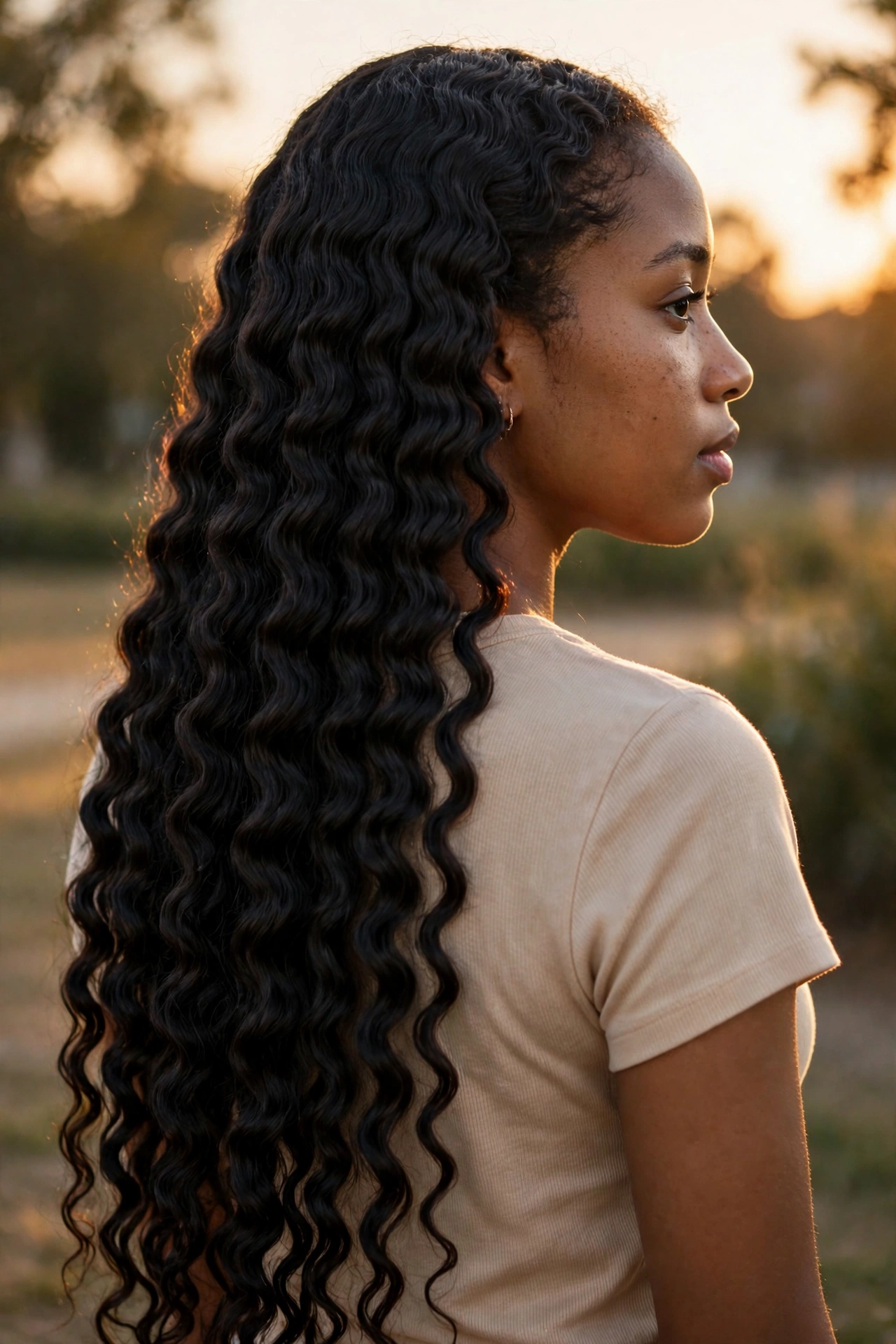
21. Braid-Out With a Gel Cast and Scrunch-Out
A braid-out with a gel cast applies a firm-hold gel before braiding, lets it dry into a light cast, then scrunches the crunch out after unraveling. The cast protects the waves while they dry, so the definition survives the unraveling intact. It is the most reliable braid-out method for humid weather, and the finish is soft, shiny, and frizz-free.
22. Braid-Out With a Tapered Cut
A braid-out with a tapered cut pairs the defined waves with neat, tapered sides and nape, so the style has a clean outline and a full crown. The taper gives the braid-out structure, and the waves on top hold their texture beautifully. It is the most sculpted braid-out, and it suits anyone who loves a sharp silhouette with natural texture.
23. Braid-Out With Gold Cuffs
Gold cuffs threaded onto a few unraveled waves add a decorative accent, with the metal catching the light against the textured curls. The cuffs are placed on waves near the face or at the crown, and they turn an everyday braid-out into a statement. It is the most glamorous braid-out finish, and it suits celebrations and photographs especially well.
24. Braid-Out for a Formal Event
A formal braid-out keeps the waves neat and glossy, with the plaits set evenly and the unraveled finish arranged deliberately. The crimped texture reads as elegant and intentional under evening light, and the style holds its shape through a long event. It is the version for anyone who wants braid-set curls that look red-carpet ready without heat.
25. Braid-Out and Braid-In Combo Week
A combo week alternates braided styles, starting with braids worn in for two days, then unraveled into a braid-out for the rest of the week. The combination gives two distinct looks from one set, and the braid-out stretches and softens the pattern the braids created. It is the smartest weekly routine for braided hair, and it keeps the hair styled for seven days straight.
Styling Tips
- Start on damp, well-moisturized hair, since dry hair will not hold a braid set.
- Braid each section evenly, so the unraveled waves come out the same size across the head.
- Let the braids dry fully before unraveling, since damp braids unravel into frizz instead of waves.
- Unravel gently with oiled fingers, so the waves stay smooth and separated rather than frizzy.
- Use a satin scarf or bonnet at night to protect the waves and keep the definition intact.
- Refresh with a light water mist rather than a full re-braid, which keeps the style lasting all week.
- Pineapple the hair at night to keep the crown volume, and shake the waves out gently in the morning.
Frequently Asked Questions
Q: How is a braid-out different from a twist-out?
A: A braid-out sets waves with braids, which gives a crimped, zigzag texture with more separation and body, while a twist-out sets waves with twists, which gives smoother, stretched waves. Braid-outs tend to be fuller and more textured, and twist-outs tend to be sleeker and more elongated. Both work on every coily pattern, and the choice depends on whether you want crimped fullness or smooth stretch.
Q: How long does a braid-out last?
A: A braid-out usually lasts four to seven days with a satin scarf at night and a light refresh on day two or three. The waves soften and gain volume as the week goes on, which many people prefer to the first-day definition. A quick re-braid of the sections that lose shape can extend the style to a full week.
Q: Should braids be big or small for a braid-out?
A: It depends on the finish you want: large plaits give loose, wide waves with lots of body, while small plaits give tight, crimped definition that holds longer. Most heads suit medium plaits, which balance definition and fullness. If your braid-outs fall flat, go smaller; if they come out too tight, go bigger.
Q: Can I do a braid-out on dry hair?
A: Damp hair works best, since the braids need moisture to set the wave pattern as they dry. Dry hair can be misted with water and product before braiding, which gives a softer set with less hold. For the crispest, longest-lasting waves, start with freshly washed, moisturized hair and let the braids dry fully.
Q: Does a braid-out stretch shrinkage?
A: Yes, somewhat: the braids hold the hair in a stretched position as they dry, so the unraveled waves show more length than a wash-and-go. The stretch is gentler than heat or banding, and the waves keep their spring. For maximum length, set the braid-out on hair that is already stretched, and unravel carefully without pulling the waves straight.