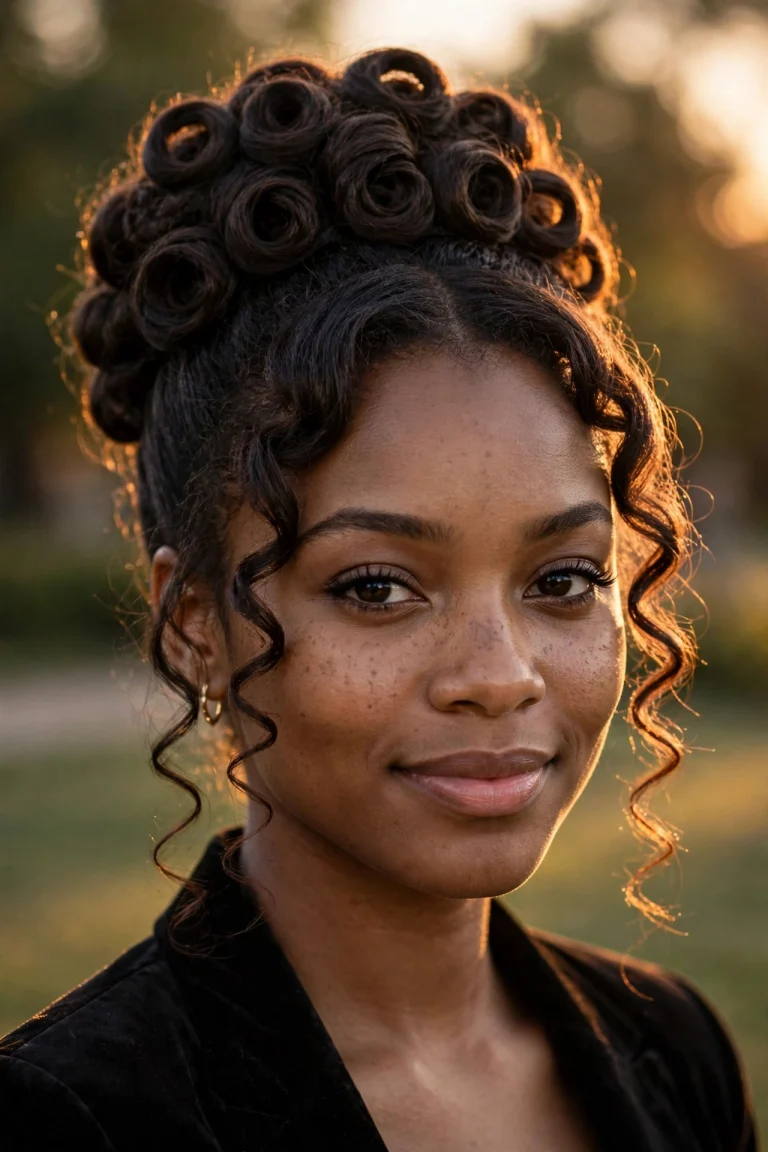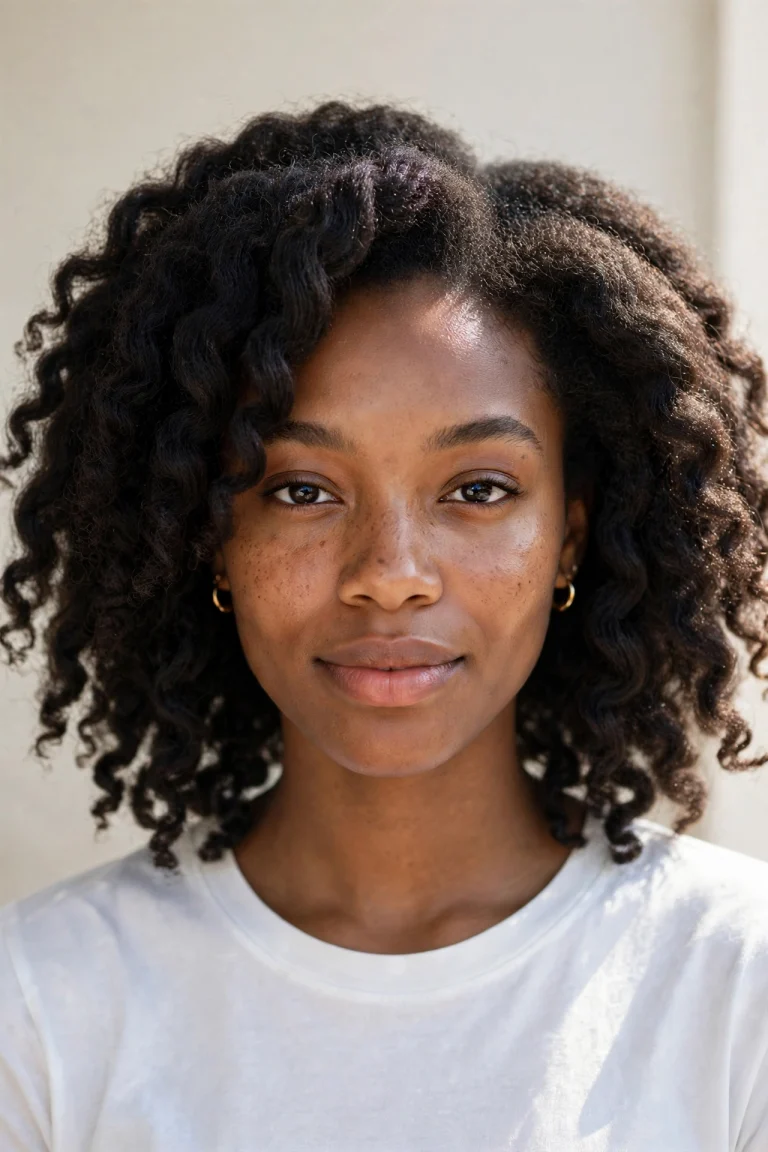
25 Bantu Knot Hairstyles for Coily Hair
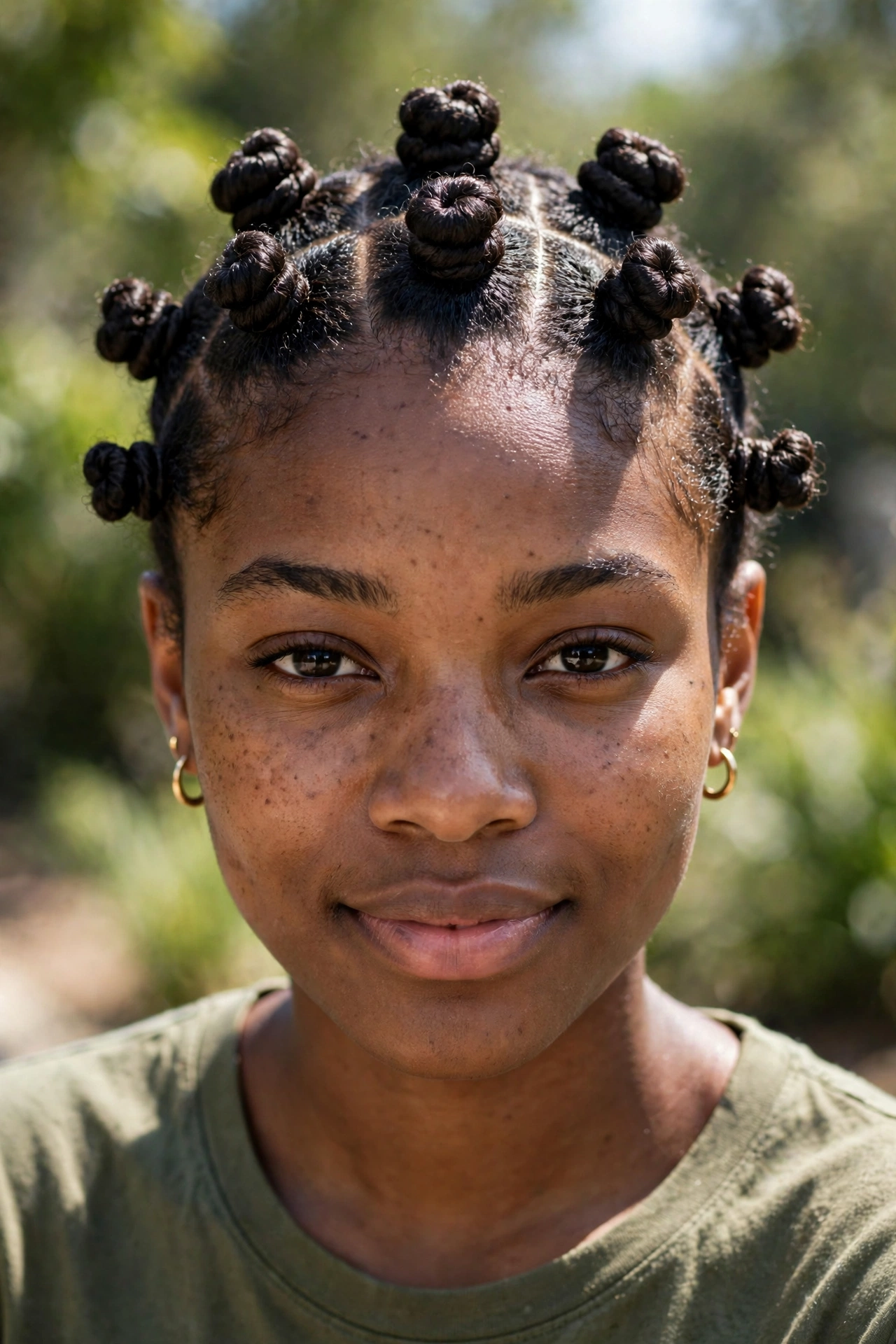
Bantu knots are one of the oldest and most versatile styles for coily hair: small sections of hair twisted and coiled into neat knots that sit on the head like sculpted buttons. Worn as they are, they are a bold, graphic protective style; unraveled, they release into springy, defined curls known as a knot-out. These 25 ideas cover bantu knots worn as a style, knot-outs, and everything in between, so one technique gives you two completely different looks. Every idea here is about the knots and the result, not the cut, and each one works with the coil pattern you already have.
1. Classic Bantu Knots All Over
The classic version parts the hair into even sections and coils each one into a neat knot, covering the whole head in a uniform pattern of sculpted buttons. The knots sit close to the scalp and hold their shape for days, and the style is a protective style in its own right. It is the foundation bantu knot style, and it suits anyone who wants a bold, low-maintenance look.
2. Small Bantu Knots for Tight Definition
Small knots give the tightest knot-out, with many narrow sections coiling into tiny, springy curls when unraveled. The small size means more knots and more time, but the knot-out definition is unmatched. It is the version for anyone who wants the curliest, most defined knot-out possible.
3. Large Bantu Knots for Soft Waves
Large knots give a softer knot-out, with big sections coiling into loose, full waves when unraveled. The large size is faster to install and the knots themselves make a bolder statement on the head. It is the version for anyone who wants bantu knots as the look, with a soft wave as the bonus second style.
4. Bantu Knots on Short Coily Hair
Short hair takes bantu knots as a compact, sculpted style, with small sections knotted close to the scalp. The knots sit neatly and the style needs almost no refreshing, and the knot-out gives short hair a tight, defined curl it would not show on its own. It is the easiest bantu knot style of all, and it looks finished with almost no daily upkeep.
5. Bantu Knots on Medium-Length Hair
Medium-length hair shows bantu knots at their most balanced, with the knots sitting evenly across the head and the knot-out falling to the shoulders in full, springy curls. The medium length holds the knot pattern well, and the style keeps its shape for days. It is the most versatile bantu knot length, and it suits nearly every coil pattern.
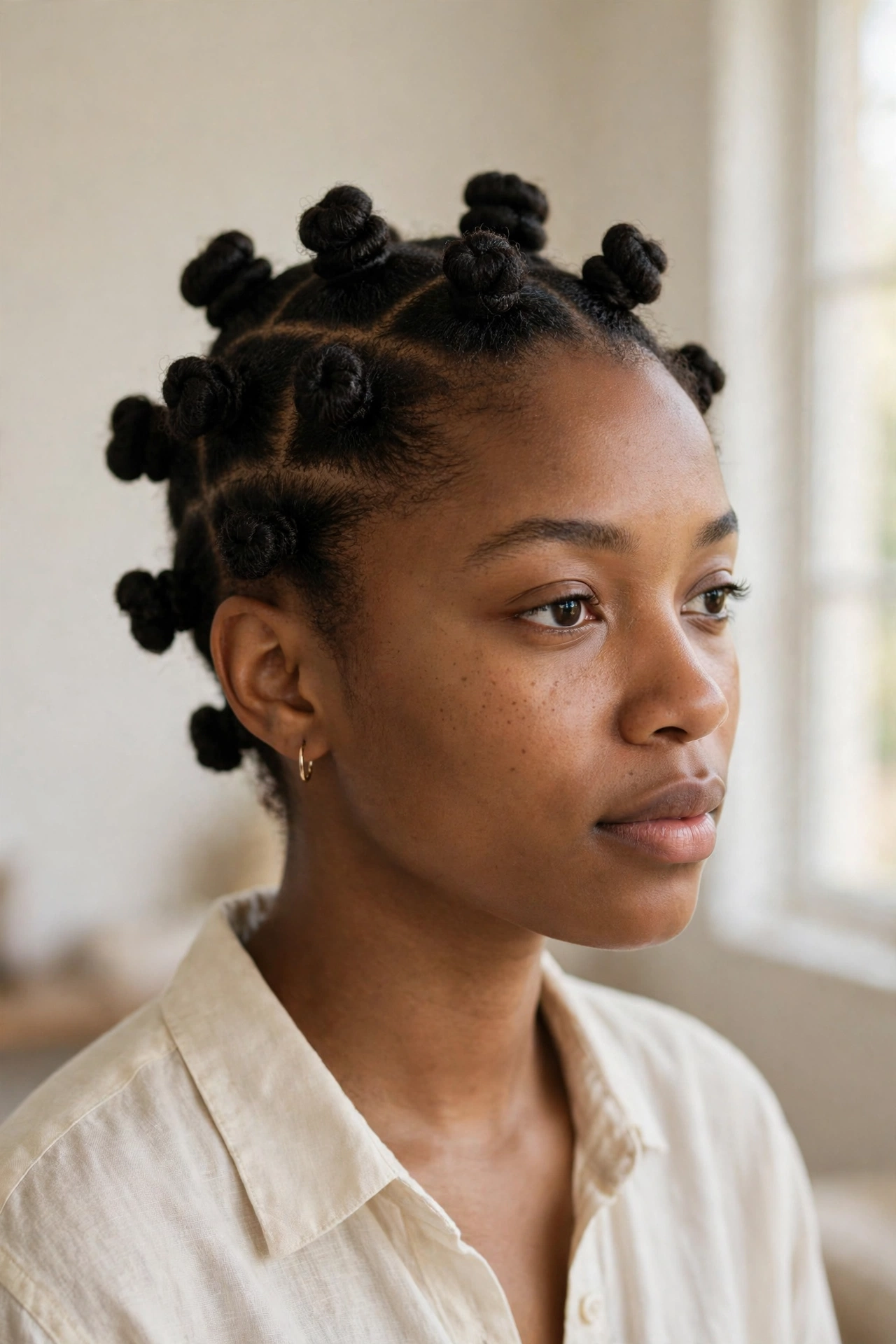
6. Bantu Knots on Long Hair
Long hair takes bantu knots as dramatic sculpted coils, with each knot holding a generous section that unravels into long, defined curls. The knots themselves are larger and more visible, and the knot-out shows off length with a springy, full finish. It is the version for anyone who wants their length visible with maximum knot-set definition.
7. Bantu Knots With a Side Part
A side part gives bantu knots direction, with the knots arranged to one side and the part adding a polished, intentional line. The part keeps the knots from sitting symmetrically, and it suits round and square faces especially well. It is the version for anyone who wants their knots to look styled rather than simply set.
8. Bantu Knots With a Middle Part
A middle part gives bantu knots perfect symmetry, with the knots falling evenly on both sides of the head. The center part keeps the look balanced and open, and it shows off the knot pattern at its most even. It is the most classic way to wear bantu knots, and it photographs beautifully from straight on.
9. Bantu Knot-Out With Defined Curls
A knot-out unravels the knots into springy, defined curls with a tight, uniform pattern and plenty of volume. The curls are separated gently with oiled fingers, so the finish is full and soft rather than frizzy. It is the most popular second-day bantu knot style, and it suits anyone who wants two looks from one set.
10. Bantu Knot-Out With a Picked-Out Afro
A picked-out knot-out uses a wide-tooth comb or pick to lift the unraveled curls into a full, rounded afro shape. The picking adds volume at the roots while the knot-out definition stays visible through the lengths. It is the most dramatic knot-out finish, and it turns the hair itself into a crown.
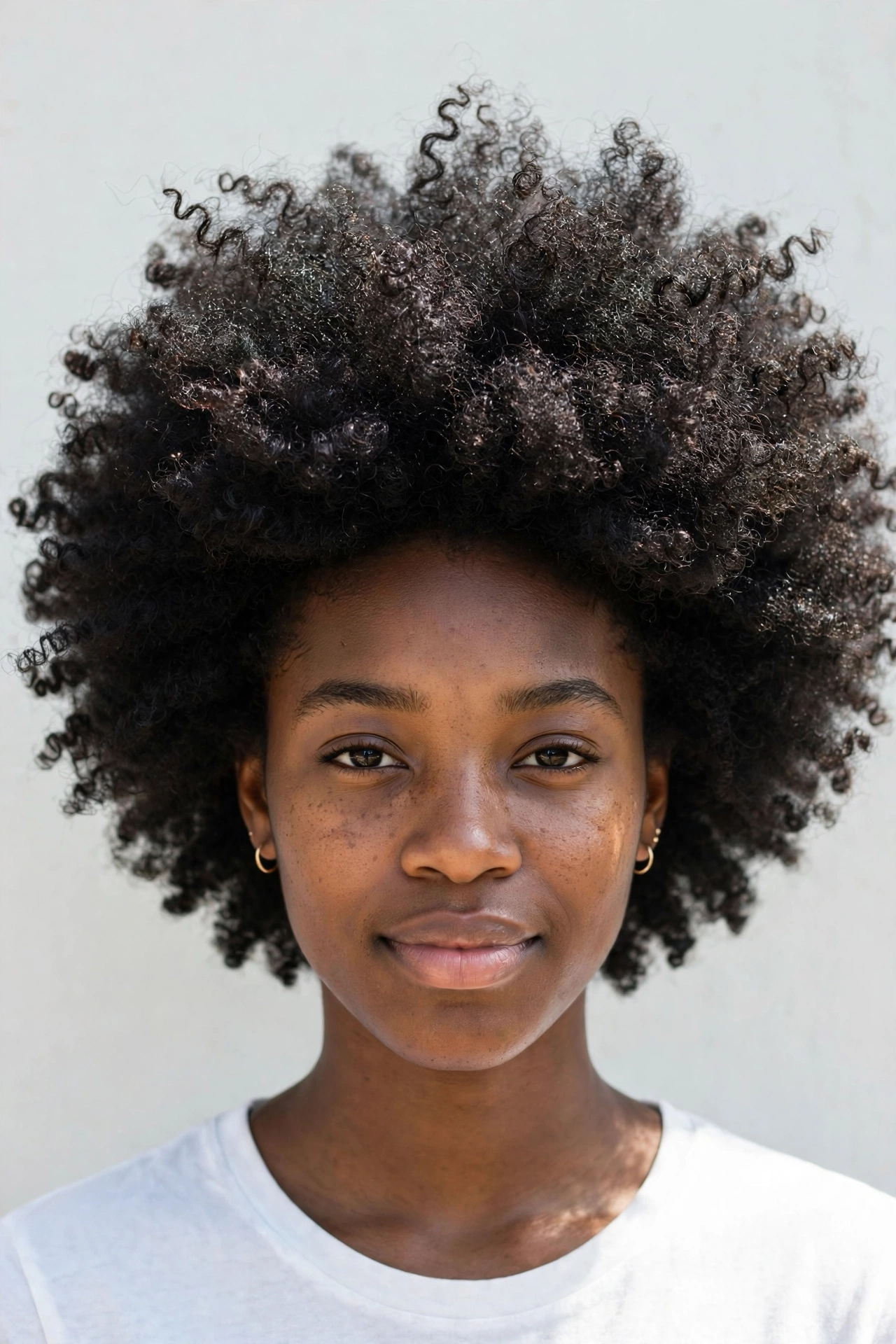
11. Bantu Knots With a Tapered Cut
A tapered cut pairs bantu knots with neat, tapered sides and nape, so the style has a clean outline and a full crown of knots. The taper gives the knots structure, and the knot-out on top holds its definition beautifully. It is the most sculpted bantu knot style, and it suits anyone who loves a sharp silhouette with natural texture.
12. Bantu Knots With Gold Cuffs
Gold cuffs threaded onto a few knots add a decorative accent, with the metal catching the light against the coiled hair. The cuffs are placed on knots near the face or at the crown, and they turn an everyday knot set into a statement. It is the most glamorous bantu knot finish, and it suits celebrations and photographs especially well.
13. Half-Up Bantu Knots With Loose Curls
Half-up bantu knots keep the top sections knotted while the bottom hair is left loose in curls, giving two textures in one style. The knots at the crown add height and interest, and the loose curls below keep the look soft. It is the version for anyone who wants the knot look without committing the whole head.
14. Bantu Knots With a Headband Finish
A headband finish pushes bantu knots back from the face with a wide band, showing the forehead and framing the knots with a clean line. The headband keeps the knots tidy all day, and it turns a simple knot set into a finished look. It is the version for anyone who wants their knots out of their face without pinning them up.
15. Bantu Knots in a Mohawk Row
A mohawk row of bantu knots runs a single line of knots down the center of the head, with the sides left smooth or tapered. The row makes a bold, graphic statement, and the knot-out gives a strip of defined curls down the middle. It is the most fashion-forward bantu knot style, and it suits anyone who loves an editorial look.
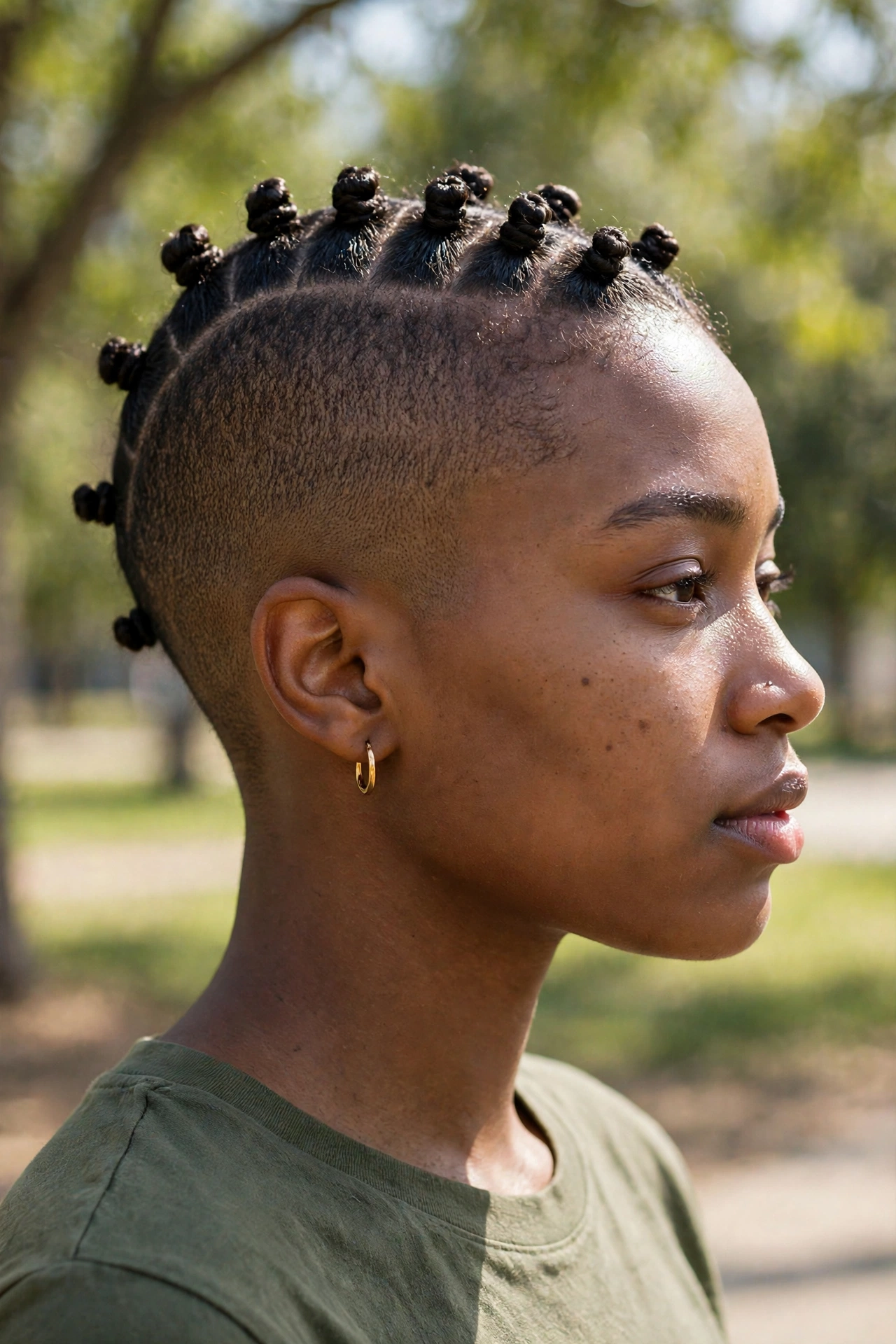
16. Bantu Knots With Color Accents
Color accents make bantu knots glow, with a few knots in a brighter shade or with colored extensions wrapped in. The knots show the color in concentrated, sculpted buttons, and the knot-out carries the color through the curls. It is the most playful bantu knot finish, and it suits anyone who wants their knots to double as color art.
17. Bantu Knots for a Formal Event
A formal bantu knot style keeps the knots neat, even, and glossy, arranged deliberately across the head. The sculpted knots read as elegant and intentional under evening light, and the style holds its shape through a long event. It is the version for anyone who wants knots that look red-carpet ready.
18. Bantu Knots With a Flat Twist Front
A flat twist front pairs bantu knots at the back with flat twists along the hairline, giving the front a smooth, directional finish. The twists frame the face while the knots carry the volume behind, and the combination reads as carefully designed. It is the most intricate bantu knot style, and it rewards a steady hand at the hairline.
19. Bantu Knot-Out Refreshed on Second-Day Hair
Second-day knot-out curls revive with a light mist of water and a small amount of leave-in smoothed over the sections that lost definition. The refresh restores the spring without a full re-knot, and the curls keep their shape for several more days. It is the routine that makes a knot-out practical for real life, not just set day.
20. Bantu Knots as a Protective Style
Bantu knots work as a protective style, with the ends tucked into the knots and kept safe from friction and weather. The knots protect the hair while looking sculpted and intentional, and the style can be worn for a week or more with simple nighttime care. It is the version for anyone who wants protection and style in the same set.
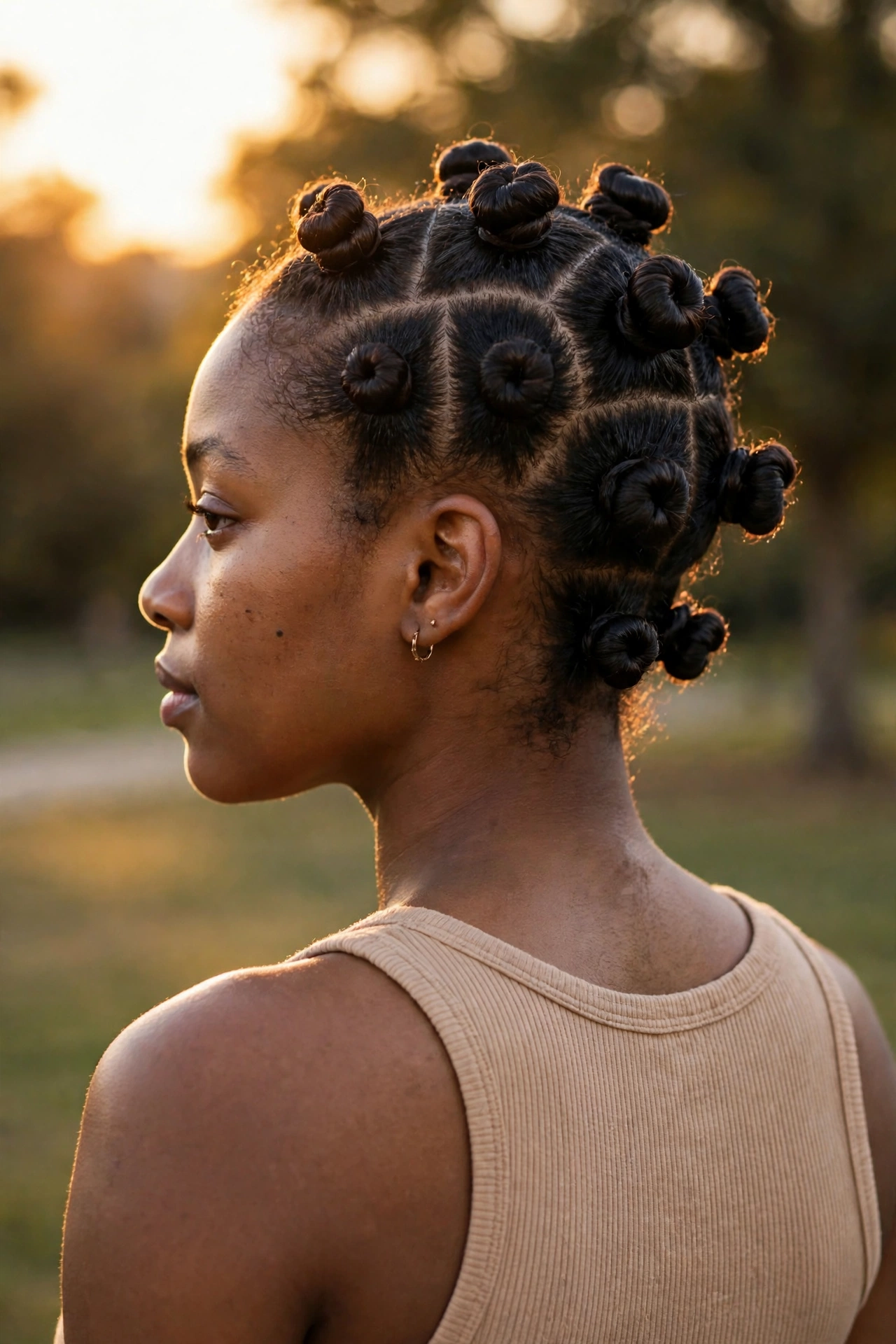
21. Bantu Knots With a Satin Scarf Finish
A satin scarf tied around the hairline finishes bantu knots with a soft, polished edge, keeping the front neat and the knots protected. The scarf adds a retro elegance and doubles as nighttime protection, and the knots peek out above it beautifully. It is the most charming bantu knot finish, and it suits casual and vintage-inspired days alike.
22. Bantu Knots With Shaved Sides
Shaved sides pair bantu knots with a bold, clean undercut, so the knots sit on top of a sharp, graphic shape. The contrast between the smooth sides and the sculpted knots is striking, and the style reads as confident and modern. It is the boldest bantu knot combination, and it suits anyone who loves a strong silhouette.
23. Bantu Knots for Growing Out a Cut
Bantu knots help grow out a short cut gracefully, since the knots add shape and intention at every length. As the hair grows, the knots get bigger and the knot-out gets fuller, so every stage looks deliberate. It is the smartest grow-out style for coily hair, and it ends the awkward in-between months.
24. Bantu Knots With Beads
Beads threaded onto the ends of a few knots add movement and sound, with wooden or gold beads catching the light as the head turns. The beads are placed on knots near the face or at the nape, and they turn the knot set into wearable art. It is the most joyful bantu knot finish, and it suits festivals and celebrations especially well.
25. Bantu Knots as a Weekly Wash-Day Ritual
A weekly bantu knot ritual turns wash day into a styling session, with the knots set fresh each week and worn first as knots, then as a knot-out. The routine gives two distinct looks from one set and keeps the hair protected between washes. It is the smartest long-term habit for coily hair, and it keeps the curls defined and healthy all month.
Styling Tips
- Start on damp, well-moisturized hair, since dry hair resists coiling and the knots slip out.
- Part each section cleanly and evenly, so the knots sit in a neat, intentional pattern.
- Twist each section tightly before coiling it, which keeps the knot compact and secure.
- Tuck the ends into the base of each knot, so no ends stick out and the knots stay neat.
- Let the knots dry fully before unraveling for a knot-out, since damp knots unravel into frizz.
- Use a satin scarf or bonnet at night to protect the knots and keep them from flattening.
- Unravel knot-outs gently with oiled fingers, separating each curl only once or twice to avoid frizz.
Frequently Asked Questions
Q: How long do bantu knots take to install?
A: It depends on knot size and hair length, but most heads take one to two hours. Small knots take longest, while large knots can be done in under an hour. The time pays off in a style that lasts for days and a knot-out that gives a second look for free.
Q: How long do bantu knots last?
A: Bantu knots usually last five to seven days with a satin scarf at night, and the knot-out adds another three to five days of wear. The knots themselves hold their shape well, since the coiled sections lock together. A quick re-twist of any loose knot extends the style easily.
Q: Do bantu knots damage the hair?
A: No, when they are installed and removed gently. The knots should never be pulled tight enough to hurt, and unraveling should be done slowly with oiled fingers rather than yanking. Done kindly, bantu knots are a protective style that keeps the ends tucked away and safe.
Q: Can bantu knots work on every curl pattern?
A: Yes, with the knot size adjusted to the pattern: looser patterns suit larger knots, while tighter patterns suit smaller knots that show the coil definition. The technique works with the hair’s natural spring rather than fighting it, so every pattern from 3A to 4C gets definition from bantu knots. The key is matching the section size to the hair’s density and length.
Q: What is the difference between a bantu knot and a knot-out?
A: A bantu knot is the style itself, with the coiled knots worn on the head as sculpted buttons. A knot-out is what happens when the knots are unraveled, releasing the set curls into a full, defined style. One installation gives both looks, with the knots first and the knot-out second.