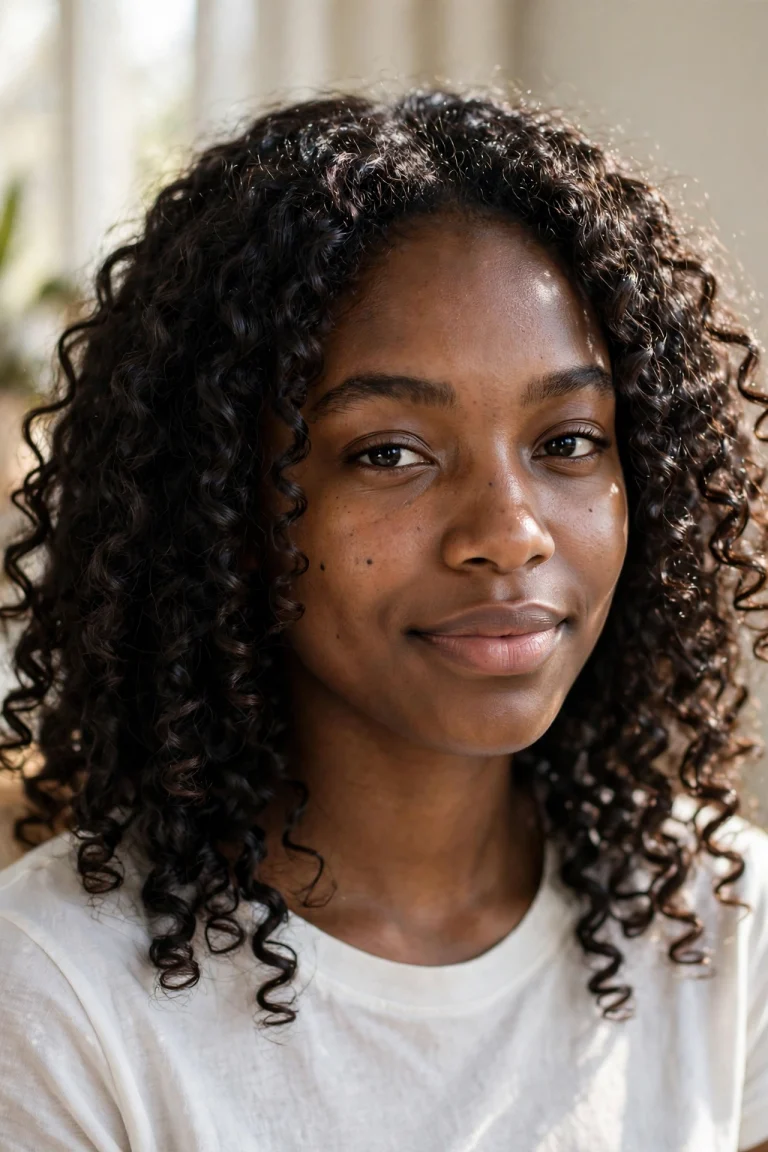
25 Curly Haircuts for Fine Curly Hair With Volume
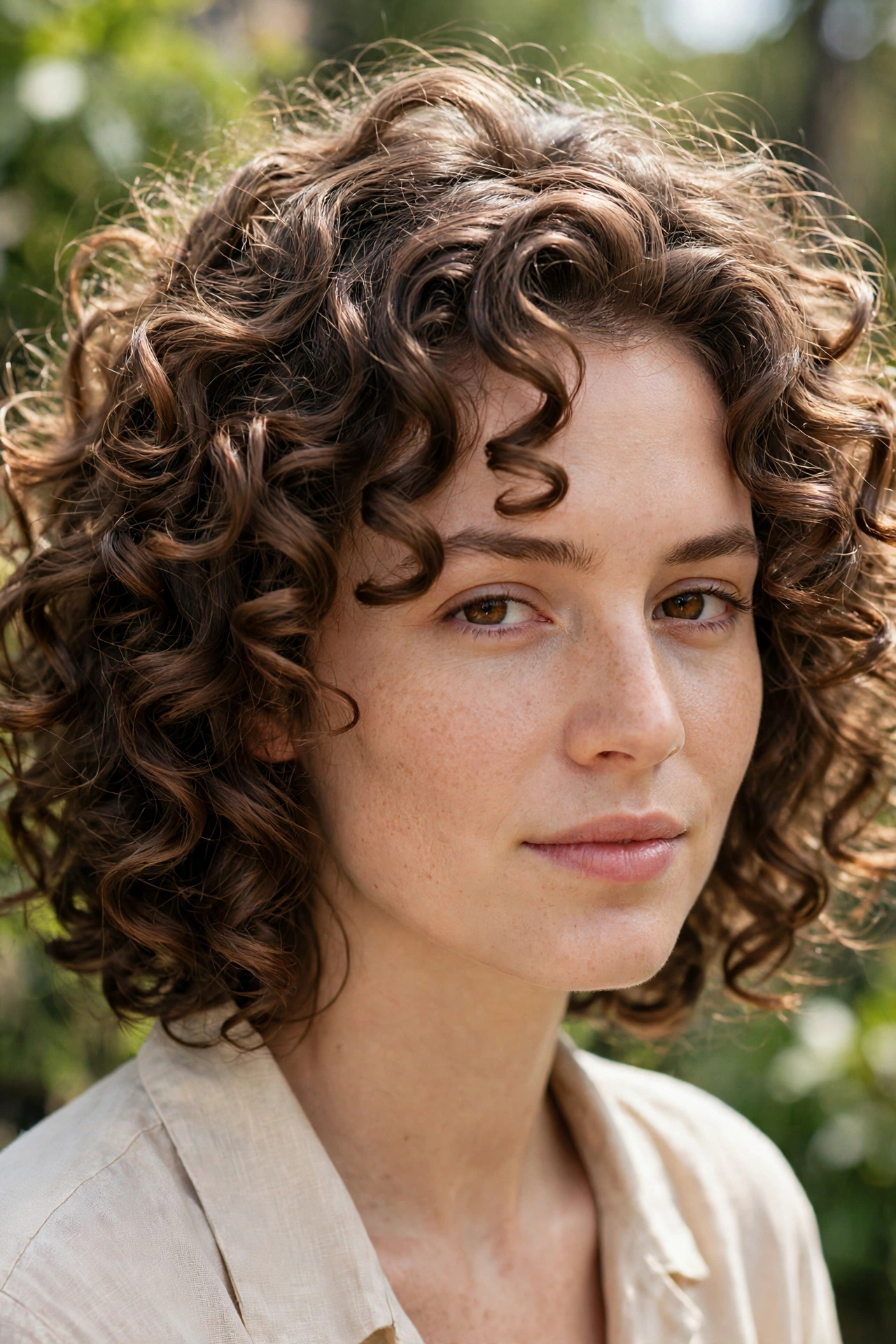
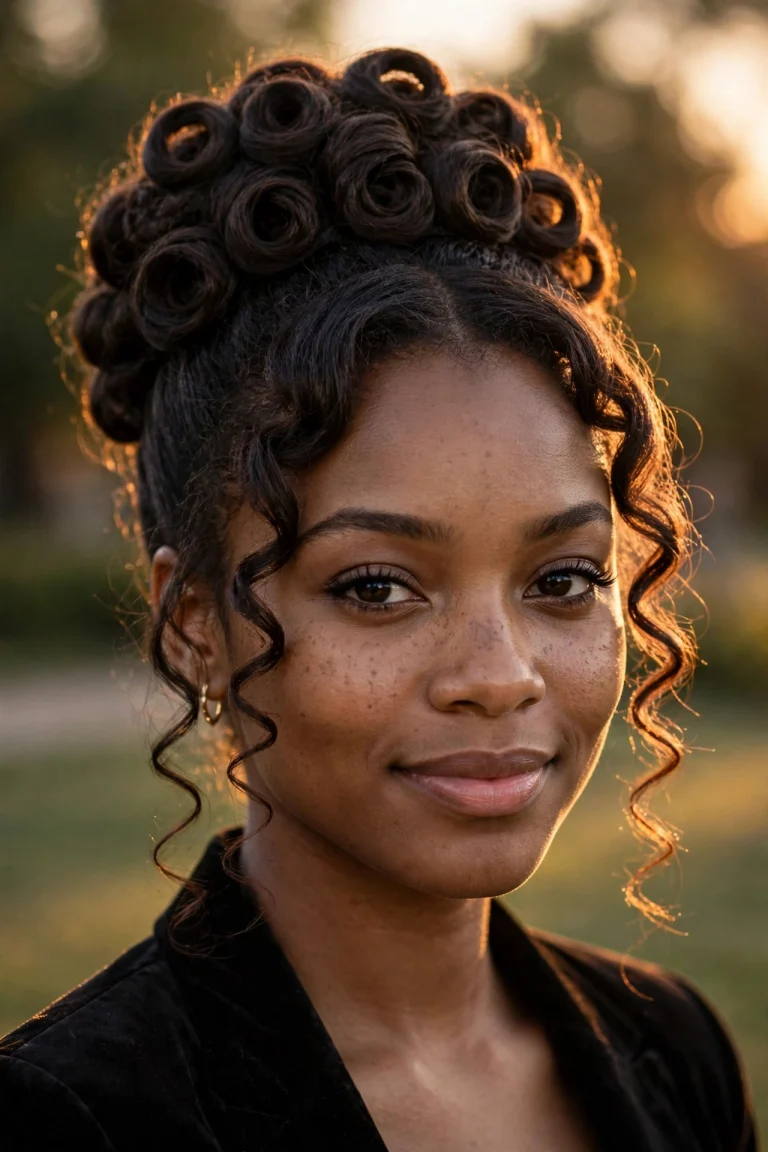
Fine curly hair has its own rules. The strands are thin, the density is low, and heavy layers or thinning shears can make it look sparser than it is, while the right cut makes the same hair look full, bouncy, and alive. Volume for fine curls comes from the shape of the cut: a strong perimeter, careful layer placement, and ends that stack into each other instead of tapering away. These 25 ideas are all about density first, with every cut framed by fineness and fullness rather than by length alone. Each one shows how a thoughtful cut gives fine curls the volume they deserve.
1. Curl-by-Curl Cut for Fine Curls
A curl-by-curl cut shapes fine curls one clump at a time, with the stylist cutting each curl dry and in its natural fall. The method respects how fine curls shrink and spring, so no curl ends up shorter than planned and the shape stays even. The result is a cut that looks full because every curl sits exactly where it belongs, with no gaps and no thin spots.
2. Blunt Baseline Bob for Fine Curls
A blunt baseline bob gives fine curls a strong, even perimeter, with the ends cut straight across so the hair reads as dense from the bottom edge up. The blunt line creates the illusion of thickness, since the eye sees a full edge rather than tapered, wispy ends. The curls above the baseline spring up with bounce, and the shape holds its fullness for weeks.
3. Light Invisible Layers for Fine Curls
Light invisible layers add movement to fine curls without removing visible bulk, with short layers hidden underneath the surface that lift the top. The layers are cut into the interior of the hair, so the outside keeps its full, even outline while the inside gains air and lift. The result is volume that looks natural and effortless, with no obvious layering lines.
4. Rounded Shape Cut for Fine Curls
A rounded shape cut builds fine curls into a soft, circular silhouette, with the fullest point at the crown and the sides curving gently inward. The rounded outline makes the hair look abundant, since the shape itself suggests fullness, and the curls stack into each other for density. The cut is shaped dry so the roundness follows the curl pattern exactly.
5. Fine Curl Pixie With Volume on Top
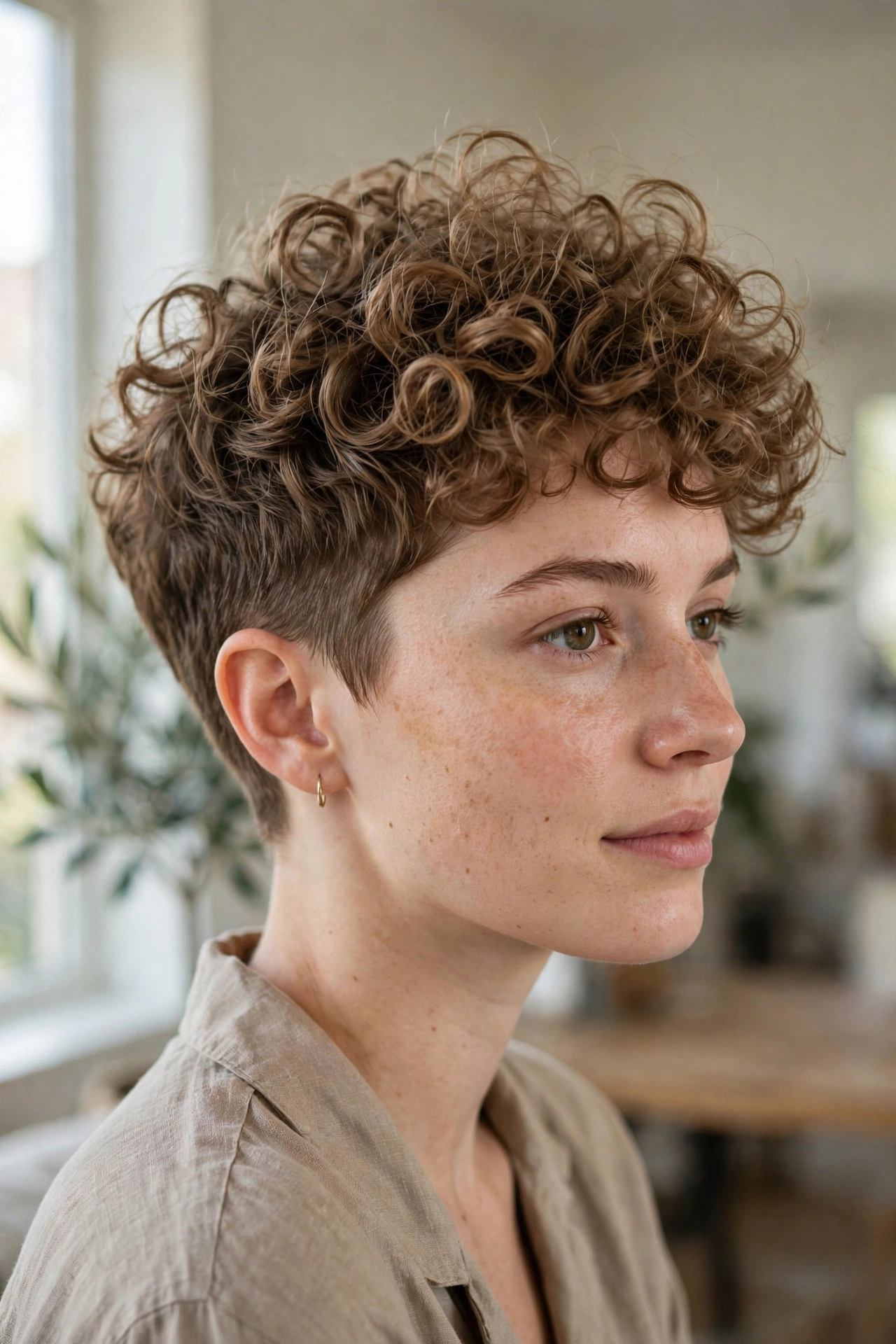
A fine curl pixie keeps the sides neat and close while leaving length and volume on top, so the style reads as full and deliberate. The top curls are cut to stack and spring upward, giving height that fine hair rarely shows, and the neat sides make the top look even fuller by contrast. The pixie needs almost no styling, since the cut itself creates the shape.
6. Fine Curl Lob With a Blunt Perimeter
A fine curl lob pairs shoulder-grazing length with a blunt, even perimeter, so the ends read as thick and full. The lob length shows off the curl pattern while the blunt edge keeps the bottom from looking thin, and the shape swings with movement. The cut is shaped to keep the ends dense, with only the lightest interior layering for lift.
7. Fine Curl Shag With Airy Ends
A fine curl shag uses light, airy layers through the top and crown to create movement and lift, while keeping the perimeter full enough to read as dense. The shag texture gives fine curls a lived-in, effortless feeling, and the layers at the crown create height that fine hair struggles to hold. The ends are kept soft rather than thinned, so the shape stays full.
8. Fine Curl Cut With Root-Lift Layers
A root-lift layer cut places short layers right at the crown, where they push the roots upward and create height at the top of the head. The lift comes from the cut itself, not from products or teasing, so the volume lasts all day and survives humidity. The rest of the hair keeps its full outline, and the crown layers blend invisibly into the shape.
9. Fine Curl Cut With Face-Framing Pieces
A fine curl cut with face-framing pieces uses shorter curls around the face to draw the eye forward and create the impression of fullness where it shows most. The framing pieces are cut to spring up and outward, opening the face and adding movement, while the rest of the hair keeps its dense shape. The pieces also soften the jawline and cheekbones, and they make the whole style look intentional.
10. Fine Curl Cut for 3A Loose Waves
A fine curl cut for 3A hair works with the soft, loose wave pattern, using a blunt perimeter and light interior layers to keep the waves from falling flat. The waves need the cut to give them body, since the pattern itself is too loose to create volume alone. The shape is kept rounded and even, with the ends dense enough to swing.
11. Fine Curl Cut for 3B Ringlets
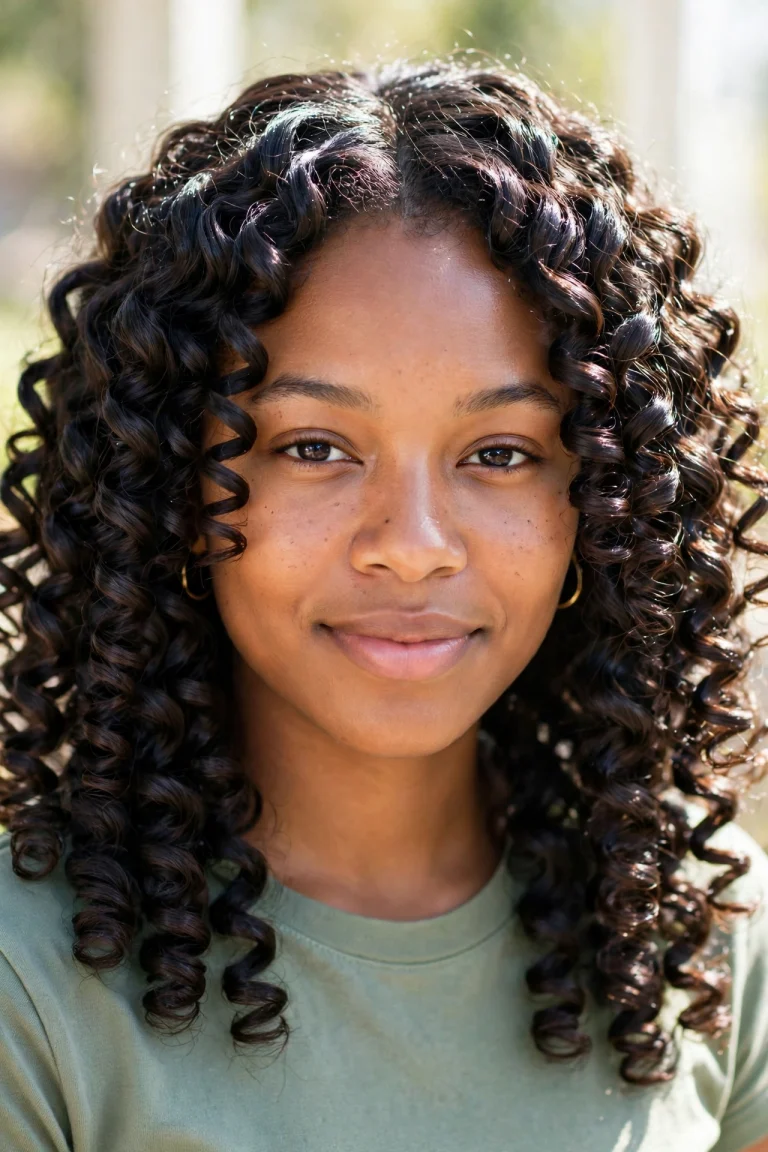
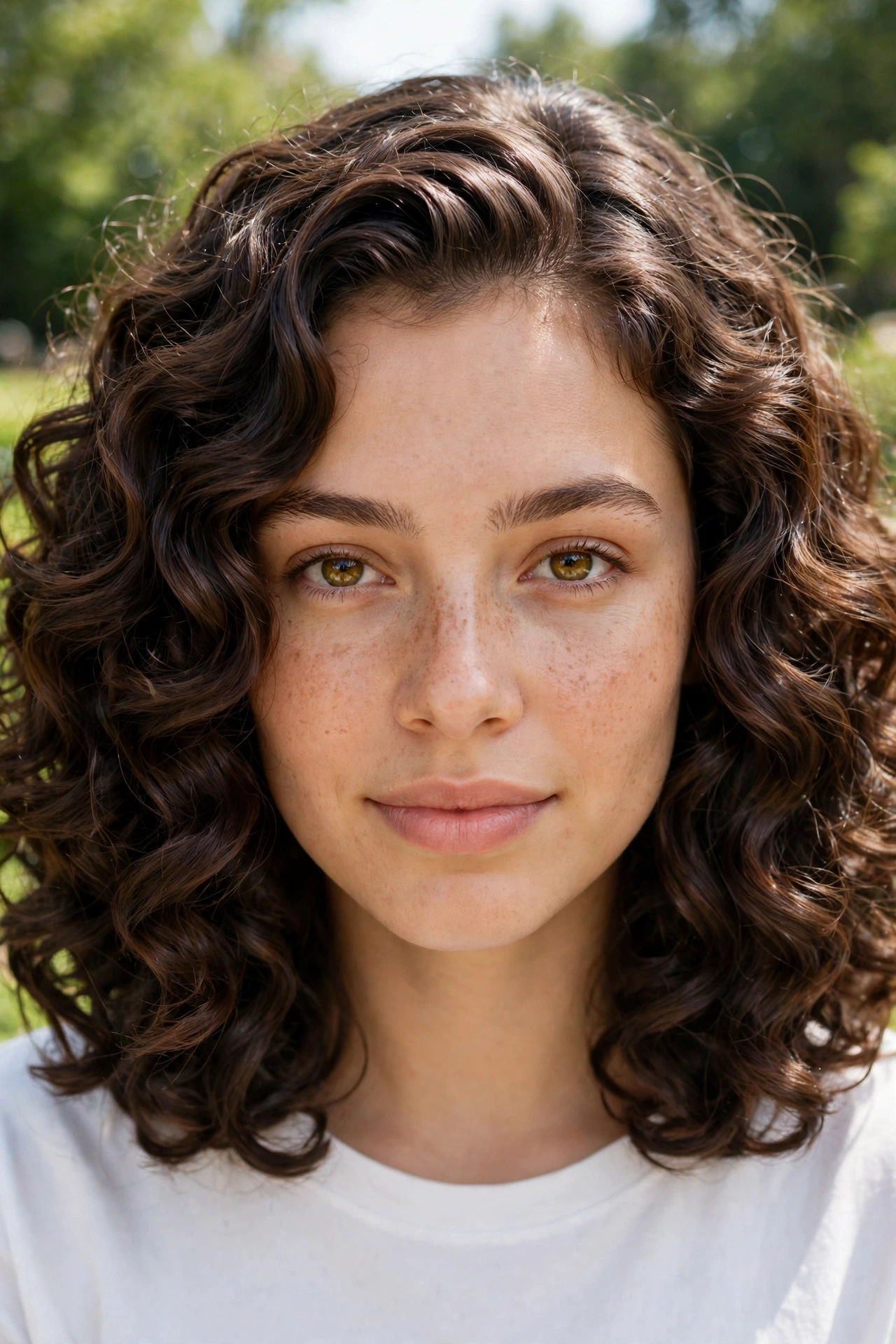
A fine curl cut for 3B hair shapes the springy ringlets into a rounded, full silhouette, with the cut following each ringlet’s natural spring. The ringlets provide the bounce, and the cut provides the density, with a blunt perimeter that keeps the ends looking thick. The shape is cut dry so the spring is measured exactly, and the result is a style that looks abundant.
12. Fine Curl Cut for 3C Corkscrews
A fine curl cut for 3C hair shapes the tight corkscrews into a dense, sculpted shape, with the cut keeping the perimeter strong so the tight curls stack into fullness. The corkscrews spring up naturally, and the cut channels that spring into a rounded, even silhouette. The ends are kept blunt and even, so the tight pattern reads as thick rather than sparse.
13. Fine Curl Cut for 4A Coils
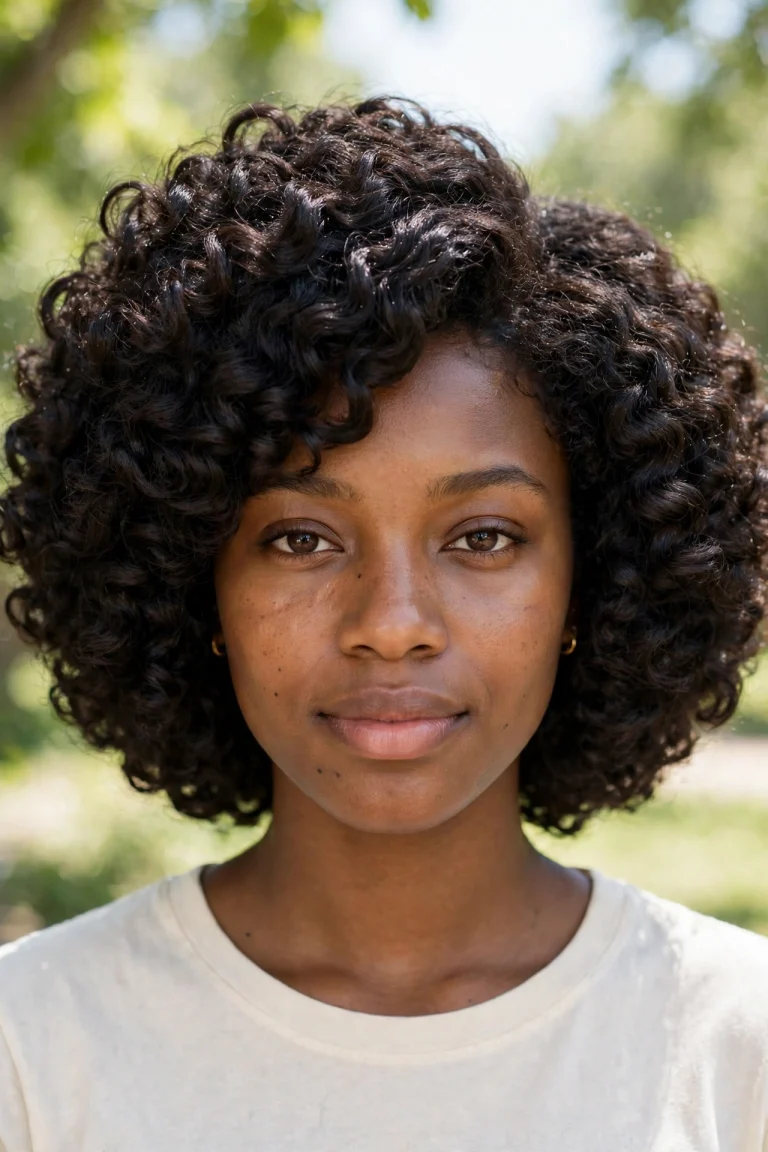
A fine curl cut for 4A hair shapes the small, springy coils into a full, rounded afro silhouette, with the cut keeping the outline strong and even. The coils provide the texture, and the cut provides the density, with a blunt perimeter that makes the shape read as abundant. The cut is shaped dry and in the coil pattern, so the silhouette follows the hair exactly.
14. Fine Curl Cut With a Side Part for Fullness
A fine curl cut with a side part uses the part to create instant volume, with the hair swept to one side so the roots lift and the crown looks fuller. The part is cut into the shape, with the heavier side given a strong perimeter and the lighter side kept neat. The asymmetry adds drama and height, and the part itself becomes a styling feature.
15. Fine Curl Cut With a Middle Part for Balance
A fine curl cut with a middle part gives the style perfect symmetry, with the curls falling evenly on both sides and the fullness balanced across the head. The center part keeps the look open and even, and it shows off the density of the cut at its most uniform. The shape is rounded and full on both sides, with no thin spots showing.
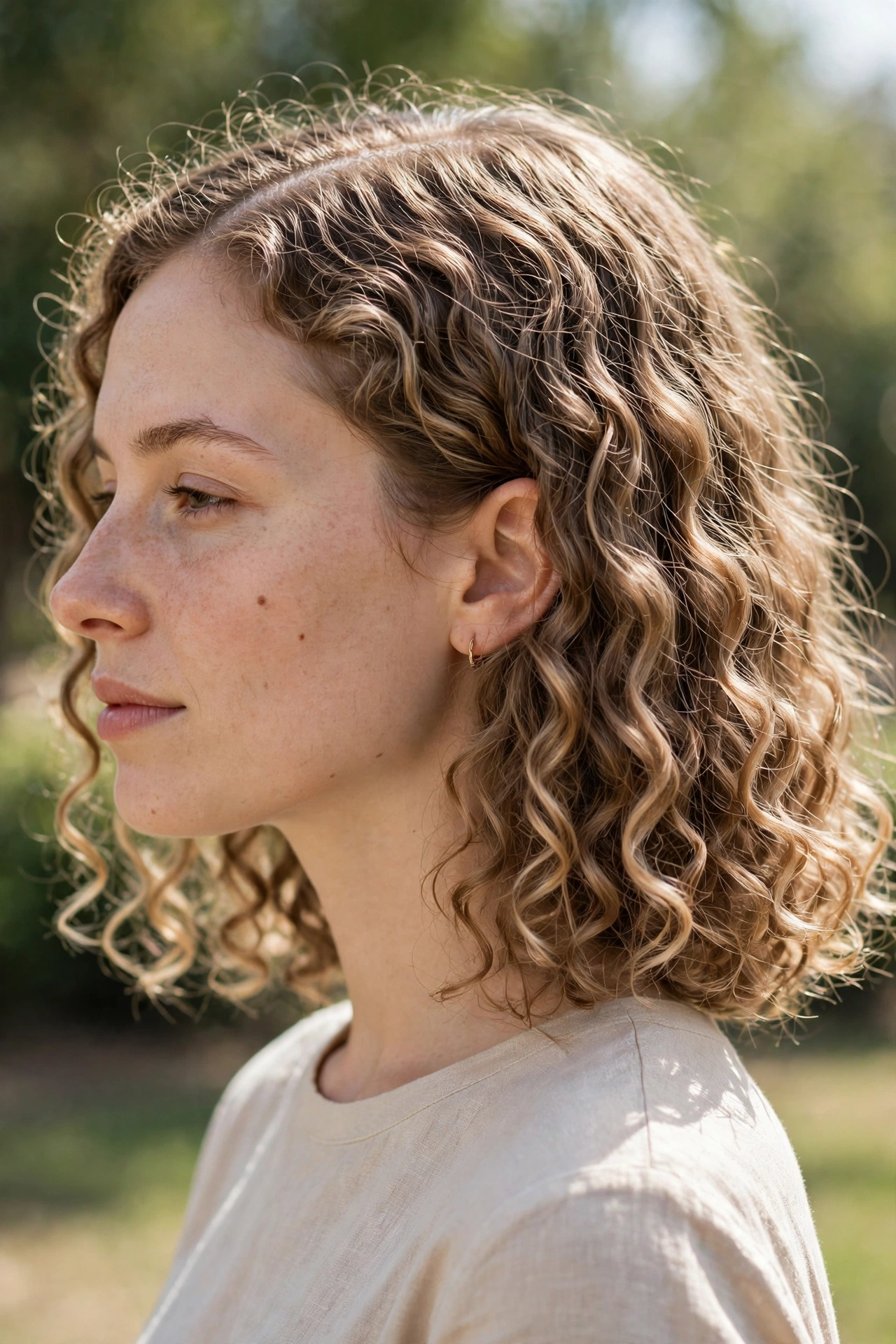
16. Fine Curl Cut With a Tapered Nape
A fine curl cut with a tapered nape keeps the back neat and close while leaving the crown and sides full, so the volume reads as intentional and sculpted. The taper gives the cut a clean outline, and the contrast between the neat nape and the full crown makes the top look even more abundant. The shape is sharp and modern, and it grows out cleanly.
17. Fine Curl Cut With a Diffuser-First Shape
A diffuser-first cut is shaped with the finished, diffused style in mind, so the volume the diffuser creates is built into the cut itself. The stylist cuts the hair dry and diffused, measuring the shape at its fullest, so the cut supports the volume instead of fighting it. The result is a style that looks full even on days when the diffuser stays in the drawer.
18. Fine Curl Cut for Wash-and-Go Volume
A wash-and-go volume cut is shaped so the curls fall into a full, defined shape with nothing but product and air drying. The perimeter is blunt, the interior layers are light, and the shape is rounded, so the wash-and-go dries into volume on its own. The cut does the work that products usually do, which means fewer products and faster mornings.
19. Fine Curl Cut With Micro-Trims for Density
A micro-trim routine keeps fine curls dense by removing only the very ends on a regular schedule, so the perimeter never gets thin or wispy. The tiny trims prevent split ends from traveling up and thinning the hair, and they keep the blunt edge that creates the illusion of thickness. The hair is trimmed every few weeks, just a fraction at a time, and the density is preserved.
20. Fine Curl Cut With a Soft Fringe for Fullness
A soft fringe cut adds fine curls across the forehead, which creates the impression of fullness right where the eye looks first. The fringe curls are cut to spring up and outward, opening the face and adding movement, while the rest of the hair keeps its dense shape. The fringe also balances a high forehead and softens strong features.

21. Fine Curl Cut for Second-Day Body
A second-day body cut is shaped so the curls keep their volume on day two and three, with a perimeter and layer structure that resists flattening overnight. The shape is built to be refreshed with a shake and a mist, rather than needing a full restyle, and the density of the cut keeps the style looking full even as the definition softens. The cut works with the refresh routine instead of against it.
22. Fine Curl Cut With a Defined Outline
A defined outline cut gives fine curls a crisp, visible shape, with the perimeter cut cleanly so the silhouette reads as deliberate and full. The outline is shaped dry, following the curl pattern, so the finished shape is even and intentional from every angle. The defined edge makes the hair look thicker, since the eye follows a strong line rather than a wispy one.
23. Fine Curl Grow-Out Cut
A grow-out cut for fine curls is planned so the shape stays full and flattering at every stage of growth, with the perimeter and layers positioned to age gracefully. The cut avoids shapes that collapse as they grow, and it builds in enough structure that the hair looks intentional for months. Regular micro-trims keep the edge dense, and the shape evolves slowly rather than falling apart.
24. Fine Curl Cut for Humidity-Prone Days
A humidity cut for fine curls is shaped to hold its volume when the air turns damp, with a strong perimeter and interior layers that resist swelling. The shape is kept compact and rounded, so humidity has less surface to attack, and the ends are blunt enough to stay dense when the curls expand. The cut works with a light hold product to seal the shape.
25. Fine Curl Cut With a Density-First Consultation
A density-first consultation starts the cut with a conversation about strand thickness, density, and shrinkage, so the stylist plans the shape around what the hair actually is. The consultation covers how the curls spring, where the thin spots are, and how much volume the hair can hold, and the cut is designed from those answers. The result is a cut that fits the hair instead of fighting it, and a client who understands how to maintain it.
Styling Tips
- Ask for the cut to be shaped dry, since wet fine curls shrink and spring unpredictably when they dry.
- Keep the perimeter blunt and even, which is the single most effective volume trick for fine hair.
- Avoid thinning shears on fine curls, since removing bulk from already fine hair makes it look sparser.
- Use lightweight products, since heavy creams pull fine curls flat and erase the volume the cut created.
- Diffuse on low heat with the head flipped forward, which lifts the roots while the curls set.
- Get micro-trims regularly, so the ends stay dense and the blunt edge never thins out.
- Refresh with a light mist and a shake at the roots, which brings back volume without weighing the curls down.
Frequently Asked Questions
Q: Does layering help or hurt fine curly hair? A: It depends on the layering: light, invisible interior layers help by adding lift without removing visible bulk, while heavy, obvious layers hurt by thinning the outline. The key is keeping the perimeter strong and full, with the layers hidden inside where they create lift. A stylist who understands fine curls will layer for lift, not for removal.
Q: Should fine curly hair be cut wet or dry? A: Dry is best, since fine curls shrink and spring as they dry, and a wet cut can end up much shorter and thinner than planned. A dry cut lets the stylist see each curl’s true length and shape, and the silhouette is measured at its real volume. If the salon cuts wet, ask for a dry check and refinement before finishing.
Q: How often should fine curly hair be trimmed? A: Every eight to twelve weeks for a full trim, with micro-trims every four to six weeks to keep the perimeter dense. Fine hair shows split ends and thinning faster than thick hair, so regular small trims preserve the blunt edge that creates volume. Waiting too long between trims lets the ends taper and thin, which undoes the cut’s work.
Q: Can fine curly hair hold volume without product? A: Yes, when the cut is doing the work: a blunt perimeter, a rounded shape, and root-lift layers create volume structurally. Product helps, but a well-cut head of fine curls looks full even with minimal styling. The cut is the foundation, and product is the finishing touch, not the other way around.
Q: Is a fringe a good idea for fine curly hair? A: Yes, when it is cut soft and curly, since fringe curls create fullness right at the face and draw the eye forward. A fringe that is cut too short or too thin can look sparse, so it should be cut with the curl pattern in mind and kept full. The fringe also balances the face and makes the whole style look more abundant.