
22 Long Hair Dusting Trims for Split-End Care

Dusting is the gentlest trim of all: instead of cutting off length, your stylist snips only the very tips, removing split ends and wispy damage while your length stays exactly where it is. For long hair, regular dusting is the secret to growing longer, healthier hair without the dreaded big chop. These twenty-two dusting approaches show how tiny, precise trims can transform the health and look of long hair.
1. Classic End Dusting for Length Keepers
Classic end dusting removes just a few millimetres from the very tips, taking split ends with it while preserving every centimetre of length. It is the dusting method to choose if growing your hair longer is your main goal. Done every eight to ten weeks, it keeps ends healthy without any visible shortening.
2. Dusting for Feathered Split Ends
Feathered split ends, where the tip splits into several fine strands, respond beautifully to careful dusting. The stylist trims just above each split, so the feathered look disappears and the end becomes solid again. This method is especially useful for hair that has been heat-styled often.
3. Long Hair Dusting With a Healthy Perimeter Reset
A perimeter reset dusts the entire bottom edge evenly, restoring a clean, solid outline to long hair. Even though only millimetres are removed, the edge instantly looks thicker and healthier. This is ideal when the bottom edge has gone thin and straggly.
4. Dusting for Dry, Brittle Tips
Dry, brittle tips snap easily and travel upward if left alone, so dusting them promptly stops damage from spreading. The trim removes the driest, most fragile millimetres while leaving the healthier hair above untouched. Follow with a deep-conditioning mask to restore moisture to the remaining ends.
5. Micro-Dusting for Fine Long Hair
Fine long hair shows split ends quickly, but it also cannot afford to lose length, so micro-dusting is perfect. Only the very finest, damaged tips are removed, strand by strand where needed. The result is fuller-looking fine hair with no noticeable loss of length.
6. Dusting for Thick Long Hair Ends
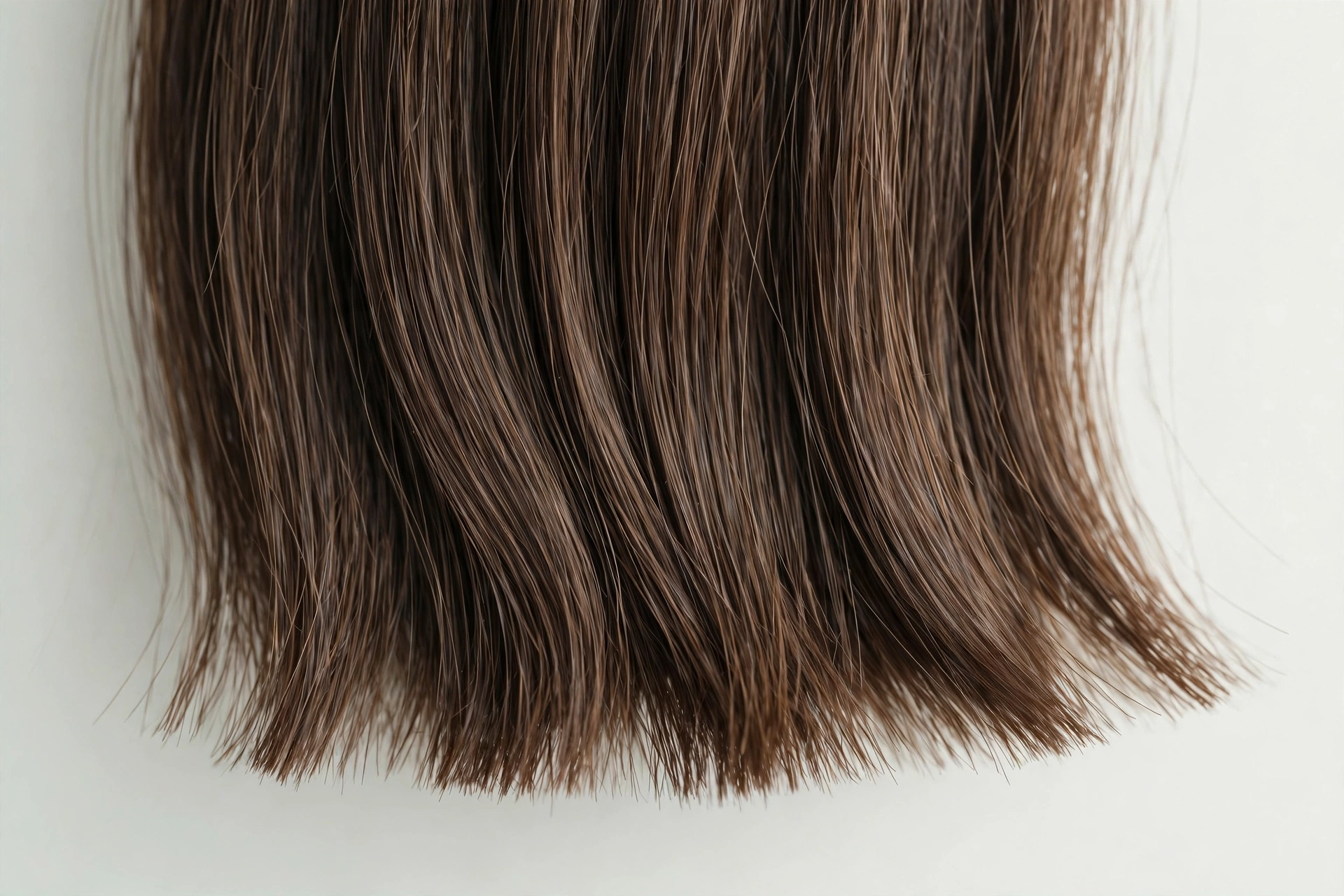
Thick long hair can hide split ends inside its bulk, so dusting for thick hair involves sectioning carefully to reach every layer. Each section’s tips are dusted, which keeps the whole head of hair healthy, not just the visible outer layer. This thorough approach prevents hidden damage from spreading.
7. Dusting to Remove White Dot Ends
White dots at the ends of hair strands are early signs of breakage, and dusting removes them before they become full splits. Your stylist will look for these tiny dots under good light and trim just above them. Catching white dots early is one of the best ways to preserve long hair.
8. Dusting for Colour-Treated Long Hair
Colour-treated hair is more prone to split ends, especially at the tips where colour has built up over time. Dusting removes the most colour-damaged tips while keeping the colour and length you love. Pair dusting with a colour-safe mask to keep the remaining hair vibrant and strong.
9. Dusting for Heat-Damaged Long Hair
Heat damage often concentrates at the ends, where hair has endured the most straightening or curling. Dusting trims away the most heat-weakened tips, giving the hair a fresh start without losing length. Reducing heat and always using protectant will keep new ends healthier.
10. Dusting With a Split-End Search Method
In a split-end search, the stylist works through small sections, twisting them gently so split ends stick out and can be snipped individually. This is the most precise dusting method, though it takes longer. It is worth it for very long hair where preserving every strand matters.

11. Dusting for Long Layers Without Shortening Them
Layered long hair needs dusting on each layer’s ends, not just the bottom edge, to keep every layer healthy. The stylist dusts each layer’s tips individually, so no layer gets shorter in any noticeable way. This keeps layered cuts looking intentional as they grow.
12. Dusting for Wavy Long Hair Tips
Wavy hair’s ends can split in ways that disrupt the wave pattern, making waves look frizzy at the tips. Dusting wavy ends restores a clean wave shape, since each wave can now end in a healthy tip. Dust wavy hair when it is dry and in its natural pattern for the most accurate trim.
13. Dusting for Curly Long Hair Tips
Curly ends need dusting curl by curl, since each curl springs to a different length. The stylist trims each curl’s tip individually, preserving the curl pattern while removing splits. This careful method keeps long curly hair healthy without altering its shape.
14. Dusting for Straight Long Hair Tips
Straight hair shows split ends more obviously than textured hair, because there are no waves or curls to hide them. Dusting straight ends restores a clean, sharp edge that reflects light beautifully. Regular dusting is especially important for straight long hair that aims for shine.
15. Dusting as a Growth-Protection Routine
Think of dusting as growth protection: by removing splits before they travel up the strand, you prevent breakage that would otherwise force a larger cut later. Regular dusting actually helps you reach longer lengths faster. Schedule it every eight to twelve weeks as part of your growth plan.
16. Dusting for Long Hair After Bleaching
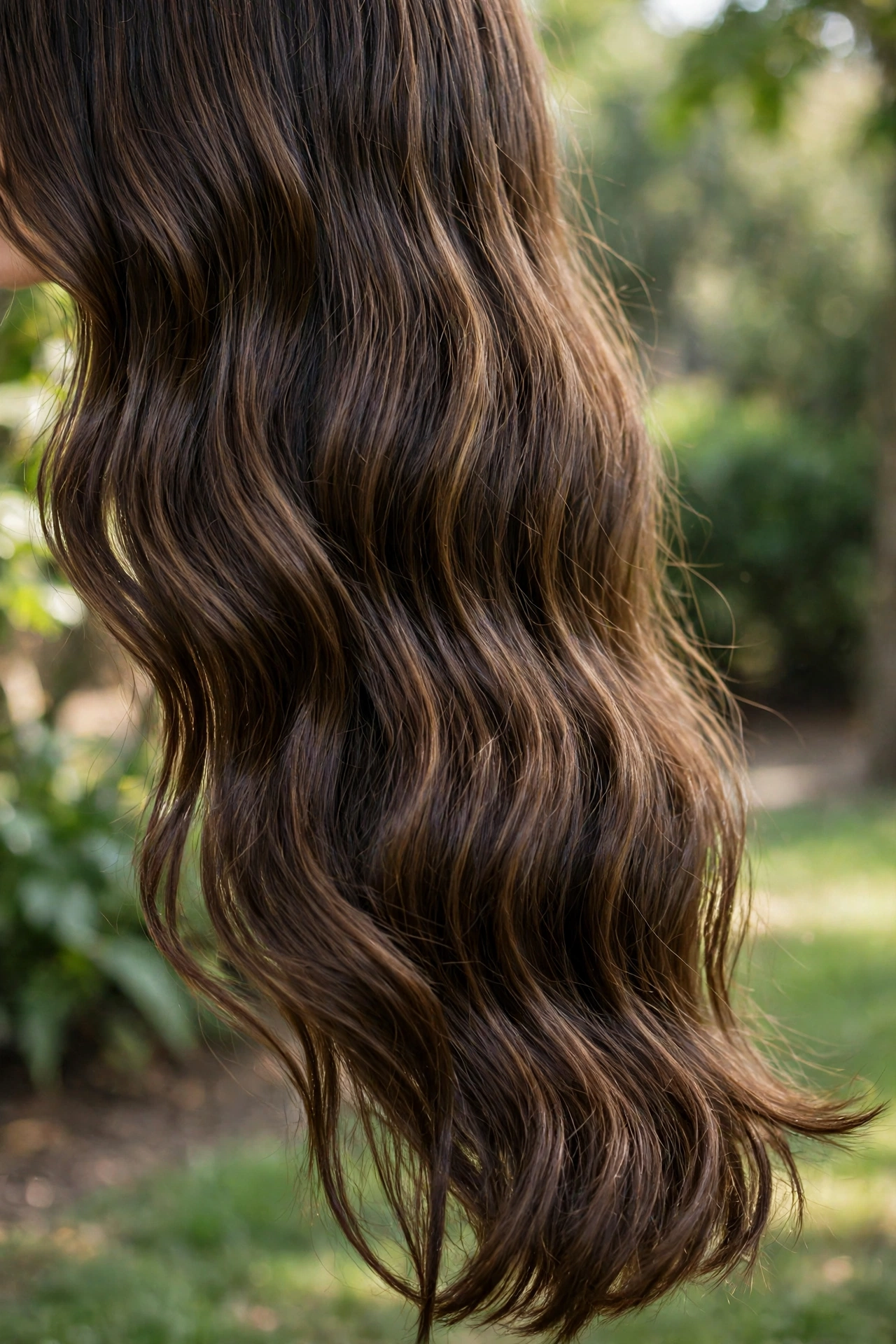
Bleached long hair is fragile at the ends, where bleach has been applied most often. Gentle dusting removes the weakest bleached tips while preserving the colour and length. Follow with bond-building treatments to strengthen the remaining bleached hair.
17. Dusting for Seasonal Split-End Care
Seasonal changes, especially winter dryness and summer sun, can increase split ends on long hair. A seasonal dusting routine, timed for the start of each season, keeps ends healthy year-round. It is a simple habit that prevents seasonal damage from accumulating.
18. Dusting for Long Hair With Bangs or Framing
When long hair has a fringe or face-framing pieces, those shorter pieces also need dusting, since they are styled more often and split faster. Dusting the fringe and framing tips keeps them soft and healthy alongside the lengths. This detail makes the whole cut look fresher.
19. Dusting for Ponytail and Updo Wearers
Hair worn up daily often splits at the points where ties grip it, as well as at the ends. Dusting addresses both the ends and any mid-length weak points caused by tension. Varying your updo position also helps prevent repeated stress in the same spot.
20. Dusting for Long Hair Between Full Cuts
Between full haircuts, dusting is the perfect maintenance step: it keeps ends healthy without changing the cut’s shape or length. You can dust several times between reshaping appointments. This approach suits people who love their current cut and simply want to maintain it.

21. Dusting With a Moisture-Sealing Finish
After dusting, sealing the freshly cut ends with a light oil or serum protects them from splitting again quickly. The fresh cut is smooth, and sealing locks in moisture at the vulnerable tip. This finishing step extends the benefit of every dusting appointment.
22. Dusting for Long Hair Recovering From Damage
If your long hair is recovering from damage, dusting is gentler and more encouraging than a big cut. Small, regular dustings gradually remove damage while you keep most of your length. Over several months, the hair becomes progressively healthier without a dramatic chop.
Styling Tips
- Book dusting every eight to twelve weeks, before splits have a chance to travel up the hair shaft.
- Tell your stylist clearly that you want dusting, not a trim, and confirm how little will be removed.
- Use heat protectant every time you heat-style, since heat is a leading cause of split ends on long hair.
- Detangle gently from the ends upward with a wide-tooth comb, never forcing through knots.
- Apply a lightweight oil or serum to the ends daily to keep them moisturised and less prone to splitting.
- Sleep on a silk pillowcase and avoid tight ties overnight to reduce friction and breakage at the ends.
- Deep-condition weekly if your hair is dry, colour-treated, or heat-styled, focusing product on the ends.
- Avoid brushing wet hair aggressively, as wet hair is more elastic and breaks more easily at the tips.
Frequently Asked Questions
What is the difference between dusting and a regular trim?
Dusting removes only a few millimetres from the very tips, specifically to take off split ends, while a trim usually removes a centimetre or more and may reshape the cut. Dusting preserves length almost completely. It is ideal when your goal is growth or maintenance rather than restyling.
How often should long hair be dusted?
Every eight to twelve weeks is a good rhythm for most long hair, though very damaged or heat-styled hair may benefit from dusting every six to eight weeks. Regular dusting prevents splits from travelling upward and causing more breakage. Your stylist can advise based on your hair’s condition.
Will dusting make my hair shorter?
No, not noticeably. Dusting removes such a tiny amount that your length looks and feels the same, but your ends look healthier and thicker. If length preservation matters to you, dusting is the safest maintenance option.
Can I dust my own hair at home?
You can, with sharp hair scissors and good light, by twisting small sections and snipping only the split tips that stick out. However, a professional dusting is more thorough and even, especially at the back. Never use regular household scissors, which can cause more splitting.
Does dusting help hair grow longer?
Yes, indirectly. Dusting does not make hair grow faster from the scalp, but it prevents breakage and splitting that would otherwise force larger cuts. By preserving length and keeping ends healthy, dusting helps you actually retain the growth you achieve.