28 Long Hair Trims for Healthy Growth
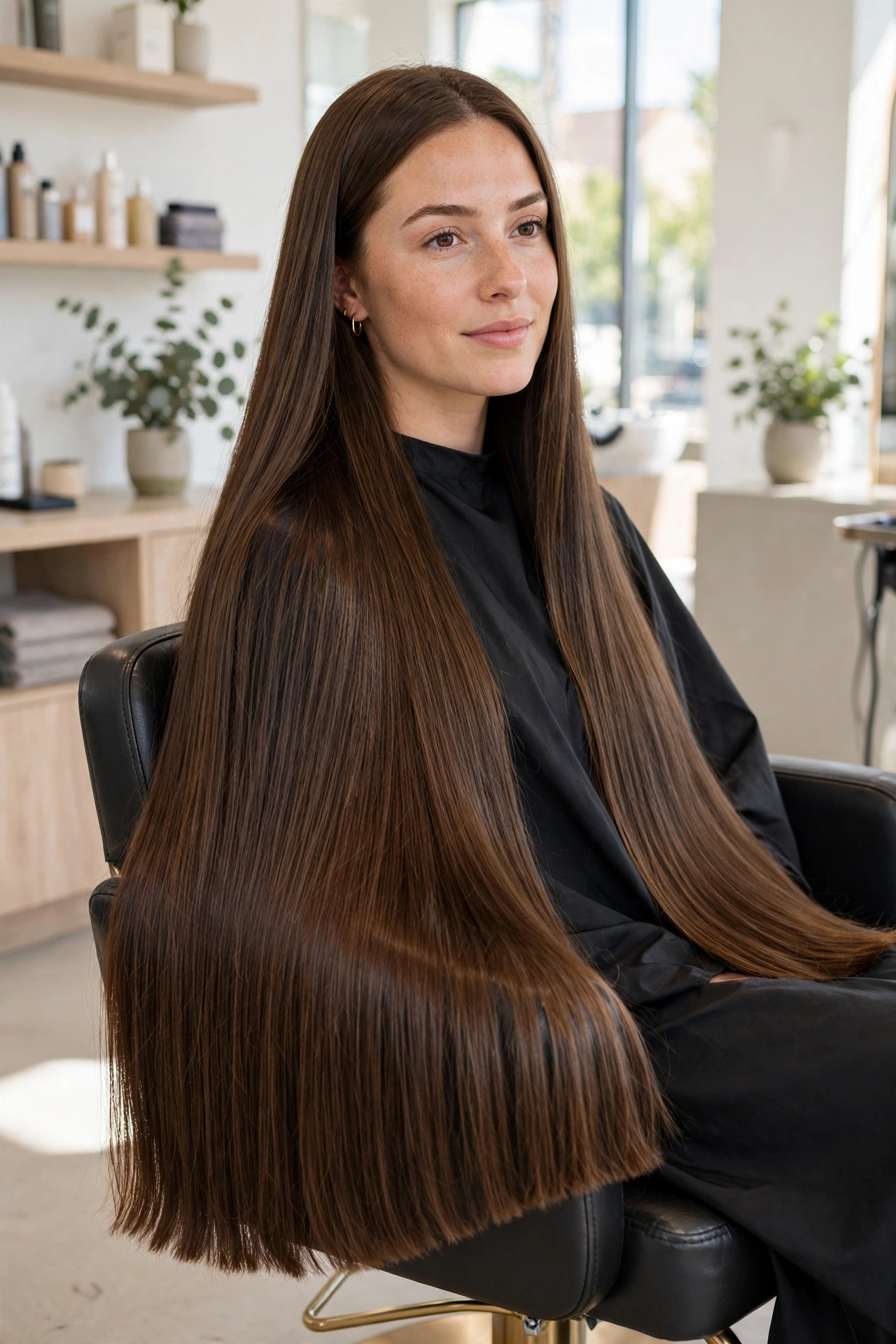
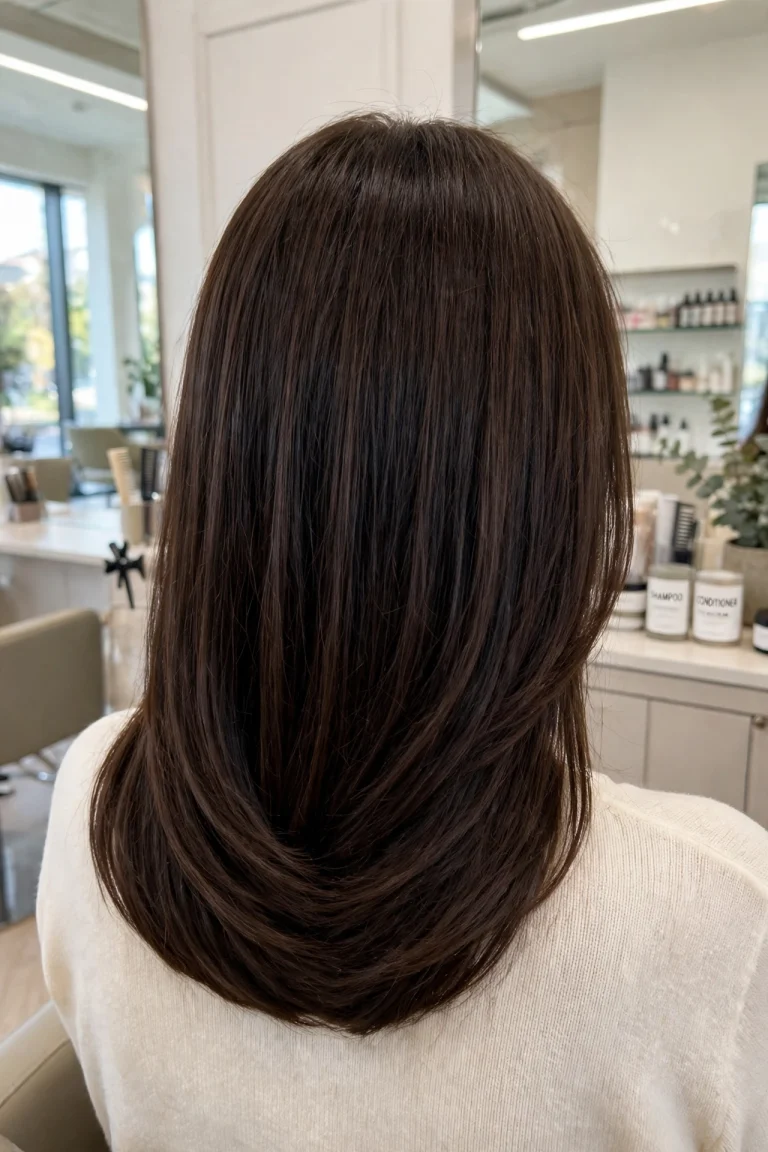
Growing long hair is not about avoiding the salon, it is about trimming smart. The right trim removes damage before it travels up the strand, so your hair can actually keep its length. These twenty-eight trims are all designed to protect growth.
1. The Classic Dusting Trim
Dusting takes off only a few millimetres, just enough to remove split tips without losing visible length. It is the perfect trim for anyone who is afraid of losing progress.
2. The Half-Inch Maintenance Trim
Half an inch every couple of months keeps ends healthy while still allowing noticeable growth over the year. It is the most popular maintenance schedule for long hair.
3. The One-Inch Refresh Trim
When ends feel rough or tangled, a full inch resets them completely. You still keep most of your length, but the hair immediately looks and feels healthier.
4. The Split-End Search-and-Destroy Trim
This technique targets individual split ends strand by strand, preserving length everywhere else. It takes patience, but it is ideal between regular trims.
5. The Blunt Hem Refresh Trim
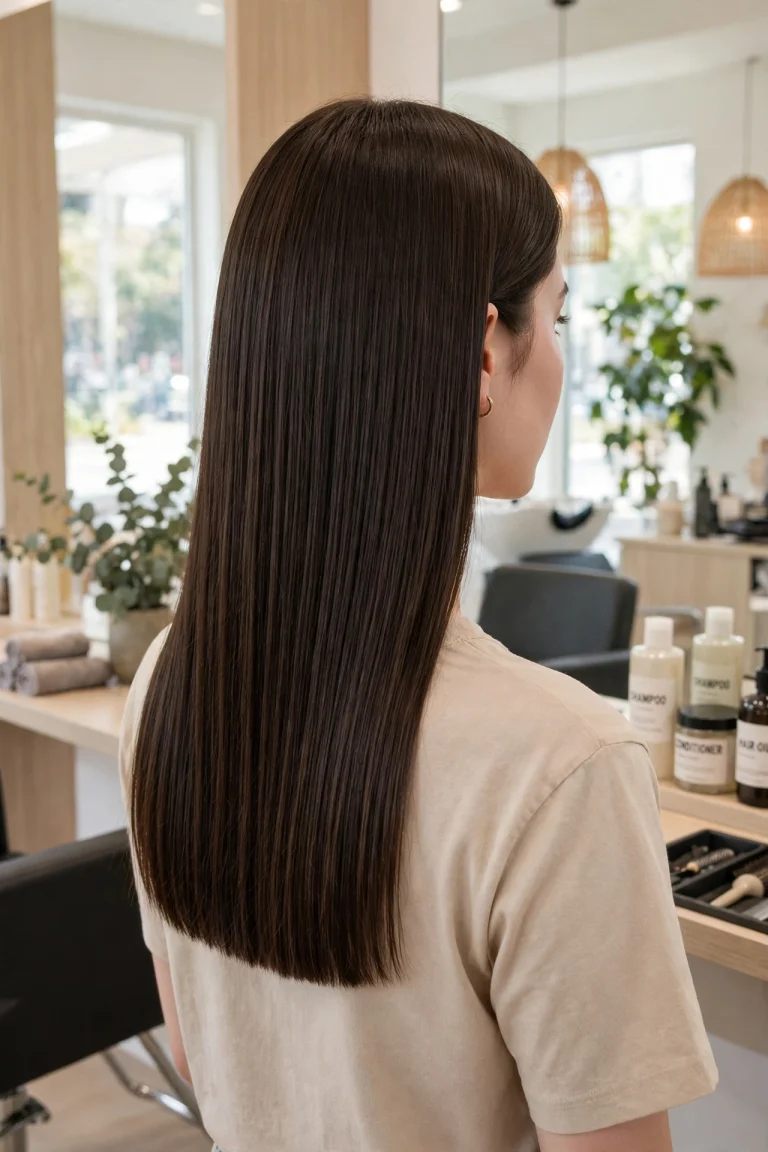
A blunt hem trim re-establishes one clean line across the ends, removing any thinning or fairy-tale tips. It makes long hair look instantly thicker.
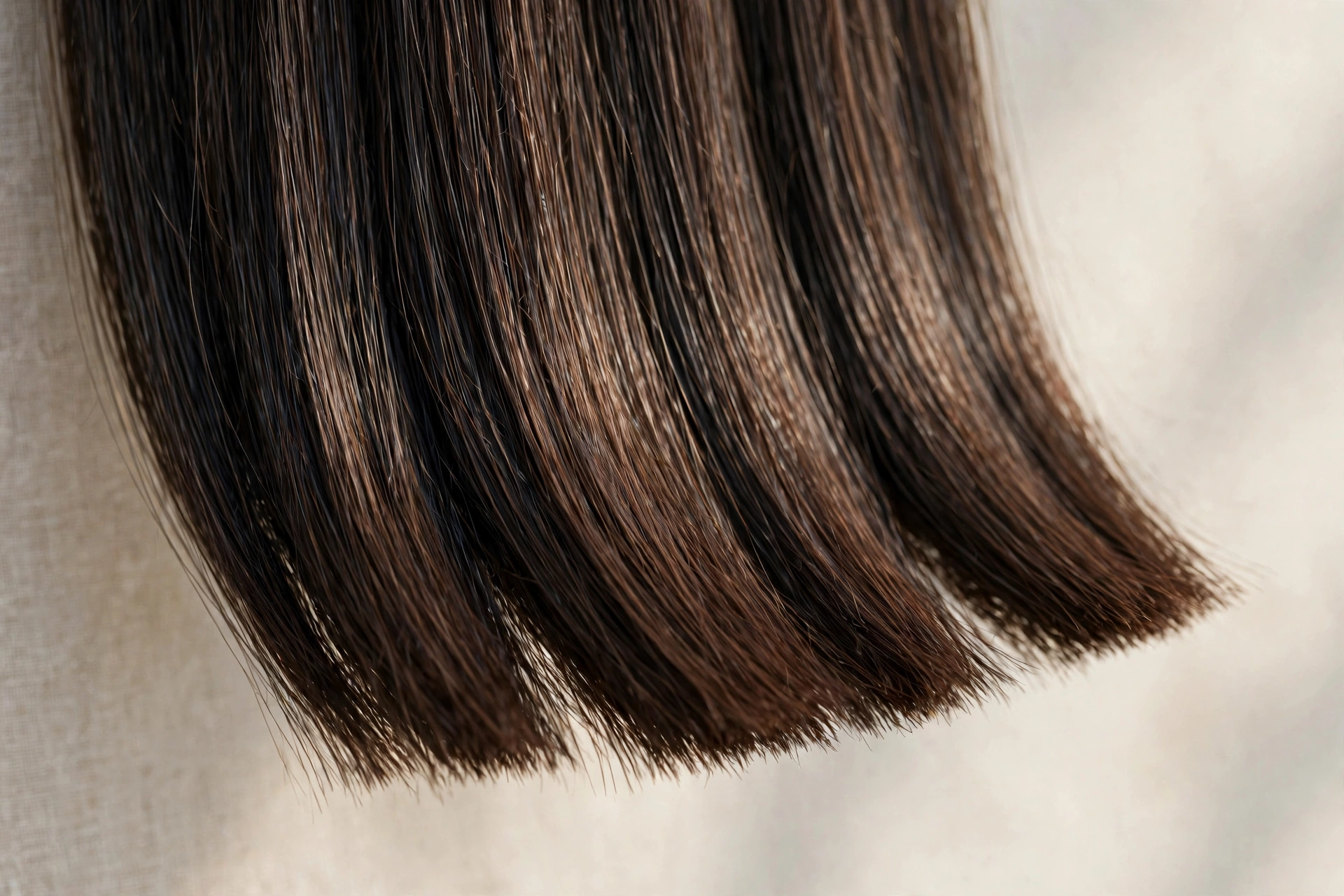
6. The U-Shaped Hem Refresh Trim
This trim restores the gentle U curve at the back, keeping the centre long and the sides softly rounded. It is the maintenance trim for U-shaped cuts.
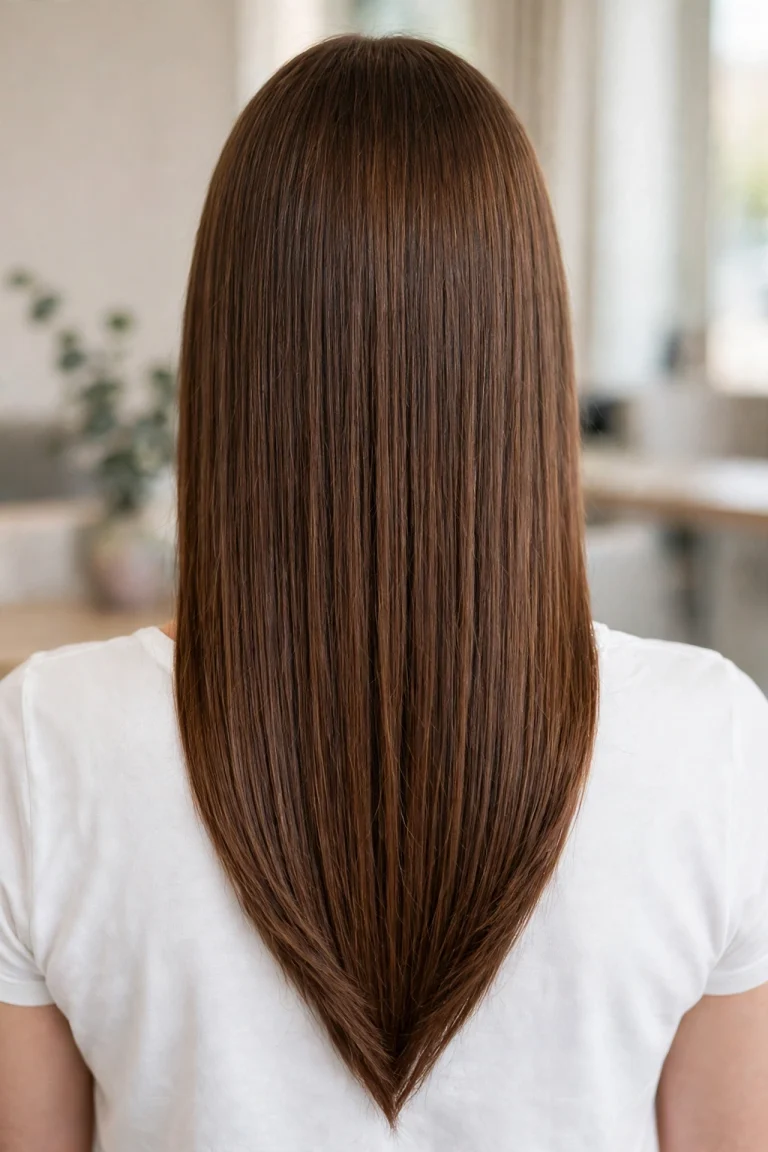
7. The V-Shaped Hem Refresh Trim
A V trim reshapes the point at the back and cleans up the angled sides. It keeps the dramatic silhouette while removing damaged tips.
8. The Micro-Trim Every Eight Weeks
Micro-trims are tiny, frequent cuts that stop splits before they start. Over a year, you lose very little length but gain much healthier ends.
9. The Seasonal Growth Trim
A trim at the start of each season clears the damage of the last few months, whether from sun, cold, or heat styling. It keeps growth steady all year round.
10. The Post-Colour Recovery Trim
After colouring, a light trim removes the most stressed ends and helps the colour look fresher. It is a smart step after any chemical service.

11. The Post-Heat Recovery Trim
If heat styling has left ends dry or brittle, this trim cuts back to healthy hair. Pair it with a break from hot tools for the best recovery.
12. The Post-Summer Recovery Trim
Sun, salt water, and chlorine all wear down long ends over summer. A post-summer trim removes that damage before it travels further up.
13. The Post-Winter Recovery Trim
Cold air and indoor heating dry out long hair through winter. A trim in early spring clears the driest ends and prepares the hair for growth.
14. The Curly Hair Dusting Trim
Curly hair is dusted curl by curl, in its natural dry state, so the shape is preserved. This avoids the uneven results of trimming curls while wet and stretched.
15. The Wavy Hair Shape Trim
This trim reshapes wavy hair so the waves fall evenly, removing weight from the ends where waves tend to collapse. The natural pattern looks more defined afterwards.
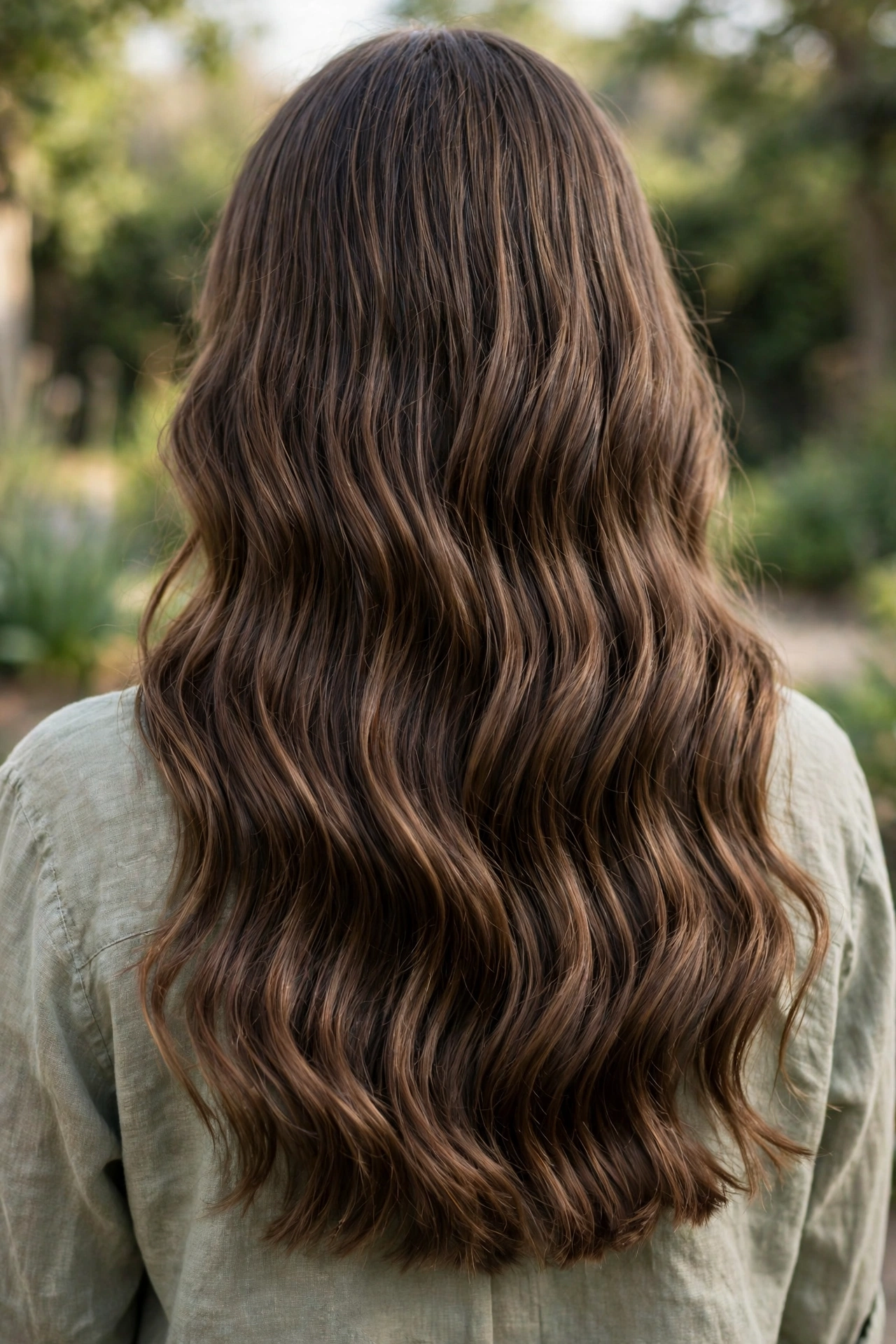
16. The Coily Hair Shape Trim
Coily hair is trimmed to maintain its rounded shape while removing damaged ends. Cutting in its natural state ensures the shape holds once dry.
17. The Fine Hair Density Trim
For fine hair, this trim focuses entirely on keeping the ends dense and even. No layering is added, so no fullness is lost.
18. The Thick Hair Weight-Balancing Trim
Thick hair is trimmed with light interior shaping, so the weight stays balanced as it grows. It prevents the heavy, triangular shape thick hair can develop.
19. The Face-Frame Refresh Trim
Only the front pieces are trimmed, which refreshes the whole look without touching the back length. It is a quick appointment that makes a big difference.
20. The Fringe-and-Hem Combo Trim
The fringe and the hem are trimmed in one visit, keeping both lines sharp and the whole cut cohesive. It is efficient and keeps the style balanced.
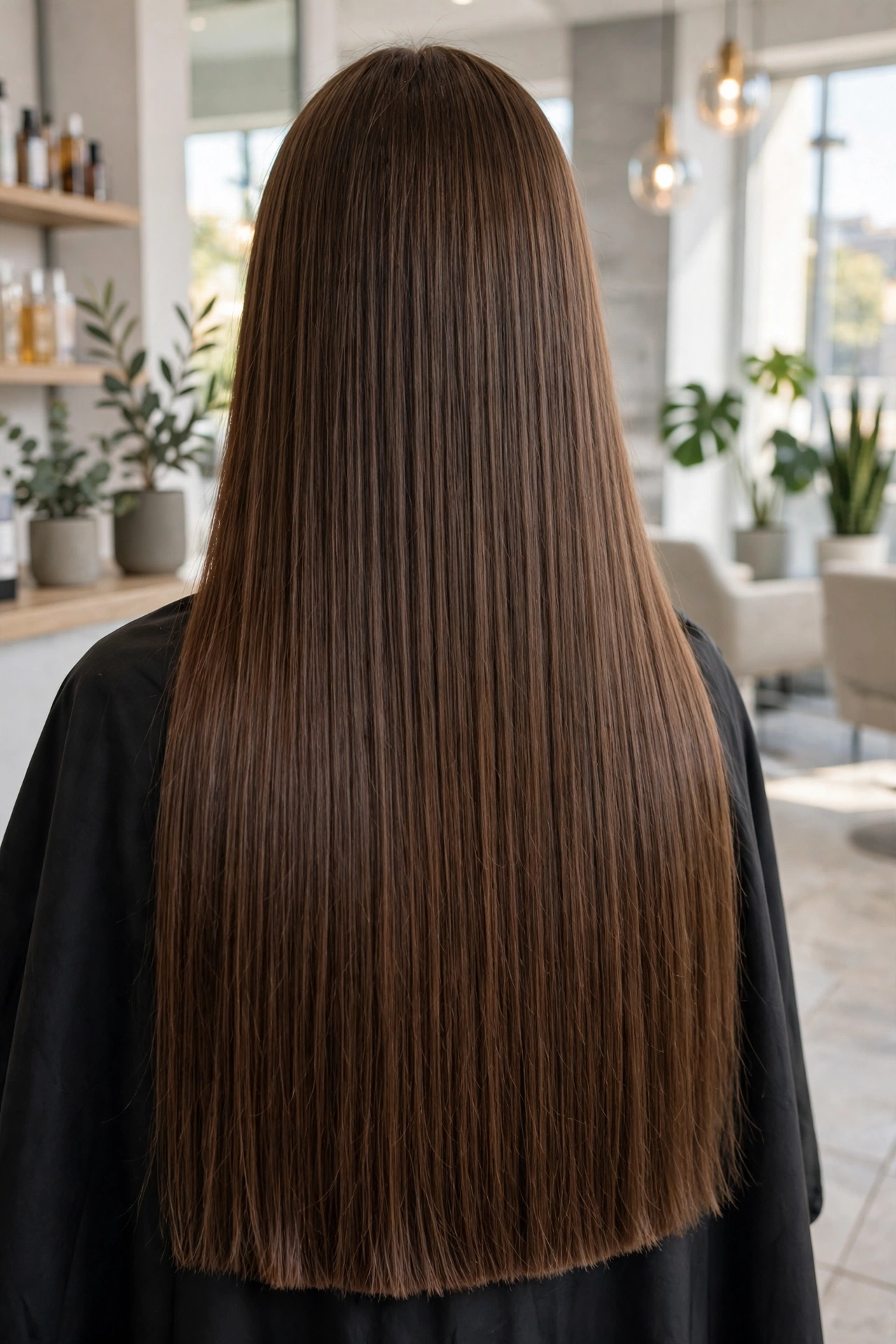
21. The Long Layers Refresh Trim
Long layers are lightly reshaped so they keep their movement without getting shorter. The overall length stays, but the layers look intentional again.
22. The Blunt-to-Soft Ends Trim
This trim softens a blunt hem just slightly, removing any harsh or damaged tips. It is a gentle transition if your blunt cut has grown out unevenly.
23. The Protective Grow-Out Trim
Designed for hair being grown from a shorter cut, this trim blends uneven sections while protecting new length. It smooths the awkward stages of growing out.
24. The Breakage-First Trim
The stylist targets the areas with the most breakage first, usually the ends and the most heat-styled sections. Healthy sections are left untouched.
25. The Tapered Ends Clean-Up Trim
Tapered or thinned ends are cleaned up so they look full again, without changing the overall shape. It is especially useful for hair that was previously over-layered.
26. The Mid-Length Health Check Trim
This appointment checks the mid-lengths as well as the ends, since damage from tying, brushing, and heat often sits higher up. Problem areas are trimmed before they worsen.
27. The Pre-Growth-Goal Trim
Before pushing toward a length goal, this trim creates the healthiest possible starting point. It removes all existing damage so new growth is not held back.
28. The Milestone Length Trim
When you reach a length milestone, this trim celebrates it by perfecting the hem rather than cutting it back. It locks in the shape at your new length.
Styling Tips
Trim on a schedule, not only when ends look bad, since splits travel upward if left alone. Bring a photo of your length goal so your stylist knows how little to take off. Use a wide-tooth comb on wet hair and a soft brush on dry hair to reduce breakage. Apply a leave-in conditioner to the ends daily to keep them flexible and less prone to splitting. Limit heat styling and always use a heat protectant when you do style with heat. Sleep with hair in a loose braid or on a silk pillowcase to prevent overnight tangles. Eat and hydrate well, since healthy hair growth starts with overall hair health.
FAQ
Will trimming really help my hair grow longer?
Yes, because trims remove split ends before they break further up the strand. Without trims, breakage cancels out new growth and length stalls.
How much should I ask to have trimmed off?
For growth, ask for a dusting or half an inch, and be specific with your stylist. Showing your goal length helps avoid misunderstandings.
How often should I trim while growing my hair?
Every eight to twelve weeks is a good rhythm for most hair types. Fine or damaged hair may need the shorter end of that range.
Can I trim my own hair at home?
Small dusting trims are possible with sharp hair scissors, but shaping trims are best left to a stylist. Dull scissors cause more splits than they remove.
What if my hair breaks faster than it grows?
Focus on reducing damage first: less heat, gentler brushing, and regular trims. Once breakage slows, your length will start to accumulate.